

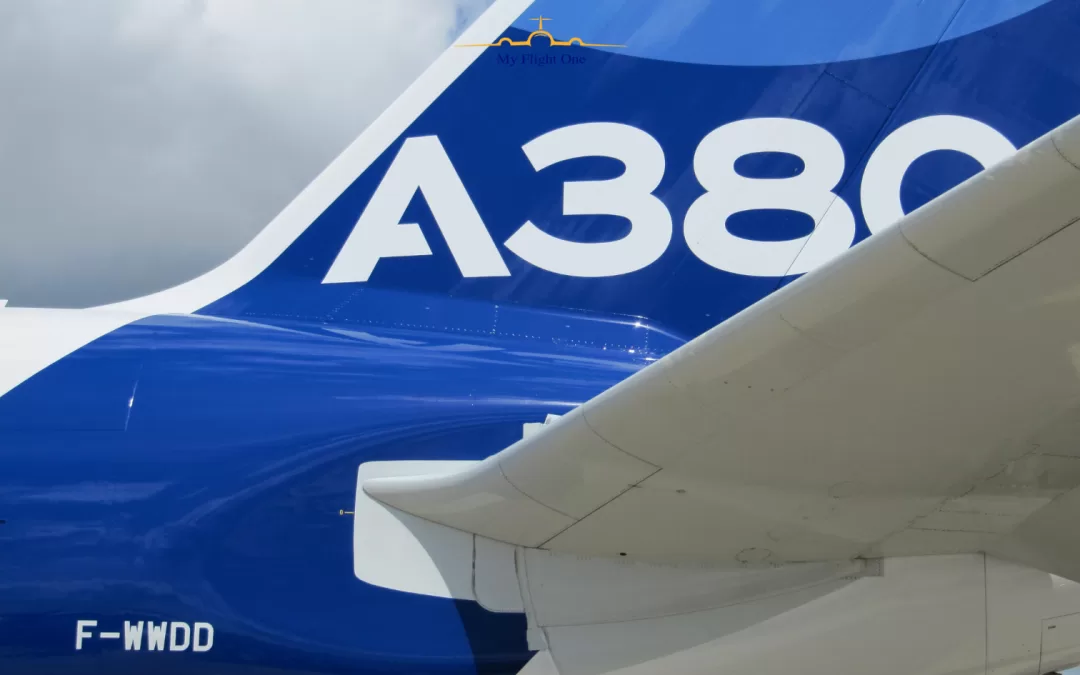
Airbus Triumphs at Paris Air Show with $21 Billion in New Orders, Leaving Boeing Behind
The recent Paris Air Show has once again solidified Airbus’s position as a global aviation powerhouse. Securing an impressive $21 billion in new plane orders, Airbus has demonstrated its robust market presence and unwavering confidence from airline clients worldwide. In stark contrast, Boeing has struggled to keep pace, highlighting a shifting dynamic in the aerospace industry.
In this comprehensive analysis, we delve into the factors contributing to Airbus’s remarkable success, examine Boeing’s current challenges, and explore the broader implications for the aviation market. Readers will gain valuable insights into the strategies driving Airbus’s dominance and what it means for the future of commercial aviation.
Airbus’s Strategic Moves Leading to Massive Order Gains
Innovative Product Lineup
Airbus’s diversified and innovative product lineup has been a cornerstone of its success. The introduction of the A350 XWB and the anticipated rollout of the A330neo have captured significant interest from airlines seeking fuel-efficient and technologically advanced aircraft. These models offer enhanced range, reduced emissions, and lower operating costs, aligning perfectly with the evolving needs of the aviation industry.
Global Market Penetration
Airbus has strategically expanded its global footprint, tapping into emerging markets with high growth potential. By establishing strong relationships with airlines in Asia, the Middle East, and Africa, Airbus has secured orders that reflect a diverse and resilient customer base. This global approach mitigates regional economic fluctuations and ensures sustained demand for Airbus aircraft.
Competitive Financing Options
Understanding the financial constraints faced by airlines, Airbus has offered flexible and competitive financing solutions. By partnering with financial institutions and providing attractive leasing options, Airbus has made it easier for airlines to commit to large orders. These tailored financial packages have been instrumental in closing substantial deals at the Paris Air Show.
Boeing’s Struggles: What’s Holding Them Back?
Production Delays and Quality Issues
Boeing has been grappling with significant production delays and quality control issues, particularly with its 737 MAX and 787 Dreamliner fleets. These challenges have eroded customer trust and led to cancellations and reduced orders. The lingering effects of these setbacks continue to hamper Boeing’s ability to compete effectively against Airbus.
Regulatory Hurdles and Safety Concerns
Following the tragic incidents involving the 737 MAX, Boeing has faced intense scrutiny from regulatory bodies worldwide. The rigorous certification processes and heightened safety standards have slowed down Boeing’s delivery schedules and increased operational costs. These regulatory challenges have made it difficult for Boeing to regain its former market momentum.
Market Perception and Brand Image
The combination of production issues and safety concerns has adversely affected Boeing’s brand image. Airlines and passengers alike have become more cautious, favoring Airbus’s more stable and reliable reputation. This shift in market perception has led to a decline in new orders and a loss of market share to competitors.
Key Factors Driving Airbus’s Dominance
Commitment to Sustainability
Airbus has placed a strong emphasis on sustainability, aligning its product development with global environmental goals. The company’s investment in fuel-efficient aircraft and exploration of alternative propulsion systems demonstrate its commitment to reducing the aviation industry’s carbon footprint. This focus on sustainability resonates with airlines aiming to meet stringent environmental regulations and appeal to eco-conscious passengers.
Advanced Technology Integration
Embracing cutting-edge technology, Airbus has integrated advanced avionics, enhanced aerodynamics, and smart cabin designs into its aircraft. These technological advancements improve operational efficiency, passenger comfort, and overall flight safety. By staying at the forefront of innovation, Airbus continues to offer state-of-the-art solutions that meet the evolving demands of the aviation sector.
Robust After-Sales Support
Airbus’s comprehensive after-sales support services, including maintenance, training, and spare parts availability, provide added value to its customers. This reliability ensures minimal downtime and optimal performance of Airbus aircraft, making them a preferred choice for airlines looking for dependable long-term partners.
The Impact on the Global Aviation Market
Shifting Market Dynamics
The significant orders secured by Airbus at the Paris Air Show indicate a notable shift in market dynamics. With Airbus gaining ground, the competitive balance in the aviation industry is changing, potentially leading to increased innovation and better deals for airlines as both manufacturers vie for dominance.
Supply Chain and Employment Implications
Airbus’s surge in orders has positive implications for the global aerospace supply chain and employment. Increased production demands more raw materials, components, and skilled labor, thereby stimulating economic activity in regions associated with aircraft manufacturing and support services.
Future Prospects for Boeing
While Boeing currently faces challenges, the company remains a key player in the aerospace industry. To regain its competitive edge, Boeing must address its production and quality issues, restore its brand image, and innovate to meet the evolving needs of the market. The outcome of these efforts will significantly influence the future landscape of commercial aviation.
Conclusion: Airbus’s Resounding Success and the Road Ahead
The Paris Air Show has underscored Airbus’s formidable position in the global aviation market, with $21 billion in new plane orders reflecting strong customer confidence and strategic excellence. In contrast, Boeing’s ongoing struggles highlight the critical importance of reliability, innovation, and effective crisis management in maintaining industry leadership.
As the aviation sector continues to evolve, Airbus’s focus on sustainability, technological innovation, and customer-centric solutions positions it well for future growth. Meanwhile, Boeing faces the imperative to overcome its current challenges to reclaim its status as a dominant force in the aerospace industry.
For a detailed account of Airbus’s impressive performance at the Paris Air Show, visit the original article here.
Continue your reading here My Flight One Travel Blog
Enjoy our game while waiting for your flight Fly the plane by My Flight One
Key Statistics presented by My Flight One
- Airbus secured $21 billion in new aircraft orders at the 2025 Paris Air Show, significantly outpacing Boeing, who reportedly walked away without new orders during the event, underscoring Airbus's dominant market position and Boeing's ongoing struggles AutoEdgeYoutube, Business Traveler USA
- In 2023, Airbus set industry records with 2,319 gross orders and a backlog of 8,598 jets, surpassing Boeing which holds a company record backlog of 6,216 jets, while Airbus also out-delivered Boeing with 735 aircraft compared to Boeing's 528 for the year, marking Airbus's fifth consecutive year leading in deliveries Forecast International
- Airbus has reduced supply chain delays by 40% since early 2025, enabling more reliable production and delivery schedules compared to Boeing, which continues to face production delays and quality issues with key models like the 737 MAX and 787 Dreamliner Business Traveler USA
Questions & Answers
Q: What factors contributed to Airbus's remarkable success at the Paris Air Show?
A: Airbus's success at the Paris Air Show can be attributed to its innovative product lineup, global market penetration strategy, and competitive financing options.
Q: What are some challenges Boeing is currently facing in the aerospace industry?
A: Boeing is struggling with production delays, quality control issues (especially with the 737 MAX and 787 Dreamliner fleets), regulatory hurdles, safety concerns, and a negative impact on its brand image.
Q: What key factors are driving Airbus's dominance in the aviation market?
A: Airbus's commitment to sustainability, advanced technology integration, and robust after-sales support services are key factors driving its dominance in the aviation market.
Q: What are the broader implications of Airbus's success at the Paris Air Show on the global aviation market?
A: Airbus's success indicates a shift in market dynamics, potential increased innovation, and better deals for airlines. It also has positive implications for the global aerospace supply chain and employment.
Q: What steps can Boeing take to improve its position in the aerospace industry?
A: Boeing can address its production and quality issues, restore its brand image, and innovate to meet the evolving needs of the market in order to improve its position in the aerospace industry.