

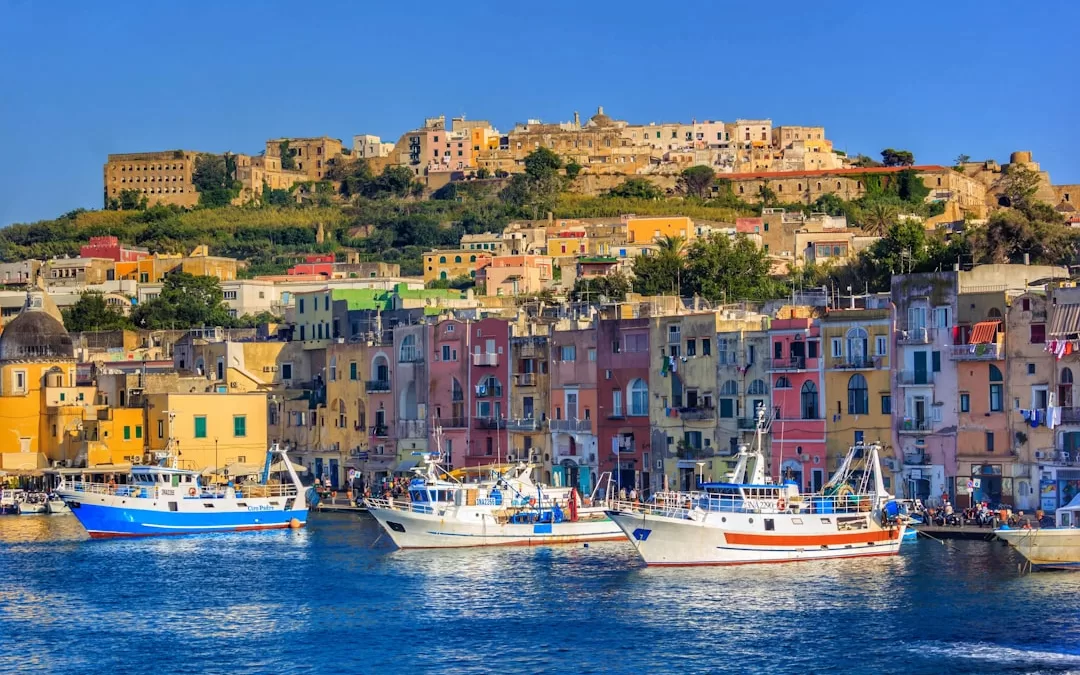
From the glamorous shores of Monaco to the sun-soaked coasts of Malta, Europe’s Mediterranean destinations are confronting a pressing challenge: overtourism. As visitor numbers surge post-pandemic, both local governments and tourism boards are rethinking how to merge thriving tourism economies with sustainable environmental and cultural preservation. This article explores how hotspots across the region are adopting innovative, green-focused strategies to ensure tourism remains a blessing, not a burden.
Inspired by the recent report from Travel and Tour World, we delve deep into how destinations such as Monaco, Malta, Venice, and Dubrovnik are crafting a new balance between local life and global travel. You’ll discover how technology, community engagement, and sustainability-driven tourism planning are shaping the next era of European travel.
Overtourism in the Mediterranean: A Challenge That Demands Change
The Mediterranean region attracts millions of tourists annually, lured by its azure waters, cultural richness, and heritage sites. However, the same abundance of visitors now threatens the very essence of what makes these places desirable. Cities like Monaco and Malta have witnessed increasing strain on natural resources and infrastructures, from rising waste management costs to congested transport systems.
Understanding the Core of Overtourism
Overtourism occurs when the number of tourists exceeds the capacity of a destination to manage them sustainably. It affects local residents, disrupts ecosystems, and dilutes the visitor experience. The phenomenon doesn’t just harm environmental integrity—it can also trigger social frustration among locals and reduce long-term economic resilience.
Post-Pandemic Dynamics Fueling Travel Pressure
After years of restrictions, pent-up wanderlust has led to an explosive resurgence in travel. As more people seek authentic experiences, destinations in close proximity—like those in the Mediterranean—have become top picks. Yet, without effective policies, rapid visitor return risks undoing climate progress and community stability.
Innovative Sustainable Tourism Solutions Emerging Across Europe
To address overtourism, several Mediterranean countries are implementing pioneering sustainability measures that aim to balance growth with stewardship.
Monaco’s Eco-Friendly Transition
Known for luxury and high-end living, Monaco is reshaping its travel model by investing in eco-certified accommodations, renewable energy sources, and electric mobility networks. Initiatives such as banning single-use plastics and promoting sustainable yachts are helping redefine luxury as responsible indulgence.
Malta’s Digital and Green Strategy
Malta has turned to smart technology to monitor tourist flows and encourage conscious travel behavior. Through digital data platforms, authorities analyze visitor trends to better distribute traffic around the island. Moreover, incentives for eco-hotels and heritage restoration projects support the island’s long-term sustainability goals.
- Introduction of digital visitor caps during peak seasons.
- Enhanced marine biodiversity zones to protect coastal ecosystems.
- Promotion of cultural tourism beyond beach destinations.
Venice’s Tourist Quotas: A Model for Europe?
Venice, long considered the epicenter of overtourism, introduced entry fees and daily caps for tourists visiting the old city. This model aims to reduce unsustainable day-tripping while generating funds for preservation projects. Although controversial, such a system highlights how proactive governance can balance economic gain with sustainability.
Technology and Smart Tourism: The Path Forward
Technology plays a critical role in managing today’s tourism dynamics. From visitor-tracking apps to AI-based crowd management, smart tourism initiatives are revolutionizing destination management.
AI and Data Analytics for Crowd Control
Using data analytics, tourism boards can estimate peak periods and guide travelers towards lesser-known attractions. This not only minimizes congestion but also spreads economic benefits more equitably. Platforms powered by AI can suggest itineraries that reduce environmental impact and enhance local appreciation.
Virtual Tourism as a Sustainable Alternative
Several destinations are now offering virtual travel experiences to allow remote visitors to engage with cultural sites without physical visits. This supplemental model provides educational and emotional connections while reducing physical strain on heritage locations.
Engaging Local Communities in Sustainability
The foundation of genuine sustainability lies in active community participation. Local stakeholders—be they small business owners, artists, or residents—play a crucial role in shaping a destination’s authenticity and resilience.
Community-Based Tourism Models
Initiatives empowering local communities help diversify tourism benefits. By promoting artisanal products, local cuisine, and cultural festivals, communities not only earn income but also preserve their identity. This interaction fosters mutual respect between tourists and locals, enhancing the overall travel experience.
Education and Awareness Campaigns
Establishing campaigns that inform visitors about sustainable practices—such as reducing water use, respecting heritage sites, or supporting local enterprises—can significantly mitigate tourism’s environmental footprint. Awareness drives, when supported by digital storytelling, elevate the traveler’s consciousness.
Policy and Governance: The Backbone of Sustainable Tourism
Policy-making is at the heart of effective change. Governments across Europe are framing regulatory measures that enforce responsible travel standards, uphold environmental protection, and secure community well-being.
- Eco-Taxation Policies: Implementing tourist taxes that fund conservation efforts.
- Car-Free Zones: Encouraging sustainable transport within urban centers.
- Certification Programs: Accrediting hotels and tour operators meeting green benchmarks.
Because overtourism transcends borders, regional alliances such as the Mediterranean Sustainable Tourism Convention advocate for cooperative strategies. Joint initiatives foster knowledge exchange, harmonized standards, and regional marketing of eco-certified destinations.
The Economic and Environmental Balance Ahead
As the Mediterranean tourist economies rebound, the challenge lies in sustaining growth without depleting resources. Sustainable tourism is not just about slowing down travel but optimizing it to secure a profitable, equitable, and green future.
Measuring Success Beyond Numbers
Destinations are beginning to move away from sheer visitor counts and focus on experience quality and per-visitor value. The aim is to generate higher yields through responsible experiences that enhance both visitor satisfaction and local prosperity.
Long-Term Environmental Integration
By incorporating sustainable design into tourism infrastructure—such as green hotels, waste recycling systems, and energy-efficient transportation—destinations can build lasting resilience against the pressures of overtourism.
Conclusion: Shaping the Future of Mediterranean Travel
From Monaco to Malta, the Mediterranean is redefining what sustainable tourism truly means. Through innovation, data-driven decisions, and community collaboration, these destinations are proving that responsible travel doesn’t have to compromise allure. Instead, it enhances it—turning sustainability into a signature of modern tourism.
As travelers become more conscious of their environmental footprints, destinations that prioritize green policies and cultural authenticity will stand out. The path forward demands collective responsibility—from policymakers and industry leaders to visitors themselves. By aligning tourism with sustainability, the Mediterranean can secure its beauty and vitality for generations to come.
Continue your reading here My Flight One Travel Blog
Enjoy our game while waiting for your flight Fly the plane by My Flight One
