

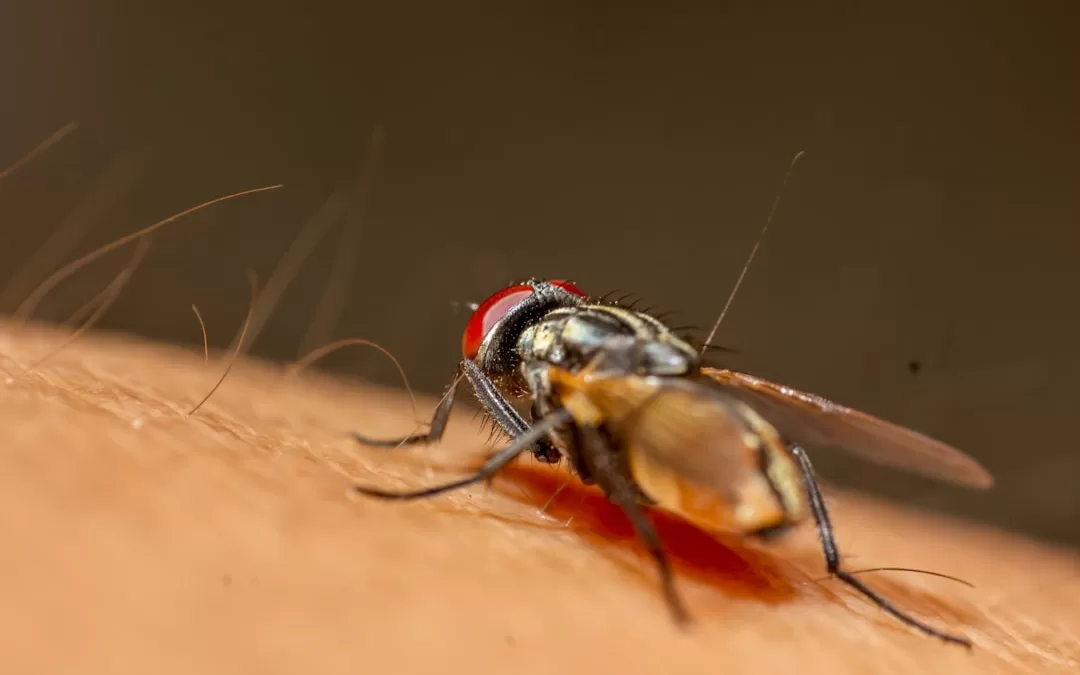
Dengue fever poses a significant threat to travelers worldwide, particularly in tropical and subtropical regions. Understanding areas with risk of dengue is crucial for anyone planning international travel. This guide provides comprehensive insights into regions where dengue is prevalent, preventive measures to take, and essential tips to ensure a safe and healthy journey.
By the end of this article, you will gain a thorough understanding of dengue transmission, identify high-risk areas, and learn effective strategies to protect yourself from this mosquito-borne illness. Stay informed and travel safely by leveraging the information provided below.
Understanding Dengue Fever
Dengue fever is a viral infection transmitted primarily by the Aedes aegypti mosquito. Recognized for causing debilitating flu-like symptoms, dengue can escalate to severe forms, potentially leading to life-threatening conditions such as dengue hemorrhagic fever (DHF) or dengue shock syndrome (DSS).
Symptoms of Dengue
- High fever
- Severe headache
- Pain behind the eyes
- Joint and muscle pain
- Nausea and vomiting
- Skin rash
- Fatigue
Early detection and management are vital to prevent complications. If you experience symptoms after traveling to a dengue-endemic area, seek medical attention promptly.
Transmission and Life Cycle of Dengue Virus
The dengue virus is transmitted through the bite of an infected female mosquito. Understanding the transmission cycle can help in implementing effective preventive measures.
How Dengue Spreads
- An infected mosquito bites a human, transmitting the virus.
- The virus incubates in the human body for 4-10 days.
- Symptoms appear, and during this time, another mosquito can become infected by biting the person.
- Infected mosquitoes then spread the virus to other individuals.
This cyclical transmission underscores the importance of controlling mosquito populations and avoiding bites.
Regions with High Risk of Dengue
Dengue is prevalent in many parts of the world, particularly in regions with warm climates and stagnant water sources. Below are some areas where the risk of dengue is notably high:
1. Southeast Asia
Countries like Thailand, Philippines, Indonesia, and Vietnam report frequent dengue outbreaks. The tropical climate and high population density contribute to the persistent presence of Aedes mosquitoes.
2. Latin America
Brazil, Mexico, and Colombia are among the countries in Latin America with significant dengue cases. Urbanization and inadequate sanitation facilities exacerbate the spread.
3. Caribbean Islands
Islands such as Puerto Rico, Dominican Republic, and Jamaica experience seasonal dengue epidemics, especially during the rainy season.
4. Africa
Regions in West and East Africa, including Nigeria and Kenya, report dengue cases, often linked to travelers returning from endemic areas.
5. Pacific Islands
Places like Fiji, Samoa, and Papua New Guinea face dengue challenges, with outbreaks affecting both locals and tourists.
For a comprehensive and updated list of areas with dengue risk, visit the CDC’s official dengue risk areas page.
Preventive Measures for Travelers
Preventing dengue involves minimizing mosquito exposure and controlling mosquito populations in your surroundings. Here are essential strategies to safeguard your health while traveling:
1. Use Mosquito Repellents
Apply EPA-registered insect repellents containing DEET, picaridin, or oil of lemon eucalyptus on exposed skin. Reapply as directed, especially after sweating or swimming.
2. Wear Protective Clothing
Dress in long-sleeved shirts, long pants, and socks to reduce skin exposure. Clothes treated with permethrin offer additional protection against mosquito bites.
3. Stay in Screened or Air-Conditioned Areas
Ensure your accommodations have window and door screens to keep mosquitoes out. Air-conditioned rooms are less likely to harbor mosquitoes.
4. Eliminate Standing Water
Aedes mosquitoes breed in stagnant water. Regularly empty and clean containers like buckets, flower pots, and birdbaths to prevent mosquito breeding.
Travel Safety Tips to Avoid Dengue
In addition to preventive measures, adopting specific safety practices can further reduce your risk of contracting dengue while traveling.
1. Plan Your Travel During Low-Risk Seasons
Research the dengue transmission seasons of your destination and plan your trip during times with lower mosquito activity.
2. Stay Informed
Regularly check travel advisories and updates on dengue outbreaks in your destination. Organizations like the CDC provide timely information for travelers.
3. Use Mosquito Nets
When sleeping in areas without proper screens, use mosquito nets treated with insecticides to protect yourself from bites.
4. Avoid Peak Mosquito Hours
Aedes mosquitoes are most active during early morning and late afternoon. Limit outdoor activities during these times or take extra precautions.
What to Do If You Contract Dengue
While prevention is key, knowing how to respond if you contract dengue is equally important.
1. Seek Medical Attention
If you experience symptoms after traveling to a dengue-endemic area, consult a healthcare professional immediately. Early diagnosis can prevent severe complications.
2. Stay Hydrated
Maintain adequate fluid intake to prevent dehydration, a common issue in dengue patients.
3. Rest and Recover
Allow your body to rest and recover. Avoid strenuous activities until you have fully recuperated.
4. Follow Medical Advice
Adhere to your doctor’s recommendations and complete any prescribed treatments to ensure a smooth recovery.
Recent Trends and Travel Advisories
The global landscape of dengue risk areas is continually evolving due to factors like climate change, urbanization, and international travel. Staying updated with the latest trends and advisories can help in effective planning and prevention.
Impact of Climate Change
Rising temperatures and changing rainfall patterns expand the habitats suitable for Aedes mosquitoes, leading to increased dengue transmission in previously low-risk areas.
Urbanization and Population Growth
Rapid urbanization creates environments conducive to mosquito breeding, particularly in areas with inadequate sanitation and water management.
Global Travel and Dengue Spread
Increased international travel facilitates the spread of dengue across borders, making it a global concern. Travelers can inadvertently introduce the virus to new regions.
Current Travel Advisories
Consult reliable sources like the CDC’s dengue areas with risk page for the latest travel advisories and recommendations before planning your trip.
Vaccination and Medical Prevention
As of now, there is no widely available vaccine for dengue that is recommended for all travelers. However, ongoing research and development aim to provide effective vaccination options in the future.
Current Vaccine Status
The Dengvaxia vaccine is approved in some countries for individuals with prior dengue exposure. Consult with a healthcare provider to understand if vaccination is suitable for you.
Medical Prevention Strategies
- Regular use of mosquito repellents
- Wearing protective clothing
- Staying in screened or air-conditioned accommodations
- Reducing mosquito breeding sites
Implementing these strategies collectively can significantly lower the risk of dengue infection.
Conclusion
Dengue fever remains a critical health concern for travelers venturing into endemic areas. By understanding areas with risk of dengue and adopting comprehensive preventive measures, you can enjoy a safe and worry-free travel experience. Stay informed through reliable sources like the CDC’s dengue risk areas, and take proactive steps to protect your health against this formidable mosquito-borne illness.
Remember, vigilance and preparedness are your best defenses against dengue. Safe travels!
Continue your reading here My Flight One Travel Blog
Enjoy our game while waiting for your flight Fly the plane by My Flight One
Key Statistics presented by My Flight One
- As of mid-2025, over three million suspected dengue cases and more than 1,400 dengue-related deaths have been reported across 90 countries worldwide, highlighting the extensive global impact of dengue fever in tropical and subtropical regions. ECDC
- In the Region of the Americas alone, by epidemiological week 22 of 2025, there were approximately 3.14 million suspected dengue cases, with a cumulative incidence of 309 cases per 100,000 population, marking a 70% decrease compared to the same period in 2024 but still showing substantial ongoing transmission. PAHO
- During 2024, over 7.6 million dengue cases were reported globally, including 3.4 million confirmed cases and over 3,500 deaths, with the Americas experiencing a notable surge in cases, exceeding seven million by the end of April 2024—more than double the 2023 figures for the same period. WHO
Questions & Answers
Q: What are the common symptoms of dengue fever?
A: Common symptoms of dengue fever include high fever, severe headache, pain behind the eyes, joint and muscle pain, nausea and vomiting, skin rash, and fatigue.
Q: Which regions are considered high-risk areas for dengue?
A: Regions with high risk of dengue include Southeast Asia, Latin America, Caribbean Islands, Africa, and Pacific Islands due to warm climates and stagnant water sources.
Q: What are some preventive measures travelers can take to avoid contracting dengue?
A: Travelers can prevent dengue by using mosquito repellents, wearing protective clothing, staying in screened or air-conditioned areas, and eliminating standing water where mosquitoes breed.
Q: What should travelers do if they contract dengue fever?
A: Travelers should seek immediate medical attention, stay hydrated, rest and recover, and follow medical advice if they contract dengue fever.
Q: Are there any vaccination options available for dengue prevention?
A: Currently, the Dengvaxia vaccine is approved in some countries for individuals with prior dengue exposure. Consult with a healthcare provider to understand if vaccination is suitable for you.