

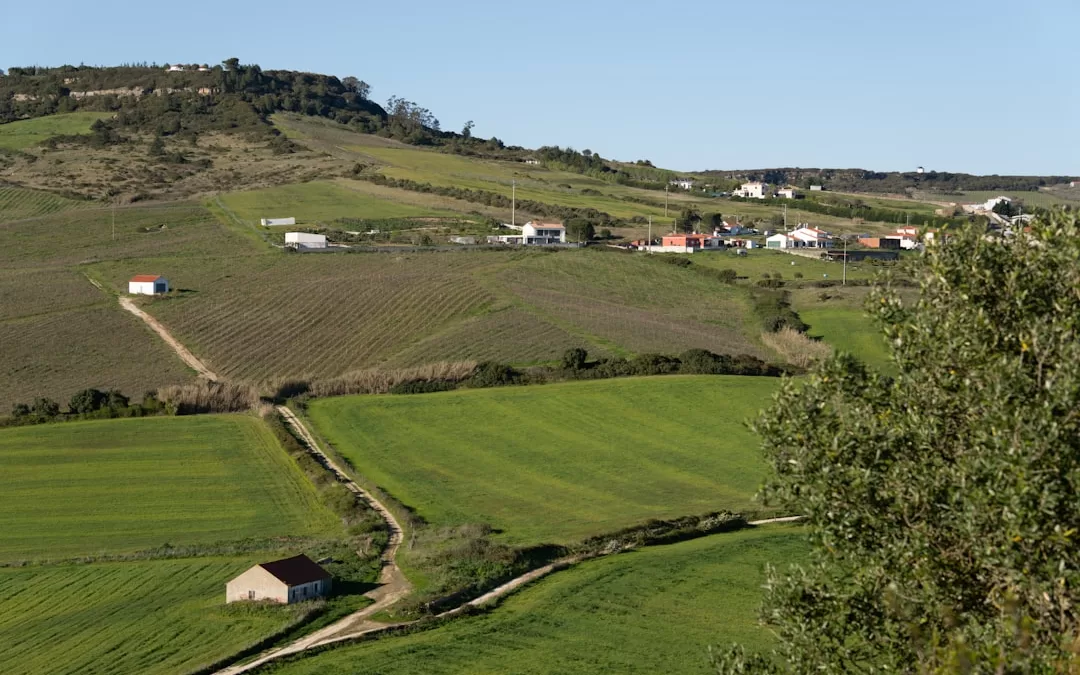
Portugal is stepping beyond its sun-kissed coastline and famous cities to unveil a new tourism strategy that invites travelers to explore undiscovered parts of the nation. By focusing on countryside retreats, authentic cultural experiences, and sustainable tourism, Portugal aims to redefine how visitors experience its rich landscapes. This initiative, as highlighted in Travel and Tour World’s report, showcases the country’s commitment to diversifying its destinations and supporting local communities.
In this article, we’ll uncover how Portugal’s new travel strategy is transforming the tourism map, what travelers can expect from hidden gems across the countryside, and why this move supports both sustainability and regional growth. Whether you’re a culture seeker, nature enthusiast, or an eco-conscious adventurer, Portugal’s evolving tourism landscape offers something remarkable for you.
Portugal’s Strategic Move to Diversify Travel Destinations
Portugal’s tourism board is rethinking traditional visitor routes, directing attention beyond Lisbon, Porto, and the Algarve. The new initiative emphasizes lesser-known regions, aiming to balance tourism growth while protecting the environment and heritage of rural areas. This strategic shift aligns with global trends encouraging travelers to look beyond over-touristed locations for more immersive experiences.
Expanding the Tourism Map
From the lush Douro Valley to the tranquil plains of Alentejo, this strategy highlights adventures tucked away in Portugal’s countryside. These areas offer everything from vineyard escapades to nature trails, blending local craftsmanship, gastronomy, and outdoor pursuits. The diversification plan ensures economic benefits reach smaller communities while relieving pressure from heavily visited coastal hubs.
Balancing Growth and Sustainability
Portugal’s approach integrates sustainable tourism principles — promoting responsible travel, renewable energy usage, and cultural preservation. By reducing visitor density in major urban centers and highlighting eco-friendly accommodations, the country aims to safeguard its natural resources while providing long-lasting opportunities for rural towns.
Hidden Gems Await Across the Portuguese Countryside
As Portugal shifts toward less explored regions, avid travelers can look forward to breathtaking destinations that beautifully blend history, nature, and authenticity. These hidden gems are scattered across various regions, each with distinctive charm and local character.
Douro Valley: A Wine Lover’s Paradise
The Douro Valley, renowned for its terraced vineyards and serene riverside views, represents sustainable tourism at its best. Visitors can embark on scenic river cruises, stay at family-run quintas, and savor organic wines produced using time-honored techniques. Rural tourism here emphasizes connection — to the land, locals, and traditions.
Alentejo: The Heart of Slow Travel
With its golden fields, cork oak forests, and medieval villages, Alentejo exemplifies Portugal’s countryside soul. The region offers peaceful getaways that encourage “slow travel,” where visitors immerse themselves in local life through artisan workshops, traditional cuisine, and cycling trails. Boutique farms and eco-lodges are redefining comfort through sustainability and authenticity.
Centro de Portugal: Adventure and Heritage
Centro de Portugal, often overshadowed by coastal regions, boasts mountain villages, ancient monasteries, and pristine hiking terrains. Adventure enthusiasts can explore Peneda-Gerês National Park or try river kayaking near Serra da Estrela, the country’s highest mountain range. This region showcases how adventure and heritage can coexist within eco-conscious tourism models.
The Role of Sustainable Tourism in Diversification
Sustainability is not just a trend in Portugal—it’s the foundation of its tourism transformation. By incorporating eco-friendly practices, rural development, and community engagement, the new strategic plan ensures long-term benefits for both residents and visitors.
Empowering Local Communities
Rural tourism projects are empowering communities through the creation of stable employment and the preservation of traditional crafts. Villages that once struggled with depopulation are witnessing revitalization as travelers seek authentic, community-based experiences. This empowerment leads to stronger cultural identity and social cohesion.
Green Tourism and Eco-Innovation
Portugal’s countryside initiatives emphasize the use of renewable energy, low-impact accommodations, and conservation-based activities. Eco-materials are being used in lodge constructions, while reforestation programs contribute to environmental preservation. These initiatives resonate with a growing global audience of eco-conscious travelers seeking meaningful engagement with nature.
Gastronomy and Culture: Key Drivers of Countryside Tourism
Food and culture remain central to Portugal’s appeal, with rural areas offering distinct flavors shaped by centuries of tradition. From farm-to-table experiences to local festivals celebrating regional heritage, these cultural expressions enhance the appeal of countryside travel.
Authentic Flavors from Farm to Table
Travelers can delight in hearty dishes like Alentejo’s “açorda” or savoury goat stews in Beira Interior, prepared with locally sourced ingredients. Many rural restaurants partner with nearby farms, ensuring freshness and supporting local agriculture. Culinary workshops and wine tastings invite guests to connect deeply with Portuguese tradition.
Festivals and Folk Heritage
Village festivals, often tied to agricultural cycles, are regaining prominence as cultural attractions. From olive harvest celebrations to traditional music events, these gatherings provide immersive access to Portugal’s living heritage. Tourists can join in, learning folk dances or participating in craft-making sessions, strengthening bonds between locals and visitors.
Infrastructure, Accessibility, and Digitalization
For Portugal’s countryside tourism strategy to succeed, thoughtful infrastructure development and digital innovation are essential. Improved connectivity—both physical and digital—makes it easier for travelers to discover hidden gems without compromising authenticity.
Modern Connectivity in Rural Settings
Government-backed efforts are improving road networks, enhancing public transport, and promoting eco-friendly mobility such as bike routes and electric vehicle charging stations. This ensures a seamless travel experience for visitors exploring offbeat rural routes.
Digital Tourism Platforms and Smart Promotion
Digital transformation is enabling smaller towns and local businesses to gain visibility. Through online storytelling and immersive virtual experiences, Portugal is helping international tourists plan their adventures with ease. Websites, travel apps, and social media campaigns highlight countryside experiences while emphasizing responsible travel choices.
Why Portugal’s Travel Diversification Matters Globally
Portugal’s tourism diversification strategy offers a noteworthy model for other nations. By celebrating rural authenticity while embracing innovation and sustainability, the country demonstrates how to manage tourism equitably and responsibly. The effort helps maintain cultural diversity, protect natural ecosystems, and foster inclusive economic growth.
- Sustainability: Encourages eco-conscious travel habits.
- Economic Equity: Spreads income across regions.
- Cultural Preservation: Safeguards traditional lifestyles and local identities.
- Global Leadership: Positions Portugal as a pioneer in responsible tourism.
Conclusion: A New Era for Travel in Portugal
Portugal’s bold move to diversify its travel destinations signifies a new era of exploration. By opening doors to countryside gems and promoting sustainable initiatives, the nation invites visitors to experience its essence beyond the familiar coastal viewpoints. This transformation not only enhances Portugal’s tourism portfolio but also provides travelers with opportunities for deeper cultural connection and authentic adventure.
As travelers look for meaningful, eco-friendly, and community-driven experiences, Portugal’s emerging destinations shine as perfect embodiments of responsible and soulful tourism. The next time you dream of Portugal, think beyond the obvious — because the country’s real magic might just lie in its hidden countryside gems.
If you’re inspired by Portugal’s quieter side, you might also enjoy planning countryside-style escapes with the ideas in Europe’s gastro-tourism revolution in 2026 and the off-season insights from off-peak escapes redefining European travel year-round.
Continue your reading here My Flight One Travel Blog
Enjoy our game while waiting for your flight Fly the plane by My Flight One
