

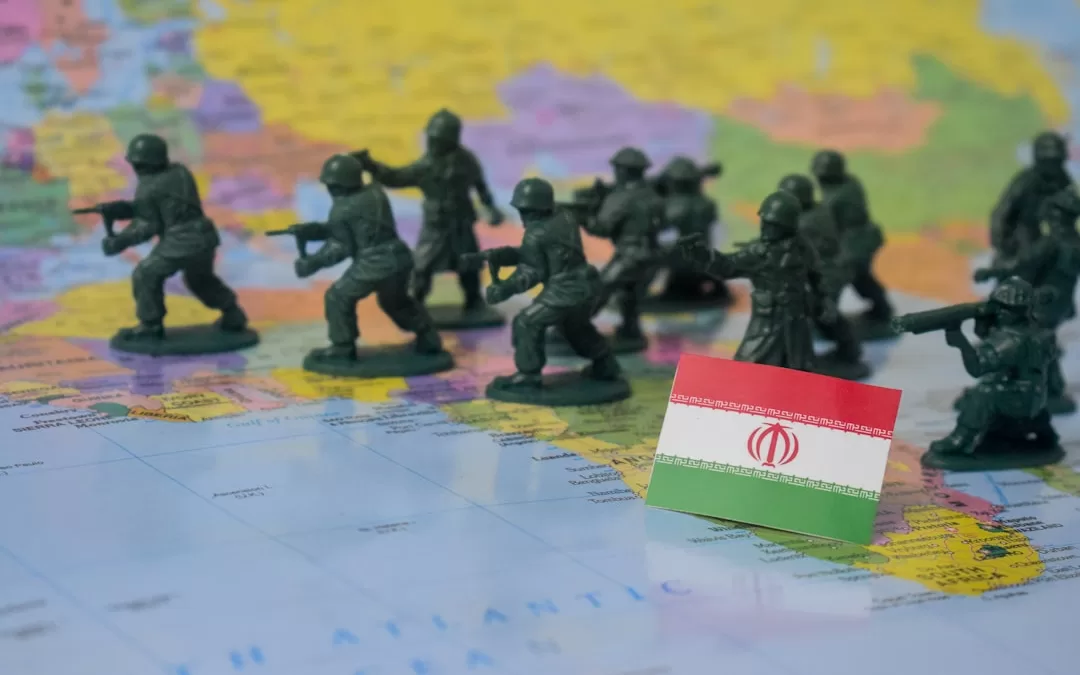
The dynamics of global travel are shifting dramatically as escalating tensions in the Middle East affect tourism, aviation, and traveler sentiment worldwide. The ongoing Iran conflict has triggered widespread consequences, influencing everything from airline routes and fuel costs to traveler safety perceptions and destination demand. This in-depth analysis explores how the Iran war’s impact on global travel is reshaping the tourism industry, identifying emerging travel trends, and highlighting what travelers, investors, and destination marketers need to know to adapt.
As reports such as this article by Invezz show, the travel industry’s global interconnectedness means that conflicts don’t just affect nearby nations—they ripple across continents, altering airspace policies, shifting tourism flows, and redefining what “safe travel” means in a post-crisis world. In this article, we’ll analyze these disruptions, identify evolving traveler behaviors, and map out areas of opportunity for destinations and businesses navigating this complex geopolitical climate.
The Global Ripple Effect: How the Iran War Impacts World Travel Routes
The first and most immediate impact of armed conflict is on global airspace security. As missile threats and geopolitical escalation fluctuate, international carriers are diverting aircraft away from Iranian airspace and neighboring regions. These detours add flight time, raise operational costs, and create cascading delays across major hubs in Asia, Europe, and the Middle East.
Airline Strategy and Routing Adjustments
Global carriers such as Emirates, Qatar Airways, and Lufthansa are recalibrating their routes to ensure passenger safety and comply with regulatory advisories. Airlines that relied heavily on Middle East corridors are now forced to restructure long-haul itineraries, particularly for Europe–Asia routes, leading to higher fares and fewer direct flight options.
Fuel Costs and Emission Challenges
Detours and extended flight paths also have a significant environmental and economic footprint. Rising jet fuel prices — already influenced by energy market instability — are pushing up operational expenses, prompting discussions around new carbon offset strategies and sustainable aviation fuel investments to mitigate longer-haul emissions.
Tourism Trends in Uncertain Times: Shifting Demand and Traveler Sentiments
Traveler sentiment plays a pivotal role in shaping tourism dynamics during times of geopolitical uncertainty. Safety concerns lead many tourists to postpone or redirect their plans, while others seek alternative destinations that promise stability and affordability.
Regional Winners and Losers
Due to the Iran conflict, tourism hotspots in the Middle East such as Oman and the UAE have experienced mixed outcomes. While some regions face declining arrivals, others benefit from being perceived as safer gateways to the region. Meanwhile, European and Asian destinations known for neutrality—like Switzerland, Singapore, and Japan—are seeing spikes in visitor interest from travelers seeking reliable infrastructure and security.
The Rise of “Geo-Aware” Tourism
A new class of modern travelers, known as geo-aware travelers, are using real-time intelligence tools and government advisories to make dynamic travel decisions. These digitally empowered tourists value transparency about safety, health protocols, and sustainability, making them highly responsive to global developments. For the travel industry, this demands constant updates and trustworthy communication channels.
Economic Consequences: How the Travel Industry is Adapting
From airlines to travel tech companies and national tourism boards, the global travel economy is under pressure to adapt quickly. The Iran war’s influence on trade routes, insurance costs, and consumer trust has forced decision-makers to rethink long-term strategies.
Impact on Travel Insurance and Risk Management
Insurance providers have adjusted coverage policies, increasing premiums for flights and tours involving conflict-affected zones. More travelers are purchasing comprehensive coverage and emergency evacuation add-ons — a reflection of the growing demand for risk management in travel planning.
Hospitality and Supply Chain Disruptions
Hotels and destination service providers are feeling both the direct and indirect effects. Supply chain bottlenecks, especially in imported goods, are causing rising operational costs for hospitality businesses. Luxury hotels and resorts are diversifying regional sourcing and emphasizing local partnerships to maintain service continuity.
New Travel Patterns and Emerging Destinations
As geopolitical risks reshape travel preferences, certain destinations are emerging as beneficiaries of global travel rerouting. The trend toward off-the-beaten-path tourism continues to grow, with travelers exploring new, perceived-safe alternatives.
Growth of “Safe Haven” Destinations
Countries known for neutrality or strong internal security — such as New Zealand, Iceland, and Portugal — are witnessing increases in long-term stays, especially among remote workers and digital nomads. This trend aligns with the growing demand for safety, digital infrastructure, and workation options.
Regional Power Shifts in Tourism Investment
Investors are pivoting toward markets less dependent on volatile regions. Tourism development funds are increasingly directed toward Eastern Europe, Southeast Asia, and Latin America, signaling a global diversification in travel investment portfolios. These destinations are offering competitive incentives to capture displaced travel demand.
Technological and Policy Responses: How the Aviation Industry Is Evolving
In the face of geopolitical volatility, technology is becoming a key stabilizer. Governments and corporations alike are turning to data-driven solutions to ensure passenger safety and operational continuity.
AI-Driven Risk Mapping
Leading airlines now use artificial intelligence to map real-time geopolitical developments. These tools assess multiple data streams — from radar to satellite intelligence — to optimize flight paths while maintaining efficiency and safety. This integration highlights the growing role of predictive analytics in aviation security.
Government Regulations and Airspace Policies
Regulatory frameworks are evolving rapidly as global agencies work to synchronize aviation security standards. Shared data platforms between aviation authorities ensure that airlines receive timely threat assessments, minimizing the risk of accident zones or unsafe air corridors.
For travelers, the current environment demands a heightened awareness and proactive planning approach. Flexibility, preparedness, and responsible decision-making are key to ensuring safe, enjoyable journeys despite the uncertainty caused by the Iran conflict and its global ramifications.
Practical Tips for Safe Global Travel
- Stay informed: Monitor official advisories from your government’s foreign affairs department.
- Book flexibly: Choose refundable booking options and travel insurance with geopolitical coverage.
- Use reputable sources: Follow trustworthy travel outlets and safety apps that offer real-time updates.
- Be adaptable: Consider alternative destinations with similar attractions but lower conflict risks.
Role of Travel Agencies and Digital Platforms
Modern travel agencies and online platforms are evolving beyond booking engines to become comprehensive risk management partners. By integrating crisis monitoring, 24-hour support, and itinerary reconfiguration tools, these platforms play a crucial role in helping travelers navigate global instability confidently.
Conclusion: Redefining Travel in a Time of Uncertainty
The Iran war’s impact on global travel and tourism underscores how interconnected and sensitive the industry is to geopolitical disruptions. Travelers are becoming more vigilant, airlines more technologically advanced, and destinations more diversified in their appeal. For industry stakeholders, adapting to this new reality requires both resilience and innovation.
As airlines reroute skies, destinations reinvent themselves, and travelers redefine what safety means, one truth remains clear: the ability to adapt quickly will determine long-term success. To follow the ongoing analysis and industry insights, visit the full article on Invezz.
In an ever-changing world, understanding the synergy between geopolitics and travel isn’t just about safety — it’s about strategically navigating the global map of opportunity.
Continue your reading here My Flight One Travel Blog
Enjoy our game while waiting for your flight Fly the plane by My Flight One
