
Explore 2026: Unbeatable Travel Destinations and Deals

Explore 2026: Unbeatable Travel Destinations and Deals

Travelers searching for affordable escapes in 2026 will find good news on the horizon—many of the world’s most sought-after destinations are now significantly cheaper than they were just a year ago. Airlines, hotels, and tour operators have slashed prices in a bid to attract global visitors, while favorable currency rates are making once-expensive holidays far more accessible. Whether you’re dreaming of sipping espresso in Italy, basking on a Caribbean beach, or exploring the vibrant streets of Spain, this year offers remarkable value on every continent.

Drawing insights from the latest travel market updates, including GB News’ feature on the 20 holiday destinations where prices have plummeted the most in 2026, this article uncovers the best value global destinations. You’ll learn where your money stretches further, which trends are driving the price drops, and how to plan trips that balance adventure and budget-savvy travel. Let’s dive into the destinations reshaping travel affordability this year.

Global Travel Price Trends 2026: Why Holiday Costs Are Falling

The global travel industry has entered a new pricing cycle. After years of fluctuating costs due to post-pandemic recoveries and inflationary pressures, 2026 marks a turning point. Several factors have created a “perfect storm” for lower prices:

  • Currency shifts: A stronger U.S. dollar and British pound have made overseas destinations more affordable.
  • Increased flight capacity: Airlines have added new routes, restoring competition and reducing fares.
  • Off-season promotions: Destinations are rebranding “shoulder seasons” to attract year-round tourism.
  • Economic slowdowns: Some countries have adjusted pricing to encourage foreign spending.

These factors combine to create a more competitive travel environment. For travelers, it translates to wider choices and lower costs across top bucket-list spots.

Top 20 Holiday Destinations with the Biggest Price Drops

1. Italy – The Best Value European Getaway

Italy has long captured the hearts of travelers, but in 2026, it’s also capturing their wallets. With hotel rates down by nearly 18% and airfare discounts averaging 12%, the combination of romance and affordability is irresistible. Cities like Rome, Florence, and Venice are still vibrant, but smaller towns such as Lecce, Bari, and Siena are offering the deepest discounts. Add affordable wine tours and regional cuisine, and it’s no surprise Italy is topping the value charts.

2. Spain – Mediterranean Magic for Less

Spain’s tourism sector has stabilized at post-COVID highs, but fierce regional competition has driven prices down by up to 20%. From the sun-drenched Costa del Sol to the cultural buzz of Madrid and Barcelona, travelers are benefiting from flexible package options and budget-friendly accommodation deals. Even the Balearic Islands, historically premium-priced, are now seeing reduced costs thanks to early booking discounts and offseason promotions.

3. Caribbean Islands – Tropical Luxury at Half the Cost

The Caribbean’s typically high-end market has opened to budget-conscious travelers. Destinations like the Dominican Republic, Barbados, and Jamaica have lowered all-inclusive rates by up to 25% as resorts compete to fill capacity. Lower fuel prices are also contributing to cheaper flights from major U.S. and U.K. hubs, making island-hopping experiences more feasible than ever.

4. Portugal – A Western European Gem Getting Cheaper

Portugal’s appeal continues to soar while maintaining incredible value. Average daily hotel rates are down by 15%, and off-peak airfare deals are abundant. Cities like Lisbon and Porto are promoting cultural itineraries outside the traditional summer window, helping travelers avoid crowds and save money.

5. Greece – Ancient Wonders, Modern Deals

Greek islands such as Crete, Corfu, and Santorini are introducing new direct flights and competitive pricing bundles. Tour packages that once cost a premium now include added amenities like guided excursions and airport transfers, resulting in up to 22% total savings for travelers compared to 2024 prices.

Emerging Global Bargains in 2026

Asia: Affordable Luxury Returns

Southeast Asia is regaining its status as one of the best-value regions in the world. Thailand, Vietnam, and Indonesia are leveraging promotional partnerships with global booking platforms to encourage international arrivals. The strength of Western currencies also makes dining, accommodation, and excursions notably more affordable for foreign travelers.

South America: Adventure Travel for Budget Explorers

Countries such as Colombia, Peru, and Argentina are seeing renewed interest from budget travelers seeking culture and nature at unbeatable prices. With airfare costs down by 14% and flexible work-travel options spreading internationally, South America’s appeal is stronger than ever. Buenos Aires and Medellín are particularly highlighted for their affordable long-stay digital nomad hubs.

Key Factors Driving the 2026 Travel Price Revolution

1. Airline Competition Reset

Major airlines have expanded route networks and reintroduced competitive pricing models. Low-cost carriers are pushing full-service airlines to rethink bundles and loyalty programs. The resurgence of transatlantic and Asia-Pacific routes has also eased pricing pressure, giving travelers more options and affordability simultaneously.

2. Evolving Traveler Behavior

Work-from-anywhere lifestyles and blended travel are reshaping demand cycles. Instead of peak-season rushes, bookings are now spreading evenly throughout the year. This shift enables destinations to maintain steady price points while passing operational savings on to guests.

3. Government and Tourism Board Incentives

Recognizing tourism’s role in economic recovery, several governments have initiated visa simplifications, tax breaks, and hospitality subsidies. For instance, islands in the Caribbean are offering digital traveler passes or discounts on local experiences to entice longer stays.

4. A Stronger Exchange Rate Advantage

Travelers from the U.K., U.S., and parts of Europe benefit from favorable exchange rates against many global currencies in 2026. This means higher purchasing power in places like Japan, South Africa, and Central America—transforming luxury accommodations into surprisingly affordable options.

How to Maximize Your Savings When Booking 2026 Holidays

To take advantage of these unprecedented deals, strategic planning is key. Here’s how to make every travel dollar go further:

  1. Book early but stay flexible: Secure discounted airfare and hotel deals, but choose refundable options to adjust plans as needed.
  2. Travel in shoulder seasons: Visit popular destinations just before or after peak season to enjoy lower prices and thinner crowds.
  3. Use airfare alert tools: Platforms such as Google Flights and Skyscanner identify dips in ticket costs in real time.
  4. Compare currencies: Watching exchange trends can save hundreds on international bookings.
  5. Bundle smartly: Combining flights and stays under a single package often yields additional discounts or loyalty points.

Budget-conscious travel doesn’t mean compromising on comfort or experience. By aligning travel preferences with market trends, travelers can achieve both memorable and cost-effective trips.

Destination Spotlight: Unexpected Price Drops Beyond the Headlines

Middle East Highlights

Destinations like Dubai and Oman are experiencing slower high-season growth, prompting heavy hotel competition. Visitors will find up to 30% off premium rooms and free upgrades at major properties, offering luxury for less.

Africa’s Hidden Bargains

Kenya, Tanzania, and South Africa have adjusted safari and resort package pricing following currency changes. Sustainable tourism programs are also providing additional travel credits for eco-conscious travelers—a win-win for both the planet and your budget.

North America’s Rediscovered Affordability

While traditionally considered pricey, North American cities such as New York, Chicago, and Vancouver are showing notable price stabilization. The combination of increased domestic competition and favorable hotel promotions has led to more affordable urban getaways within the region.

Planning Ethically and Sustainably While Saving

As prices drop, travelers are urged to maintain responsible travel habits. Opt for destinations with strong sustainability policies, support local businesses, and choose eco-certified accommodations. Budget-friendly travel need not compromise impact—affordable can still mean ethical.

  • Choose direct flights to reduce carbon emissions.
  • Stay in local guesthouses that reinvest profits in the community.
  • Minimize waste through reusable travel items and mindful consumption.

This growing “responsible affordability” trend aligns with global goals to make tourism more inclusive and environmentally conscious while keeping it accessible to a broader audience.

Conclusion: Making the Most of 2026’s Best Value Travel Season

The 2026 travel landscape offers a unique blend of affordability and opportunity. Across continents, destinations are unlocking new avenues for cost savings—from the cultural treasures of Italy and Spain to the tropical bliss of the Caribbean and the exotic appeal of Asia and South America. With clear strategies, travelers can transform these market shifts into extraordinary, budget-friendly experiences.

Staying informed through credible sources like GB News’ report on falling holiday prices ensures you’re always a step ahead in spotting emerging deals. For adventurous travelers ready to explore without overspending, 2026 truly stands out as the year of the affordable dream getaway.

Continue your reading here My Flight One Travel Blog
Enjoy our game while waiting for your flight Fly the plane by My Flight One

Navigating Spirit Airlines Route Cuts: Tips for Travelers

Navigating Spirit Airlines Route Cuts: Tips for Travelers

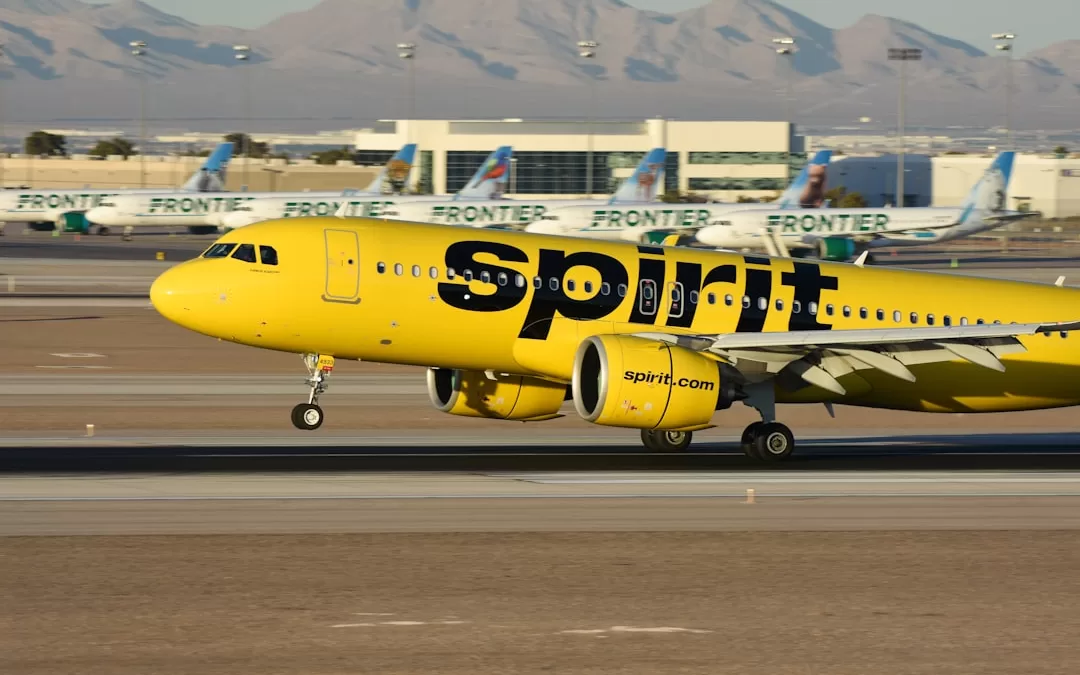
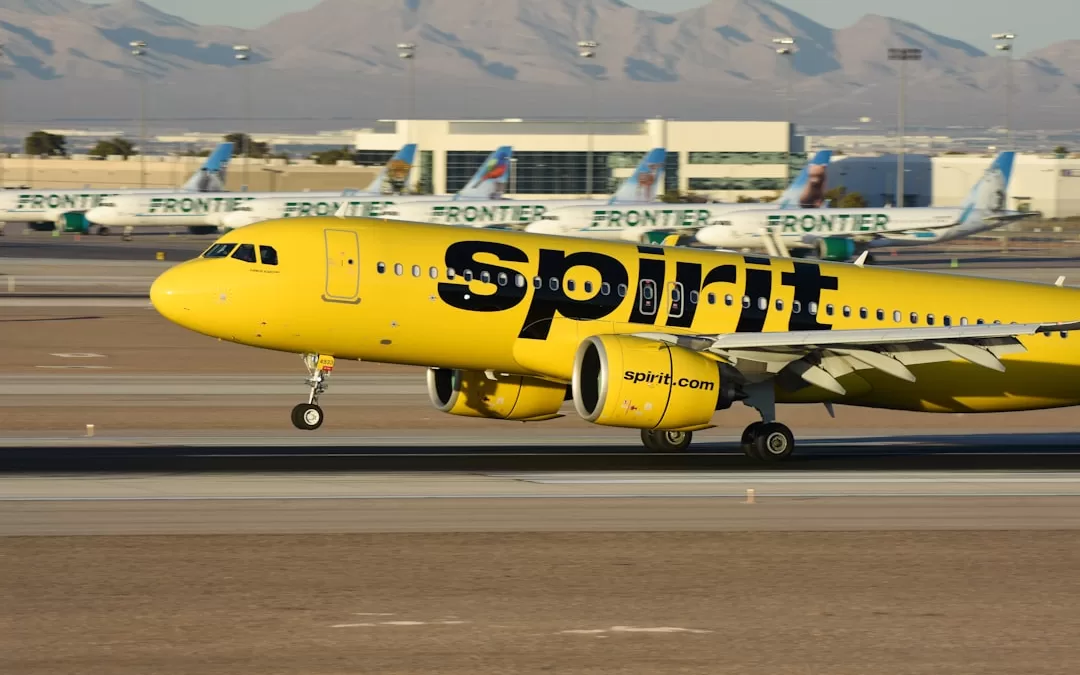
The airline industry is constantly evolving, and travelers must stay alert to new route adjustments that can impact vacation plans and budgets alike. Recently, Spirit Airlines made headlines by cutting four key routes to popular holiday destinations, reshaping travel behavior for thousands of cost-conscious fliers. This latest development offers insight into changing route economics, shifting traveler demand, and how Spirit’s budget model continues to adapt post-pandemic.

In this guide, we’ll break down the implications of Spirit’s route cuts, explore available refund options for affected passengers, and assess what this decision says about the broader airline market. From analyzing traffic trends to offering practical advice for travelers navigating schedule changes, this detailed overview gives you everything you need to stay informed and ready for your next trip. The full original report from Yahoo Finance can be found here.

Spirit Airlines Route Cuts: What Travelers Need to Know

Budget carrier Spirit Airlines has made a strategic decision to discontinue four routes that serve holiday and leisure cities. According to airline data and recent reports, these cuts reflect operational realignments driven by aircraft availability, fuel cost fluctuations, and a renewed focus on high-yield markets. As air travel demand stabilizes, Spirit continues to optimize its network to reinforce profitability.

Which Routes Are Affected?

  • Several popular vacation destinations—including routes servicing coastal and sunbelt regions—are affected.
  • Passengers who had existing bookings are being notified directly through Spirit’s communication channels.
  • Full refunds and rebooking assistance are being provided as part of the airline’s customer protection measures.

Why Spirit Is Making These Changes

Spirit’s low-cost model relies heavily on aircraft efficiency and route density. When certain routes underperform or experience seasonal drops, the airline reallocates capacity to busier destinations. This helps maintain competitive fares while reducing operational losses. For travelers, however, the sudden changes can create temporary disruptions in vacation plans.

Refunds and Passenger Rights: Getting Your Money Back

Whenever an airline cancels a route, the U.S. Department of Transportation requires that customers receive full refunds for unused tickets. Spirit Airlines has confirmed compliance with these standards, offering passengers several options to recover costs or rebook alternate travel.

Refund Options You Can Choose

  1. Full refund: Passengers can request money back to their original payment method.
  2. Flight credit: Some travelers prefer an airline credit, valid for future bookings across Spirit’s network.
  3. Alternate travel: Spirit offers to rebook passengers on nearby routes or different dates, depending on seat availability.

To ensure efficiency, passengers should act quickly after receiving cancellation notifications. Booking changes or refund requests can usually be processed directly through Spirit’s website or customer service portal.

Impact on Budget Travelers and Seasonal Demand

Spirit’s decisions ripple beyond its immediate customers, affecting prices, availability, and travel itineraries across connected markets. Budget travelers often depend on carriers like Spirit to maintain affordable access to leisure destinations. With fewer low-cost seats available, ticket prices on competing airlines might increase temporarily until market equilibrium is restored.

Seasonal Demand Trends

The timing of these route cuts suggests a strategic adjustment to off-peak travel periods. Holiday destinations typically see demand spikes during school breaks and major public holidays, while quieter months lead to sharp declines. By shifting capacity from underperforming routes to stronger markets, Spirit aims to stabilize yield and reduce overhead costs.

Alternative Carriers and Travel Strategies

  • Compare fares with other budget airlines such as Frontier or Allegiant for similar routes.
  • Consider nearby alternate airports that may still offer low-cost options.
  • Use fare alerts to track last-minute deals after route realignments, as competing carriers often adjust prices dynamically.

Airline Industry Insights: What Spirit’s Cuts Reveal About Market Trends

The route adjustments at Spirit offer more than operational data—they reflect broader dynamics at play in the post-pandemic aviation sector. Airlines across categories are navigating a new balance between demand recovery, fuel cost volatility, and pilot availability. The low-cost airline model, in particular, is undergoing recalibration to sustain profitability amid these evolving conditions.

Fleet Optimization and Staffing

Spirit operates primarily with a fleet of Airbus A320-family aircraft, known for fuel efficiency and operational reliability. However, fleet and crew availability can trigger route reassignments when scheduling becomes constrained. Recent delays in aircraft deliveries have compounded these operational choices, pushing carriers to refine their route priorities.

Pricing Adjustments and Ancillary Revenue

Airlines like Spirit depend on ancillary revenue—fees for baggage, seat selection, and onboard services—to maintain low base fares. By cutting underperforming routes, Spirit can better allocate these resources toward high-yield destinations where ancillary sales are stronger. These shifts ultimately influence how pricing structures evolve across the industry.

How Travelers Can Adapt to Route Changes

When a preferred flight is no longer available, flexibility becomes a traveler’s greatest ally. Here’s how to stay proactive and minimize disruptions when an airline like Spirit adjusts its network:

  • Book flexible fares: Selecting options that allow no-penalty changes provides peace of mind during volatile periods.
  • Review travel insurance: Policies covering cancellations can offset unexpected expenses.
  • Plan alternate gateways: Choosing nearby airports expands flexibility and can sometimes lead to savings.
  • Leverage loyalty programs: Frequent flyer points may allow you to rebook with minimal cash outlay.

Tools for Staying Updated

Modern flight tracking platforms and airline apps offer near real-time updates on cancellations and alternative options. Subscribing to alerts from official channels ensures you receive the latest information directly as Spirit continues to refine its schedule and services.

Looking Ahead: What Spirit’s Strategy Signals About 2025 Travel Trends

Spirit’s latest flight cancellations underline a critical moment for the U.S. budget airline sector. The decision reflects an industry still recalibrating after years of unpredictable travel demand swings and evolving passenger expectations. As competition for leisure travelers intensifies, route selection and pricing flexibility will be key differentiators in attracting customers.

Emerging Travel Patterns

Travel demand is shifting toward shorter, regional getaways and secondary cities, where affordability plays a central role. Airlines that can efficiently serve these markets while maintaining cost discipline are better positioned to thrive. Spirit’s realigned network may ultimately set the stage for steadier growth ahead.

Lessons for Travelers

For fliers, these changes underscore the importance of adaptability and awareness. Staying informed through channels such as airline press releases, travel blogs, and media reports—including the detailed Yahoo Finance coverage available here—helps you make confident booking decisions and minimize travel friction.

Conclusion: Staying Ahead in a Changing Airline Landscape

As the aviation world evolves, route adjustments like Spirit’s four holiday city cuts demonstrate how airlines are redefining efficiency and profitability. For budget-conscious travelers, these updates serve as timely reminders to confirm bookings early, consider refundable options, and keep informed about airline network shifts. Though adjustments may cause short-term inconvenience, they also hint at a more resilient and data-driven era in air travel.

In a marketplace where routes and fares can fluctuate rapidly, awareness is your best travel tool. Following current airline news and understanding refund rights ensures you not only save money but also maintain flexibility for every journey ahead. Stay informed, stay flexible, and let industry insight guide your next boarding pass.

Continue your reading here My Flight One Travel Blog
Enjoy our game while waiting for your flight Fly the plane by My Flight One

Spirit Airlines Shakes Up Routes: What Travelers Should Know

Spirit Airlines Shakes Up Routes: What Travelers Should Know

Airline industry shake-ups continue to make headlines, and the latest announcement from Spirit Airlines has caught the attention of budget-conscious travelers nationwide. In a move that reflects evolving travel demand patterns and operational changes, Spirit has decided to cut four major routes that connect travelers to popular holiday destinations. The decision affects several high-traffic vacation markets and has sparked discussions around airline strategy, passenger rights, and the impact on budget travel options. According to the original report, affected travelers will be eligible for full refunds and travel reimbursements where applicable.

This news underscores the dynamic nature of the travel industry, where route adjustments often signal larger market trends. In this detailed analysis, we’ll explore what Spirit Airlines’ route cuts mean for travelers, the reasons behind the strategic decision, and how passengers can best navigate cancellations while maximizing their refund or rebooking opportunities. Readers will also gain insight into how such changes could influence holiday travel planning in 2024 and beyond.

Spirit Airlines Route Cuts: What Travelers Need to Know

Spirit Airlines has announced that it will discontinue four routes connecting to sought-after holiday cities. Although the airline is known for its low-cost fares and extensive domestic network, operational adjustments like these are part of how mid-tier carriers adapt to market demand, rising costs, and evolving traveler preferences.

The Routes Affected

While the affected routes vary by region, they generally involve destinations that serve as major seasonal hubs for leisure travelers. These could include cities popular for beach getaways, family vacations, and festive events, which have seen fluctuating ticket demand over recent months. According to initial data, these routes will cease operation by the end of the current quarter.

Refund Policies and Passenger Rights

Spirit has confirmed that passengers holding tickets for canceled flights will be entitled to a full refund or the option to modify their travel plans. Under federal travel regulations, airlines are obligated to either rebook passengers on alternate flights or issue refunds if cancellations occur due to airline operational decisions rather than weather-related disruptions. This is good news for consumers, especially those who rely on Spirit’s affordability for holiday travel.

Timing and Communication

The airline has already started notifying affected passengers via email and mobile alerts. Travelers are encouraged to respond quickly to these notifications to secure the best rebooking options or ensure smooth refunds. For those who booked through third-party platforms or travel agencies, direct communication with point-of-sale vendors is also recommended to expedite processing.

Why Airlines Cut Routes: Understanding the Strategic Reasons

Route cancellation decisions may appear sudden from a consumer standpoint, but they are often based on complex strategic and financial considerations. Spirit Airlines’ route cuts can be analyzed through multiple lenses: cost management, market trends, and fleet optimization.

Cost and Profitability Adjustments

Operating flights on lightly booked routes can be financially unsustainable for carriers striving to maintain competitiveness in the low-cost segment. Airlines regularly assess route profitability, considering variables like fuel prices, crew expenses, airport fees, and seasonal demand. When expenses outweigh potential margins, canceling underperforming routes becomes a necessity rather than an option.

Fleet Realignment and Maintenance Cycles

Airlines often shuffle fleet resources to meet demand in lucrative markets. Aircraft may be reassigned to more profitable or strategically vital routes, where ticket prices, load factors, and demand stability justify operational costs. Scheduled maintenance and fleet upgrades also play roles in determining route availability during certain periods.

Changing Traveler Preferences

Post-pandemic, traveler behavior has become increasingly dynamic. With remote work flexibility and hybrid schedules, peak travel seasons now blend differently throughout the year. Spirit’s adjustments reflect a recalibration toward destinations with consistent performance, particularly where leisure travel remains steady year-round.

Impact on Holiday Travelers and Popular Destinations

The timing of these route cuts coincides with vacation planning for the upcoming holiday season. Many travelers typically book Spirit flights months in advance, taking advantage of early deals. The cancellation of routes to holiday hotspots may create both challenges and new opportunities.

Potential Travel Disruptions

For those whose itineraries are affected, canceled flights may require significant itinerary changes. However, the airline’s proactive refund and rebooking policy should minimize widespread inconvenience. Travelers are advised to verify their travel status early to explore alternate routes while affordable options remain available.

Regional Tourism Implications

Local economies that depend on seasonal travel influxes, such as beach towns or resort destinations, may experience mild short-term slowdowns due to reduced visitor volume. However, other airlines could fill the service gap, mitigating long-term tourism impacts.

Opportunity for Competitors

Competing low-cost carriers like Frontier, JetBlue, or Southwest may seize this opportunity to expand operations on the affected routes. When one airline exits a particular market, rivals often adjust capacity to accommodate displaced passengers, sometimes leading to competitive fare pricing that benefits consumers.

How Travelers Can Navigate Cancellations and Secure Refunds

If you are among the passengers affected by Spirit Airlines’ schedule changes, understanding how to efficiently manage refunds or rebooking will help you save time and money.

Step-by-Step Guide to Requesting a Refund

  1. Locate your booking confirmation and flight details.
  2. Visit Spirit Airlines’ official website and access the “My Trips” section.
  3. Follow the prompts to request cancellation and refund options.
  4. Check your email regularly for refund confirmation and status updates.
  5. Allow the standard processing window (typically 7–14 business days) for credit card refunds.

Exploring Rebooking Alternatives

  • Consider adjusting your itinerary to nearby airports within driving distance.
  • Evaluate competing airlines’ routes for overlapping destinations.
  • Sign up for fare alerts to catch competitive rebooking discounts.
  • Use credit-card travel protections if you booked using premium cards that offer cancellation coverage.

Customer Support Channels

Spirit Airlines offers multiple support options, including live chat, phone assistance, and airport help desks. Travelers should also review Spirit’s online FAQs for route-specific information and expected refund processing times.

Long-Term Implications for Budget Airlines and the Travel Industry

Spirit’s route optimization highlights an important aspect of modern air travel: the balance between affordability and operational efficiency. As budget airlines reconfigure their schedules, the ripple effects extend across the travel ecosystem.

Shift Toward Strategic Route Management

Low-cost carriers are increasingly using data analytics to determine profitable routes, adjusting network plans more frequently than in past years. This trend enables flexibility but also introduces volatility for consumers who depend on predictable travel schedules.

Competition and Market Realignment

Industry analysts suggest that market competition among budget carriers will intensify. Spirit’s scaled-back routes could encourage other airlines to expand service to those cities, fostering new promotional battles and airfare discounts.

Consumer Adaptation and Planning

Frequent flyers and vacation planners may adapt by diversifying their airline preferences or booking more flexible tickets. Travel insurance policies that cover airline operational changes are also becoming increasingly popular among frequent travelers.

Future Outlook: What to Expect from Spirit Airlines and Budget Travel Trends

Spirit has established itself as a resilient player in the budget airline market, consistently experimenting with fare structures and loyalty programs. Though cutting routes may seem like a setback, it likely signals a recalibration toward profitability and customer satisfaction.

Focus on Core Routes

Spirit is expected to reinforce its operations on high-demand domestic and Caribbean routes, which have historically performed well. Consolidating flight frequency on successful routes can improve on-time performance and enhance resource utilization.

Enhancing Customer Experience

As refund and service efficiency become major differentiators, Spirit’s commitment to honoring refunds and proactive communication could improve its brand perception among travelers. This transparency boosts consumer confidence and positions the airline favorably for future route expansions.

Budget Travel Resilience

Despite operational turbulence, consumer appetite for low-cost travel remains strong. Budget airlines continue to democratize air travel, making destinations accessible to millions of travelers who might otherwise find flying cost-prohibitive. With advanced route management and demand-based adjustments, Spirit and similar carriers are expected to rebound stronger in the mid-term.

Conclusion: What Spirit Airlines’ Route Adjustments Mean for Your Travel Plans

Spirit Airlines’ decision to cut four routes to holiday cities showcases the constant evolution of the aviation landscape. Travelers can take comfort in the fact that full refunds and flexible rebooking options are available. The key takeaway is clear: staying informed, adaptable, and proactive allows you to navigate route changes without compromising your travel goals.

For the most up-to-date details on affected flights and refund eligibility, refer to the original article. As the travel market continues to evolve, understanding these developments empowers travelers to make smarter choices and plan journeys with confidence.

Unlock Cheap Adventures With Skyscanner’s Smart Planner

Unlock Cheap Adventures With Skyscanner’s Smart Planner

Stretching your holiday budget while still enjoying memorable travel experiences has never been easier. With tools like Skyscanner’s latest cheap trip planner, travelers can now explore an intelligently curated list of affordable destinations that help them make the most out of every travel dollar. This revolutionary platform analyzes millions of flight and accommodation options across the globe, ensuring that you find the best deals wherever your wanderlust takes you.

In this guide, we’ll explore how to use Skyscanner’s new feature effectively, share practical tips on budget travel planning, and delve into strategies for securing the best travel deals. Whether you’re a spontaneous traveler looking for last-minute trips or someone who meticulously plans every journey months in advance, this article will show you how to stretch your holiday budget further using advanced travel planning tools.

By the end, you’ll not only understand what makes this platform so powerful but also how to turn bargain hunting into an art form—ensuring every trip you take offers maximum value for your money.

How Skyscanner’s Cheap Trip Planner Works

Data-Driven Travel Planning

Skyscanner’s new tool operates on a data-intensive model, designed to analyze airfare trends, seasonal fluctuations, and traveler demand patterns. The platform dynamically identifies the cheapest travel destinations based on your origin city and preferred travel dates. This means you no longer have to manually search multiple destinations and compare prices—it’s all done in seconds.

Smart Destination Recommendations

The planner suggests budget-friendly getaways using a combination of real-time pricing data and travel algorithms. It doesn’t just give you a list of cheap flights—it helps you find destinations that match your budget and interests. For instance, if flights to Southeast Asia are trending low, you’ll receive personalized recommendations that highlight cities, attractions, and travel deals there.

Easy Integration With Booking Platforms

Once you find a destination that fits your financial goals, Skyscanner allows direct integration with flight and accommodation booking. This seamless process minimizes the time and effort you spend switching between websites while ensuring you don’t miss out on limited-time deals.

Benefits of Using a Cheap Trip Planner

Save Time and Money

Instead of sifting through endless flight search engines, a cheap trip planner consolidates data to find the best available prices. It handles all the comparison work, identifying cost-effective routes and helping you capitalize on fleeting discounts before they disappear.

Discover Unexpected Destinations

One of the most exciting parts of using an AI-powered planner is discovering new travel opportunities you might not have considered. If you’re flexible with your destination, this tool broadens horizons by suggesting underrated cities and countries that fit your budget. This helps foster a more adventurous and spontaneous style of travel while keeping costs low.

Plan Around Your Budget

Whether you have €300 or €3,000 to spend, the planner tailors options to suit your financial limits. This means travelers can filter destinations by cost rather than location, making the process feel more personalized and empowering.

Expert Tips for Stretching Your Holiday Budget

Book During Off-Peak Seasons

Traveling outside of peak seasons offers numerous benefits—from cheaper flights to available accommodations and less crowded attractions. Use Skyscanner’s data insights to locate regions where prices dip during shoulder seasons. For example, traveling to southern Europe during early spring or late autumn can yield massive savings without sacrificing sunshine or charm.

Leverage Price Alerts

Set up price alerts within Skyscanner to receive instant notifications when airfare to your selected destinations drops. This proactive approach allows you to book flights at their lowest points, ensuring that you never miss an opportunity to travel cheaply.

Combine Flight and Accommodation Deals

Bundle discounts are a proven method for stretching your travel fund. Many booking platforms, including Skyscanner partners, provide discounts for simultaneous booking of flights and hotel stays. It’s a small change that can translate into significant cost reductions.

Use Points and Loyalty Programs

While cheap trip planners focus on cash savings, combining them with loyalty programs multiplies your benefits. Redeem airline miles or credit card reward points alongside discounted rates to unlock even better deals—particularly for long-haul or multi-city itineraries.

Maximizing the Value of Your Budget Trips

Pick Destinations With Lower Daily Costs

Beyond airfare, your travel budget is influenced by daily living expenses such as meals, transport, and activities. Opting for destinations with lower costs of living—such as Eastern Europe, Latin America, or Southeast Asia—can allow you to travel longer without exceeding your budget.

Use Local Transportation

Skip expensive taxis and embrace local transport. Buses, trains, and carpooling services often provide not just savings but also cultural immersion. Many travelers find that exploring by local transit allows for richer interactions and a deeper understanding of local life.

Enjoy Free and Low-Cost Experiences

Every city has a selection of free attractions such as museums, walking tours, and festivals. Research local events before you travel and structure your itinerary around cost-effective experiences. These often deliver more authentic memories than pricey tourist traps.

Emerging Trends in Budget Travel and Technology

Smarter Algorithms, Smarter Travel

Artificial intelligence continues to redefine how travelers discover and book holidays. Modern systems identify patterns—like fare drops or destination popularity shifts—before human users even notice. As tools like Skyscanner’s planner evolve, travelers will enjoy predictive insights guiding their spending decisions.

Personalized Sustainability Options

Many travelers now seek eco-friendly budget travel. Platforms are beginning to display greener transport choices and accommodations that align sustainability with savings. This dual approach enables travelers to make responsible decisions without stretching their wallets.

Cross-Platform Integration

The next phase of cheap travel planning lies in the integration between different apps—combining transport, accommodation, insurance, and experience bookings in a unified digital dashboard. This seamless connectivity simplifies trip management and keeps your budget under control from start to finish.

How to Turn Cheap Travel Into a Lifestyle

Adopt a Flexible Mindset

Embracing a flexible travel philosophy is the real key to consistent savings. When you remain open to different destinations and dates, you maximize the potential for low fares. Skyscanner’s planner empowers this mindset by continuously showcasing the best options available based on real-time pricing.

Set Clear Priorities

Knowing what matters most to you—comfort, culture, cuisine, or adventure—helps fine-tune your travel budget. Allocate funds accordingly. For instance, if your goal is to experience diverse cuisines, spend moderately on flights and more on local dining opportunities.

Track and Learn From Each Trip

Maintain a post-trip review of your expenses and experiences. Analyzing patterns in your spending will help you refine your budgeting strategy for future travels. Over time, you’ll naturally become more intuitive about when to book, where to go, and how to allocate your funds.

Conclusion: Your Gateway to Affordable Adventure

The world of budget travel is transforming through intelligent tools like Skyscanner’s cheapest destination planner, empowering travelers to explore more for less. By combining technology with smart money habits, you can make informed decisions that open up new horizons without compromising on experience or comfort.

Whether you dream of backpacking across continents or enjoying a spontaneous weekend escape, harnessing these AI-driven tools ensures every euro counts. Start planning today, and let your next adventure prove that affordable travel is not only possible but endlessly rewarding.

Continue your reading here My Flight One Travel Blog
Enjoy our game while waiting for your flight Fly the plane by My Flight One

Midwest Adventures That Won’t Break the Bank

Midwest Adventures That Won’t Break the Bank

Exploring the American Midwest doesn’t have to empty your wallet. Known for its vast landscapes, friendly locals, and hidden gems, the Midwest offers some of the most affordable travel experiences in the United States. Whether you’re into vibrant city life, scenic outdoor adventures, or rich cultural heritage, budget-conscious travelers can uncover extraordinary destinations that deliver excellent value. In this guide, inspired by the round-up from GoBankingRates’ list of the 24 Most Budget-Friendly Midwest Tourist Destinations, we’ll explore how you can experience the region’s best attractions without overspending.

This post dives deep into where to go, what to do, and how to stretch your dollar while discovering the Midwest’s charm. You’ll learn practical travel tips, cost-saving hacks, and insider recommendations for maximizing your adventure. Let’s take a closer look at the most affordable Midwest tourist destinations that promise memorable experiences at a fraction of the price.

1. Why the Midwest is a Top Pick for Budget Travelers

The Midwest has long been overlooked in favor of expensive coastal cities, but it’s fast becoming a sought-after hub for budget-friendly tourism. With lower hotel rates, free attractions, and local hospitality, this region offers an unmatched cost-to-value ratio.

Affordable Living, Big Experiences

Unlike tourist-heavy areas where a single dinner can rival your day’s budget, Midwestern cities and small towns deliver high-quality experiences for a fraction of the cost. From Kansas City’s jazz-filled streets to Minneapolis’s free museums, affordability meets offering quality.

Ease of Access and Lower Travel Costs

Airfare and fuel prices tend to be lower for Midwest travel compared to other U.S. regions. In addition, major interstates and Amtrak routes make reaching destinations simple and cost-effective for families and solo travelers alike.

2. Top Budget-Friendly Midwest Destinations to Visit

Each Midwest city offers something distinct—whether it’s culinary exploration, outdoor recreation, or cultural history. Below are some of the region’s shining stars for affordable getaways.

Chicago, Illinois – Urban Adventure Without the Expense

Chicago may seem glamorous, but travelers can explore this metropolis without breaking their budget. The city’s free attractions like Millennium Park, Navy Pier, and numerous lakefront beaches offer entertainment at no cost. Local food staples such as deep-dish pizza and Chicago-style hot dogs deliver authentic tastes on a dime.

Kansas City, Missouri – Music and Barbecue Heaven

Kansas City balances rich history and flavorful eats with incredible value. Affordable jazz clubs, interactive museums, and world-famous barbecue joints make it one of the Midwest’s most wallet-friendly cities. Don’t miss Union Station’s free exhibits or picnic at Loose Park Gardens.

Duluth, Minnesota – Scenic Shores of Lake Superior

Nature lovers will adore Duluth’s unbeatable access to Lake Superior’s coastline. Hiking trails, stunning overlooks, and low-cost lodging make this a perfect weekend escape. Many attractions, such as the Lakewalk, aerial lift bridge, and Canal Park, can be enjoyed completely free.

Madison, Wisconsin – Small City, Big Personality

Madison combines college-town energy with Midwestern charm. Budget travelers can stroll around the Wisconsin State Capitol, rent inexpensive bikes to tour the lakes, and enjoy local farmers’ markets brimming with produce and live music—all for minimal costs.

Indianapolis, Indiana – Cultural Heart on a Budget

Known as the “Crossroads of America,” Indianapolis wins visitors over with affordable entertainment. The city’s Canal Walk, free art galleries, and reasonably priced sports attractions ensure your itinerary stays exciting and cost-effective. Try local diners and indie breweries to experience authentic flavors without overpaying.

3. Budget-Friendly Outdoor Escapes and Natural Sites

Many of the Midwest’s best kept secrets lie off the beaten path, where state parks, lakes, and scenic byways provide a nature-filled retreat. Outdoor lovers will find opportunities to hike, bike, kayak, and camp affordably across the region.

Wisconsin Dells, Wisconsin – Waterpark Capital of the World

This affordable family getaway is filled with activities, from waterparks to river boat tours. Visit during spring or fall to save big on accommodation. Nearby natural wonders like Devil’s Lake State Park offer affordable outdoor adventures for all ages.

Hocking Hills, Ohio – Natural Retreat for the Soul

Just a few hours from Columbus, Hocking Hills delivers spectacular caves, waterfalls, and forest trails. Entry is free for many areas, and travelers can camp or rent cozy cabins for affordable extended stays.

Sleeping Bear Dunes, Michigan – Lake Michigan’s Golden Coast

Considered one of America’s most scenic sites, Sleeping Bear Dunes combines sand dunes, hiking loops, and panoramic lake views. Entry fees are minimal, and if you visit during off-season months, you can expect further savings on accommodations.

4. How to Save Money While Traveling in the Midwest

Getting more travel for less money requires planning and a few smart decisions. These strategies will help stretch your budget while still enjoying top-notch Midwest experiences.

Travel During Off-Peak Seasons

The biggest savings come from scheduling your trip outside summer and major holiday periods. Spring and fall often bring reduced hotel rates, thinner crowds, and still-beautiful scenery.

Use Local Transit and Walking Routes

Many Midwest cities are pedestrian-friendly, with efficient public transit systems. Opt for a weekend bus or bike pass to save on fuel and parking costs while getting immersed in the local scene.

Book Lodging Wisely

Instead of staying in downtown hotels, consider accommodations outside city centers. Short-term rentals, hostels, and locally owned inns often provide free breakfast and extra perks that help you cut costs.

Dine Like a Local

Skip chain restaurants and go for local diners or food trucks. Midwest comfort food—from hearty stews to handmade pastries—offers authentic flavor and larger portions at affordable prices. Visiting farmers’ markets can also give you fresh, low-cost ingredients for DIY picnics.

Leverage Free Attractions

Many museums, historic landmarks, and music events throughout the Midwest are free or donation-based. Check community calendars for festivals, open-air concerts, and cultural exhibits that won’t cost a dime.

5. Unique Cultural and Historical Attractions on a Budget

Travel in the Midwest has a deep connection with history and culture—from pioneer museums to architecture tours—but enjoying it doesn’t mean splurging. Budget travelers can explore unique, meaningful experiences that tell the story of America’s heartland.

St. Louis, Missouri – Gateway to the West

St. Louis is a must-see for those who appreciate architecture and cultural history. Admission to the Gateway Arch National Park is low-cost, and the St. Louis Zoo and Art Museum are completely free. For extra charm, explore local blues bars that feature live performances with no cover charges.

Cleveland, Ohio – Music and Museums on a Budget

Home to the Rock & Roll Hall of Fame, Cleveland also offers numerous affordable museums and lakefront parks. Free days at select cultural centers and discounted passes make it a budget-savvy travel spot for history and art lovers.

Omaha, Nebraska – Affordable Midwestern Hospitality

Omaha’s Old Market district brims with character—brick streets, galleries, and cozy cafes. You can explore botanical gardens, river walks, and live music venues without overspending. Family-friendly attractions like the Henry Doorly Zoo offer combination ticket deals for greater value.

6. Planning the Perfect Low-Cost Midwest Getaway

When mapping out your Midwest adventure, flexibility and research are key. Planning early ensures the best deals on accommodations and transport while still giving you a chance to experience seasonal highlights.

Build a Flexible Itinerary

Keep your plans open for spontaneous stops or route changes. Many small towns host seasonal festivals and craft fairs that add unexpected charm to your trip at little or no cost.

Pack Smart for Savings

Avoid unnecessary purchases by packing essentials like refillable water bottles, reusable bags, and picnic gear. Many Midwest attractions encourage eco-friendly options, which usually double as cost-saving measures.

Maximize Group Travel Benefits

Traveling with friends or family allows you to split expenses on car rentals, lodging, and meals. Many attractions also offer group discounts, so taking a collective approach can enhance both savings and experience.

Conclusion: Experience the Midwest’s Beauty Without Breaking the Bank

The Midwest’s blend of affordability, cultural richness, and natural beauty makes it one of the smartest choices for cost-conscious travelers. From scenic national parks to vibrant, history-filled cities, the region proves that remarkable adventures don’t have to come with a high price tag. Each destination on this list allows you to experience genuine hospitality and diverse attractions—without the financial strain.

With smart planning, you can embrace all that America’s heartland offers—from lakeside sunsets in Michigan to urban exploration in Chicago—and still stay well within your budget. Inspired by GoBankingRates’ curated list of budget-friendly destinations, this travel approach ensures you make meaningful memories for less. The Midwest welcomes you with open arms—and open savings.

Continue your reading here My Flight One Travel Blog
Enjoy our game while waiting for your flight Fly the plane by My Flight One