

7 Eurostar Destinations from London Worth the Trip

7 Eurostar Destinations from London Worth the Trip

Traveling across Europe by train is no longer just a budget-friendly choice—it has become one of the most eco-conscious, comfortable, and time-efficient ways to explore the continent. Thanks to the convenience of the Eurostar, more travelers than ever before are opting to skip the airport queues and enjoy a seamless rail journey directly from London to some of Europe’s most beloved cities. In this article, we explore seven incredible holiday destinations you can reach on the Eurostar from London, inspired by a travel feature in The Independent’s travel feature. Journey times below are the ones Eurostar publishes; times vary by train, so check the timetable for your date.

Whether you’re in the mood for a romantic getaway, a gastronomic adventure, or a cultural deep dive, these top Eurostar destinations offer a perfect blend of charm, convenience, and discovery. From art-filled avenues in Paris to sun-drenched beaches in the south of France, this guide will inspire your next sustainable, stress-free European escape.

Eurostar Destinations: Quick Answers

Where can you go on the Eurostar?

Eurostar connects five countries: the UK, France, Belgium, the Netherlands and Germany, with up to 24 destinations on its own network. From London St Pancras, trains run direct to Paris, Lille, Brussels, Rotterdam and Amsterdam. Antwerp, Liège, German cities, the south of France and the Alps are reached with a change or on seasonal trains.

Source: Eurostar, “Our network”, checked October 18, 2026.

Does the Eurostar go direct from London to Amsterdam?

Yes. Since 15 December 2025, Eurostar has scheduled five direct trains a day in each direction between London St Pancras and Amsterdam Centraal, stopping at Rotterdam Centraal on the way. Other London–Amsterdam journeys involve a change in Brussels, so check whether your train is marked direct before you book.

Source: Eurostar Media Centre, London–Amsterdam timetable announcement, checked October 18, 2026.

Where in France does the Eurostar go?

Direct from London, Eurostar serves Paris Gare du Nord and Lille Europe. Beyond those, you can book connecting journeys to more than 100 destinations in France on SNCF TGV INOUI trains, including Disneyland® Paris via Lille and, in winter, ski stations in the French Alps on Eurostar Snow.

Source: Eurostar, “Our network”, checked October 18, 2026.

Can you take the Eurostar to the south of France?

Not directly this year: Eurostar says its “Eurostar Sun” trains are not running. You can still reach Avignon, Valence, Marseille or Aix-en-Provence by changing to an SNCF train in Brussels, Lille or Paris. As a guide, Eurostar quotes Brussels to Marseille from about 5 hours 41 minutes with a connection.

Source: Eurostar, Brussels to Marseille, checked October 18, 2026.

Does the Eurostar go to Germany?

Yes, but not direct from London. Eurostar’s continental trains serve Liège, Aachen, Cologne, Düsseldorf, Duisburg, Essen and Dortmund, so from London you change, usually in Brussels. On Eurostar’s timetable, a Brussels departure at 17:25 reaches Cologne at 19:15, about 1 hour 50 minutes, before continuing to Düsseldorf and beyond.

Source: Eurostar timetable (Paris–Brussels–Cologne–Düsseldorf service), checked October 18, 2026.

How early should you arrive for the Eurostar?

For trains to or from London, arrive at the time printed on your ticket, which allows for ticket, security and border checks. Eurostar closes ticket checks 30 minutes before departure (15 minutes for Eurostar Premier), and asks travellers not to arrive just before that cut-off. The time on your ticket also covers EU Entry/Exit System registration where it applies.

Source: Eurostar Help Centre, “What time should I arrive at the station?”, checked October 18, 2026.

The Eurostar Network at a Glance

Eurostar runs high-speed trains across five countries: the United Kingdom, France, Belgium, the Netherlands and Germany. Since Eurostar and Thalys merged, the continental trains linking Paris, Brussels, Amsterdam and Germany also run under the Eurostar name.

  • Direct from London St Pancras: Paris Gare du Nord, Lille Europe, Brussels-Midi/Zuid, Rotterdam Centraal and Amsterdam Centraal.
  • With a change (usually in Brussels): Antwerp and Liège in Belgium, and Cologne, Düsseldorf, Aachen, Dortmund, Essen and Duisburg in Germany.
  • Disneyland® Paris: there is currently no direct train from London; Eurostar sells journeys via Lille.
  • South of France: Eurostar is not running its direct “Eurostar Sun” trains this year. You can still reach Avignon, Valence, Marseille or Aix-en-Provence by changing to a connecting SNCF train in Brussels, Lille or Paris.
  • Switzerland and beyond: Eurostar books connections to Geneva, Lausanne, Basel and Zurich (TGV Lyria), to more than 100 destinations in France (TGV INOUI) and to 99 in Belgium (SNCB).
  • Winter ski trains: Eurostar Snow runs on Saturdays in the winter months to the French Alps, stopping at Chambéry, Albertville, Moûtiers, Aime-la-Plagne, Landry and Bourg-Saint-Maurice. Check eurostar.com for this season’s dates.

Network details checked on October 17, 2026 on Eurostar’s official sites (eurostar.com, help.eurostar.com and press.eurostar.com). Routes and timetables change, so confirm on eurostar.com before you book.

Paris, France – The Ultimate Eurostar Getaway

No list of Eurostar holiday destinations would be complete without mentioning Paris. In around two and a half hours, travelers can journey from London St Pancras to the heart of the City of Light. The train arrives at Gare du Nord, perfectly positioned for exploring everything from the romantic Seine riverbanks to the bohemian charm of Montmartre.

Why Paris Wins Every Time

  • Accessibility: Seamless connections from Gare du Nord to the city’s major attractions.
  • Culture: Visit iconic landmarks like the Louvre, Notre Dame, and Musée d’Orsay.
  • Food: Indulge in world-class French cuisine at picturesque cafés or Michelin-starred restaurants.

Paris is a natural choice for both first-time travelers and seasoned Eurostar regulars. Whether it’s a weekend escape or a longer stay, this city’s art, history, and effortless style never go out of fashion. Flying onward from France? Browse our latest flight deals from Paris.

Brussels, Belgium – Chocolate, Beer, and Culture Combined

About two hours from London (Eurostar quotes a typical 1 hour 53 minutes), Brussels offers the ultimate fusion of cosmopolitan flair and old-world charm. Known for its intricate architecture and political significance as the de facto capital of the European Union, Brussels is also a haven for food lovers and craft beer enthusiasts.

Top Things to Do in Brussels

  1. Take a stroll through the Grand Place, one of Europe’s most beautiful squares.
  2. Sample irresistible Belgian waffles, pralines, and artisanal beers.
  3. Explore the Atomium and its futuristic architecture.

With quick train connections to other Belgian cities like Ghent and Bruges, Brussels also serves as the perfect base for further exploration.

Amsterdam, Netherlands – Canals, Culture, and Creativity

In around four hours (Eurostar quotes 4 hours 19 minutes on its direct trains), the Eurostar connects London directly to Amsterdam Central Station, landing you in the midst of a city defined by its artistic energy, canalside beauty, and warm hospitality. Ideal for cyclists, artists, and free spirits, Amsterdam offers an urban experience that’s both laid-back and inspiring.

Must-See Highlights

  • Visit world-class museums, including the Rijksmuseum and Van Gogh Museum.
  • Cruise the UNESCO-listed canals at sunset.
  • Explore trendy districts like De Pijp and Jordaan for vibrant food and shopping scenes.

Amsterdam by Eurostar is perfect for travelers seeking cultural discovery without the hassle of airport transfers—simply board in London and arrive city-center ready.

Lille, France – Short, Sweet, and Sophisticated

Looking for a quick European escape? Lille is one of the most efficient Eurostar weekend getaways available, with a travel time of under 1 hour 30 minutes from London. This northern French city is bursting with Flemish flair, baroque architecture, and modern art culture.

Why Lille Should Be on Your List

  • Less crowded but equally as charming as Paris.
  • Fabulous food markets and French–Belgian fusion dining.
  • A rich arts scene, with highlights like La Piscine Museum and Palais des Beaux-Arts.

Because of its proximity, Lille is ideal for spontaneous trips—perfect for travelers who want a quick taste of France without extensive planning.

Rotterdam, Netherlands – Modern Architecture Meets Urban Energy

While many travelers flock to Amsterdam, Rotterdam stands out as a bold, contemporary counterpart. It’s reached directly from London in just over three hours on the same Eurostar line that continues to Amsterdam, making it one of Europe’s most exciting emerging destinations.

Explore Rotterdam’s Unique Appeal

  • Marvel at the cutting-edge architecture, including the cube houses and Erasmus Bridge.
  • Enjoy the city’s thriving culinary scene, from floating markets to design-led cafés.
  • Discover art and innovation at the Boijmans Van Beuningen Depot.

For fans of modern design and urban regeneration, Rotterdam perfectly blends creativity with cultural depth, making it one of the best Eurostar destinations beyond the typical tourist trail.

Antwerp, Belgium – Fashion, Diamonds, and Fine Dining

Antwerp, Belgium’s style capital, has no direct Eurostar from London, but it’s an easy trip with a change in Brussels. The city is known for its avant-garde fashion scene, diamond district, and dynamic nightlife. Whether you’re shopping for designer pieces or sampling Belgian beers along the Scheldt River, Antwerp offers a unique fusion of luxury and heritage.

Why Travelers Love Antwerp

  • Explore the ModeMuseum to learn about Belgium’s fashion legacy.
  • See Rubens’ masterpieces at the artist’s former home and studio.
  • Dine in elegant restaurants, many of which highlight seasonal local ingredients.

With stylish boutiques and historic architecture, Antwerp delivers a perfect balance of culture and sophistication—ideal for a Eurostar city break.

Avignon, France – A Sunlit Southern Escape

For those seeking a longer rail journey filled with scenic views, Avignon in France’s Provence region is an easy one-change trip: Eurostar is not currently running its direct “Eurostar Sun” trains, so you change to a connecting SNCF train in Brussels, Lille or Paris (per Eurostar, checked October 17, 2026). The reward is basking in the southern sun, surrounded by medieval architecture and lavender fields.

Top Experiences in Avignon

  • Wander the historic ramparts and explore the grand Palais des Papes.
  • Taste exceptional Provençal wines and cuisine.
  • Plan your trip around the famous Festival d’Avignon for unforgettable performances.

Avignon’s laid-back, sun-drenched vibe offers a striking contrast to the northern cities. With a single connection in Brussels, Lille or Paris, the heart of Provence is still very much reachable by rail.

How to Make the Most of Your Eurostar Adventure

One of the main advantages of traveling by Eurostar from London is convenience. Check-in is far quicker than at most airports (check your ticket for the recommended arrival time), and enjoy city-center arrivals that save precious sightseeing time.

Tips for Booking and Travel

  1. Book early – Eurostar tickets are often cheapest when purchased in advance.
  2. Check your luggage allowance – Eurostar’s allowance is usually more generous than a budget airline’s, but it depends on your ticket, so check it before you pack.
  3. Consider off-peak travel – Early-morning or midweek trains are often cheaper than peak departures.

For sustainability-minded travelers, opting for Eurostar instead of short-haul flights can significantly cut your carbon footprint; Eurostar reports far lower emissions per passenger than the equivalent short-haul flight. It’s one of the simplest ways to make your holiday more environmentally friendly while enjoying a smoother travel experience.

Getting There: Flying into London or Paris

Coming from further afield? Many MFO readers fly into London or Paris and start their rail trip from there.

  • Via London: Eurostar departs from St Pancras International. From Heathrow, the Piccadilly line runs to King’s Cross St Pancras, and from Gatwick, Thameslink trains run to St Pancras.
  • Via Paris: from Paris-Charles de Gaulle, the RER B runs to Gare du Nord, where Eurostar trains leave for London, Brussels and Amsterdam. See our flight deals from Paris for routes into and out of Paris.
  • Find the cheapest month to fly: use our Low Fare Calendar to compare fares before you fix your train dates.

Leave a generous buffer between your flight and your train: Eurostar ticket gates close before departure, and connections between airports and stations can take a while.

More Eurostar Questions

What are the best Eurostar destinations?

For a first trip, Paris, Brussels and Amsterdam are the classic picks. Lille is the quickest getaway. Rotterdam and Antwerp suit design and fashion lovers, and Avignon is the pick for southern sun (with a change).

Can you take the Eurostar to Disneyland Paris?

Yes, but not directly from London at the moment. Eurostar currently runs no direct London–Disneyland® Paris train and sells journeys with a change in Lille.

Can you get to Switzerland on the Eurostar?

Not on a Eurostar train itself, but Eurostar sells connecting journeys on TGV Lyria trains to Geneva, Lausanne, Basel and Zurich.

Conclusion: Why Eurostar Holidays Are the Future of European Travel

In a world where travelers seek both convenience and conscious travel choices, Eurostar offers the best of both worlds. The ability to explore dynamic cities like Paris, Amsterdam, Brussels, and beyond—without airports, stress, or excess emissions—makes rail travel more relevant than ever before.

Whether you’re planning a spontaneous weekend in Lille, a cultural journey through Rotterdam, or a sun-soaked escape to Avignon (via a quick connection), these seven Eurostar destinations prove Europe’s treasures are just a train ride away. Reimagine your next holiday not by taking off, but by setting off—on the rails to discovery.

Continue your reading here My Flight One Travel Blog
Enjoy our game while waiting for your flight Fly the plane by My Flight One
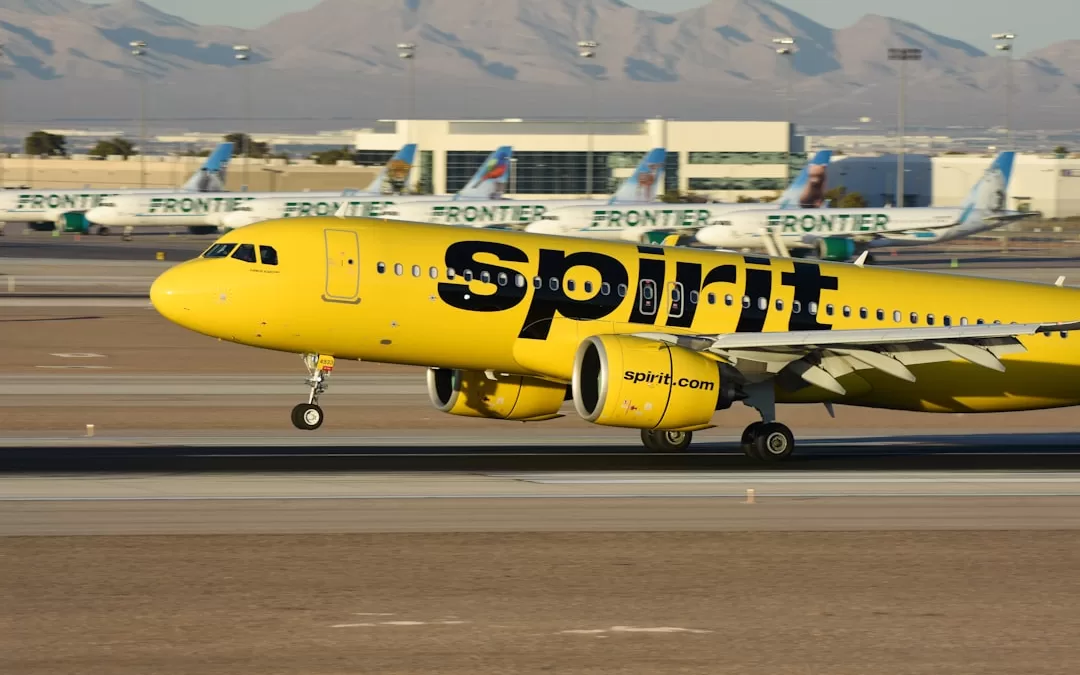

Spirit Airlines Shutdown: Refunds, Credits and Claims

Spirit Airlines Shutdown: Refunds, Credits and Claims

Airline industry shake-ups continue to make headlines, and Spirit Airlines’ announcements caught the attention of budget-conscious travelers nationwide. Before it shut down, Spirit decided to cut four major routes that connect travelers to popular holiday destinations. The decision affects several high-traffic vacation markets and has sparked discussions around airline strategy, passenger rights, and the impact on budget travel options. According to the original report, affected travelers will be eligible for full refunds and travel reimbursements where applicable.

Update, October 18, 2026: Spirit Airlines stopped flying on May 2, 2026, when it cancelled all flights and began winding down. This article was first written about Spirit’s earlier route cuts. We have updated it with what passengers can do now; the sections on routes and strategy are kept for background.

This news underscores the dynamic nature of the travel industry, where route adjustments often signal larger market trends. In this detailed analysis, we’ll explore what Spirit Airlines’ route cuts mean for travelers, the reasons behind the strategic decision, and how passengers can best navigate cancellations while maximizing their refund or rebooking opportunities. Readers will also find what to do about refunds now that Spirit has stopped flying.

Spirit Airlines Shutdown: Quick Answers

Is Spirit Airlines still flying?

No. Spirit Airlines began an orderly wind-down on May 2, 2026, cancelled all of its flights with immediate effect and told guests not to go to the airport. The company said higher oil prices and other pressures left it with no additional funding. Its remaining assets are now being sold through bankruptcy court.

Source: Spirit Airlines press release, May 2, 2026, checked October 18, 2026.

How do I get a refund for a cancelled Spirit flight?

If you bought your ticket from Spirit with a credit or debit card, Spirit said it would refund it automatically to the original card, and that most of these refunds had been processed by May 4, 2026. Refunds can take time to appear. Spirit is not rebooking passengers on other airlines.

Source: Spirit Airlines guest information page, checked October 18, 2026.

What if I booked through a travel agent or paid with credits or points?

Travel agent bookings are refunded by the agent, so contact them directly. For tickets paid with a voucher, travel credit or Free Spirit points, compensation will be decided later through the bankruptcy process. Spirit’s claims agent, Epiq, takes questions on (855) 952-6606 from the U.S. and Canada.

Source: Spirit Airlines guest information page, checked October 18, 2026.

What can I do if my Spirit refund never arrived?

The U.S. Department of Transportation lists three steps. Ask your card issuer for a chargeback for services not rendered, since the Fair Credit Billing Act may protect you. Check whether your travel insurance covers insolvency. You can also file a proof of claim with the bankruptcy court, though that can take time.

Source: U.S. Department of Transportation, checked October 18, 2026.

What is happening to Spirit Airlines now?

Spirit is selling its remaining assets through a New York bankruptcy court. On October 14, 2026, a judge approved the sale of its four full flight simulators to SIM International for $8.3 million, while a separate sale of 20 aircraft has run into a dispute. Passengers still owed money should follow the claims process.

Source: Law360, October 14, 2026, checked October 18, 2026.

Spirit Airlines Route Cuts: What Travelers Need to Know

Spirit Airlines had announced that it would discontinue four routes connecting to sought-after holiday cities. Although the airline is known for its low-cost fares and extensive domestic network, operational adjustments like these are part of how mid-tier carriers adapt to market demand, rising costs, and evolving traveler preferences.

The Routes Affected

While the affected routes vary by region, they generally involve destinations that serve as major seasonal hubs for leisure travelers. These could include cities popular for beach getaways, family vacations, and festive events, which have seen fluctuating ticket demand over recent months. Those route cuts were overtaken by the airline’s full shutdown on May 2, 2026.

Refund Policies and Passenger Rights

Since May 2, 2026, all Spirit flights are cancelled. Spirit said tickets bought from it with a credit or debit card are refunded automatically to the original card, while travel agent bookings are refunded by the agent and vouchers, credits and points go through the bankruptcy process. Under federal travel regulations, airlines are obligated to either rebook passengers on alternate flights or issue refunds if cancellations occur due to airline operational decisions rather than weather-related disruptions. Spirit has said it cannot rebook passengers on other airlines, so travelers need to book a new ticket themselves.

Timing and Communication

Spirit’s wind-down information, including refund and claims details, is published on its restructuring site. For those who booked through third-party platforms or travel agencies, contact the point of sale directly, because Spirit says those refunds come from the agent.

Why Airlines Cut Routes: Understanding the Strategic Reasons

Route cancellation decisions may appear sudden from a consumer standpoint, but they are often based on complex strategic and financial considerations. Spirit Airlines’ route cuts can be analyzed through multiple lenses: cost management, market trends, and fleet optimization.

Cost and Profitability Adjustments

Operating flights on lightly booked routes can be financially unsustainable for carriers striving to maintain competitiveness in the low-cost segment. Airlines regularly assess route profitability, considering variables like fuel prices, crew expenses, airport fees, and seasonal demand. When expenses outweigh potential margins, canceling underperforming routes becomes a necessity rather than an option.

Fleet Realignment and Maintenance Cycles

Airlines often shuffle fleet resources to meet demand in lucrative markets. Aircraft may be reassigned to more profitable or strategically vital routes, where ticket prices, load factors, and demand stability justify operational costs. Scheduled maintenance and fleet upgrades also play roles in determining route availability during certain periods.

Changing Traveler Preferences

Post-pandemic, traveler behavior has become increasingly dynamic. With remote work flexibility and hybrid schedules, peak travel seasons now blend differently throughout the year. Spirit’s adjustments reflect a recalibration toward destinations with consistent performance, particularly where leisure travel remains steady year-round.

Impact on Holiday Travelers and Popular Destinations

The timing of these route cuts coincides with vacation planning for the upcoming holiday season. Many travelers typically book Spirit flights months in advance, taking advantage of early deals. The cancellation of routes to holiday hotspots may create both challenges and new opportunities.

Potential Travel Disruptions

For those whose itineraries are affected, canceled flights may require significant itinerary changes. Because Spirit cannot rebook passengers, affected travelers need to book replacement flights themselves. Travelers are advised to verify their travel status early to explore alternate routes while affordable options remain available.

Regional Tourism Implications

Local economies that depend on seasonal travel influxes, such as beach towns or resort destinations, may experience mild short-term slowdowns due to reduced visitor volume. However, other airlines could fill the service gap, mitigating long-term tourism impacts.

Opportunity for Competitors

Since the shutdown, other airlines have taken over some of Spirit’s assets; JetBlue, for example, acquired Spirit’s LaGuardia slots, according to Skift. When one airline exits a particular market, rivals often adjust capacity to accommodate displaced passengers, sometimes leading to competitive fare pricing that benefits consumers.

How Travelers Can Navigate Cancellations and Secure Refunds

If you are among the passengers affected by Spirit Airlines’ schedule changes, understanding how to efficiently manage refunds or rebooking will help you save time and money.

Step-by-Step Guide to Getting Your Money Back

  1. Locate your booking confirmation and check how you paid.
  2. If you paid Spirit by credit or debit card, check your card statement for the automatic refund.
  3. If you booked through a travel agent, ask the agent for the refund.
  4. If no refund arrives, ask your card issuer about a chargeback and check your travel insurance, as the U.S. Department of Transportation advises.
  5. If you paid with a voucher, credit or Free Spirit points, or are still owed money, follow the claim instructions from Spirit’s claims agent, Epiq.

Exploring Rebooking Alternatives

  • Consider adjusting your itinerary to nearby airports within driving distance.
  • Evaluate competing airlines’ routes for overlapping destinations.
  • Sign up for fare alerts to catch competitive rebooking discounts.
  • Use credit-card travel protections if you booked using premium cards that offer cancellation coverage.

Customer Support Channels

Spirit’s normal customer service has ended with its flights. Refund and claim information is on Spirit’s guest information page, and claims questions go to its claims agent, Epiq, at (855) 952-6606 from the U.S. and Canada.

Long-Term Implications for Budget Airlines and the Travel Industry

Spirit’s collapse highlights an important aspect of modern air travel: the balance between affordability and operational efficiency. As budget airlines reconfigure their schedules, the ripple effects extend across the travel ecosystem.

Shift Toward Strategic Route Management

Low-cost carriers are increasingly using data analytics to determine profitable routes, adjusting network plans more frequently than in past years. This trend enables flexibility but also introduces volatility for consumers who depend on predictable travel schedules.

Competition and Market Realignment

Spirit’s exit leaves one fewer ultra-low-cost airline in the U.S. market, so it is worth comparing fares across the remaining airlines and nearby airports.

Consumer Adaptation and Planning

Frequent flyers and vacation planners may adapt by diversifying their airline preferences or booking more flexible tickets. Travel insurance policies that cover airline operational changes are also becoming increasingly popular among frequent travelers.

Future Outlook: What Happens to Spirit Airlines and Budget Travel

Spirit Airlines is no longer operating. Its parent company is selling assets in bankruptcy court, including aircraft, flight simulators, airport slots and its headquarters, and a proposed sale of company data to Google has been contested, Skift reported on October 12, 2026. Passengers still owed money should follow the claims process rather than wait for flights to return.

Budget Travel Resilience

Despite operational turbulence, consumer appetite for low-cost travel remains strong. Budget airlines continue to democratize air travel, making destinations accessible to millions of travelers who might otherwise find flying cost-prohibitive. Spirit itself will not be part of that future, but other low-cost airlines still serve many of the same leisure markets.

Conclusion: What Spirit Airlines’ Shutdown Means for Your Travel Plans

Spirit Airlines first cut routes and then, on May 2, 2026, stopped flying altogether. Card bookings made with Spirit were refunded automatically, and other refunds go through travel agents, card issuers or the bankruptcy claims process. The key takeaway is clear: staying informed, adaptable, and proactive allows you to navigate route changes without compromising your travel goals.

For the most up-to-date details on refunds and claims, refer to Spirit’s guest information page. As the travel market continues to evolve, understanding these developments empowers travelers to make smarter choices and plan journeys with confidence.

Navigating 2026: Travel Safely with Expert Tips

Navigating 2026: Travel Safely with Expert Tips

Is It Safe to Travel? What the Latest State Department Advisories Reveal

In a world where global events shift overnight, travelers are increasingly curious about one pressing question: Is it safe to travel? The U.S. State Department regularly updates its travel advisories, guiding citizens on potential risks while ensuring informed travel planning. These updates can affect everything from leisure trips to family vacations and business journeys.

This article dives deep into the latest State Department travel warnings, helping you understand how advisories are designed, what they mean for different destinations, and how to plan safely. You’ll gain expert insights on navigating current global risks and leveraging official sources to make confident travel decisions in 2026 and beyond.

Understanding U.S. State Department Travel Advisories

The State Department assesses risks worldwide and categorizes destinations by a four-level system. This system provides a standardized way for travelers to gauge potential hazards before booking travel.

Travel Advisory Levels Explained

  • Level 1: Exercise Normal Precautions – These destinations pose minimal risk and are generally considered safe for travel.
  • Level 2: Exercise Increased Caution – Some safety and security concerns exist, often related to crime, terrorism, or political unrest.
  • Level 3: Reconsider Travel – Serious risks warranting avoidance unless necessary.
  • Level 4: Do Not Travel – Extreme danger due to conflict, natural disaster, or public health emergencies.

What Influences Advisory Levels

Advisories are not arbitrary—they’re determined through continuous data collection from embassies, security intelligence, and global organizations. The factors include political stability, healthcare infrastructure, transportation safety, natural disasters, and crime statistics.

Top Regions Under Travel Advisory in 2026

According to the latest updates summarized by azcentral.com’s travel analysis, several regions continue to face elevated risk levels. Here’s an overview of the most notable updates in the first quarter of 2026.

Middle East and North Africa

Countries like Yemen and Syria remain at a Level 4, primarily due to ongoing conflict and terrorism risks. Even comparatively stable nations—such as Egypt—can shift between Level 2 and Level 3 depending on local developments. Travelers are encouraged to stay updated on embassy alerts and register with the Smart Traveler Enrollment Program (STEP).

Central and South America

Some countries in the region, including Venezuela and parts of Mexico, have Level 3 advisories because of violent crime and kidnapping risks. However, popular tourist destinations like Costa Rica and Colombia (specific regions) remain open with increased caution levels, particularly regarding petty crime.

Europe’s Changing Advisory Landscape

Europe generally remains safe, with most countries rated Level 1 or 2. However, increases in cybercrime, political demonstrations, and flight disruptions have caused localized caution notices. Ukraine and Russia continue at Level 4 due to active conflict zones.

How to Interpret and Use Travel Advisory Information

Understanding advisories is only half the battle; travelers must also know how to interpret the warnings for their personal needs. Use the levels as a framework rather than a deterrent, integrating them with independent research and reliable travel insurance.

Cross-Referencing with Other Information Sources

The State Department is not the only authority issuing safety data. You can also check:

  • CDC Health Notices – Updates on travel-related health risks, vaccinations, and potential outbreaks.
  • World Health Organization (WHO) – Global assessments on disease and safety trends.
  • Local News Outlets – Ground reports on political or environmental changes affecting travel safety.

The Role of Embassies and Consulates

Embassies serve as vital resources during travel disruptions or emergencies. Register with the STEP program to receive direct safety alerts and rapid embassy assistance in case of crises.

Travel Safety in a Post-Pandemic World

Even as the global travel landscape stabilizes after the pandemic, new challenges continue to shape travel advisories. Public health concerns are intertwined with political and environmental changes, making prudent planning essential.

Health Protocols and Vaccination Requirements

Travelers must stay informed on vaccination requirements, health documentation, and local testing regulations. Some destinations have adopted digital health passports or established mandatory insurance coverage for inbound tourists.

The Rise of Climate-Related Travel Concerns

Climate-related risks—such as hurricanes, wildfires, and heatwaves—are increasingly cited in advisories. The State Department now collaborates more closely with meteorological agencies to account for environmental patterns when issuing alerts.

Practical Tips for Safer International Travel

Pre-Trip Precautions

  1. Review the official advisory for each destination before booking flights or accommodation.
  2. Enroll in the STEP program for emergency alerts and communication support.
  3. Ensure your travel insurance covers medical evacuation and trip cancellations.
  4. Keep digital and printed copies of travel documents and emergency contacts.

On-the-Ground Safety Strategies

  • Avoid large gatherings and monitor local announcements for safety updates.
  • Follow cultural norms and respect local laws to avoid unnecessary attention.
  • Use secure transportation options and avoid unregistered taxis or rides.
  • Maintain situational awareness—trust your instincts and relocate if you feel unsafe.

How Travel Advisories Affect Tourism and the Economy

Advisories have far-reaching implications beyond individual travelers. Destinations with “Do Not Travel” warnings often experience steep declines in tourism revenue. However, measured caution combined with transparency can help rebuild traveler confidence over time.

Shifts in Traveler Behavior

Today’s travelers are more data-driven. Before pandemic restrictions, emotional inspiration drove destinations’ popularity. Now, safety, medical access, and political stability weigh heavily on trip decisions. This shift has reshaped global tourism priorities.

Tourism Industry Response

Many countries are investing in enhanced health infrastructure, improved airport screening, and digital traveler tracking systems to mitigate concerns. As a result, even nations with Level 2 or 3 advisories can attract cautious but informed visitors.

Conclusion: Empowered, Informed, and Ready to Travel

Traveling in 2026 isn’t without its challenges, but awareness and preparation remain your strongest allies. The latest State Department advisories offer essential insights to help you gauge global travel safety with clarity and confidence.

By understanding advisory levels, monitoring regional developments, and using reliable tools like STEP and CDC alerts, you can make informed decisions—turning uncertainty into assurance. With smart research and vigilance, the world remains open for exploration, one safe and well-prepared journey at a time.

Continue your reading here My Flight One Travel Blog
Enjoy our game while waiting for your flight Fly the plane by My Flight One

Discover Affordable Luxury Travel Destinations Worldwide

Discover Affordable Luxury Travel Destinations Worldwide

Traveling the world doesn’t always have to drain your bank account. In fact, some of the world’s most breathtaking destinations offer luxury experiences at surprisingly affordable prices. From hidden islands that rival the Maldives to European towns bursting with old-world charm, travelers today can experience high-end adventures without the high-end cost. Whether you’re looking for opulent stays, gourmet meals, or world-class scenery, there are plenty of affordable luxury travel destinations waiting to be discovered.

Inspired by a recent travel feature on AOL, this guide explores destinations that look and feel luxurious but cost nearly nothing. Here, we dive deep into budget-savvy destinations that promise indulgence—from spa resorts tucked away in the mountains to vibrant cities where five-star feels are available at three-star prices. You’ll discover where to go, what to do, and how to make your travel budget stretch further without compromising on style or comfort.

Affordable Luxury: Redefining Travel Value

Luxury is no longer confined to price tags and five-star exclusivity. In the modern era, affordable luxury travel emphasizes experience, culture, and authenticity. The destinations highlighted in this post blend comfort and indulgence while offering exceptional value. The growing popularity of experiential tourism allows travelers to immerse themselves in deluxe settings at a fraction of traditional costs.

Why Affordable Luxury Matters

Travelers today are more conscious of value and sustainability. Instead of splurging on overpriced resorts, they seek boutique accommodations and authentic experiences that deliver comfort and meaning. This trend is pushing travel companies and destinations to rethink what luxury truly means—focusing on quality, ambience, and experience rather than cost alone.

The Rise of Experience-Rich Travel

Thanks to digital platforms and global connectivity, discovering hidden gems has never been easier. Smart travelers compare costs, find local-owned lodgings, and uncover upscale yet inexpensive adventures in regions previously overlooked. This shift creates opportunities for budget-conscious travelers to indulge in what once seemed out of reach.

Top Budget-Friendly Luxury Destinations

Here are some leading destinations where style meets savings, offering travelers a blend of affordability and indulgence.

Bali, Indonesia

Bali continues to be a go-to paradise for travelers seeking tropical tranquility. The island boasts luxury villas, private infinity pools, and spa sanctuaries—all at budget-friendly rates. Ubud, in particular, combines lush rice terraces with serene wellness retreats. With a cost of living lower than many tourist hubs, savoring luxury in Bali is both easy and economical.

Budapest, Hungary

Known as the “Paris of the East,” Budapest offers stunning architecture, thermal spas, and world-class cuisine without the extravagant European price tags. Visitors can soak in century-old thermal baths, enjoy a Danube River cruise, or dine in Michelin-recommended restaurants—all for less than in most Western capitals.

Tulum, Mexico

While parts of Mexico are renowned for their luxury resorts, Tulum stands out for merging eco-chic design with accessibility. Beachfront yoga studios, artfully designed bungalows, and health-conscious eateries make it possible to experience high-end vibes affordably. Off-season travel and local boutique hotels keep the experience upscale yet attainable.

Lisbon, Portugal

Lisbon has quickly become a favorite among European travelers for its scenic hilltop vistas, delectable gastronomy, and affordable boutique hotels. Tram rides through its colorful neighborhoods, evenings of soulful Fado music, and gourmet seafood meals bring elegance without eye-watering expenses. The city’s blend of history and hospitality makes every moment feel luxurious.

Chiang Mai, Thailand

Nestled in northern Thailand, Chiang Mai exudes old-world charm complemented by modern comforts. Travelers can stay in stylish boutique hotels, enjoy authentic Thai massages, and savor gourmet street food—all for a fraction of what one would pay elsewhere. This balance of affordability and opulence makes it a paradise for digital nomads and cultural explorers alike.

Hidden Gems That Feel Lavish

Beyond the obvious tourist routes exist lesser-known gems that redefine luxury at a lower cost.

Albanian Riviera, Albania

Often called Europe’s unspoiled coastline, the Albanian Riviera stuns visitors with turquoise waters and Mediterranean charm. Unlike the neighboring Greek Isles, accommodations and dining come at a fraction of the cost while offering equally picturesque views. Local guesthouses deliver an intimate and luxurious seaside experience.

Hoi An, Vietnam

This UNESCO World Heritage Town captivates visitors with its lantern-lit streets and riverside markets. Hoi An offers visitors high-quality tailor-made clothing, exquisite cuisine, and ornate boutique hotels—all while maintaining an affordable price structure. The charm and grace of this destination rival many costlier Asian cities.

Medellín, Colombia

Once misunderstood, Medellín has blossomed into a sophisticated metropolis framed by lush mountains. Now one of South America’s trendiest spots, its chic rooftop bars, innovative restaurants, and art-filled parks reflect a posh lifestyle without the steep expenses of more famous Latin American capitals.

How to Experience Luxury on a Budget

Luxury travel isn’t just about your destination—it’s about smart strategies to maximize comfort and experience.

Choose Boutique Hotels or Local Villas

Instead of staying at global chain hotels, opt for boutique stays. These properties often offer unique designs, personalized service, and upscale amenities for less. Many include breakfast, local excursions, or spa treatments—helping travelers save even more.

Travel Off-Season

Timing matters. Visiting destinations during shoulder or off-peak seasons can reduce expenses dramatically while improving the overall experience. Fewer crowds, lower prices, and personalized service make off-season luxury travel a smart move.

Embrace Local Experiences

Luxury doesn’t always come with gold-plated walls. Sometimes it’s about a private cooking class with a local chef, an evening gondola ride with fewer tourists, or a mountain retreat run by a family that treats guests like royalty. These experiences enrich travel without inflating the budget.

Practical Tips for Smart and Luxe Travel

  • Use fare alerts: Tools like Google Flights and Skyscanner allow you to monitor dips in airfare for high-end destinations.
  • Leverage loyalty programs: Many boutique hotels now offer rewards that can be used for room upgrades and complimentary services.
  • Book in advance: Early booking often grants access to luxury accommodations at reduced rates.
  • Negotiate stays: Especially in developing countries, long-term stays can come with discounts or added perks.
  • Go beyond resorts: Seeking local-owned villas or Airbnb properties often introduces travelers to a higher standard of hospitality per dollar spent.

Balancing Comfort, Culture, and Value

The idea of affordable luxury extends well beyond economical travel. It’s about designing itineraries that enrich the soul while respecting one’s budget. Exploring local markets, dining authentically, and connecting with communities enhance genuine luxury. It’s not only the silk bedding or infinity pool—it’s the feeling of contemporary comfort blended with cultural appreciation.

The Emotional Value of Affordable Travel

When travelers discover luxurious moments at low cost, satisfaction increases. The emotional value—knowing you’ve unlocked a premium experience smartly—adds to the destination’s charm. This satisfaction builds long-term memories that emphasize happiness over material extravagance.

Conclusion: The New Definition of Luxury Travel

Affordable luxury is reshaping the travel landscape. Modern explorers are finding that high-quality experiences don’t have to come with extravagant bills. Whether it’s relaxing on Bali’s beaches, soaking in Budapest’s thermal baths, or strolling through Lisbon’s historic alleyways, travelers can now live luxuriously within modest budgets. By choosing the right destinations, traveling strategically, and prioritizing meaningful experiences, anyone can enjoy elite travel without financial stress.

For further inspiration and destination details, check out the original article on AOL Travel to explore more about luxury-looking destinations that cost nearly nothing.

Continue your reading here My Flight One Travel Blog
Enjoy our game while waiting for your flight Fly the plane by My Flight One

Lunar New Year Travel: Hong Kong’s Festive Wanderlust

Lunar New Year Travel: Hong Kong’s Festive Wanderlust

Lunar New Year Travel Surge: Hong Kong Residents Rediscover Asia’s Most Coveted Holiday Destinations

Every Lunar New Year brings with it excitement, tradition, and a spirit of exploration—and this year is no exception. According to Travel and Tour World, Hong Kong’s residents are setting off in record numbers across Asia, eager to celebrate the season with sunshine, culinary delights, and cultural festivities. The post-pandemic travel resurgence has ignited a new wave of wanderlust across the region, transforming Lunar New Year into one of the busiest travel seasons of the year.

This article explores what’s fueling this surge, the most sought-after destinations, and how travelers from Hong Kong are redefining the way Asia celebrates one of its most culturally rich holidays. Readers will gain insights into current travel trends, emerging hotspots, and practical tips for navigating the festive rush while making the most out of their travels during this special time.

The Rise of Festive Travel During Lunar New Year

Shifting Travel Patterns Among Hong Kong Residents

Historically, the Lunar New Year was a home-centered occasion where families gathered for reunions and traditional dinners. However, the dynamic post-pandemic climate has reshaped these customs. Today, Hong Kong travelers increasingly see the holiday as an opportunity for cross-border cultural experiences and rejuvenating escapes. This modern approach to travel reflects a growing desire for balance between family connection and leisure exploration.

Industry reports show that short-haul trips across Asia have surged dramatically—destinations such as Japan, Thailand, South Korea, and Taiwan lead the list. Many Hongkongers are selecting itineraries that combine cultural discovery with relaxation, signaling a profound transformation in festive travel preferences.

Airfare and Accommodation Demand Spikes

With the Lunar New Year marking one of Asia’s busiest travel windows, airlines and hotels are witnessing unprecedented demand. Seat capacity between Hong Kong and nearby Asian destinations has expanded by double digits compared to previous years, while major carriers are adding supplementary flights to meet the surge. Meanwhile, hotels and homestays in popular tourist hubs are experiencing occupancy rates nearing full capacity weeks before the festival even begins.

Trending Asian Destinations for Lunar New Year Escapes

Japan: Winter Splendor and Tradition

Japan continues to be a top choice among Hong Kong residents during the Lunar New Year season. From the neon-lit energy of Tokyo to the serene temples of Kyoto and the snow-covered landscapes of Hokkaido, travelers find a perfect blend of cultural heritage and modern appeal. Winter festivals, traditional ryokan experiences, and an unmatched culinary journey make it irresistible for families and younger travelers alike.

Thailand: Sun, Spas, and Street Food

Thailand’s warm climate and vibrant hospitality make it another favorite among holidaymakers escaping the city chill. Bangkok’s street food alleys, Chiang Mai’s mountain retreats, and Phuket’s pristine beaches allow Hongkongers to indulge in a mix of excitement and serenity. During Lunar New Year, Bangkok’s Chinatown transforms into a visual spectacle of red lanterns, dragon dances, and fireworks displays—a true feast for the senses.

South Korea and Taiwan: Cultural Comforts and Close Connection

Proximity plays a major role in the popularity of destinations like Seoul and Taipei. Easy flight connections and cultural familiarity appeal to those looking for shorter yet fulfilling vacations. Korea’s winter charm, coupled with shopping and K-drama allure, makes it a trending spot. Taiwan, on the other hand, offers heartfelt hospitality, street food adventures, and night markets that bring back nostalgic flavors of Lunar New Year celebrations.

Socioeconomic Factors Driving the Travel Surge

Post-Pandemic Economic Stability

Improved consumer confidence and economic resilience have empowered more Hong Kong residents to plan overseas trips. As travel restrictions have eased across Asia, families are catching up on missed experiences. The desire to reconnect with culture and explore cross-border communities has never been stronger, creating a ripple effect on regional tourism economies.

Flexible Work Patterns and Lifestyle Shifts

Remote work and flexible employment policies have contributed significantly to the rise in vacation extensions. Many travelers are now combining leisure with “workations,” extending traditional holiday durations beyond typical long weekends. This shift has contributed to elevated demand for premium lodging, digital connectivity, and personalized travel services.

Increased Airline Capacity and Promotions

Airlines have strategically capitalized on the seasonal spike by offering Lunar New Year travel packages, loyalty promotions, and discounted fares. Low-cost carriers have expanded accessibility for younger audiences, while full-service airlines are elevating premium cabin experiences. Together, these dynamics have intensified travel traffic—a sign of vibrant tourism recovery in Asia.

Lunar New Year Tourism Trends Across Asia

Rise of Cultural and Experiential Tourism

Asia’s renewed tourism ecosystem emphasizes immersive local experiences rather than traditional sightseeing. Lunar New Year travelers are participating in local parades, learning traditional crafts, and attending regional festivals. This cultural depth adds greater meaning to their journeys while sustaining local traditions that might otherwise face decline.

Tech-Savvy Travel Planning

From mobile passport apps to AI-powered itinerary builders, Hong Kong travelers are among the most digital-forward in Asia. The use of smart travel tools helps streamline flight bookings, plan dining experiences, and manage transportation logistics. These advancements allow for seamless, real-time travel adjustments—a necessity during peak holiday seasons.

Sustainability and Mindful Travel

There is also a rising awareness about sustainable tourism. Eco-friendly hotels, carbon offset airfare options, and community-focused tours are gaining traction among environmentally conscious travelers. Many Hong Kong residents are now aligning their Lunar New Year trips with values of conservation and local impact.

Travel Tips for a Smooth Lunar New Year Getaway

  • Book Early: Secure flights and accommodations at least a month in advance to avoid premium pricing.
  • Choose Flexible Travel Dates: Departing slightly before or after peak days can save both time and money.
  • Travel Insurance: Protect against last-minute cancellations or unexpected delays, especially during busy holiday periods.
  • Explore Offbeat Locations: Consider alternative destinations such as Vietnam’s Da Nang, Indonesia’s Yogyakarta, or Malaysia’s Penang for a more relaxed experience.
  • Pack Light, Travel Smart: With increased security checks and packed airports, minimal luggage ensures smoother transit.

Leveraging Travel Apps and On-the-Go Resources

Apps like Google Maps, Trip.com, and Klook simplify navigation, restaurant reservations, and attraction bookings. Currency converters and translation tools enhance communication experiences, making travelers more confident as they immerse in local cultures.

The Broader Impact on Regional Tourism

Boosting Local Economies

The Lunar New Year travel surge benefits not only airlines and hotels but also local artisans, cultural performers, and small businesses. Hong Kong’s outbound tourism directly fuels regional growth, ensuring that the ripple effect of holiday travel reaches beyond major tourist hubs into local communities.

Government-Initiated Tourism Campaigns

Many Asian governments are capitalizing on this influx by launching targeted campaigns to attract Chinese-speaking travelers. Events like Thailand’s “Amazing New Chapters” and Japan’s “Enjoy My Japan” are tailored toward offering inclusive, culture-driven experiences. Such initiatives fortify Asia’s position as a cohesive, interconnected travel region.

Cross-Cultural Exchange and Shared Festivities

When travelers cross borders during the Lunar New Year, they carry traditions and values that enrich host communities. The exchange of customs—like red envelopes, lantern festivals, and food rituals—highlights Asia’s unity in diversity, while celebrating cultural individuality.

Conclusion: A New Era of Festive Wanderlust

The Lunar New Year travel boom underscores Hong Kong’s pivotal role in Asia’s tourism revival. As more residents venture out to explore nearby nations, they are not only seeking leisure but contributing to a broader narrative of cultural exchange, economic recovery, and regional harmony. The way Hong Kong celebrates has evolved—from being home-centered to world-centered—offering new opportunities for meaningful travel.

For travelers, the message is clear: the modern Lunar New Year is as much about connection as it is about exploration. Whether you’re walking through Kyoto’s shrines, savoring street food in Bangkok, or watching fireworks over Taipei’s skyline, this is the time to rediscover Asia’s diversity through festive eyes.

For more travel insights and the original article inspiration, visit Travel and Tour World.

Continue your reading here My Flight One Travel Blog
Enjoy our game while waiting for your flight Fly the plane by My Flight One