


Destinations to Skip in 2026 and Where to Go Instead

Destinations to Skip in 2026 and Where to Go Instead

As global travel trends evolve, some destinations that once topped every bucket list are now facing scrutiny due to environmental concerns, over-tourism, and cultural impacts. The USA Today list of destinations to rethink visiting in 2026 — often referred to as the “No List” — encourages travelers to be more mindful about where and how they explore. This post unpacks the reasons behind these cautions and offers responsible alternatives, helping travelers make sustainable, ethical, and meaningful decisions.

In this article, readers will discover which eight destinations may need a pause on tourism, the reasons fueling those recommendations, and actionable ways to travel smarter in 2026. By understanding the deeper issues—such as climate impacts, local community pressures, and infrastructure strain—you can plan trips that enrich both your life and the places you visit.

1. Over-Tourism and Its Growing Impact on Global Destinations

Over-tourism continues to challenge popular spots like Venice, Bali, and Machu Picchu. The influx of visitors has far exceeded what many ecosystems and local governments can sustain. The result: degraded natural habitats, inflated local prices, and eroded cultural authenticity.

How Overcrowding Harms Local Culture

When too many tourists frequent the same landmarks, local traditions may shift to cater to mass tourism. Street vendors, artisans, and performers often alter their craft for visitors, leading to a loss of the destination’s original identity. Meanwhile, overcrowding increases waste, pollution, and resource consumption.

The Role of Responsible Tourism

Travelers can reduce their footprint by visiting lesser-known towns, staying longer in one location, and supporting local businesses. Choosing eco-certified accommodations and avoiding cruise ships that dump waste near delicate ecosystems helps preserve those destinations for future generations.

2. Environmental Degradation in Fragile Ecosystems

Environmental issues are a core reason several destinations appear on the “No List.” From coral bleaching in the Great Barrier Reef to waste management crises in tropical islands, nature is signaling distress caused by unchecked tourism.

Case Studies of Ecosystem Strain

  • Coral Reefs: In Southeast Asia and the Caribbean, coral reefs have suffered due to sunscreen chemicals, boat anchors, and irresponsible diving practices.
  • Mountain Trails: Popular peaks in the Himalayas accumulate tons of litter from hikers each season, impacting both wildlife and local water sources.
  • Desert Landscapes: Foot traffic and off-road tours in desert ecosystems can permanently damage delicate sand formations and habitats.

How Travelers Can Help

Responsible actions include bringing reusable travel gear, choosing eco-certified tour operators, and following principles of “leave no trace.” Opting for destinations with sustainable tourism strategies ensures travel dollars contribute to conservation rather than exploitation.

3. Political and Ethical Considerations in Choosing Destinations

In recent years, political unrest, human rights concerns, and tourism exploitation have placed some destinations under ethical scrutiny. While travel can bring awareness and economic benefit, it can also indirectly support governments or corporations that engage in problematic practices.

Evaluating Ethical Travel Choices

Before visiting, consider whether your presence helps or harms. Research where tourism revenue flows—does it benefit local communities, or is it controlled by external investors? Avoid exploitation-based experiences, such as animal performances or visits to culturally sacred sites without proper context or respect.

Destinations Facing Controversy

Specific places on the “No List” have faced ethical concerns tied to governance, human rights, or displacement of indigenous groups. The ethical traveler’s rule: if tourism profits come at the cost of local dignity, it’s time to reconsider.

4. Climate Change and the Future of Travel in 2026

Climate change will be one of the defining factors shaping how we travel in 2026 and beyond. Glacier melt, sea-level rise, and increased weather volatility are making certain locations not only environmentally vulnerable but also unsafe.

Regions Most at Risk

  • Polar Regions: Warming temperatures threaten Arctic wildlife and increase cruise ship traffic, compounding the problem.
  • Low-Lying Islands: Island nations in the Pacific and Indian Oceans face rising seas, putting communities and infrastructure at risk.
  • Coastal Cities: Global metropolises like Miami and Bangkok face frequent flooding, making sustainable development an urgent priority.

Adapting Travel Plans for the Climate Era

Climate-conscious travelers can offset carbon emissions through verified programs, favor slow travel methods such as trains over flights, and visit during off-peak seasons to reduce strain on destinations adjusting to climate pressures.

5. The Hidden Cost of Social Media Tourism

In the digital era, destinations can explode in popularity after a single viral photo. While picturesque sites benefit from exposure, social media tourism often leads to overexploitation and disregard for local etiquette or environmental protection.

“Instagram Effect” and Tourism Trends

The lure of the perfect post often drives travelers to trespass on private property, disturb wildlife habitats, or damage fragile landmarks. Locations such as Iceland’s waterfalls and Japanese bamboo forests have become examples of how social media influence can overwhelm local ecosystems.

Encouraging Authentic Travel Experiences

Instead of chasing trends, travelers can seek deeper connections. Visiting community-led projects, cultural festivals, or hidden rural spots can yield more meaningful experiences while distributing tourism benefits more fairly.

6. Alternative Destinations for Sustainable Travel in 2026

Being mindful doesn’t mean halting travel altogether—it means traveling better. Fortunately, sustainability-focused destinations are emerging worldwide, offering beauty and adventure without the high ecological cost.

Examples of Responsible Travel Alternatives

  1. Eastern Europe: Countries like Slovenia and Georgia are developing eco-tourism while preserving authenticity.
  2. Africa’s Community Conservancies: Kenya and Namibia offer wildlife encounters that fund conservation and support tribal communities.
  3. South America’s Hidden Gems: Uruguay and Colombia’s lesser-known coastal villages provide stunning scenery minus the over-tourism of major resorts.

How to Curate Your 2026 Travel Plan

Prioritize places that maintain carbon neutrality commitments, regulate visitor flows, and invest in local community welfare. Tools like the Global Sustainable Tourism Council (GSTC) directory can help identify certified destinations.

Conclusion: Rethinking Travel for a Sustainable Future

The “No List” serves as a reminder that thoughtful travel choices matter more than ever. Whether it’s avoiding over-touristed sites, selecting destinations that align with ethical values, or advocating for climate-resilient locations, each decision shapes the planet’s future. Conscious travel is no longer a trend—it’s a necessity.

As you plan your adventures for 2026 and beyond, consider not just where you go, but how and why you travel. Being informed, respectful, and sustainable ensures that the world’s most beautiful places remain vibrant and accessible for generations to come. For the full list of destinations under review, visit the original USA Today post here.
Continue your reading here My Flight One Travel Blog
Enjoy our game while waiting for your flight Fly the plane by My Flight One

Top 26 Must-Visit Asian Destinations for 2026 Adventures

Top 26 Must-Visit Asian Destinations for 2026 Adventures

Asia, the world’s largest and most diverse continent, promises an unforgettable travel experience for every explorer. As 2026 approaches, travel enthusiasts are turning their attention to the continent’s extraordinary landscapes, futuristic cities, and deep-rooted cultures. From tropical islands and ancient temples to cutting-edge urban adventures, Asia is set to take center stage on the global tourism map. Inspired by the travel trends and insights revealed in Travel + Leisure Asia’s feature on the best places to visit in 2026, this guide explores 26 amazing destinations you should add to your travel bucket list.

In this comprehensive post, you’ll discover top-rated destinations, hidden gems, and must-try experiences that highlight the region’s vibrant mix of tradition and innovation. You’ll also learn about emerging travel trends, sustainable travel practices, and practical tips to plan your 2026 Asia adventures with confidence. Whether you’re a culture seeker, foodie, or nature lover, these destinations showcase Asia’s evolving tourism scene while ensuring unforgettable moments at every stop.

1. Exploring the Best Asian Destinations for 2026

Asia’s best 2026 travel destinations combine cultural depth, modern luxury, and natural splendor. The continent’s growing emphasis on sustainable tourism and digital innovation makes it an even more exciting prospect for global travelers.

Japan: A Blend of Technology and Tradition

With the continued global fascination for Japanese cuisine, culture, and design, Japan remains a top destination. In 2026, cities like Tokyo and Kyoto will host unique cultural festivals, while emerging regions such as Hokkaido and Okinawa are spotlighted for their untouched beauty and sustainable travel initiatives.

Thailand: The Gateway to Tropical Bliss

Thailand’s combination of affordability and rich experiences makes it a consistent favorite. In 2026, eco-resorts on islands such as Koh Tao and Koh Samui are leading the way in responsible tourism. Bangkok’s urban renaissance—filled with rooftop bars, art districts, and Michelin-star dining—is another strong draw.

India: A Journey Through Time and Flavor

India’s appeal lies in its diversity—from the calm of Kerala’s backwaters to the chaotic allure of Mumbai. With an improving travel infrastructure and a surge in wellness retreats, India’s tourism growth is expected to soar in 2026. Visit Rajasthan’s palaces, Sikkim’s Himalayan treks, and Goa’s cultural revival for a full sensory experience.

2. Hidden Gems and Emerging Destinations Across Asia

Beyond the well-known tourist hubs, 2026 will shine a spotlight on several under-the-radar destinations redefining the Asian travel experience.

Laos: Eco-Friendly Adventure in the Heart of Indochina

Laos is a paradise for nature lovers. Its sustainable tourism initiatives focus on preserving river ecosystems and mountain villages. Activities like slow-boat journeys along the Mekong River and hiking in Luang Namtha make Laos a serene retreat for eco-conscious travelers.

Uzbekistan: Silk Road Revival

The once-forgotten Silk Road city of Samarkand is emerging as a major cultural destination, offering architectural wonders such as the Registan Square and Shah-i-Zinda necropolis. With improved connectivity and boutique accommodations, Uzbekistan is becoming a must-visit for culture historians and modern explorers alike.

Philippines: Beyond the Beaches

While the Philippines is famous for Boracay and Palawan, lesser-known islands like Siargao and Camiguin are gaining international recognition. These areas emphasize local heritage, sustainability, and community-led tourism, allowing visitors to connect with the authentic Filipino way of life.

3. Top Cultural and Culinary Experiences for 2026

One of the defining features of Asia is its cultural richness and culinary brilliance. In 2026, expect to see a fresh wave of authentic experiences focusing on community-based tourism and food-driven adventures.

Vietnam’s Culinary Renaissance

Vietnam has long been a culinary paradise, but 2026 promises an even greater food scene. From Hanoi’s traditional street pho stalls to Ho Chi Minh City’s creative fusion dining, Vietnam exemplifies the balance of heritage and innovation in every dish.

Indonesia’s Island Cultural Trails

Bali continues to thrive, but Indonesia’s other islands, such as Flores and Java, are captivating travelers with cultural routes including ancient temples, traditional dance performances, and village homestays that celebrate authenticity.

Korea’s Modern Heritage Mix

South Korea’s global cultural influence—anchored by K-pop, cinema, and fashion—also extends to its travel experiences. Seoul’s fusion of modern skyscrapers with ancient palaces offers a unique contrast, while Jeju Island attracts hikers and wellness seekers.

4. Sustainable and Tech-Driven Travel Trends

Asia’s commitment to innovation makes it a leader in sustainable tourism. In 2026, new initiatives focus on eco-conscious travel models and smart city developments that enhance visitor experiences while preserving the environment.

Smart Cities and Digital Tourism

Destinations like Singapore, Seoul, and Tokyo are at the forefront of the digital tourism revolution. Smart hotels, AI-powered travel planning tools, and AR-guided city tours are transforming how travelers engage with local attractions.

Responsible and Green Travel

Eco-lodges, carbon-neutral flights, and locally-sourced gastronomy are shaping how travelers experience Asia. Bhutan, for instance, continues to serve as a global model for sustainable development, limiting visitor numbers to protect its natural and cultural integrity.

Community-Based Tourism

More destinations are adopting tourism models that empower local residents. In Nepal and Cambodia, community lodges and artisan tours give travelers a chance to contribute directly to local economies while learning authentic traditions.

5. Planning Your 2026 Asia Travel Itinerary

Mapping out your Asia travel plans for 2026 requires smart preparation and flexibility. With countries lifting restrictions and developing better digital nomad policies, the continent is ready to welcome long-stay explorers.

  • Best Time to Visit: For tropical countries, consider November to March. Higher altitude destinations like Nepal or northern Japan are ideal between May and October.
  • Budget Tips: Combine luxury and local experiences. Use regional transport apps and digital wallets for cost-saving and convenience.
  • Visa and Policy Updates: Many Asian nations are introducing simplified e-visa systems by 2026, making border crossings easier and faster than ever.

Recommended Multi-Country Routes

For those seeking an immersive experience, regional travel routes like Singapore–Malaysia–Thailand or India–Nepal–Bhutan provide multi-layered adventures blending culture, spirituality, and modern comforts.

Luxury vs. Adventure Choices

Asia’s growing hospitality scene offers everything from futuristic skyscraper hotels in Hong Kong to jungle lodges in Borneo. Choose destinations that reflect your personal travel goals—whether that’s relaxation, exploration, or cultural immersion.

6. Why Asia Should Be Your 2026 Travel Focus

Asia’s dynamic landscapes, evolving cultural consciousness, and traveler-friendly innovations make it the ultimate destination for 2026. Every region offers something unique—magnificent heritage in South Asia, island escapes in Southeast Asia, and futuristic urban experiences in East Asia.

  • Unparalleled blend of diversity and accessibility.
  • Unique opportunities for responsible and experiential travel.
  • Ahead-of-the-curve destinations powered by technology and sustainability.

Whether you’re chasing cherry blossoms in Japan, tasting hawker food in Singapore, or discovering ancient temples in Cambodia, Asia’s future as a global travel powerhouse is undeniable.

Conclusion: Prepare for an Unforgettable 2026 Adventure

From mountain sanctuaries to megacity skylines, Asia’s 26 incredible destinations for 2026 invite travelers to go beyond the ordinary. By embracing sustainability, cultural exchange, and innovation, the continent offers a future-ready travel experience like no other.

Inspired by Travel + Leisure Asia’s original feature, this guide captures the essence of what makes Asia irresistible: its ever-evolving beauty, boundless creativity, and genuine hospitality. Start planning your journey now—because by 2026, these destinations will redefine what it means to travel smartly, sustainably, and soulfully across Asia.

Continue your reading here My Flight One Travel Blog
Enjoy our game while waiting for your flight Fly the plane by My Flight One

Wander Canada Wonders Top Places to Visit in 2024

Wander Canada Wonders Top Places to Visit in 2024

Explore the Best Canada Travel Destinations: A Complete Guide to Discovering Canada’s Wonders

Canada, with its diverse landscapes, multicultural cities, and vibrant natural beauty, continues to top the list for travelers seeking breathtaking experiences. Whether you’re drawn by its rugged mountains, cosmopolitan cities, or serene lakes and forests, the best Canada travel destinations promise unforgettable adventures for every kind of explorer. In this feature, we’ll delve into the most inspiring destinations and emerging travel trends across the Great White North, drawing insights from the latest travel updates by Travel And Tour World.

This guide explores the best places to visit in Canada, the top experiences not to miss, and the seasonal trends shaping travel in 2024 and beyond. From iconic cities like Toronto and Vancouver to hidden wilderness gems, prepare to unlock the full potential of your next Canadian journey.

Why Canada Stands Out as a Premier Travel Destination

Canada’s appeal lies in its unique contrast—modern cities framed by pristine wilderness. From coast to coast, this vast country offers a diversity of landscapes and cultures unlike anywhere else in the world. The allure of Canada travel destinations extends beyond their beauty; it’s about sustainable tourism, indigenous cultural experiences, and a warm, inviting hospitality that attracts millions of visitors each year.

Natural Beauty That Redefines Exploration

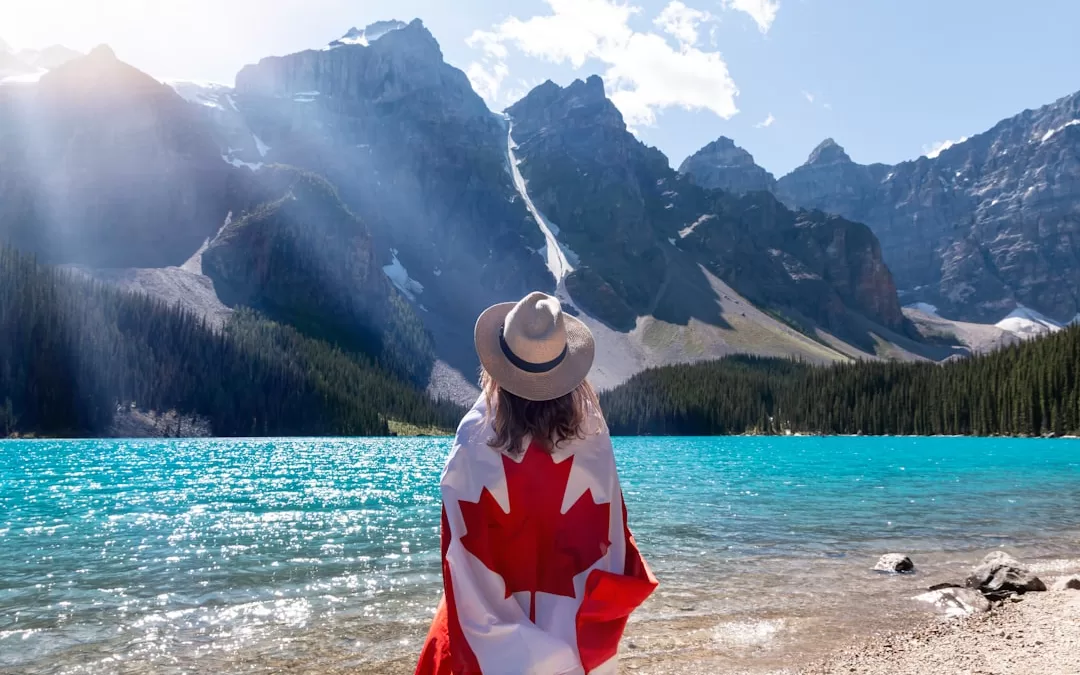
Whether you’re kayaking through the turquoise waters of Lake Louise or chasing the Northern Lights in Yukon, Canada redefines what it means to connect with nature. The country boasts over 45 national parks and reserves, each offering its own story and ecosystem.

Diverse Cultural Fabric

Home to a rich mosaic of cultures, languages, and traditions, Canada’s cities reflect international influences while preserving local identities. From French-inspired Montreal to Pacific Rim Vancouver, each urban center offers cultural and culinary adventures worth discovering.

Top Canadian Travel Destinations to Visit in 2024

1. Banff and Lake Louise, Alberta

Nestled in the heart of the Canadian Rockies, Banff National Park is a dream destination for adventure seekers and nature lovers. The turquoise lakes, snow-capped peaks, and charming alpine town of Banff make it one of the most iconic places in Canada. Don’t miss the scenic drive along the Icefields Parkway, often ranked among the world’s most beautiful road trips.

2. Vancouver, British Columbia

As one of the world’s most livable cities, Vancouver offers a rare mix of urban sophistication and natural beauty. Tourists can explore Stanley Park’s sprawling green spaces, cycle along the seawall, or sample global cuisine in the city’s dynamic food scene. Winter brings the nearby Grouse Mountain alive for skiing and snowboarding enthusiasts.

3. Toronto, Ontario

The buzzing metropolis of Toronto stands as Canada’s cultural and economic powerhouse. From the CN Tower’s dizzying heights to the eclectic neighborhoods of Kensington Market and Queen West, Toronto is a hub of art, culture, and entertainment. It’s also a gateway to Niagara Falls—one of the most visited natural attractions in the world.

4. Montreal, Quebec

Montreal blends old-world charm with a cosmopolitan pulse. The city’s French heritage is evident in its architecture, language, and culinary traditions. Whether wandering through the cobblestone streets of Old Montreal or sampling poutine at a local café, travelers will find the city’s blend of history and creativity irresistible.

5. The Maritime Provinces

Nova Scotia, New Brunswick, and Prince Edward Island offer some of the most picturesque coastal experiences in North America. With lighthouses, seafood feasts, and quaint fishing villages, this region is perfect for those seeking a more laid-back, yet culturally rich vacation.

Emerging Travel Trends in Canada

Sustainable and Eco-Friendly Travel

Travelers are increasingly drawn to eco-conscious experiences. Canada is pioneering in this space, with numerous conservation projects, green accommodations, and wildlife protection programs supporting sustainable tourism. Visitors are encouraged to explore responsibly and engage in community-based travel initiatives.

Rural and Wilderness Tourism

Post-pandemic travel trends highlight the growing love for secluded nature escapes. Canada’s vast untouched landscapes—from the Yukon tundra to the fjords of Newfoundland—offer both solitude and adventure. These remote experiences appeal to travelers seeking authenticity and renewal away from crowded destinations.

Indigenous Tourism Experiences

An increasing number of visitors are eager to learn about and engage with Indigenous cultures. Indigenous tourism in Canada offers immersive storytelling, traditional crafts, and guided nature excursions. It’s a meaningful way to connect with the land and its original caretakers, enriching the travel experience.

Best Time to Visit Various Canada Travel Destinations

  • Spring (March–May): Ideal for city breaks and cultural festivals in Toronto and Vancouver.
  • Summer (June–August): Perfect for outdoor adventures in the Rockies, coastal exploration, and vibrant festivals nationwide.
  • Autumn (September–November): A photographer’s paradise with fall foliage across Ontario and Quebec.
  • Winter (December–February): Best for skiing, snowboarding, and winter festivals in Alberta and British Columbia.

Top Activities and Experiences to Try

Outdoor Adventures

  • Hiking through Jasper and Banff National Parks
  • Kayaking along the rugged coastlines of British Columbia
  • Skiing in Whistler, one of the world’s premier winter resorts
  • Whale watching off the shores of Nova Scotia or British Columbia

Cultural and Festive Highlights

  • Attend the Toronto International Film Festival (TIFF)
  • Celebrate winter magic at Quebec City’s Winter Carnival
  • Experience the Calgary Stampede’s cowboy traditions
  • Explore Indigenous art galleries and creative hubs in Vancouver and Ottawa

Practical Travel Tips for Exploring Canada

Visa and Entry Requirements

Most visitors need either an Electronic Travel Authorization (eTA) or a visitor visa to enter Canada. Always check the latest government guidelines before your trip.

Transport and Connectivity

Canada’s vast size means internal travel options vary widely. Travelers can utilize VIA Rail, regional flights, and scenic drives to get around effectively. The national highway system also makes road trips a popular choice.

Budgeting and Costs

Canada is known for exceptional quality of service and amenities. While major cities can be relatively expensive, there are plenty of affordable accommodations, local eateries, and outdoor activities for budget-conscious travelers.

Planning Your Canada Travel Itinerary

A well-balanced itinerary allows travelers to experience Canada’s urban sophistication and natural beauty. Here’s a sample plan for inspiration:

  1. Day 1–3: Explore Vancouver’s city sights, Stanley Park, and Capilano Suspension Bridge.
  2. Day 4–6: Travel to Banff and Lake Louise for hiking and mountain exploration.
  3. Day 7–10: Head to Toronto for cultural immersion and a day trip to Niagara Falls.
  4. Day 11–14: End in Quebec, exploring Montreal and the historic heart of Quebec City.

Conclusion: Canada Awaits with Infinite Adventures

From its cosmopolitan cities to untamed wilderness, Canada offers a seamless blend of nature, culture, and adventure. Whether you’re drawn by outdoor thrills, rich heritage, or relaxing escapes, the country’s travel destinations are as diverse as they are inspiring. As highlighted by Travel And Tour World, Canada continues to innovate and expand its tourism landscape, making it an ideal destination for modern travelers.

With careful planning, eco-conscious choices, and an adventurous spirit, you can make the most of your Canadian journey. The Great White North is calling—are you ready to answer?

Continue your reading here My Flight One Travel Blog
Enjoy our game while waiting for your flight Fly the plane by My Flight One

Thanksgiving Travel Boom: Colorado Tops Holiday Hotspots

Thanksgiving Travel Boom: Colorado Tops Holiday Hotspots

The Thanksgiving holiday season is shaping up to be one of the busiest travel periods in recent memory. With an estimated eighty million domestic travelers expected to hit the skies and roads across the United States, major destinations such as Colorado, Texas, California, and Washington are preparing for a massive tourism surge. According to a recent report by Travel and Tour World, this marks a significant rebound in the U.S. travel industry, reflecting consumers’ renewed appetite for exploration, experience, and connection during the holiday season.

This blog explores why Colorado has joined the ranks of the top Thanksgiving travel destinations, what’s driving this growth, and how travelers and the tourism industry can leverage this momentum. From skyrocketing hotel bookings to winter resort readiness, we’ll uncover the trends shaping the 2024 Thanksgiving travel surge and how destinations are responding to the anticipated influx of visitors.

Colorado’s Rise as a Top Thanksgiving Travel Destination

Colorado’s inclusion among major destinations like Texas and California underscores a broader trend in U.S. domestic travel. Known for its majestic mountains, vibrant cities, and outdoor recreation, Colorado has become a preferred choice not only for ski enthusiasts but also for families and solo travelers seeking memorable autumn and early winter experiences.

Why Colorado Appeals to Holiday Travelers

  • Mountain adventure and scenic beauty: With early snowfalls, ski resorts in Aspen, Vail, and Breckenridge are reporting strong pre-bookings.
  • Festive atmosphere: Cities like Denver and Colorado Springs host Thanksgiving parades, winter markets, and cultural events that attract domestic and international tourists.
  • Accessibility: Denver International Airport continues to rank among the fastest-growing hubs in North America, offering easier connectivity for long-distance travelers.

Economic Impact and Hospitality Boost

This surge in visitors is expected to provide a major economic lift. The state’s hospitality sector—ranging from boutique lodges to luxury ski resorts—anticipates a substantial increase in occupancy rates. Restaurants are tailoring seasonal menus, while tour operators are curating Thanksgiving-themed experiences such as holiday brunch trains, wine-paired dinners, and snowshoe excursions. According to travel projection models, the revenue from tourism-related activities during Thanksgiving week could exceed previous records.

Nationwide Travel Trends Fueling the Boom

Beyond Colorado, several U.S. states are experiencing elevated interest as travelers plan longer and more experience-driven getaways. The post-pandemic travel rebound continues to redefine American tourism, merging work flexibility with leisure travel.

Key Trends Driving Travel Demand

  1. Flexible work policies: Many employees use remote schedules to extend their holiday vacations, leading to longer stays and increased spending.
  2. Experience-based tourism: Travelers prioritize unique local experiences, from wine trails in California to urban art tours in Seattle and culinary adventures in Austin.
  3. Family reconnections: Multi-generational travel remains dominant as families reunite for the first major holiday season of the year.

Airline and Transportation Readiness

Airlines and transportation providers are bracing for record passenger numbers. Car rental agencies have expanded fleets, while airports implement advanced traffic management systems. Airlines across the U.S. have added seat capacity to major routes — particularly between Denver, Los Angeles, Dallas, and Seattle — to facilitate the robust movement of people during Thanksgiving week.

The Role of Data and Technology in Travel Growth

Modern travel trends are not just about destinations but also about how travelers experience convenience. Technology plays a critical role in supporting this demand, ensuring that even with a record number of passengers, efficiency and comfort remain top priorities.

Smart Travel Planning Tools

Real-time flight trackers, AI-based itinerary planners, and dynamic hotel pricing tools are empowering travelers to make data-driven decisions. These platforms reduce stress, optimize budgets, and enhance the overall journey—an important factor for travelers seeking to avoid Thanksgiving congestion.

Tourism Boards Using Predictive Analytics

Destination marketing organizations are turning to predictive analytics to forecast visitor flows and manage resources effectively. Colorado Tourism Office, along with its counterparts in Texas and Washington, is using data insights to balance tourist safety, maximize hotel readiness, and maintain sustainable visitor volumes.

Sustainability and Responsible Travel During Thanksgiving

As tourism surges, so do concerns about sustainability. Responsible travel is now a cornerstone of holiday planning, with many destinations integrating eco-friendly initiatives into their Thanksgiving programs.

Eco-friendly Accommodations and Practices

  • Colorado’s mountain resorts emphasize energy-efficient operations, renewable heating systems, and waste reduction policies.
  • California and Washington continue to promote farm-to-table culinary experiences that reduce carbon emissions linked to food transport.
  • Travelers are encouraged to offset carbon footprints and support conservation-driven tourism experiences.

Community and Cultural Preservation

Beyond the environmental focus, destinations are highlighting cultural preservation. Indigenous heritage events, local art showcases, and community-driven markets form an integral part of the Thanksgiving travel narrative. This inclusive approach ensures tourism benefits extend beyond large hospitality brands to local communities.

Tips for Travelers Navigating the Thanksgiving Rush

With so many people traveling this holiday, planning ahead is crucial. The following expert tips help ensure a smooth and enjoyable Thanksgiving getaway to Colorado or any of the major U.S. destinations:

  1. Book early: Reserve accommodation and flights as soon as possible to lock in competitive prices.
  2. Use travel apps: Leverage technology for real-time updates on flight delays, weather conditions, and traffic trends.
  3. Pack smart: Weather in mountain regions can fluctuate dramatically—layered clothing is essential.
  4. Stay flexible: Build buffer time into your schedule in case of delays or increased security screening.
  5. Experience local: Engage with local events, farmers’ markets, and holiday pop-ups for authentic travel moments.

How the Travel Surge Benefits Local Economies

The anticipated eighty million travelers represent more than a tourism milestone—they symbolize a powerful economic shift. Increased tourist revenue supports small businesses, creates seasonal jobs, and revitalizes local tourism ecosystems across the nation.

Local Businesses Gaining Momentum

From ski rental shops in the Rockies to farm-to-table restaurants in Napa Valley, small enterprises are witnessing significant demand increases. Local artisans and service providers benefit from Thanksgiving-related spending, reinforcing the importance of community-centered tourism strategies.

Infrastructure and Long-Term Investment

The influx of visitors encourages states to invest further in transportation and travel infrastructure. Colorado’s improved highway connectivity and airport expansion projects are direct outcomes of sustained tourism growth—helping the state maintain its appeal as a year-round travel destination.

Conclusion: A Transformative Thanksgiving Travel Season

The Thanksgiving travel surge of 2024 signals a defining moment in U.S. tourism recovery and expansion. With Colorado joining leading states like Texas, California, and Washington in attracting millions of visitors, the outlook for domestic travel remains exceptionally strong. Beyond short-term hospitality gains, the larger narrative points to evolving traveler behavior—prioritizing sustainability, experience, and digital convenience.

As travelers embark on their journeys this Thanksgiving, the blend of scenic discovery, cultural immersion, and heartfelt reunions paints a promising picture for the future of U.S. tourism. For a deeper look at the original travel projections and insights, visit the Travel and Tour World article here.

Continue your reading here My Flight One Travel Blog
Enjoy our game while waiting for your flight Fly the plane by My Flight One

How to Find the Cheapest Flight Using My Flight One?

How to Find the Cheapest Flight Using My Flight One?

If you’ve ever seen yourself opening ten tabs, refreshing pages, and observing flight prices changing quicker than your mood on a Monday morning, you’re not the only one. Getting the cheapest flight often seems like cracking a secret code composed by the airlines themselves.

Let’s break down how you can actually get the cheapest flight in 2026 using My Flight One’s intelligent search system.

Why Finding the Cheapest Flight Can Feel Impossible

Let’s be real.

The airfare business operates on intelligent algorithms that reprice many times a day. Airlines use dynamic pricing based on demand, time, and browsing patterns. That is why manual searching tends to feel like risking your wallet.

These systems cannot be outwitted by conventional flight search engines. Its algorithm eliminates these unseen price hikes by accessing live fare information from worldwide partners.

How Location Impacts Your Flight Prices

Few travelers have any idea how much geography affects airline fares. The price on the internet is not necessarily the price another person will see for the exact same flight.

Airlines employ geo-based dynamic pricing, a method that varies fares according to your search location, currency, and even the device you’re using. It’s logical enough: if you’re searching from a nation or region where average incomes are higher or travel demand is greater, the system assumes you have more to pay.

For example, a flight from New York to Paris might cost around $650 if searched from the United States but $540 if booked from France or another European country. That $100 difference is not due to taxes or exchange rates but to regional pricing algorithms.

Why Do Airlines Do This?

Airlines and travel sites collect information from your browser settings, cookies, and even your IP address. They utilize this to price locally and present offers “sensitive” to your market. It is sensible from a business perspective but tends to disadvantage the traveler.

How to Outsmart Geo-based Pricing

  • Search from alternate locations: Attempt using a VPN to mimic other country searches and compare.
  • Change currencies: Occasionally fares look cheaper when seeing them in the home currency of the airline.
  • Clear cookies and cache: Websites can raise prices if they notice multiple searches for the same route.
  • Utilize flight comparison sites: Sites that search fares around the world eliminate location bias and display live lowest rates worldwide. By testing these techniques, travelers can find unexpectedly high price differences, saving anywhere from 10 to 25 percent on overseas flights.

Why Flight Prices Fluctuate

If you ever looked up a flight in the morning and it was cheaper or more costly by the evening, that’s not coincidence. That is dynamic revenue management, where airlines reprice continually to maximize profit and occupy every seat.

Here is what drives those fluctuations:

1. Supply and Demand

When seats on a flight begin to sell rapidly, the computer automatically increases the price. When sales dwindle, it lowers prices to generate demand. Airlines tend to have several pricing “tiers” within every class of service, and as each tier is sold out, the next, higher-priced one becomes accessible.

2. Timing and Seasonality

Airlines use historical data to predict when travelers are most likely to book. Prices tend to rise during high-demand seasons such as summer vacations or year-end holidays. On the other hand, shoulder seasons (spring and autumn) often bring lower fares.

3. Booking Window

According to travel data from sources like Hopper and Google Flights, the sweet spot for finding the lowest fares or flight deals on flights from Los Angeles is usually 6 to 8 weeks before domestic flights and 8 to 12 weeks before international trips. Booking too early or too late can mean paying more.

4. Day of the Week

Research indicates Tuesdays and Wednesdays as the two days that always provide cheaper bookings and departures. Traveling over the weekend also decreases expenses considerably since the majority of leisure flights are taken Friday to Sunday.

5. Time of Day

Late-night “red-eye” flights and early morning departures are generally cheaper because fewer people want to fly at those times. If you remain flexible with your travel dates and airports, you can typically save between 20 and 40 percent compared to rigid travel plans.

Meet My Flight One: The Smartest Way to Find the Cheapest Flight

Unlike other websites that merely post fares, My Flight One is designed with a single purpose, to save you time and money.

Here’s how it works:

  • It scans hundreds of airlines and global aggregators in seconds.
  • Uses AI-based fare prediction to highlight when prices are about to drop.
  • Sends you real-time flight deal alerts, so you never miss out.
  • Shows hidden and regional discounts that typical platforms miss.

Explore top travel deals right now at My Flight One.

How to Use My Flight One Like a Travel Pro?

The cheapest flight isn’t by chance. It’s planning. Follow these insider steps to book a direct cheap flight to Paris: 

  1. Enter your departure and destination cities: Don’t limit yourself to one airport. Check nearby ones too.
  2. Use “Flexible Dates”: Prices can drop drastically midweek or off-season.
  3. Filter by “Cheapest Month”: My Flight One highlights the most affordable periods to travel.
  4. Compare multiple airlines & booking sites: Sometimes, the same seat can be cheaper through a different vendor.
  5. Activate Fare Drop Alert: My Flight One’s system tracks prices and notifies you when it’s go-time.

Conclusion

Booking the lowest fare flight is not something you can do by chance or at the last minute; it’s a matter of timing, adaptability, and knowing how airline pricing systems actually function. By keeping your eyes on geo-based pricing, windows of booking, and seasonal fluctuations, you can control your travel expenditure rather than relying on chance.

Intelligent search engines like My Flight One facilitate it by comparing prices, monitoring decreases, and finding secret deals. In 2026, the most intelligent travelers will not be the ones searching hardest but the ones searching smart. Saving time as well as money.