
...
Explore the Future of Travel: A New Era in Adventure

Explore the Future of Travel: A New Era in Adventure

Modern travelers crave more than just a destination—they yearn for immersive experiences that awaken the senses, connect cultures, and create lasting memories. From breathtaking scenery to authentic culinary gems, each journey tells a story of discovery. This post explores how global travel trends and inspirations from news, landscapes, and local flavors are shaping the future of tourism in 2026 and beyond.

Drawing insights from international travel developments like those featured in China Daily’s latest travel report, we’ll look at emerging holiday destinations, eco-conscious travel, and the evolving relationship between travelers and culture. By the end of this article, readers will know where the next great adventures are unfolding and how to experience them in the most enriching way possible.

Global Travel Trends Revitalizing Holiday Destinations

Every few years, traveler priorities shift, often shaped by technology, environmental awareness, and evolving cultural values. Recently, destinations focusing on sustainable tourism and local engagement have gained unprecedented popularity.

Rise of Experience-Driven Travel

Instead of collecting stamps in a passport, modern travelers are collecting meaningful moments. This trend is driven by desire for authenticity—whether that means cooking classes in Tuscany, tea ceremonies in Kyoto, or trekking to remote communities in Nepal. Experience is now the currency of quality travel.

Technology’s Role in Destination Discovery

Today’s explorers rely heavily on digital tools—from AI-powered itinerary apps to immersive AR previews—to guide their decisions. This technological integration helps travelers discover hidden gems and create personalized trips, grooming travel habits that prioritize both spontaneity and insight.

Eco-Conscious Choices Lead the Way

Travelers increasingly seek eco-friendly accommodations and eco-tours that support conservation. Many resorts are moving toward carbon-neutral operations, while national parks are implementing visitor rotation systems to preserve fragile ecosystems. It’s no longer a niche—eco-awareness is central to destination marketing.

Scenery that Inspires Wanderlust

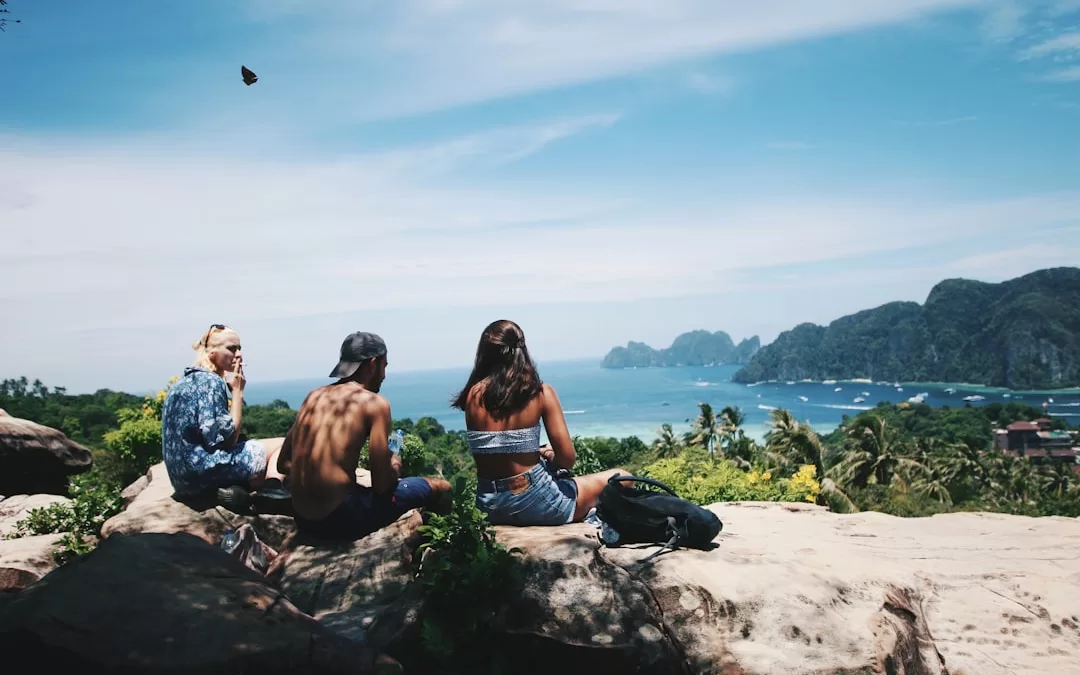
Whether it’s untouched wilderness, architectural wonders, or panoramic coastlines, stunning scenery often serves as the ultimate motivation for travel. Visual storytelling through social platforms has only amplified this appeal.

Mountain Escapes and Majestic Peaks

High-altitude destinations are experiencing a resurgence—from the Swiss Alps to China’s Zhangjiajie National Forest Park. These landscapes not only captivate photographers but also promote mental wellness and tranquility. Trekking and yoga retreats thrive in these serene backdrops.

Tropical Paradises and Hidden Islands

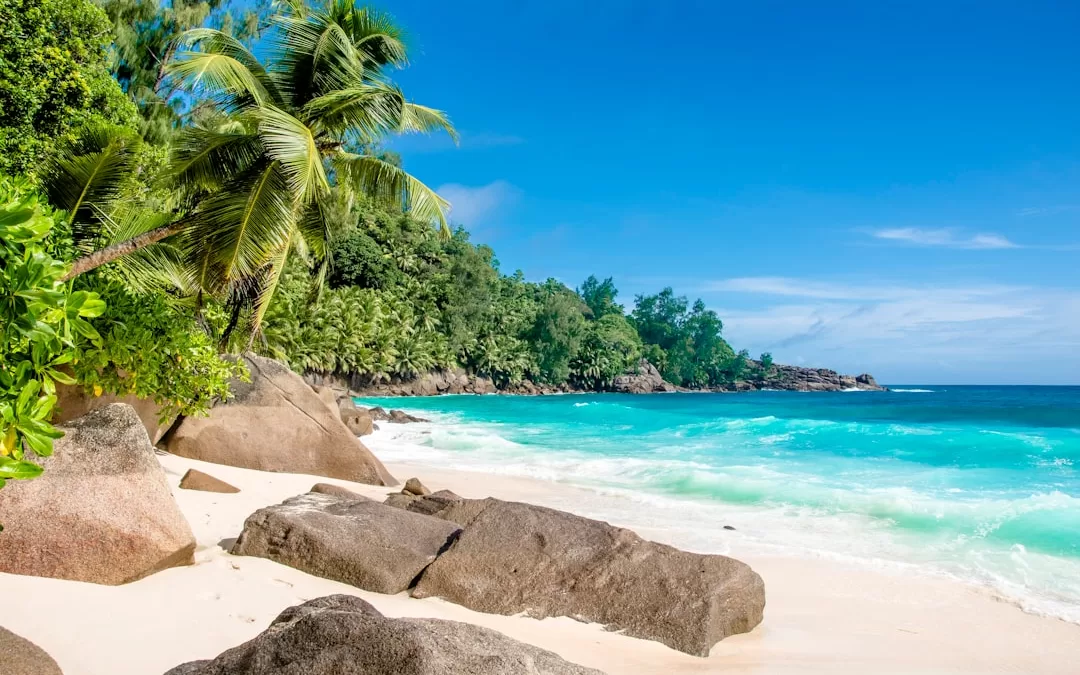
Pristine beaches and secluded islands continue to dominate travelers’ bucket lists. However, travelers today seek more than just sun and sand—they want connection. Coastal villages that promote sustainable fishing and coral restoration increasingly attract responsible tourists who crave impact alongside beauty.

Urban Skylines with a Story

Metropolises like Singapore, Seoul, and Dubai blend futuristic design with heritage sites, offering a unique mix of innovation and tradition. Smart-city infrastructure and cultural storytelling make these cities highly shareable experiences across social channels, inspiring others to visit.

Immersive Cultural Experiences Redefining Travel

Culture-driven tourism has moved beyond museums and monuments. Travelers now participate in local life, seeking authentic connection.

Community-Based Tourism

Destinations that empower communities to host visitors are thriving. In rural China, for instance, homestay programs let travelers experience the rhythm of countryside life—from morning market visits to traditional festival celebrations. Such interactions strengthen cultural appreciation and sustain local economies.

Festival Tourism and Cultural Events

Music, art, and food festivals are powerful travel magnets. They showcase the identity of a region, often boosting tourism revenues while preserving folk traditions. As travelers look for celebratory moments that merge diversity and joy, festivals become anchors of memory-making travel.

Gastronomic Journeys

Food remains a universal gateway to culture. Culinary tourism—whether fine dining or street food exploration—represents the flavors of heritage. From Beijing’s imperial recipes to the fresh seafood in coastal villages, every dish tells a story of place and time.

Culinary Travel: Savoring the World One Bite at a Time

The intersection of food and travel has never been stronger. Travelers plan entire itineraries around dining experiences, transforming gastronomy into a global tourism powerhouse.

Farm-to-Table Travel

A growing number of travelers seek to understand where their food comes from. Visiting vineyards, olive groves, and tea plantations allows guests to see culinary craftsmanship firsthand. These immersive visits are both educational and delightful, making them perfect for family or couple escapades.

Street Food Adventures

Street markets remain some of the best places to experience authentic flavors. Whether it’s sampling dumplings in Shanghai or tacos in Mexico City, street food connects people through taste and tradition. Local vendors become cultural ambassadors, welcoming travelers into their world one dish at a time.

Fine Dining and Culinary Innovation

While casual eats remain popular, luxury dining scenes are also evolving. Many Michelin-star restaurants focus now on sustainability, sourcing locally, and reducing waste. Travelers today don’t just dine—they participate in preserving the planet through responsible gastronomy.

Eco-Tourism: Traveling Responsibly in the Modern World

Eco-tourism sits at the heart of modern travel. People want to explore—but not exploit—nature. The future of tourism relies on balance: enhancing experience while protecting ecosystems.

Renewable Energy Resorts

Some of the world’s best resorts are committing to renewable energy solutions. Solar-powered accommodations, ocean-cleaning initiatives, and biodiversity protection plans mark a new standard of hospitality built on accountability.

Sustainable Transport Options

Train and electric vehicle routes offer low-emission alternatives. Bicycle-friendly cities and carbon-offset programs further encourage mindful movement. Governments worldwide are supporting green infrastructure that enriches travel accessibility without harming nature.

Wildlife Conservation Travel

Safaris and wildlife tours are increasingly structured around education and preservation. Responsible operators ensure ethical observation distances, support local rangers, and fund conservation projects to safeguard endangered species for generations to come.

Digital Influence and the Future of Destination Marketing

In the era of social media and SEO-driven discovery, how destinations position themselves online determines how they’re experienced. Smart marketing backed by authentic storytelling can transform an unknown region into a global hotspot.

SEO and Travel Storytelling

Integrating relevant keywords like “holiday destinations,” “travel experiences,” and “culinary journeys” helps content reach curious readers through search engines. However, true success lies in organic engagement—stories that inspire readers to imagine themselves there.

Visual Content and Influencer Collaborations

Instagram reels, YouTube shorts, and 360° destination videos allow viewers to explore before they even book. Collaborative campaigns with micro-influencers add authenticity, turning digital recommendations into real-world travel decisions.

Emerging Technologies in Travel Marketing

Virtual reality tours, voice-search optimization, and AI-based itinerary planners are reshaping how travel is promoted. These innovations allow travelers to preview destinations with unprecedented immersion, blending convenience with emotion.

Conclusion: The Journey Ahead for Global Travelers

The future of travel thrives at the intersection of sustainability, cultural connection, and sensory adventure. Scenery inspires us, food connects us, and shared experiences transform every destination into something deeply personal. As highlighted by the latest global travel reports, 2026 will see an even stronger push toward responsible exploration and locally inspired journeys.

For travelers, this means more opportunities to explore the world thoughtfully—to support communities, savor authentic cuisines, and experience destinations beyond the lens of sightseeing. The art of modern travel lies not in how far we go, but how deeply we connect with the people and places that welcome us.

Discover. Taste. Connect. Let these three words guide your next great adventure.

If you’re inspired by this new era of immersive, experience-led travel, you might also enjoy insights on top travel trends shaping 2025 and 2026 adventures and destination ideas in top 10 must-visit travel spots to explore in 2026.

Continue your reading here My Flight One Travel Blog
Enjoy our game while waiting for your flight Fly the plane by My Flight One
Colombia’s Turismo: Tackling Turmoil with Tenacity

Colombia’s Turismo: Tackling Turmoil with Tenacity

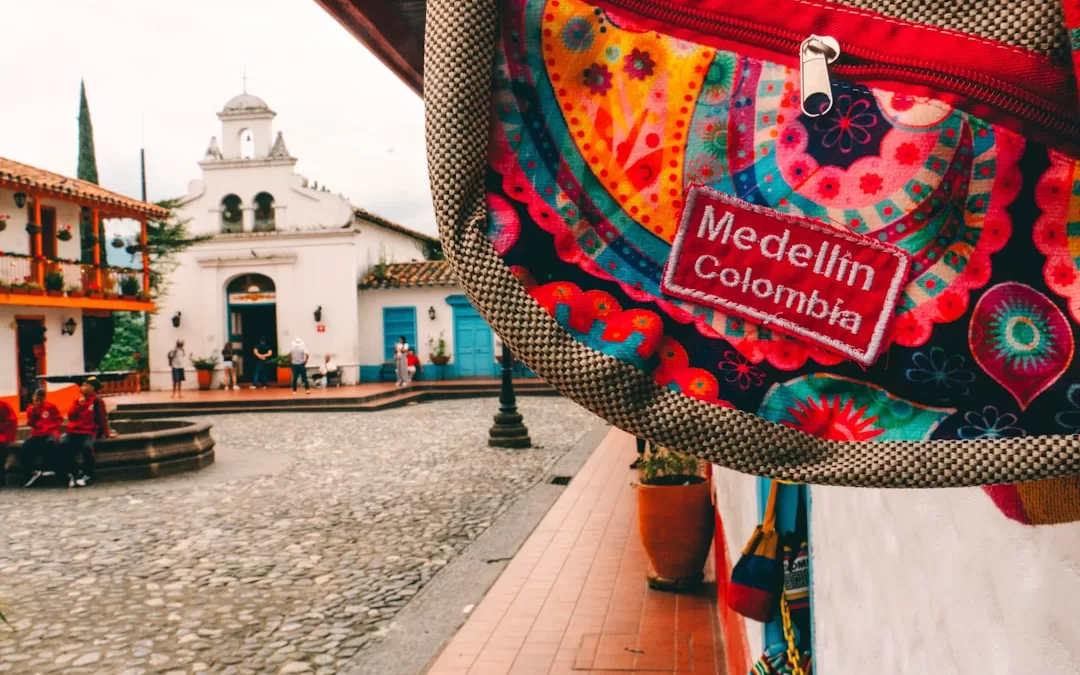
Colombia’s postcard-perfect coastlines and colorful colonial cities have long been magnets for global travelers seeking adventure, culture, and nature in one destination. But behind the idyllic images of Cartagena’s cobblestone streets or Tayrona’s golden beaches, a troubling reality is unfolding. Recent reports highlight growing instability and rising incidents of violence that threaten to undermine Colombia’s hard-won tourism reputation. According to a Digital Journal feature, this “trouble in paradise” raises urgent questions about traveler safety, local livelihoods, and the future of one of South America’s fastest-emerging destinations.

This article explores the evolving situation in Colombia’s key tourist regions. Readers will learn how local authorities, hospitality stakeholders, and international travelers are responding to security concerns — and what practical steps can reduce risks while still making the most of Colombia’s diverse travel opportunities. Combining up-to-date news with SEO-driven insights, we’ll delve into the causes of the unrest, its economic impacts, and how sustainable tourism might offer a way forward for the country’s global image.

Colombia Tourism Under Pressure: Understanding the Current Situation

The past decade witnessed an impressive revival of Colombia’s tourism industry. Following the 2016 peace agreement, international arrivals surged as images of Bogotá’s art-filled districts and Medellín’s innovation corridors drew global media attention. However, in 2024, rising tensions and localized conflicts between criminal groups in coastal and rural regions have reignited fears that safety may once again deter foreign visitors.

Rising Security Challenges in Tourist Regions

Reports indicate recent flare-ups of violence in formerly calm zones along the Caribbean coast and in parts of the coffee-growing regions. While Colombia remains largely safe for the vast majority of travelers, isolated events — such as robberies, road closures, or clashes involving illegal groups — create negative headlines that travel quickly across social media and international press coverage. These stories, unfortunately, have an outsized influence on travelers’ perceptions.

Government and Community Response

The Colombian government, through its Ministry of Commerce, Industry and Tourism, has launched stronger coordination with local security forces and tourism clusters. Increased police presence in key tourist towns and targeted information campaigns aim to rebuild trust. Local communities are also organizing neighborhood watch programs and promoting sustainable tourism activities that let visitors engage responsibly, fostering both safety and inclusivity.

Economic Impact of Violence on Colombia’s Travel Industry

The economic fallout from negative travel advisories can be substantial. Tourism supports over 1.4 million jobs in Colombia and contributes nearly 4% to national GDP. When insecurity narratives dominate, small hospitality businesses — many owned by families or cooperatives — feel the effects almost immediately.

Loss of International Confidence

Several tour operators have reported cancellations or postponements linked to safety fears, particularly from markets in North America and Europe. Airlines and hotel chains often see short-term declines whenever international media highlight local violence. These dips in visitor arrivals ripple across the economy, affecting artisans, guides, and transport providers who rely on steady tourist flows.

Resilience Through Domestic and Regional Tourism

Despite the challenges, Colombia’s travel ecosystem has proved remarkably resilient. Domestic tourism and visitors from neighboring countries like Ecuador, Brazil, and Panama have helped stabilize regional economies during times of global uncertainty. The push for promoting “hidden gems” and community-based tourism experiences not only diversifies revenue but also disperses visitor traffic, helping avoid over-tourism and related social tensions.

Media Narratives and Traveler Perception

Media coverage plays a critical role in shaping how potential visitors perceive safety in Colombia. While legitimate concerns exist, sensationalized stories can overshadow the nuanced reality that most areas remain peaceful and welcoming. Travel experts advise maintaining perspective by distinguishing between isolated regional issues and nationwide instability.

The Power of Digital Platforms

Modern travelers rely heavily on digital media, user-generated reviews, and social sharing when making decisions. A surge in alarming posts on platforms like X (formerly Twitter) or TikTok can amplify fear. To combat misinformation, travel stakeholders are investing in digital storytelling, showcasing positive traveler experiences and the country’s resilience through authentic voices.

Transparency as a Trust Builder

Transparency is essential for rebuilding confidence. When tourism agencies, hotels, and tour companies openly communicate about safety practices — from local curfews to emergency contacts — they create trust. Visitors appreciate honesty and preparedness more than blanket assurances of safety.

Promoting Responsible and Safe Travel in Colombia

While the headlines may seem discouraging, travel experts insist that Colombia remains one of South America’s most rewarding destinations when approached with informed caution. Visitors can take simple, effective steps to ensure a safe journey while supporting communities that depend on tourism income.

Practical Safety Tips for Visitors

  • Stay updated on official travel advisories and local news before and during the trip.
  • Prefer registered transportation and avoid traveling at night between lesser-known towns.
  • Keep valuables secure and avoid public displays of wealth in urban centers.
  • Engage local guides who understand the area’s social and environmental dynamics.
  • Opt for accommodations recognized by sustainable tourism programs, such as Certificación de Turismo Sostenible, to support community-driven initiatives.

Community-Based and Sustainable Alternatives

Sustainable tourism in Colombia offers visitors a meaningful way to connect while lessening risks. Rural cooperatives in Coffee Country, eco-lodges in the Amazon, and indigenous Tayrona-led trail tours invite visitors to engage ethically with local life. These models channel revenue directly back to communities, empowering residents to maintain safety and sustainable growth.

Long-Term Solutions: Reimagining Colombia’s Tourism Future

To protect Colombia’s tourism potential, the country must address both immediate safety issues and the underlying socio-economic causes of conflict. That includes strengthening institutions, ensuring equitable development, and supporting initiatives that empower local populations to take ownership of their tourism resources.

Investing in Infrastructure and Education

Improved transportation, better rural connectivity, and language training programs can make destinations more accessible and visitor-friendly. Local education campaigns emphasizing hospitality skills and conflict resolution build a foundation for stability and civic pride among younger generations.

Marketing the New Narrative

Colombia’s tourism authorities are increasingly positioning the nation as a hub for “transformative travel” — where history, culture, and biodiversity intersect. By combining strategic SEO marketing with content authenticity, Colombia can reclaim positive digital visibility and attract travelers who value cultural immersion over superficial sightseeing.

Conclusion: Balancing Awareness with Optimism

The challenges facing Colombia’s tourism industry are real, but they need not define its future. For travelers, awareness is the key ally — knowledge and preparation empower safe and meaningful experiences. For the Colombian people, the path forward lies in resilience, transparency, and collaboration between local communities, government partners, and international stakeholders.

Ultimately, Colombia’s story remains one of transformation. As it navigates current turbulence, the country continues to offer a mosaic of landscapes, flavors, and traditions that few destinations can match. By addressing safety concerns with honesty and adopting sustainable practices that benefit all, Colombia can preserve its natural and cultural treasures for generations to come — turning temporary trouble in paradise into an opportunity for lasting renewal.

If Colombia’s evolving security landscape has you rethinking plans, you might compare risks and advisories in Navigate the World: Stay Informed and Travel Smart or consider alternative low‑risk getaways from Explore the Safest Holiday Destinations for 2026.

Continue your reading here My Flight One Travel Blog
Enjoy our game while waiting for your flight Fly the plane by My Flight One
Global Travel Reawakens: A Thriving New Tourism Era

Global Travel Reawakens: A Thriving New Tourism Era

The global travel landscape is experiencing a powerful surge as multiple countries reopen and expand tourism activities during the Labour Day holiday weekend. With nations such as China, Brazil, Japan, South Korea, Thailand, and France leading the way, the global tourism sector is witnessing renewed vitality and excitement. This momentum underscores the desire among travelers to explore, connect, and rejuvenate after years of restricted movement. The trend is not just a recovery — it’s a transformation of how people experience the world.

In this article, inspired by the report “China Joins Brazil, Japan, South Korea, Thailand, France and More Countries Powercharge Travel as Labour Day Holiday Weekend Tourism Booms” published by Travel and Tour World, we explore the surge in international travel and what it means for the tourism economy. We’ll examine global participation, travel trends, localized impacts, and technological enablers driving this resurgence — while providing travel insights that global adventurers, industry professionals, and policymakers can use to plan ahead.

Labour Day Holiday: A Global Catalyst for Tourism

The Labour Day weekend has become more than a public holiday; it’s now a strategic travel period fueling both domestic and international tourism. This year has seen record-breaking movements of tourists across continents, with airports bustling and hotels reaching near-full occupancy. Nations that previously relied heavily on inbound or outbound travel have diversified their tourism offerings, capitalizing on pent-up demand.

Surging Demand in Key Markets

China emerged as a focal point of this boom, with its domestic tourism surging to levels unseen since 2019. Railways, air travel, and scenic destinations reported overwhelming bookings. Likewise, Brazil saw a rise in regional travel, particularly toward eco-reserves and coastal cities. In Japan and South Korea, cultural tourism and shopping districts thrived as travelers chased seasonal festivals and traditional experiences.

Europe’s Dynamic Recovery

France and its European counterparts leveraged strong infrastructure and cultural programs to lure visitors. Paris, Lyon, and Nice reported increased occupancy, while the French Riviera prepared for a robust summer season. This strategic rebound mirrors Europe’s broader recovery goals, emphasizing sustainability and heritage protection alongside visitor growth.

Asia-Pacific Travel Boom: A Balancing Act

The Asia-Pacific region plays a critical role in global travel growth. Asia’s tourism hubs — including Thailand, Malaysia, Japan, and China — are managing the delicate balance between encouraging travel and maintaining sustainability. The Labour Day holiday period has become a testing ground for this equilibrium.

Thailand’s Strategic Tourism Appeal

The Land of Smiles continues to position itself as a major leisure and wellness destination. New visa-friendly policies, paired with digital-nomad initiatives, have attracted thousands of regional visitors. The Tourism Authority of Thailand’s campaigns emphasizing wellness travel and cultural immersion resonate with post-pandemic travelers seeking meaningful experiences.

Japan’s Cultural Magnetism

Japan’s festivals, from cherry blossom events to regional cuisines, remain key attractions. The country’s efficient transport networks and community-based tourism models have enabled sustainable influx management. The Labour Day holiday coincides with Japan’s Golden Week, amplifying movement patterns across major cities.

Technology and Smart Tourism Driving Global Momentum

One of the strongest undercurrents powering the tourism recovery is technology. From AI-driven travel planning tools to digital visa platforms, innovations are reshaping the way people engage with destinations. Smart tourism ecosystems are streamlining travel logistics, enhancing visitor experience, and ensuring safety compliance.

Digital Platforms Accelerating Bookings

Online booking platforms have witnessed exponential growth. The use of personalized recommendations through machine learning algorithms enhances conversion rates and traveler satisfaction. Moreover, real-time data analytics enables destination managers to predict demand surges, optimizing transportation and accommodation resources.

AI and AR Enhancing On-Site Experiences

Destinations are increasingly embracing augmented reality (AR) and artificial intelligence (AI) for museum tours, heritage sites, and attractions. Visitors can explore cultural landmarks with multilingual, interactive narratives — reducing congestion and improving accessibility. The integration of AI-driven translation tools also breaks down linguistic barriers, fostering inclusivity and comfort for international travelers.

Economic Implications: Tourism as a Global Growth Engine

The profits generated during the Labour Day weekend mirror worldwide fiscal optimism in travel-centric economies. Tourism now contributes significantly to GDP growth for several emerging markets, with multiplier effects across industries including hospitality, retail, and transportation. The spending behavior during this period is a strong indicator of consumer confidence and policy effectiveness.

Boosting Local Communities

In many regions, the tourism rebound rejuvenates local entrepreneurship. From craft markets to homestay programs, communities are benefitting directly. Governments in Asian and Latin American countries are offering micro-loans and grants to ensure small businesses can innovate within the expanding tourism framework.

Infrastructure Modernization

Countries such as China and South Korea have massively invested in transport, digital connectivity, and eco-friendly infrastructure to accommodate travel surges. These upgrades don’t only serve tourism but also improve local living conditions and future economic resilience. Airports, high-speed trains, and smart city initiatives symbolize the alignment of public planning with sustainable tourism goals.

Sustainability and Responsible Tourism

As demand rises, so does awareness of travel’s environmental impact. Tourists are now prioritizing destinations that offer eco-certifications, ethical wildlife experiences, and carbon-neutral lodging. Governments and businesses are responding with stricter environmental frameworks and innovative initiatives aimed at balancing growth with conservation.

  • Eco-friendly accommodations: Hotels are integrating renewable energy sources and adopting zero-waste practices.
  • Slow travel trends: Tourists are spending longer durations in fewer destinations, enhancing cultural depth.
  • Community-based tourism: Local engagement ensures equitable distribution of tourism income.

Key Takeaways for Travelers and Industry Stakeholders

The Labour Day tourism expansion demonstrates a positive trajectory for global travel markets, indicating renewed confidence in both local and international journeys. For travelers, this period marks the golden opportunity to rediscover global destinations with flexibility, technology, and sustainability in mind. For governments and businesses, it highlights the continued importance of intelligent planning, technological adoption, and resilient infrastructure.

  1. Travellers crave authenticity — destinations offering culture, wellness, and nature thrive fastest.
  2. Technology, AI, and sustainability together shape the “new normal” in travel operations.
  3. Seasonal holidays are now leveraged as global economic stimulators, not just leisure breaks.

Conclusion: The Future of Global Travel Begins Now

As the tourism world powers through a vibrant return, it’s clear that the synergy between innovation, sustainability, and policy foresight defines success. The momentum seen this Labour Day weekend signals a renewed global appetite for adventure and human connection. Nations that embrace inclusivity, responsible tourism, and digital transformation will continue leading this new era of travel — one that is smarter, more sustainable, and more connected than ever before.

For the full feature highlighting this global phenomenon, read the original article on Travel and Tour World.

For more insight into how destinations are adapting to today’s tourism rebound and changing traveler expectations, explore top travel trends shaping 2025 and 2026 adventures and discover how off-peak escapes are redefining European travel year-round.

Continue your reading here My Flight One Travel Blog
Enjoy our game while waiting for your flight Fly the plane by My Flight One
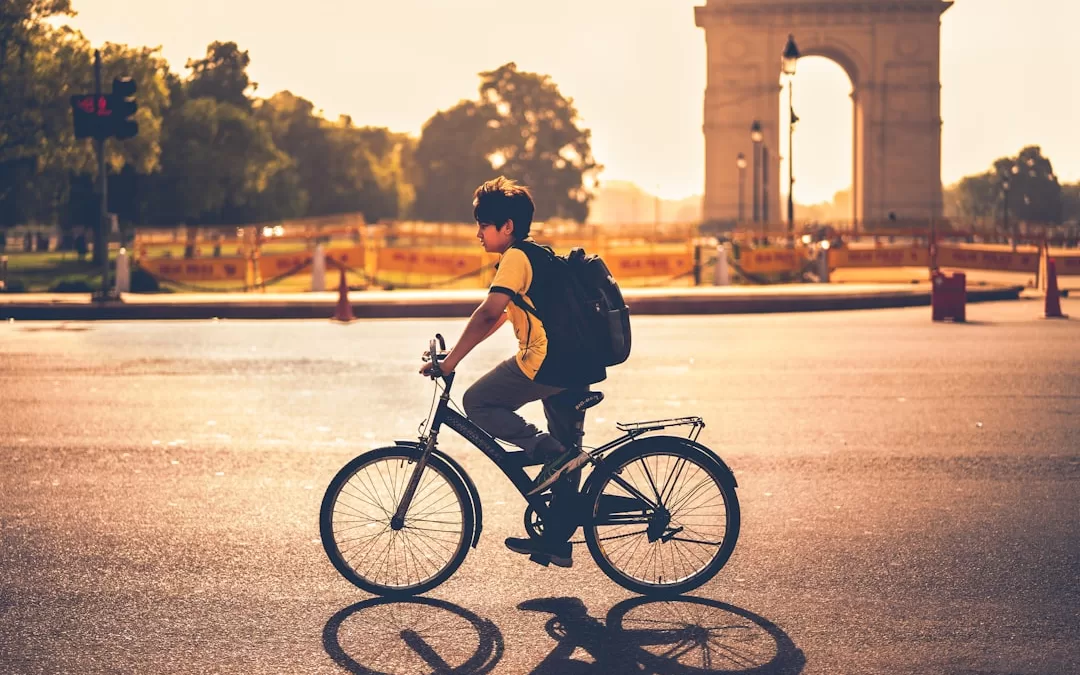
Explore the Safest Holiday Destinations for 2026

Explore the Safest Holiday Destinations for 2026

Planning your next vacation means more than just picking a dreamy destination—it’s about finding places where you can truly relax, explore, and feel safe. As travelers become more aware of global security conditions and travel advisories, the importance of choosing safe holiday destinations has never been greater. The Top Safest Holiday Destinations for 2026 are shaping up to be a perfect balance of adventure, culture, and peace of mind.

This article breaks down the world’s safest countries to visit in 2026, highlighting destinations with strong infrastructure, low crime rates, and trusted travel ratings backed by official government data. Drawing insights from the original report by Travel and Tour World, we dive into what makes these nations stand out—from their effective law enforcement and advanced healthcare to community trust and political stability. Whether you’re a solo adventurer, a family traveler, or a digital nomad, this guide helps you select a destination where safety and serenity go hand in hand.

Top Safest Countries for Holidays in 2026

Iceland: The Epitome of Peace and Security

Iceland consistently lands at the top of global safety indexes—and 2026 is no exception. With virtually zero violent crime and a highly cohesive society, this Nordic island offers travelers unrivaled peace of mind. Visitors can roam its volcanic landscapes, soak in natural hot springs, or marvel at the Northern Lights, all while knowing that public safety standards here are among the best in the world.

Switzerland: A Haven for Secure and Scenic Travel

Switzerland’s reputation for neutrality extends far beyond politics—it’s also one of the safest destinations in Europe. Its low crime rate, efficient emergency services, and transparent governance make it a top choice for global travelers. The combination of alpine beauty, excellent transport, and impeccable healthcare ensures an ideal environment for both relaxation and exploration.

Japan: Tradition Meets Technological Security

Japan’s meticulous attention to order, cleanliness, and respect make it one of the top safe travel destinations in Asia. Its strong police presence, advanced infrastructure, and culture of mutual respect mean visitors can confidently navigate both megacities like Tokyo and serene rural areas like Kyoto and Hokkaido. Japan’s commitment to public safety aligns perfectly with its hospitality-driven tourism sector.

Factors That Define the Safest Holiday Destinations

Strong Government Policies and Rule of Law

The world’s safest countries for 2026 are backed by sound legal frameworks and efficient policing. These nations maintain transparency, implement strong justice systems, and ensure accountability in governance—all contributing factors to low crime rates and community trust.

Low Crime Rates and Community Trust

Safety isn’t only about government oversight—it’s also about community culture. In countries like New Zealand and Denmark, for instance, high levels of social trust correlate directly with low crime levels. This combination fosters environments where travelers can confidently explore, even in remote areas.

Healthcare and Emergency Infrastructure

Another key factor influencing travel safety is access to world-class healthcare and responsive emergency services. Nations with modern hospitals, trained emergency responders, and reliable communication systems offer greater security to all travelers, especially families and retirees.

Hidden Gems with Exceptional Security Ratings

Singapore: Urban Safety Done Right

Singapore ranks among the world’s safest cities thanks to strict law enforcement, efficient public transport, and a culture of respect and cleanliness. It’s an ideal pick for travelers who crave cosmopolitan energy with zero compromise on personal security.

Portugal: The Western Europe’s Peaceful Corner

Over the past decade, Portugal has emerged as one of the friendliest and safest countries in Europe. Low political tension, minimal violent crime, and an exceptional healthcare system make it a top pick for both short-term holidays and long-term stays. Cities like Lisbon and Porto offer an incredible mix of safety, sunlight, and culture—perfect for 2026 travelers seeking a peaceful European escape.

Canada: A Global Standard for Traveler Safety

Canada’s reputation for inclusivity and community-based safety policies has made it a perennial favorite. Its effective urban planning, low incidence of violent crime, and respect for diversity make it a top North American destination for safe travel in 2026. From Vancouver’s mountains to Montreal’s culture, Canada offers a secure yet adventurous experience.

How Travel Ratings Influence Your Destination Choice

Understanding Government Safety Rankings

Trusted government organizations, including the U.S. State Department and the UK Foreign Office, regularly update travel advisories to help tourists make informed decisions. These reports are key sources in identifying destinations that not only look appealing but are also safe to explore. Countries maintaining Level 1 or Level 2 advisory statuses are generally considered low-risk and suitable for international visitors.

Role of Global Safety Indices

Indices like the Global Peace Index and the Safe City Index serve as indispensable tools for travelers. They analyze factors such as political stability, healthcare accessibility, digital security, and environmental safety. Nations like Norway, Finland, and Austria consistently rank high across these platforms, underlining their trusted reputations as secure travel hubs.

Traveler Reviews and On-the-Ground Experiences

While official data is crucial, real-time traveler feedback also matters. Platforms like TripAdvisor and travel forums highlight first-hand experiences, adding a human dimension to the numbers. By blending statistical rankings with actual visitor insights, travelers can craft itineraries that are not just statistically safe but also genuinely enjoyable.

Tips for Choosing and Enjoying a Safe Vacation in 2026

  • Check travel advisories regularly through official government portals before booking.
  • Prioritize health coverage—ensure your travel insurance includes emergency evacuation and medical assistance.
  • Learn basic local phrases to enhance communication and safety awareness in non-English-speaking regions.
  • Respect local customs and laws to avoid unintended legal issues or cultural misunderstandings.
  • Stay connected by maintaining digital backups, GPS apps, and contact with embassies or consulates.

Emerging Trends in Safe Travel for 2026

Technological Solutions Enhancing Traveler Security

From biometric screening at airports to AI-driven health tracking apps, technology is redefining what safe travel means. Digital innovation is enabling seamless navigation, fraud prevention, and emergency assistance, giving travelers extra confidence when exploring new destinations in 2026.

Rise of Sustainable and Security-Conscious Tourism

Travelers are seeking destinations that combine security with sustainability. Countries focusing on eco-friendly infrastructure and optimized urban planning—such as Finland and Costa Rica—are building environments that feel safer and more welcoming. This merging of sustainability and security sets a new standard for the global tourism industry.

Community-based Travel Experiences

Local engagement remains a growing trend. Participating in community-led tourism projects enhances both traveler safety and cross-cultural appreciation. Local guides often provide invaluable insights into areas beyond tourist routes while maintaining security and cultural respect.

Conclusion: Choosing Safety as the Heart of Travel in 2026

As the world continues to evolve, travelers in 2026 have more choices than ever—but prioritizing safety is key to a fulfilling journey. Destinations like Iceland, Japan, and Switzerland set shining examples, while hidden gems such as Portugal and Singapore prove that safety and excitement can coexist beautifully.

By combining data-driven insights, traveler feedback, and global safety ratings, you can confidently plan a vacation that delivers peace of mind alongside unforgettable memories. For a detailed look at the complete list of secure destinations, visit the original Travel and Tour World article. Your next safe adventure awaits—make 2026 the year of worry-free travel.

For more ideas on low-risk getaways that balance fun with peace of mind, check out Navigating 2026: Travel Safely with Expert Tips and explore destination inspiration in Discover 2026’s Most Welcoming Travel Destinations.

Continue your reading here My Flight One Travel Blog
Enjoy our game while waiting for your flight Fly the plane by My Flight One

Embrace Adventure 2024: Top Active Travel Destinations

Embrace Adventure 2024: Top Active Travel Destinations

Active travel is redefining the way we explore the world. More travelers are seeking immersive experiences that blend adventure, culture, and sustainability. Whether it’s cycling through the rolling vineyards of Tuscany, hiking along the Inca Trail to Machu Picchu, or kayaking across the azure lakes of New Zealand, today’s explorers are prioritizing movement and meaningful connections over passive sightseeing.

This in-depth guide highlights the most exciting active travel destinations shaping global tourism trends, inspired by the latest insights from Travel And Tour World. You’ll discover how destinations are evolving to meet growing traveler demand for outdoor exploration, wellness-focused experiences, and culturally rich itineraries. We’ll also share insider tips for planning your next adventure-packed holiday—optimized for both thrill and sustainability.

The Rise of Active Travel and Why It’s Trending Worldwide

In recent years, active travel has transformed from a niche market into one of the fastest-growing sectors of tourism. Post-pandemic travelers are increasingly seeking movement, wellness, and eco-conscious experiences. This shift has influenced tour operators, hotels, and tourism boards to design experiences that integrate physical activity and nature connection.

Health and Wellness-Focused Journeys

Modern travelers prioritize holistic well-being. From guided yoga retreats in Bali to cycling tours across Northern Spain, wellness-oriented itineraries promote mindfulness, balance, and physical vitality. These travel styles not only rejuvenate the body but also provide mental clarity through immersion in nature.

Adventure with Purpose

Adventure tourism once meant pure adrenaline—today it combines excitement with intention. Hike for conservation awareness in Costa Rica or join reef restoration dives in Indonesia. This purposeful element enhances traveler satisfaction while contributing to local sustainability efforts.

Top Global Active Travel Destinations for 2024

According to Travel And Tour World, destinations that encourage outdoor exploration and adventure tourism are surging in popularity. Here are the top destinations setting the tone for 2024:

1. New Zealand – The Ultimate Adventure Playground

Renowned for its breathtaking scenery, New Zealand is a haven for thrill-seekers. Whether it’s the multi-day treks along Tongariro Alpine Crossing, bungee jumping in Queenstown, or kayaking around Abel Tasman National Park, the country’s focus on nature-driven recreation continues to attract active travelers.

2. Spain – Europe’s Cycling and Hiking Capital

From the Camino de Santiago pilgrimage routes to the cycling paths that wind through Andalusia, Spain offers unforgettable active travel experiences. The blend of culture, cuisine, and varied terrains makes it a favorite for both beginners and seasoned adventurers.

3. Costa Rica – Pioneer in Eco and Adventure Tourism

Famed for its biodiversity, Costa Rica stands as an eco-tourism leader. Canopy ziplining, volcano trekking, and rainforest exploration offer year-round activity for travelers looking to stay active while learning about conservation. The “Pura Vida” lifestyle perfectly complements this sustainable adventure.

4. Italy – Active Trails Through Timeless Landscapes

Italy’s scenic countryside provides more than just a backdrop—it’s an invitation to move. Rural regions like Tuscany and the Dolomites invite cycling, trekking, and wine-country exploration on foot. Combining activity with gastronomy makes for a uniquely indulgent active getaway.

5. Japan – Tradition Meets Outdoor Exploration

Japan’s alpine landscapes, sacred pilgrimage paths like Kumano Kodo, and countryside cycling tours offer an active yet deeply cultural travel experience. Its strong infrastructure and respect for nature create a seamless balance between comfort and adventure.

How Travel Operators Are Adapting to Active Tourism

The rise in demand for active travel destinations has prompted tourism operators to transform service models. From multi-day expedition routes to small-group nature treks, the industry’s response ensures both safety and authenticity.

Sustainable Itinerary Design

Operators emphasize low-impact travel, encouraging walking, cycling, and rail-based movement instead of carbon-heavy options. Partnerships with local communities enrich the traveler experience while supporting local economies.

Digital Tools for Seamless Planning

Travel technology now enables travelers to pre-map cycling routes, reserve eco-lodges, and customize outdoor experiences. Mobile apps sync with navigation devices to ensure smooth journeys, even in remote landscapes.

Personalized Group Travel Experiences

Smaller travel groups create intimate, customized adventures. These curated trips often focus on specific interests—whether wildlife photography, endurance running, or coastal kayaking—creating memorable experiences for every passion.

Essential Tips for Planning an Active Vacation

Proper preparation ensures a rewarding and safe adventure. Here are key steps for planning your next active travel experience:

  • Determine your fitness level: Match your physical abilities with suitable activities—some destinations cater to light activity, others to extreme endurance.
  • Check seasonal conditions: Weather dramatically influences certain activities. Research the best season for your chosen destination to maximize experience quality.
  • Pack smart: Invest in high-quality footwear, moisture-wicking clothing, and compact gear. Leave unnecessary items behind to stay flexible.
  • Prioritize safety: Always travel with updated travel insurance and familiarize yourself with emergency contacts in each area.
  • Respect local cultures: Active travel often brings you closer to communities—embrace local etiquette and contribute positively to their economy.

The Future of Active Travel Destinations

The landscape of active travel is continuously evolving. Environmental awareness, technological advancement, and shifting traveler priorities will shape its future. Anticipate growth in remote work–travel hybrids, sustainable expedition cruises, and regenerative tourism initiatives.

Emerging Technologies in Adventure Travel

Innovations like wearable health trackers, augmented reality route guides, and AI-based itinerary planners will redefine how travelers engage with their environment. Expect a blend of nature and technology enhancing safety, comfort, and personalization.

Community-Centered Tourism Models

Future travel models center local communities as key stakeholders. By merging adventure with cultural immersion, travelers can actively preserve local craftsmanship, traditions, and ecosystems.

Conclusion: Active Travel as the Future of Conscious Exploration

The demand for active travel isn’t a passing trend—it’s a movement towards conscious, sustainable living. These destinations invite travelers to embody curiosity, movement, and mindfulness while discovering the planet’s natural beauty. Industry innovation and eco-awareness ensure that future adventures promote both human and environmental well-being.

For more travel updates, trends, and inspiration on the top active travel destinations, visit Travel And Tour World.

For more inspiration on where movement and exploration take center stage, check out extraordinary global dive spots for adventure seekers or broaden your plans with unbeatable 2026 travel destinations and deals that balance excitement and value.

Continue your reading here My Flight One Travel Blog
Enjoy our game while waiting for your flight Fly the plane by My Flight One