



Lunar New Year Travel: Hong Kong’s Festive Wanderlust

Lunar New Year Travel: Hong Kong’s Festive Wanderlust

Lunar New Year Travel Surge: Hong Kong Residents Rediscover Asia’s Most Coveted Holiday Destinations

Every Lunar New Year brings with it excitement, tradition, and a spirit of exploration—and this year is no exception. According to Travel and Tour World, Hong Kong’s residents are setting off in record numbers across Asia, eager to celebrate the season with sunshine, culinary delights, and cultural festivities. The post-pandemic travel resurgence has ignited a new wave of wanderlust across the region, transforming Lunar New Year into one of the busiest travel seasons of the year.

This article explores what’s fueling this surge, the most sought-after destinations, and how travelers from Hong Kong are redefining the way Asia celebrates one of its most culturally rich holidays. Readers will gain insights into current travel trends, emerging hotspots, and practical tips for navigating the festive rush while making the most out of their travels during this special time.

The Rise of Festive Travel During Lunar New Year

Shifting Travel Patterns Among Hong Kong Residents

Historically, the Lunar New Year was a home-centered occasion where families gathered for reunions and traditional dinners. However, the dynamic post-pandemic climate has reshaped these customs. Today, Hong Kong travelers increasingly see the holiday as an opportunity for cross-border cultural experiences and rejuvenating escapes. This modern approach to travel reflects a growing desire for balance between family connection and leisure exploration.

Industry reports show that short-haul trips across Asia have surged dramatically—destinations such as Japan, Thailand, South Korea, and Taiwan lead the list. Many Hongkongers are selecting itineraries that combine cultural discovery with relaxation, signaling a profound transformation in festive travel preferences.

Airfare and Accommodation Demand Spikes

With the Lunar New Year marking one of Asia’s busiest travel windows, airlines and hotels are witnessing unprecedented demand. Seat capacity between Hong Kong and nearby Asian destinations has expanded by double digits compared to previous years, while major carriers are adding supplementary flights to meet the surge. Meanwhile, hotels and homestays in popular tourist hubs are experiencing occupancy rates nearing full capacity weeks before the festival even begins.

Trending Asian Destinations for Lunar New Year Escapes

Japan: Winter Splendor and Tradition

Japan continues to be a top choice among Hong Kong residents during the Lunar New Year season. From the neon-lit energy of Tokyo to the serene temples of Kyoto and the snow-covered landscapes of Hokkaido, travelers find a perfect blend of cultural heritage and modern appeal. Winter festivals, traditional ryokan experiences, and an unmatched culinary journey make it irresistible for families and younger travelers alike.

Thailand: Sun, Spas, and Street Food

Thailand’s warm climate and vibrant hospitality make it another favorite among holidaymakers escaping the city chill. Bangkok’s street food alleys, Chiang Mai’s mountain retreats, and Phuket’s pristine beaches allow Hongkongers to indulge in a mix of excitement and serenity. During Lunar New Year, Bangkok’s Chinatown transforms into a visual spectacle of red lanterns, dragon dances, and fireworks displays—a true feast for the senses.

South Korea and Taiwan: Cultural Comforts and Close Connection

Proximity plays a major role in the popularity of destinations like Seoul and Taipei. Easy flight connections and cultural familiarity appeal to those looking for shorter yet fulfilling vacations. Korea’s winter charm, coupled with shopping and K-drama allure, makes it a trending spot. Taiwan, on the other hand, offers heartfelt hospitality, street food adventures, and night markets that bring back nostalgic flavors of Lunar New Year celebrations.

Socioeconomic Factors Driving the Travel Surge

Post-Pandemic Economic Stability

Improved consumer confidence and economic resilience have empowered more Hong Kong residents to plan overseas trips. As travel restrictions have eased across Asia, families are catching up on missed experiences. The desire to reconnect with culture and explore cross-border communities has never been stronger, creating a ripple effect on regional tourism economies.

Flexible Work Patterns and Lifestyle Shifts

Remote work and flexible employment policies have contributed significantly to the rise in vacation extensions. Many travelers are now combining leisure with “workations,” extending traditional holiday durations beyond typical long weekends. This shift has contributed to elevated demand for premium lodging, digital connectivity, and personalized travel services.

Increased Airline Capacity and Promotions

Airlines have strategically capitalized on the seasonal spike by offering Lunar New Year travel packages, loyalty promotions, and discounted fares. Low-cost carriers have expanded accessibility for younger audiences, while full-service airlines are elevating premium cabin experiences. Together, these dynamics have intensified travel traffic—a sign of vibrant tourism recovery in Asia.

Lunar New Year Tourism Trends Across Asia

Rise of Cultural and Experiential Tourism

Asia’s renewed tourism ecosystem emphasizes immersive local experiences rather than traditional sightseeing. Lunar New Year travelers are participating in local parades, learning traditional crafts, and attending regional festivals. This cultural depth adds greater meaning to their journeys while sustaining local traditions that might otherwise face decline.

Tech-Savvy Travel Planning

From mobile passport apps to AI-powered itinerary builders, Hong Kong travelers are among the most digital-forward in Asia. The use of smart travel tools helps streamline flight bookings, plan dining experiences, and manage transportation logistics. These advancements allow for seamless, real-time travel adjustments—a necessity during peak holiday seasons.

Sustainability and Mindful Travel

There is also a rising awareness about sustainable tourism. Eco-friendly hotels, carbon offset airfare options, and community-focused tours are gaining traction among environmentally conscious travelers. Many Hong Kong residents are now aligning their Lunar New Year trips with values of conservation and local impact.

Travel Tips for a Smooth Lunar New Year Getaway

  • Book Early: Secure flights and accommodations at least a month in advance to avoid premium pricing.
  • Choose Flexible Travel Dates: Departing slightly before or after peak days can save both time and money.
  • Travel Insurance: Protect against last-minute cancellations or unexpected delays, especially during busy holiday periods.
  • Explore Offbeat Locations: Consider alternative destinations such as Vietnam’s Da Nang, Indonesia’s Yogyakarta, or Malaysia’s Penang for a more relaxed experience.
  • Pack Light, Travel Smart: With increased security checks and packed airports, minimal luggage ensures smoother transit.

Leveraging Travel Apps and On-the-Go Resources

Apps like Google Maps, Trip.com, and Klook simplify navigation, restaurant reservations, and attraction bookings. Currency converters and translation tools enhance communication experiences, making travelers more confident as they immerse in local cultures.

The Broader Impact on Regional Tourism

Boosting Local Economies

The Lunar New Year travel surge benefits not only airlines and hotels but also local artisans, cultural performers, and small businesses. Hong Kong’s outbound tourism directly fuels regional growth, ensuring that the ripple effect of holiday travel reaches beyond major tourist hubs into local communities.

Government-Initiated Tourism Campaigns

Many Asian governments are capitalizing on this influx by launching targeted campaigns to attract Chinese-speaking travelers. Events like Thailand’s “Amazing New Chapters” and Japan’s “Enjoy My Japan” are tailored toward offering inclusive, culture-driven experiences. Such initiatives fortify Asia’s position as a cohesive, interconnected travel region.

Cross-Cultural Exchange and Shared Festivities

When travelers cross borders during the Lunar New Year, they carry traditions and values that enrich host communities. The exchange of customs—like red envelopes, lantern festivals, and food rituals—highlights Asia’s unity in diversity, while celebrating cultural individuality.

Conclusion: A New Era of Festive Wanderlust

The Lunar New Year travel boom underscores Hong Kong’s pivotal role in Asia’s tourism revival. As more residents venture out to explore nearby nations, they are not only seeking leisure but contributing to a broader narrative of cultural exchange, economic recovery, and regional harmony. The way Hong Kong celebrates has evolved—from being home-centered to world-centered—offering new opportunities for meaningful travel.

For travelers, the message is clear: the modern Lunar New Year is as much about connection as it is about exploration. Whether you’re walking through Kyoto’s shrines, savoring street food in Bangkok, or watching fireworks over Taipei’s skyline, this is the time to rediscover Asia’s diversity through festive eyes.

For more travel insights and the original article inspiration, visit Travel and Tour World.

Continue your reading here My Flight One Travel Blog
Enjoy our game while waiting for your flight Fly the plane by My Flight One

5 Budget Destinations Bourdain Skipped but You Shouldn’t

For travelers seeking both adventure and affordability, discovering destinations that balance culture, comfort, and cost can be transformative. Yet even the most seasoned travelers—like the late culinary explorer Anthony Bourdain—had places they chose not to visit. Exploring these regions today reveals a fascinating contrast between perception and reality. This article revisits five affordable travel destinations Anthony Bourdain avoided visiting and dives into why modern travelers might see them differently. Inspired by insights from this original post, we’ll explore what makes these destinations budget-friendly, safe, and culturally rich choices for today’s explorers.

Readers will learn about the local appeal of these underrated destinations, discover why Bourdain may have bypassed them, and find out how travel accessibility, safety standards, and tourism development have evolved. By blending cultural context with practical advice, this post helps travelers plan smarter, more intentional journeys—all while optimizing for the keyword affordable travel destinations.

1. Eastern Europe’s Hidden Gems: Affordable Cultural Capitals

Many travelers overlook Eastern Europe, assuming it lacks the glamour of Western counterparts. Yet cities like Budapest, Kraków, and Bucharest offer an irresistible combination of low costs, deep history, and dynamic food scenes. These affordable travel destinations pack historic architecture, walkable neighborhoods, and cafes that rival those in Paris—without the high prices.

Why Bourdain Might Have Avoided Them

During his travels, Bourdain often sought regions known for culinary authenticity and socio-political complexity. Eastern Europe’s emerging economies and former Soviet influence may have represented less culinary discovery at the time. But today, these cities have matured into gastronomic powerhouses where local chefs embrace farm-to-table ingredients influenced by centuries of trade.

How Travelers Benefit Now

  • Budget-friendly accommodations averaging 30–50% less than Western Europe.
  • Rich art, music, and café cultures thriving in revitalized city centers.
  • Expanding low-cost flight networks connecting to major European hubs.

2. The Philippines: Southeast Asia’s Budget Paradise

The Philippines has often stood in the shadow of neighboring Thailand and Vietnam, but it’s one of Asia’s most affordable travel destinations for beach lovers and culture seekers. With over 7,000 islands, travelers find white-sand beaches, world-class diving, and island hospitality—without straining their wallets.

Why Bourdain Might Have Skipped It

Bourdain prioritized urban centers and places undergoing cultural transformation. In his early years, tourism infrastructure in the Philippines lagged behind other Asian nations, limiting travel convenience. However, that has changed dramatically in the last decade.

Why Travelers Should Go Today

  • Island-hopping experiences cost a fraction of comparable tours elsewhere in Southeast Asia.
  • Local street food markets, such as those in Cebu and Manila, rival Bangkok’s flavors.
  • English proficiency makes communication smooth for first-time visitors.

The Philippines blends affordability with world-class hospitality, making it a rising star for digital nomads and nature travelers alike.

3. Morocco: North Africa’s Cultural and Budget Crossroads

As one of the most affordable travel destinations bridging Europe and Africa, Morocco delivers sensory overload: spice markets, desert treks, and sea breezes. Yet, despite its global reputation, it might surprise readers that Anthony Bourdain rarely featured Morocco in his work. The country’s multifaceted identity may have presented challenges for his narrative style, which thrived on gritty, untold stories rather than established tourist magnets.

Affordability and Accessibility

Travelers can expect lodging in authentic riads from $30 per night, hearty tagine meals for under $5, and budget flights from Europe starting at under $100. Add in stunning train routes across Fez, Marrakech, and Casablanca, and Morocco’s accessibility rivals some of Europe’s priciest cities.

Modern Traveler Appeal

  • Cultural immersion: historic souks and Berber villages make for excellent slow-travel experiences.
  • Adventure options: Sahara camping and surf-friendly coasts near Essaouira.
  • Affordability: authentic cuisine, textiles, and handicrafts that stretch every dollar.

4. Colombia: From Cautionary Tale to Affordable Hotspot

Colombia has long shed its outdated reputation as a dangerous country. Once a place travelers—and notable explorers like Bourdain—approached with caution, it’s now one of South America’s most vibrant and affordable travel destinations.

Why Bourdain Avoided It at First

Bourdain’s early career coincided with Colombia’s most turbulent decades. Political instability and safety issues overshadowed its natural and cultural beauty, keeping even experienced journalists at bay. In recent years, however, the narrative has changed dramatically.

Today’s Colombia

  • Budget-friendly cities: Medellín, Cartagena, and Bogotá offer global-grade accommodation starting under $40 per night.
  • Gastronomic evolution: chefs reinvent regional dishes with contemporary flair.
  • Adventure on a budget: affordable jungle treks, coffee tours, and coastal escapes on the Caribbean.

Colombia represents the new generation of affordable travel—an example of how perception, infrastructure, and creativity can reshape a country’s tourism narrative.

5. Albania: Europe’s Best-Kept Budget Secret

Few destinations capture the charm of the Mediterranean without its price tag like Albania. Once isolated and avoided by many Western tourists, including Anthony Bourdain, Albania now welcomes travelers searching for value, warmth, and authenticity. As one of Europe’s most affordable travel destinations, the country combines azure coasts, mountain trails, and ancient ruins—all at a fraction of Greece’s or Italy’s cost.

Why It Was Off Bourdain’s Map

In Bourdain’s era, Albania was still emerging from decades of political seclusion. Its tourism infrastructure was limited, and accessibility was tough even for well-traveled journalists. But that narrative has changed dramatically, and adventure seekers now find it refreshingly untamed.

Why Travelers Love It Now

  • Stunning affordability: coastal apartments from $25–$35 per night during summer.
  • Natural diversity: from the Albanian Alps to the Ionian Sea within hours of travel.
  • Cultural authenticity: warm locals, family-run eateries, and centuries-old hospitality traditions.

Understanding the Bourdain Factor in Affordable Travel

Anthony Bourdain’s travel philosophy centered around discovery through discomfort—seeking raw, human stories rather than destinations trending for affordability or luxury. However, his legacy sparks a modern conversation: can travelers find meaning in affordable travel destinations without sacrificing cultural authenticity? The answer, clearly, is yes.

The Changing Definition of Affordable Travel

Globalization, budget airlines, and community-driven platforms have reshaped what “affordable” means. Formerly overlooked countries are emerging as cultural treasures precisely because affordability no longer implies inaccessibility or lack of depth. The destinations Bourdain avoided now attract creatives, food lovers, and eco-conscious tourists looking to engage deeply while spending wisely.

Modern Traveler Mindset

  • Purposeful exploration: choosing travel with cultural impact over consumerism.
  • Slow travel: embracing longer stays in budget-friendly locales for meaningful immersion.
  • Sustainability: supporting local economies through ethical spending.

Travel Smart: Tips for Exploring Affordable Destinations

Knowing which destinations to visit is only half the journey. Smart travelers combine affordability with mindfulness and preparation. To make the most of your next adventure:

  1. Research off-season travel – Visit popular areas right before or after peak seasons to save on flights and lodging.
  2. Utilize local transport – Trains, buses, and shared rides offer authentic experiences while being budget-friendly.
  3. Eat locally – Regional dishes often cost less and tell richer cultural stories than international fare.
  4. Embrace flexibility – Affordable adventures sometimes mean adapting plans as you go; new opportunities often emerge unexpectedly.

Conclusion: Redefining Affordability in Global Travel

Exploring affordable travel destinations Anthony Bourdain avoided visiting isn’t just about saving money—it’s about rediscovering the world’s evolving story. From Eastern Europe’s hidden charm to Colombia’s rebirth, these countries demonstrate that affordability often aligns with authenticity, innovation, and resilience. Bourdain’s cautious omissions remind us that every destination transforms over time, and today’s travelers have a front-row seat to this evolution.

As global explorers continue to seek meaningful, budget-conscious experiences, these locations stand as testament to travel’s enduring power to connect, educate, and inspire. Whether you’re planning your next long-haul adventure or searching for a shorter cultural escape, these five destinations prove that the world is still full of places worth discovering—even those once left off the map.

Read more about the inspiration behind this topic at Islands.com’s in-depth post.

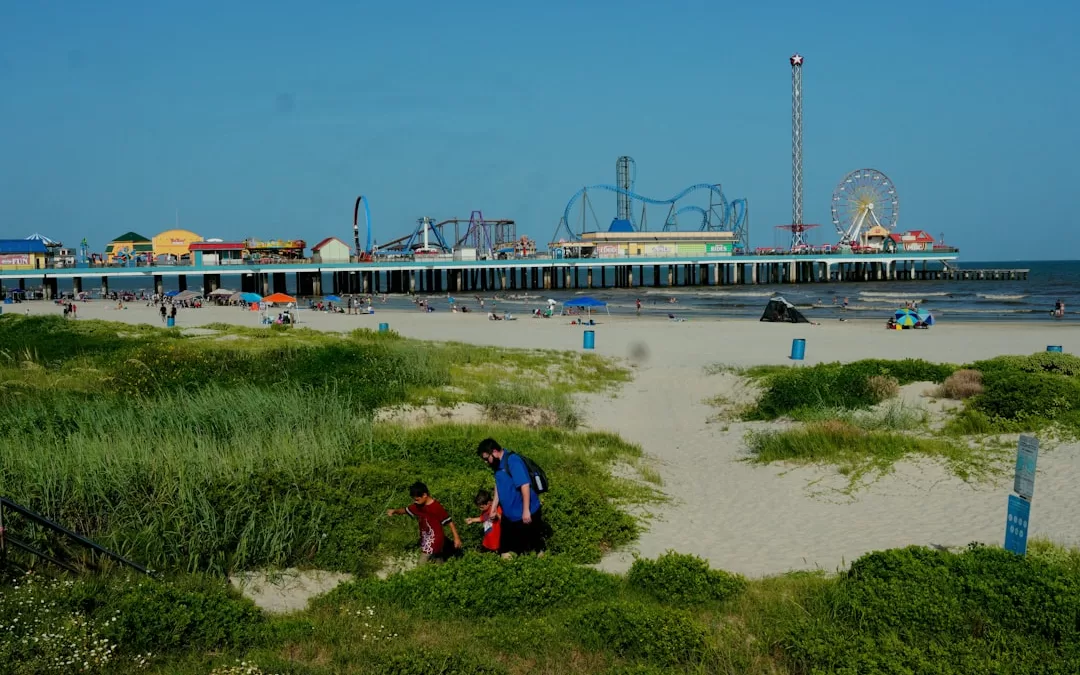
Galveston Rises as a Top Accessible Travel Hotspot

Galveston Rises as a Top Accessible Travel Hotspot

Galveston, Texas, has earned a coveted spot among the top U.S. travel destinations for accessibility and inclusivity, according to recent tourism news. In a landscape where travelers seek both comfort and experience, Galveston’s growing reputation as a welcoming coastal destination for all types of visitors—especially those with accessibility needs—is transforming how we define modern travel. This recognition underscores how strong community efforts, visionary planning, and inclusive design can redefine a city’s place on the map.

In today’s post, we’ll explore what makes Galveston such an exceptional destination—from its adaptive attractions and barrier-free beaches to its vibrant cultural scene and hospitality-forward initiatives. We’ll also dive into what this means for Texas tourism, how it sets a new standard for accessible travel in America, and why Galveston’s model provides valuable lessons for other cities around the world. (Read the original report here.)

Galveston’s New Recognition as a Top Tourist Destination

According to the Houston Chronicle feature, Galveston has been officially recognized as a leader in accessible tourism. This accolade wasn’t achieved overnight—it’s the result of years of inspired planning, investment, and collaboration among city officials, local businesses, and community advocates dedicated to enhancing visitor inclusivity.

Why This Recognition Matters

For travelers with disabilities, finding destinations that offer true accessibility remains a significant challenge. Galveston’s commitment goes beyond compliance—it integrates accessibility into every part of the visitor experience. From transportation infrastructure and lodging to entertainment venues and outdoor attractions, the island’s improvements create a holistic experience that caters to all.

Boosting the Local and Regional Economy

This recognition also spells great news for Texas tourism. Accessible travel isn’t just the right thing to do—it’s economically smart. As travel demographics evolve and more visitors seek comfort and flexibility, destinations like Galveston are well-positioned to capture this expanding market segment while elevating their reputation for hospitality excellence.

Inclusive Travel: What Makes Galveston Stand Out

Galveston’s approach to accessibility sets it apart. The city has invested in initiatives designed to ensure that everyone—from wheelchair users to families with strollers—can enjoy its beaches, historical landmarks, and vibrant downtown without barriers.

Accessible Beaches and Outdoor Attractions

  • Beach Wheelchair Rentals: Several locations along the Seawall provide complimentary or low-cost beach wheelchairs for easy water access.
  • Mobility Mats: Installed on popular beach access points, these allow all visitors to move comfortably across soft sand terrain.
  • Adaptive Water Sports: Local organizations now offer opportunities for adaptive surfing and kayaking, making coastal recreation more inclusive than ever.

Universal Design in the Built Environment

Galveston’s inclusive mindset extends to architecture and infrastructure. Many heritage sites and entertainment venues have implemented ramps, tactile signage, and adaptive restrooms in accordance with universal design principles. Accessibility is not an afterthought—it’s embedded in the experience.

Adaptive Cultural Experiences and Historical Exploration

Galveston’s rich tapestry of history, culture, and arts welcomes every visitor. Each corner of the island tells a story—one that remains accessible to people from all walks of life.

Accessible Museums and Exhibits

  1. The Bryan Museum: Offers elevator access and interactive technology that enhances visual and auditory learning.
  2. Moody Gardens: A globally recognized model for inclusive entertainment, providing sensory-friendly encounters for families and guests with autism spectrum needs.
  3. Galveston Railroad Museum: Restored passenger cars and visual displays have been adapted for wheelchair accessibility.

Events that Foster Inclusion

Throughout the year, Galveston’s event calendar is brimming with inclusive festivals—from its beloved Dickens on The Strand to beachfront cultural events—all designed with accessibility in mind. Event organizers collaborate with local accessibility advocates to ensure festival grounds and parking zones remain accommodating and safe.

Hospitality and Lodging: How Galveston Welcomes All Visitors

A great travel experience depends on where you stay—and Galveston’s hotels and short-term rentals are stepping up with accessible options that redefine comfort. Many accommodations along the Gulf now feature adaptive rooms with interior navigation aids, roll-in showers, and proximity to beachfront access points.

Hotel Initiatives Empowering Inclusivity

  • Staff Training: Staff undergo ongoing accessibility and disability awareness programs, ensuring every guest receives respectful and informed service.
  • Partnerships: Collaboration between the Galveston Convention & Visitors Bureau (CVB) and hospitality providers ensures consistency in quality and inclusivity standards.

This commitment also extends to short-term rentals, which increasingly specify detailed accessibility features for guests before booking—an essential move in today’s transparency-driven travel market.

Technology and Smart Tourism in Galveston

Technology plays a huge role in supporting accessible travel, and Galveston is embracing this transformation aggressively. Smart tourism tools—from mobile travel planners to inclusive navigation apps—are helping visitors find accessible attractions, accommodations, and dining in real-time.

Digital Platforms Enhancing Visitor Experience

  • Interactive Maps: Updated Seawall maps highlight accessible routes and facility locations.
  • Inclusive Navigation: Voice-guided apps and tactile feedback features cater to travelers with visual impairments.
  • AI-Powered Itinerary Planning: New software recommends accessible travel routes, dining spots, and events based on personal mobility preferences.

Impact on Tourism Marketing

By integrating accessibility keywords and inclusive storytelling across its digital platforms, Galveston continues to rise in search rankings for terms like “accessible Texas vacations” and “inclusive Gulf Coast destinations.” This forward-thinking SEO strategy aligns perfectly with the city’s authentic commitment to inclusivity.

Economic Growth Through Inclusive Tourism

Accessibility is an economic catalyst. Data from national tourism boards consistently show that travelers with disabilities and their companions represent a multi-billion-dollar market. When destinations prioritize inclusivity, they not only enhance reputation but also open doors to significant growth opportunities.

Tourism ROI and Local Impact

For Galveston, the payoff is tangible: increased overnight stays, expanded event participation, and positive media coverage. Local businesses—from restaurants to souvenir shops—benefit as tourism becomes more diverse and dynamic.

Attracting New Demographics

By positioning itself as a truly inclusive travel destination, Galveston appeals to a wider demographic: families, mature travelers, educators, and organizations planning accessible group trips. The multiplier effect from such audiences injects sustained vitality into the island economy year-round.

Looking Ahead: What’s Next for Accessibility in Galveston

The recognition of Galveston as a top tourist destination is not an endpoint—it’s a milestone. City leaders have plans to expand on current initiatives, integrating sustainability, digital innovation, and further accessibility investments into future urban development strategies.

Long-Term Vision for Inclusive Travel

Galveston aims to become a leading model for barrier-free travel in the southern United States. Policies focused on smart infrastructure and community participation ensure continuous progress, while partnerships with global tourism organizations keep the island aligned with international accessibility standards.

Community and Visitor Engagement

Residents, business owners, and accessibility advocates play an integral role. Through feedback portals, workshops, and visitor surveys, stakeholders help shape ongoing updates that reflect real visitor experiences. This collaborative approach redefines how destination management can evolve sustainably and inclusively.

Conclusion: Galveston’s Example for the Future of Travel

Galveston’s honor as a top destination for accessible travel stands as both a celebration and a challenge. It proves that meaningful change is possible when accessibility becomes part of a city’s DNA—woven into planning, promotion, and culture. For travelers, this means richer experiences. For Texas, it signals a new tourism paradigm built on inclusion, innovation, and empathy.

As more travelers seek destinations that welcome everyone, Galveston’s success story shines as a model for others to follow. With its commitment to ongoing improvement, technological evolution, and a genuine spirit of hospitality, this Gulf Coast gem has proven that inclusive travel isn’t a niche—it’s the future of global tourism. Learn more about the city’s accessibility initiatives here.

Continue your reading here My Flight One Travel Blog
Enjoy our game while waiting for your flight Fly the plane by My Flight One

Top 10 Must-Visit Travel Spots to Explore in 2026

Top 10 Must-Visit Travel Spots to Explore in 2026

Dreaming of your next adventure? National Geographic has unveiled its eagerly awaited list of the Top 10 Travel Destinations for 2026, offering a glimpse into the world’s most captivating and sustainable places to visit. These destinations, selected for their natural beauty, cultural importance, and forward-thinking approach to tourism, promise travelers extraordinary experiences that blend authenticity, adventure, and environmental awareness.

In this post, we’ll explore the highlights of National Geographic’s renowned roundup and uncover why each destination deserves a spot on your travel bucket list. You’ll also find tips on how to plan smartly, understand current travel trends, and make the most out of your upcoming trips with purpose and sustainability at heart. See the full story on WION News.

Emerging Travel Trends for 2026

The travel landscape has shifted dramatically in recent years, emphasizing meaningful, sustainable, and experience-driven tourism. According to National Geographic’s 2026 list, travelers are increasingly looking for destinations that align with their values and offer a balance between exploration and preservation.

Sustainability Takes Center Stage

Eco-conscious travel continues to define where people go and how they experience a destination. From carbon-neutral hotels to wildlife conservation programs, sustainability is no longer optional—it’s expected. Travelers in 2026 are seeking responsible tourism experiences that leave a positive impact on local communities and the environment.

Cultural Immersion Over Checklist Tourism

Rather than “country hopping,” vacationers are investing in deeper connections with local cultures. Expect more interest in heritage tours, community-led experiences, and culinary journeys that reveal the authentic flavor of a place.

Nature Reigns Supreme

Outdoor escapes dominate travel searches, with nature-based destinations like national parks, coastal islands, and remote mountain villages leading traveler wish lists. The focus is on wellness, adventure, and mental rejuvenation in the great outdoors.

Top 10 Travel Destinations for 2026

National Geographic’s selection reflects these trends beautifully. Although every region on the list offers something unique, all share a commitment to safeguarding cultural identity and environmental balance. Here are the highlights from the original article.

  1. Patagonia, Chile & Argentina – A paradise for trekkers and photographers, Patagonia offers glaciers, windswept plains, and untamed beauty. This rugged land symbolizes adventure travel at its finest and appeals to eco-tourists seeking off-grid exploration.
  2. Kyushu, Japan – Known for its volcanic landscapes and rejuvenating hot springs, Kyushu combines natural beauty with centuries-old culture. Its emphasis on sustainable tourism and cuisine innovation makes it an emerging hotspot for mindful travelers.
  3. Namibia, Africa – Home to surreal desert dunes and thriving wildlife, Namibia’s conservation efforts have become a global model. Travelers are drawn by its vast open skies and the chance to experience Africa with a lighter footprint.
  4. Scotland’s Outer Hebrides – Wild coastlines, Gaelic traditions, and community-led tourism define this archipelago. The islands represent Europe’s growing focus on slow travel and regional storytelling.
  5. British Columbia, Canada – This Canadian province invites visitors to explore its diverse wilderness—from coastal rainforests to snow-capped peaks—while celebrating Indigenous cultures and sustainable outdoor living.
  6. Athens, Greece – A city that artfully merges antiquity with innovation, Athens is redefining urban sustainability through green initiatives, pedestrian-friendly zones, and a booming creative scene.
  7. New Zealand’s North Island – A beacon for eco-travel, New Zealand remains a top pick thanks to its geothermal wonders, Maori culture, and enduring dedication to environmental protection.
  8. Bhutan – The Himalayan kingdom famed for “Gross National Happiness” continues to pave the way for low-impact tourism, inviting visitors to engage with its sacred heritage and breathtaking peaks.
  9. Albania – Once Europe’s hidden gem, Albania is now stepping into the spotlight with ancient ruins, pristine beaches, and welcoming locals. Sustainable initiatives are helping preserve its natural charm.
  10. Greenland – As one of the last frontiers for Arctic travel, Greenland offers a glimpse of the ice world like nowhere else. Adventure seekers and climate-conscious travelers alike are exploring this region for its raw, changing landscape.

Why These Destinations Stand Out

Commitment to Sustainability

Each destination emphasizes environmental responsibility, whether through conservation zones, renewable energy use, or eco-lodging. For instance, Patagonia’s national parks and Bhutan’s limited visitor policy ensure balance between tourism and preservation.

Local Empowerment

The 2026 list values places where tourism supports local economies. From Indigenous-guided tours in Canada to community guesthouses in Albania, travelers are encouraged to spend meaningfully and connect authentically with locals.

Adventure and Accessibility

Accessibility and adventure are now interconnected. Governments and tour operators are investing in infrastructure that allows travelers to explore safely while minimizing environmental impact. This combination fuels global wanderlust.

Planning Your 2026 Adventure

With so many bucket-list-worthy destinations, planning becomes part of the excitement. Strategic travel planning ensures not just a stress-free experience but a positive global footprint. Here’s how to plan efficiently:

  • Book early and responsibly – Sustainable tours and local lodges often have limited slots due to preservation policies. Early reservations ensure availability and help operators manage tourist flow.
  • Travel in off-peak seasons – Shoulder seasons reduce crowding, lower costs, and provide a more immersive local experience.
  • Choose eco-friendly transportation – Use trains, bicycles, or electric vehicles where possible to reduce carbon footprint.
  • Support local artisans – Purchase crafts, dine in locally-owned restaurants, and attend cultural workshops.

The Future of World Tourism

The post-2025 travel era is shaping around regenerative tourism—beyond sustainability, it’s about actively improving the places we visit. Destinations are reimagining travel as a partnership between visitors and locals, rather than a transaction.

Technology and Smart Tourism

Innovations like AI-based itineraries, smart translation wearables, and virtual heritage tours are enhancing accessibility and learning. However, the main focus remains on mindful travel experiences that foster empathy and respect.

Global Tourism and Climate Awareness

With environmental shifts affecting many ecosystems, understanding your carbon impact and compensating through verified programs will be critical in 2026. The leading destinations on this list already demonstrate best practices in adaptation and conservation.

Conclusion: Travel with Purpose in 2026

The National Geographic Top 10 Travel Destinations for 2026 serve as a blueprint for the future of tourism—a future grounded in sustainability, cultural appreciation, and personal transformation. Whether you’re dreaming of the icy landscapes of Greenland or the ancient allure of Athens, the message is clear: travel can be a force for good when approached thoughtfully.

As you plan your next escape, take inspiration from National Geographic’s vision of the world’s finest places to visit. Focus on destinations that enrich your spirit while preserving the planet’s beauty for generations to come. For more details, check the complete list on WION News’ feature.

Continue your reading here My Flight One Travel Blog
Enjoy our game while waiting for your flight Fly the plane by My Flight One

Midwest Adventures That Won’t Break the Bank

Midwest Adventures That Won’t Break the Bank

Exploring the American Midwest doesn’t have to empty your wallet. Known for its vast landscapes, friendly locals, and hidden gems, the Midwest offers some of the most affordable travel experiences in the United States. Whether you’re into vibrant city life, scenic outdoor adventures, or rich cultural heritage, budget-conscious travelers can uncover extraordinary destinations that deliver excellent value. In this guide, inspired by the round-up from GoBankingRates’ list of the 24 Most Budget-Friendly Midwest Tourist Destinations, we’ll explore how you can experience the region’s best attractions without overspending.

This post dives deep into where to go, what to do, and how to stretch your dollar while discovering the Midwest’s charm. You’ll learn practical travel tips, cost-saving hacks, and insider recommendations for maximizing your adventure. Let’s take a closer look at the most affordable Midwest tourist destinations that promise memorable experiences at a fraction of the price.

1. Why the Midwest is a Top Pick for Budget Travelers

The Midwest has long been overlooked in favor of expensive coastal cities, but it’s fast becoming a sought-after hub for budget-friendly tourism. With lower hotel rates, free attractions, and local hospitality, this region offers an unmatched cost-to-value ratio.

Affordable Living, Big Experiences

Unlike tourist-heavy areas where a single dinner can rival your day’s budget, Midwestern cities and small towns deliver high-quality experiences for a fraction of the cost. From Kansas City’s jazz-filled streets to Minneapolis’s free museums, affordability meets offering quality.

Ease of Access and Lower Travel Costs

Airfare and fuel prices tend to be lower for Midwest travel compared to other U.S. regions. In addition, major interstates and Amtrak routes make reaching destinations simple and cost-effective for families and solo travelers alike.

2. Top Budget-Friendly Midwest Destinations to Visit

Each Midwest city offers something distinct—whether it’s culinary exploration, outdoor recreation, or cultural history. Below are some of the region’s shining stars for affordable getaways.

Chicago, Illinois – Urban Adventure Without the Expense

Chicago may seem glamorous, but travelers can explore this metropolis without breaking their budget. The city’s free attractions like Millennium Park, Navy Pier, and numerous lakefront beaches offer entertainment at no cost. Local food staples such as deep-dish pizza and Chicago-style hot dogs deliver authentic tastes on a dime.

Kansas City, Missouri – Music and Barbecue Heaven

Kansas City balances rich history and flavorful eats with incredible value. Affordable jazz clubs, interactive museums, and world-famous barbecue joints make it one of the Midwest’s most wallet-friendly cities. Don’t miss Union Station’s free exhibits or picnic at Loose Park Gardens.

Duluth, Minnesota – Scenic Shores of Lake Superior

Nature lovers will adore Duluth’s unbeatable access to Lake Superior’s coastline. Hiking trails, stunning overlooks, and low-cost lodging make this a perfect weekend escape. Many attractions, such as the Lakewalk, aerial lift bridge, and Canal Park, can be enjoyed completely free.

Madison, Wisconsin – Small City, Big Personality

Madison combines college-town energy with Midwestern charm. Budget travelers can stroll around the Wisconsin State Capitol, rent inexpensive bikes to tour the lakes, and enjoy local farmers’ markets brimming with produce and live music—all for minimal costs.

Indianapolis, Indiana – Cultural Heart on a Budget

Known as the “Crossroads of America,” Indianapolis wins visitors over with affordable entertainment. The city’s Canal Walk, free art galleries, and reasonably priced sports attractions ensure your itinerary stays exciting and cost-effective. Try local diners and indie breweries to experience authentic flavors without overpaying.

3. Budget-Friendly Outdoor Escapes and Natural Sites

Many of the Midwest’s best kept secrets lie off the beaten path, where state parks, lakes, and scenic byways provide a nature-filled retreat. Outdoor lovers will find opportunities to hike, bike, kayak, and camp affordably across the region.

Wisconsin Dells, Wisconsin – Waterpark Capital of the World

This affordable family getaway is filled with activities, from waterparks to river boat tours. Visit during spring or fall to save big on accommodation. Nearby natural wonders like Devil’s Lake State Park offer affordable outdoor adventures for all ages.

Hocking Hills, Ohio – Natural Retreat for the Soul

Just a few hours from Columbus, Hocking Hills delivers spectacular caves, waterfalls, and forest trails. Entry is free for many areas, and travelers can camp or rent cozy cabins for affordable extended stays.

Sleeping Bear Dunes, Michigan – Lake Michigan’s Golden Coast

Considered one of America’s most scenic sites, Sleeping Bear Dunes combines sand dunes, hiking loops, and panoramic lake views. Entry fees are minimal, and if you visit during off-season months, you can expect further savings on accommodations.

4. How to Save Money While Traveling in the Midwest

Getting more travel for less money requires planning and a few smart decisions. These strategies will help stretch your budget while still enjoying top-notch Midwest experiences.

Travel During Off-Peak Seasons

The biggest savings come from scheduling your trip outside summer and major holiday periods. Spring and fall often bring reduced hotel rates, thinner crowds, and still-beautiful scenery.

Use Local Transit and Walking Routes

Many Midwest cities are pedestrian-friendly, with efficient public transit systems. Opt for a weekend bus or bike pass to save on fuel and parking costs while getting immersed in the local scene.

Book Lodging Wisely

Instead of staying in downtown hotels, consider accommodations outside city centers. Short-term rentals, hostels, and locally owned inns often provide free breakfast and extra perks that help you cut costs.

Dine Like a Local

Skip chain restaurants and go for local diners or food trucks. Midwest comfort food—from hearty stews to handmade pastries—offers authentic flavor and larger portions at affordable prices. Visiting farmers’ markets can also give you fresh, low-cost ingredients for DIY picnics.

Leverage Free Attractions

Many museums, historic landmarks, and music events throughout the Midwest are free or donation-based. Check community calendars for festivals, open-air concerts, and cultural exhibits that won’t cost a dime.

5. Unique Cultural and Historical Attractions on a Budget

Travel in the Midwest has a deep connection with history and culture—from pioneer museums to architecture tours—but enjoying it doesn’t mean splurging. Budget travelers can explore unique, meaningful experiences that tell the story of America’s heartland.

St. Louis, Missouri – Gateway to the West

St. Louis is a must-see for those who appreciate architecture and cultural history. Admission to the Gateway Arch National Park is low-cost, and the St. Louis Zoo and Art Museum are completely free. For extra charm, explore local blues bars that feature live performances with no cover charges.

Cleveland, Ohio – Music and Museums on a Budget

Home to the Rock & Roll Hall of Fame, Cleveland also offers numerous affordable museums and lakefront parks. Free days at select cultural centers and discounted passes make it a budget-savvy travel spot for history and art lovers.

Omaha, Nebraska – Affordable Midwestern Hospitality

Omaha’s Old Market district brims with character—brick streets, galleries, and cozy cafes. You can explore botanical gardens, river walks, and live music venues without overspending. Family-friendly attractions like the Henry Doorly Zoo offer combination ticket deals for greater value.

6. Planning the Perfect Low-Cost Midwest Getaway

When mapping out your Midwest adventure, flexibility and research are key. Planning early ensures the best deals on accommodations and transport while still giving you a chance to experience seasonal highlights.

Build a Flexible Itinerary

Keep your plans open for spontaneous stops or route changes. Many small towns host seasonal festivals and craft fairs that add unexpected charm to your trip at little or no cost.

Pack Smart for Savings

Avoid unnecessary purchases by packing essentials like refillable water bottles, reusable bags, and picnic gear. Many Midwest attractions encourage eco-friendly options, which usually double as cost-saving measures.

Maximize Group Travel Benefits

Traveling with friends or family allows you to split expenses on car rentals, lodging, and meals. Many attractions also offer group discounts, so taking a collective approach can enhance both savings and experience.

Conclusion: Experience the Midwest’s Beauty Without Breaking the Bank

The Midwest’s blend of affordability, cultural richness, and natural beauty makes it one of the smartest choices for cost-conscious travelers. From scenic national parks to vibrant, history-filled cities, the region proves that remarkable adventures don’t have to come with a high price tag. Each destination on this list allows you to experience genuine hospitality and diverse attractions—without the financial strain.

With smart planning, you can embrace all that America’s heartland offers—from lakeside sunsets in Michigan to urban exploration in Chicago—and still stay well within your budget. Inspired by GoBankingRates’ curated list of budget-friendly destinations, this travel approach ensures you make meaningful memories for less. The Midwest welcomes you with open arms—and open savings.

Continue your reading here My Flight One Travel Blog
Enjoy our game while waiting for your flight Fly the plane by My Flight One