





Rethinking Mediterranean Travel With a Sustainable Twist

Rethinking Mediterranean Travel With a Sustainable Twist

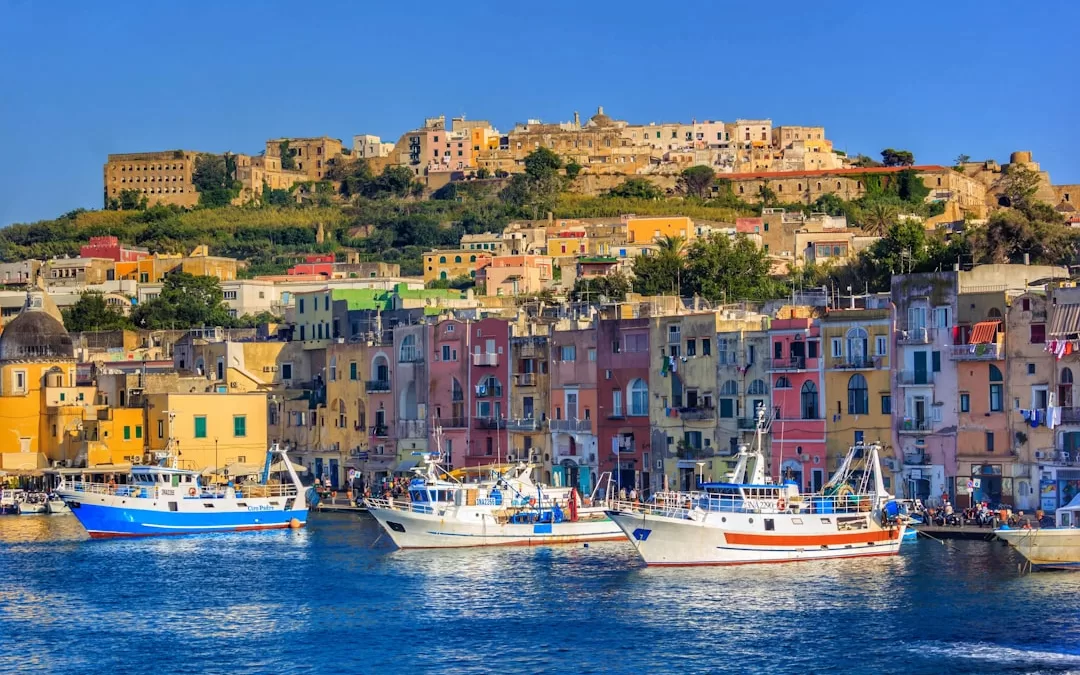
From the glamorous shores of Monaco to the sun-soaked coasts of Malta, Europe’s Mediterranean destinations are confronting a pressing challenge: overtourism. As visitor numbers surge post-pandemic, both local governments and tourism boards are rethinking how to merge thriving tourism economies with sustainable environmental and cultural preservation. This article explores how hotspots across the region are adopting innovative, green-focused strategies to ensure tourism remains a blessing, not a burden.

Inspired by the recent report from Travel and Tour World, we delve deep into how destinations such as Monaco, Malta, Venice, and Dubrovnik are crafting a new balance between local life and global travel. You’ll discover how technology, community engagement, and sustainability-driven tourism planning are shaping the next era of European travel.

Overtourism in the Mediterranean: A Challenge That Demands Change

The Mediterranean region attracts millions of tourists annually, lured by its azure waters, cultural richness, and heritage sites. However, the same abundance of visitors now threatens the very essence of what makes these places desirable. Cities like Monaco and Malta have witnessed increasing strain on natural resources and infrastructures, from rising waste management costs to congested transport systems.

Understanding the Core of Overtourism

Overtourism occurs when the number of tourists exceeds the capacity of a destination to manage them sustainably. It affects local residents, disrupts ecosystems, and dilutes the visitor experience. The phenomenon doesn’t just harm environmental integrity—it can also trigger social frustration among locals and reduce long-term economic resilience.

Post-Pandemic Dynamics Fueling Travel Pressure

After years of restrictions, pent-up wanderlust has led to an explosive resurgence in travel. As more people seek authentic experiences, destinations in close proximity—like those in the Mediterranean—have become top picks. Yet, without effective policies, rapid visitor return risks undoing climate progress and community stability.

Innovative Sustainable Tourism Solutions Emerging Across Europe

To address overtourism, several Mediterranean countries are implementing pioneering sustainability measures that aim to balance growth with stewardship.

Monaco’s Eco-Friendly Transition

Known for luxury and high-end living, Monaco is reshaping its travel model by investing in eco-certified accommodations, renewable energy sources, and electric mobility networks. Initiatives such as banning single-use plastics and promoting sustainable yachts are helping redefine luxury as responsible indulgence.

Malta’s Digital and Green Strategy

Malta has turned to smart technology to monitor tourist flows and encourage conscious travel behavior. Through digital data platforms, authorities analyze visitor trends to better distribute traffic around the island. Moreover, incentives for eco-hotels and heritage restoration projects support the island’s long-term sustainability goals.

  • Introduction of digital visitor caps during peak seasons.
  • Enhanced marine biodiversity zones to protect coastal ecosystems.
  • Promotion of cultural tourism beyond beach destinations.

Venice’s Tourist Quotas: A Model for Europe?

Venice, long considered the epicenter of overtourism, introduced entry fees and daily caps for tourists visiting the old city. This model aims to reduce unsustainable day-tripping while generating funds for preservation projects. Although controversial, such a system highlights how proactive governance can balance economic gain with sustainability.

Technology and Smart Tourism: The Path Forward

Technology plays a critical role in managing today’s tourism dynamics. From visitor-tracking apps to AI-based crowd management, smart tourism initiatives are revolutionizing destination management.

AI and Data Analytics for Crowd Control

Using data analytics, tourism boards can estimate peak periods and guide travelers towards lesser-known attractions. This not only minimizes congestion but also spreads economic benefits more equitably. Platforms powered by AI can suggest itineraries that reduce environmental impact and enhance local appreciation.

Virtual Tourism as a Sustainable Alternative

Several destinations are now offering virtual travel experiences to allow remote visitors to engage with cultural sites without physical visits. This supplemental model provides educational and emotional connections while reducing physical strain on heritage locations.

Engaging Local Communities in Sustainability

The foundation of genuine sustainability lies in active community participation. Local stakeholders—be they small business owners, artists, or residents—play a crucial role in shaping a destination’s authenticity and resilience.

Community-Based Tourism Models

Initiatives empowering local communities help diversify tourism benefits. By promoting artisanal products, local cuisine, and cultural festivals, communities not only earn income but also preserve their identity. This interaction fosters mutual respect between tourists and locals, enhancing the overall travel experience.

Education and Awareness Campaigns

Establishing campaigns that inform visitors about sustainable practices—such as reducing water use, respecting heritage sites, or supporting local enterprises—can significantly mitigate tourism’s environmental footprint. Awareness drives, when supported by digital storytelling, elevate the traveler’s consciousness.

Policy and Governance: The Backbone of Sustainable Tourism

Policy-making is at the heart of effective change. Governments across Europe are framing regulatory measures that enforce responsible travel standards, uphold environmental protection, and secure community well-being.

  • Eco-Taxation Policies: Implementing tourist taxes that fund conservation efforts.
  • Car-Free Zones: Encouraging sustainable transport within urban centers.
  • Certification Programs: Accrediting hotels and tour operators meeting green benchmarks.

International Collaboration for Shared Solutions

Because overtourism transcends borders, regional alliances such as the Mediterranean Sustainable Tourism Convention advocate for cooperative strategies. Joint initiatives foster knowledge exchange, harmonized standards, and regional marketing of eco-certified destinations.

The Economic and Environmental Balance Ahead

As the Mediterranean tourist economies rebound, the challenge lies in sustaining growth without depleting resources. Sustainable tourism is not just about slowing down travel but optimizing it to secure a profitable, equitable, and green future.

Measuring Success Beyond Numbers

Destinations are beginning to move away from sheer visitor counts and focus on experience quality and per-visitor value. The aim is to generate higher yields through responsible experiences that enhance both visitor satisfaction and local prosperity.

Long-Term Environmental Integration

By incorporating sustainable design into tourism infrastructure—such as green hotels, waste recycling systems, and energy-efficient transportation—destinations can build lasting resilience against the pressures of overtourism.

Conclusion: Shaping the Future of Mediterranean Travel

From Monaco to Malta, the Mediterranean is redefining what sustainable tourism truly means. Through innovation, data-driven decisions, and community collaboration, these destinations are proving that responsible travel doesn’t have to compromise allure. Instead, it enhances it—turning sustainability into a signature of modern tourism.

As travelers become more conscious of their environmental footprints, destinations that prioritize green policies and cultural authenticity will stand out. The path forward demands collective responsibility—from policymakers and industry leaders to visitors themselves. By aligning tourism with sustainability, the Mediterranean can secure its beauty and vitality for generations to come.

Continue your reading here My Flight One Travel Blog
Enjoy our game while waiting for your flight Fly the plane by My Flight One

Thanksgiving Travel Boom: Colorado Tops Holiday Hotspots

Thanksgiving Travel Boom: Colorado Tops Holiday Hotspots

The Thanksgiving holiday season is shaping up to be one of the busiest travel periods in recent memory. With an estimated eighty million domestic travelers expected to hit the skies and roads across the United States, major destinations such as Colorado, Texas, California, and Washington are preparing for a massive tourism surge. According to a recent report by Travel and Tour World, this marks a significant rebound in the U.S. travel industry, reflecting consumers’ renewed appetite for exploration, experience, and connection during the holiday season.

This blog explores why Colorado has joined the ranks of the top Thanksgiving travel destinations, what’s driving this growth, and how travelers and the tourism industry can leverage this momentum. From skyrocketing hotel bookings to winter resort readiness, we’ll uncover the trends shaping the 2024 Thanksgiving travel surge and how destinations are responding to the anticipated influx of visitors.

Colorado’s Rise as a Top Thanksgiving Travel Destination

Colorado’s inclusion among major destinations like Texas and California underscores a broader trend in U.S. domestic travel. Known for its majestic mountains, vibrant cities, and outdoor recreation, Colorado has become a preferred choice not only for ski enthusiasts but also for families and solo travelers seeking memorable autumn and early winter experiences.

Why Colorado Appeals to Holiday Travelers

  • Mountain adventure and scenic beauty: With early snowfalls, ski resorts in Aspen, Vail, and Breckenridge are reporting strong pre-bookings.
  • Festive atmosphere: Cities like Denver and Colorado Springs host Thanksgiving parades, winter markets, and cultural events that attract domestic and international tourists.
  • Accessibility: Denver International Airport continues to rank among the fastest-growing hubs in North America, offering easier connectivity for long-distance travelers.

Economic Impact and Hospitality Boost

This surge in visitors is expected to provide a major economic lift. The state’s hospitality sector—ranging from boutique lodges to luxury ski resorts—anticipates a substantial increase in occupancy rates. Restaurants are tailoring seasonal menus, while tour operators are curating Thanksgiving-themed experiences such as holiday brunch trains, wine-paired dinners, and snowshoe excursions. According to travel projection models, the revenue from tourism-related activities during Thanksgiving week could exceed previous records.

Nationwide Travel Trends Fueling the Boom

Beyond Colorado, several U.S. states are experiencing elevated interest as travelers plan longer and more experience-driven getaways. The post-pandemic travel rebound continues to redefine American tourism, merging work flexibility with leisure travel.

Key Trends Driving Travel Demand

  1. Flexible work policies: Many employees use remote schedules to extend their holiday vacations, leading to longer stays and increased spending.
  2. Experience-based tourism: Travelers prioritize unique local experiences, from wine trails in California to urban art tours in Seattle and culinary adventures in Austin.
  3. Family reconnections: Multi-generational travel remains dominant as families reunite for the first major holiday season of the year.

Airline and Transportation Readiness

Airlines and transportation providers are bracing for record passenger numbers. Car rental agencies have expanded fleets, while airports implement advanced traffic management systems. Airlines across the U.S. have added seat capacity to major routes — particularly between Denver, Los Angeles, Dallas, and Seattle — to facilitate the robust movement of people during Thanksgiving week.

The Role of Data and Technology in Travel Growth

Modern travel trends are not just about destinations but also about how travelers experience convenience. Technology plays a critical role in supporting this demand, ensuring that even with a record number of passengers, efficiency and comfort remain top priorities.

Smart Travel Planning Tools

Real-time flight trackers, AI-based itinerary planners, and dynamic hotel pricing tools are empowering travelers to make data-driven decisions. These platforms reduce stress, optimize budgets, and enhance the overall journey—an important factor for travelers seeking to avoid Thanksgiving congestion.

Tourism Boards Using Predictive Analytics

Destination marketing organizations are turning to predictive analytics to forecast visitor flows and manage resources effectively. Colorado Tourism Office, along with its counterparts in Texas and Washington, is using data insights to balance tourist safety, maximize hotel readiness, and maintain sustainable visitor volumes.

Sustainability and Responsible Travel During Thanksgiving

As tourism surges, so do concerns about sustainability. Responsible travel is now a cornerstone of holiday planning, with many destinations integrating eco-friendly initiatives into their Thanksgiving programs.

Eco-friendly Accommodations and Practices

  • Colorado’s mountain resorts emphasize energy-efficient operations, renewable heating systems, and waste reduction policies.
  • California and Washington continue to promote farm-to-table culinary experiences that reduce carbon emissions linked to food transport.
  • Travelers are encouraged to offset carbon footprints and support conservation-driven tourism experiences.

Community and Cultural Preservation

Beyond the environmental focus, destinations are highlighting cultural preservation. Indigenous heritage events, local art showcases, and community-driven markets form an integral part of the Thanksgiving travel narrative. This inclusive approach ensures tourism benefits extend beyond large hospitality brands to local communities.

Tips for Travelers Navigating the Thanksgiving Rush

With so many people traveling this holiday, planning ahead is crucial. The following expert tips help ensure a smooth and enjoyable Thanksgiving getaway to Colorado or any of the major U.S. destinations:

  1. Book early: Reserve accommodation and flights as soon as possible to lock in competitive prices.
  2. Use travel apps: Leverage technology for real-time updates on flight delays, weather conditions, and traffic trends.
  3. Pack smart: Weather in mountain regions can fluctuate dramatically—layered clothing is essential.
  4. Stay flexible: Build buffer time into your schedule in case of delays or increased security screening.
  5. Experience local: Engage with local events, farmers’ markets, and holiday pop-ups for authentic travel moments.

How the Travel Surge Benefits Local Economies

The anticipated eighty million travelers represent more than a tourism milestone—they symbolize a powerful economic shift. Increased tourist revenue supports small businesses, creates seasonal jobs, and revitalizes local tourism ecosystems across the nation.

Local Businesses Gaining Momentum

From ski rental shops in the Rockies to farm-to-table restaurants in Napa Valley, small enterprises are witnessing significant demand increases. Local artisans and service providers benefit from Thanksgiving-related spending, reinforcing the importance of community-centered tourism strategies.

Infrastructure and Long-Term Investment

The influx of visitors encourages states to invest further in transportation and travel infrastructure. Colorado’s improved highway connectivity and airport expansion projects are direct outcomes of sustained tourism growth—helping the state maintain its appeal as a year-round travel destination.

Conclusion: A Transformative Thanksgiving Travel Season

The Thanksgiving travel surge of 2024 signals a defining moment in U.S. tourism recovery and expansion. With Colorado joining leading states like Texas, California, and Washington in attracting millions of visitors, the outlook for domestic travel remains exceptionally strong. Beyond short-term hospitality gains, the larger narrative points to evolving traveler behavior—prioritizing sustainability, experience, and digital convenience.

As travelers embark on their journeys this Thanksgiving, the blend of scenic discovery, cultural immersion, and heartfelt reunions paints a promising picture for the future of U.S. tourism. For a deeper look at the original travel projections and insights, visit the Travel and Tour World article here.

Continue your reading here My Flight One Travel Blog
Enjoy our game while waiting for your flight Fly the plane by My Flight One

How to Find the Cheapest Flight Using My Flight One?

How to Find the Cheapest Flight Using My Flight One?

If you’ve ever seen yourself opening ten tabs, refreshing pages, and observing flight prices changing quicker than your mood on a Monday morning, you’re not the only one. Getting the cheapest flight often seems like cracking a secret code composed by the airlines themselves.

Let’s break down how you can actually get the cheapest flight in 2026 using My Flight One’s intelligent search system.

Why Finding the Cheapest Flight Can Feel Impossible

Let’s be real.

The airfare business operates on intelligent algorithms that reprice many times a day. Airlines use dynamic pricing based on demand, time, and browsing patterns. That is why manual searching tends to feel like risking your wallet.

These systems cannot be outwitted by conventional flight search engines. Its algorithm eliminates these unseen price hikes by accessing live fare information from worldwide partners.

How Location Impacts Your Flight Prices

Few travelers have any idea how much geography affects airline fares. The price on the internet is not necessarily the price another person will see for the exact same flight.

Airlines employ geo-based dynamic pricing, a method that varies fares according to your search location, currency, and even the device you’re using. It’s logical enough: if you’re searching from a nation or region where average incomes are higher or travel demand is greater, the system assumes you have more to pay.

For example, a flight from New York to Paris might cost around $650 if searched from the United States but $540 if booked from France or another European country. That $100 difference is not due to taxes or exchange rates but to regional pricing algorithms.

Why Do Airlines Do This?

Airlines and travel sites collect information from your browser settings, cookies, and even your IP address. They utilize this to price locally and present offers “sensitive” to your market. It is sensible from a business perspective but tends to disadvantage the traveler.

How to Outsmart Geo-based Pricing

  • Search from alternate locations: Attempt using a VPN to mimic other country searches and compare.
  • Change currencies: Occasionally fares look cheaper when seeing them in the home currency of the airline.
  • Clear cookies and cache: Websites can raise prices if they notice multiple searches for the same route.
  • Utilize flight comparison sites: Sites that search fares around the world eliminate location bias and display live lowest rates worldwide. By testing these techniques, travelers can find unexpectedly high price differences, saving anywhere from 10 to 25 percent on overseas flights.

Why Flight Prices Fluctuate

If you ever looked up a flight in the morning and it was cheaper or more costly by the evening, that’s not coincidence. That is dynamic revenue management, where airlines reprice continually to maximize profit and occupy every seat.

Here is what drives those fluctuations:

1. Supply and Demand

When seats on a flight begin to sell rapidly, the computer automatically increases the price. When sales dwindle, it lowers prices to generate demand. Airlines tend to have several pricing “tiers” within every class of service, and as each tier is sold out, the next, higher-priced one becomes accessible.

2. Timing and Seasonality

Airlines use historical data to predict when travelers are most likely to book. Prices tend to rise during high-demand seasons such as summer vacations or year-end holidays. On the other hand, shoulder seasons (spring and autumn) often bring lower fares.

3. Booking Window

According to travel data from sources like Hopper and Google Flights, the sweet spot for finding the lowest fares or flight deals on flights from Los Angeles is usually 6 to 8 weeks before domestic flights and 8 to 12 weeks before international trips. Booking too early or too late can mean paying more.

4. Day of the Week

Research indicates Tuesdays and Wednesdays as the two days that always provide cheaper bookings and departures. Traveling over the weekend also decreases expenses considerably since the majority of leisure flights are taken Friday to Sunday.

5. Time of Day

Late-night “red-eye” flights and early morning departures are generally cheaper because fewer people want to fly at those times. If you remain flexible with your travel dates and airports, you can typically save between 20 and 40 percent compared to rigid travel plans.

Meet My Flight One: The Smartest Way to Find the Cheapest Flight

Unlike other websites that merely post fares, My Flight One is designed with a single purpose, to save you time and money.

Here’s how it works:

  • It scans hundreds of airlines and global aggregators in seconds.
  • Uses AI-based fare prediction to highlight when prices are about to drop.
  • Sends you real-time flight deal alerts, so you never miss out.
  • Shows hidden and regional discounts that typical platforms miss.

Explore top travel deals right now at My Flight One.

How to Use My Flight One Like a Travel Pro?

The cheapest flight isn’t by chance. It’s planning. Follow these insider steps to book a direct cheap flight to Paris: 

  1. Enter your departure and destination cities: Don’t limit yourself to one airport. Check nearby ones too.
  2. Use “Flexible Dates”: Prices can drop drastically midweek or off-season.
  3. Filter by “Cheapest Month”: My Flight One highlights the most affordable periods to travel.
  4. Compare multiple airlines & booking sites: Sometimes, the same seat can be cheaper through a different vendor.
  5. Activate Fare Drop Alert: My Flight One’s system tracks prices and notifies you when it’s go-time.

Conclusion

Booking the lowest fare flight is not something you can do by chance or at the last minute; it’s a matter of timing, adaptability, and knowing how airline pricing systems actually function. By keeping your eyes on geo-based pricing, windows of booking, and seasonal fluctuations, you can control your travel expenditure rather than relying on chance.

Intelligent search engines like My Flight One facilitate it by comparing prices, monitoring decreases, and finding secret deals. In 2026, the most intelligent travelers will not be the ones searching hardest but the ones searching smart. Saving time as well as money.

Cinematic Getaways That Became Iconic Travel Hotspots

Cinematic Getaways That Became Iconic Travel Hotspots

Cinema has the power to transport us across worlds—and sometimes, it spotlights real-world destinations that soon find themselves on every traveler’s bucket list. From picturesque coastal villages to ancient cities with cinematic charm, movies often give new life to hidden gems. In this post, inspired by VegOut Magazine’s feature, we dive deep into 7 holiday destinations that didn’t get famous until the movies made them unforgettable. You’ll discover how blockbuster films turned these locales into global sensations, why they’re worth visiting, and how to plan the perfect cinematic getaway.

Whether you’re a film buff or simply love exploring unique destinations, this guide combines travel inspiration with storytelling magic. Let’s explore the places where film and wanderlust collide—and learn how movies transformed them from hidden backdrops into superstar travel spots.

Santorini, Greece – The Cinematic White-and-Blue Paradise

Once a tranquil Cycladic island cherished by locals and luxury seekers, Santorini skyrocketed to fame after its idyllic scenery appeared in several romantic films. Its signature whitewashed buildings and striking blue domes turned this island into one of the world’s most photographed travel icons.

The Movie Connection

While many films captured its magical sunsets, one notable romantic musical helped catapult Santorini into the global spotlight. The movie’s sweeping shots across Oia’s cliffside and the caldera views painted it as the ultimate Mediterranean dream.

Why Visit Santorini Today

  • Marvel at breathtaking sunsets in Oia and Imerovigli.
  • Stroll through whitewashed alleys filled with artisan boutiques and cafés.
  • Indulge in local wines made from volcanic soil—perfect for wine enthusiasts.

For travelers seeking cinematic beauty, Santorini’s allure goes beyond the screen. It’s a fusion of history, luxury, and unmatched natural charm.

New Zealand – The Epic Realm of Middle-earth

Before Hollywood landed, New Zealand was known primarily for its pristine landscapes and adventure tourism. Once it became the filming location for one of the most iconic fantasy trilogies of all time, however, it transformed into a must-visit destination for movie fans and nature lovers alike.

Filming Locations Turned Tourist Hotspots

  • Matamata – Home to the picturesque Hobbiton village.
  • Tongariro National Park – Also known as Mordor for its volcanic terrain.
  • Fiordland and Canterbury – Signature backdrops for sweeping aerial scenes.

From dramatic fjords to emerald valleys, New Zealand’s cinematic appeal lies in its raw, untouched beauty. Today, travelers can take guided tours of iconic film locations and experience the magic of fantasy brought to life.

Travel Tip:

Plan for both islands—North for lush rolling hills, South for majestic alpine scenery. The diversity will make your trip feel like stepping between movie sets.

Skellig Michael, Ireland – The Remote Star of Sci-Fi Cinema

Perched off Ireland’s southwestern coast, Skellig Michael was once a secluded monastic island known mostly to history buffs and bird-watchers. That changed dramatically when it became a key setting for a major space saga, transforming it overnight into an otherworldly pilgrimage site.

Where Fantasy Meets Heritage

Its ancient stone steps, perched against crashing waves, echoed perfectly with the mystical tone of the movie. After the film’s release, visitor inquiries jumped exponentially as fans sought to walk in the footsteps of their favorite characters.

Visiting Responsibly

  • Access is limited due to conservation, so book tours months in advance.
  • Wear sturdy footwear and prepare for a challenging climb.
  • Respect preservation rules—this UNESCO World Heritage site is fragile.

Skellig Michael’s appeal goes far beyond its sci-fi fame—it’s a testament to how natural isolation and spiritual heritage can coexist beautifully.

Petra, Jordan – Rediscovered by Adventure Films

Long hidden in the deserts of Jordan, Petra earned the nickname “The Lost City.” While archaeologists and explorers admired its magnificence, it took one thrilling film to project its image onto the global stage. The moment the protagonist rode through the Siq canyon, audiences were mesmerized by Petra’s rose-red wonder.

The Power of the Screen

After the film’s release, Petra became a cinematic emblem for mystery and exploration. Its Treasury façade, carved into red sandstone, symbolized lost civilizations and daring adventure.

Exploring the Rose City

  • Walk through the Siq to witness the Treasury slowly reveal itself—a breathtaking moment.
  • Hike up to the Monastery for sweeping views of the entire archaeological site.
  • Visit the Petra Museum to dive deeper into Nabataean history.

Films gave Petra visibility, but the destination sustains its fame with timeless beauty and cultural depth that lure millions every year.

Dubrovnik, Croatia – The Medieval City of Modern Fantasy

The fortified old town of Dubrovnik was always a jewel of the Adriatic, yet its cinematic fame skyrocketed after it portrayed an iconic fantasy capital on television. The series’ success didn’t just elevate Dubrovnik to global fame—it reshaped Croatian tourism altogether.

From Hidden Coastal City to Global Phenomenon

Production teams transformed Dubrovnik’s walls and cobbled streets into an immersive medieval world. Fans soon swarmed local landmarks, from Fort Lovrijenac to Pile Gate, reliving key scenes from their favorite series.

Experiences You Can’t Miss

  • Join a guided filming locations tour to see the city through movie lenses.
  • Take a scenic cable car ride to Mount Srđ for panoramic views.
  • Enjoy fresh seafood along the harbor at sunset—a scene as cinematic as any movie.

Dubrovnik’s timeless architecture and cinematic atmosphere harmonize effortlessly, making it one of Europe’s most dynamic cultural hubs for travelers and broadcasters alike.

Maya Bay, Thailand – Paradise Found Through Film

Maya Bay on the island of Koh Phi Phi Leh was once an untouched lagoon known only to local divers. After a major film set its story amid these turquoise waters, the location became synonymous with paradise. But fame came with challenges, leading to crucial lessons in sustainable tourism.

The Film That Changed Everything

The film’s stunning portrayal of Maya Bay’s crystal-clear waters and limestone cliffs ignited a global rush to visit the site. Overnight, it evolved from hidden gem to over-touristed destination.

Sustainability and Rebirth

  • Due to ecological damage, Maya Bay was closed for restoration for several years.
  • It has since reopened under strict conservation measures limiting daily visitors.
  • Today, it stands as a model for balancing cinematic fame with ecological care.

For travelers, Maya Bay now represents more than a movie setting—it’s a reminder that preservation ensures paradise remains pristine for the next generation.

Salzburg, Austria – The Hills Alive with Travel Revival

Salzburg, with its baroque charm and Alpine scenery, always had the makings of a classic European getaway. But after one beloved musical film immortalized its hills, abbeys, and squares, Salzburg found itself at the heart of global cinematic pilgrimage.

Following the Movie Trail

From Mirabell Gardens to Leopoldskron Palace, many of Salzburg’s landmarks are instantly recognizable. The city leverages this fame with themed tours and cultural experiences celebrating its movie heritage.

Why Salzburg Endures

  • Charming Old Town architecture that feels straight out of a fairy tale.
  • Vibrant music festivals honoring Mozart, the city’s most famous son.
  • Mountains, castles, and riverside walks that make every angle photogenic.

Salzburg showcases how cinema and culture intertwine to create a travel experience that’s timeless, musical, and profoundly moving.

Conclusion: Where Stories Become Journeys

Movies don’t just entertain—they inspire us to explore. From the volcanic landscapes of New Zealand to the serene temples of Petra and the sunlit cliffs of Santorini, each destination demonstrates the transformative power of storytelling. These cinematic travel spots remind us that the world’s most unforgettable locations often await beyond the edge of a movie frame.

So next time you watch a film that whisks you away, remember, that destination may not be just fiction—it could be your next unforgettable holiday.

For more inspirational travel content, check out the original story on VegOut Magazine.
Continue your reading here My Flight One Travel Blog
Enjoy our game while waiting for your flight Fly the plane by My Flight One

To further explore the allure of cinematic destinations, delve into the fascinating impact of Joy-Filled Destinations That Boost Your Happiness or plan your own escape with insights on Top Family Travel Destinations for 2025-2026 Holidays.

Hawaii and Singapore Unite to Revolutionize Global Meetings

Hawaii and Singapore Unite to Revolutionize Global Meetings

Hawaii and Singapore Form Groundbreaking Alliance to Boost Global Meetings and Business Travel

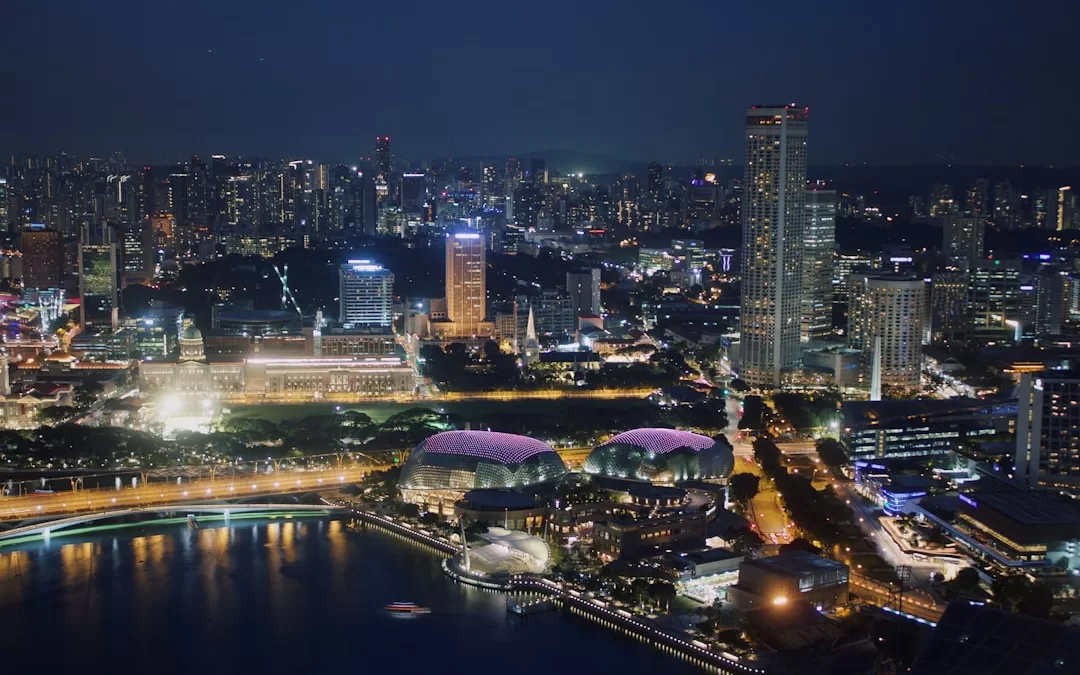
The global meetings, incentives, conferences, and exhibitions (MICE) sector is experiencing a remarkable transformation as Hawaii and Singapore form an alliance to grow the meetings business. This strategic partnership unites two world-class destinations under a shared vision — to enhance international collaboration, attract corporate events, and boost hospitality economies. The collaboration aims to leverage Singapore’s reputation as a top Asian business hub and Hawaii’s strategic Pacific gateway status to expand global opportunities.

In this article, readers will explore why this alliance has been formed, what it means for the future of the MICE industry, and how businesses, event organizers, and stakeholders can benefit. We’ll also examine how sustainable tourism and innovation play a vital role in shaping the partnership, and what it signals for future travel trends across Asia-Pacific. For reference, read the original announcement at Business Travel Destinations.

Strengthening the Pacific Rim Meetings Industry

The newly formed Hawaii-Singapore Meetings Alliance represents a major step forward in repositioning the Pacific Rim as a key region for global business events. Both destinations bring distinct advantages: Singapore’s world-class infrastructure and connectivity, and Hawaii’s access to North American and Asia-Pacific markets.

Bridging Two Dynamic Markets

Hawaii serves as the natural midpoint between the Americas and Asia, making it a strategic meetings hub for international organizations seeking a neutral, accessible venue. Singapore, on the other hand, has built an exceptional reputation as Asia’s leading MICE destination, powered by its advanced urban planning, innovation-driven ecosystem, and political stability.

Creating a Strategic Business Corridor

This alliance is more than a symbolic partnership—it’s a tangible corridor for global meetings and trade. Through joint marketing campaigns, professional training exchanges, and collaborative events, both destinations intend to attract high-value conferences and secure their position in the evolving landscape of international business tourism.

  • Enhanced direct flight connectivity between Honolulu and Singapore
  • Cross-promotion at major international trade shows
  • Shared sustainability and event management training programs

Tourism Alliances and Economic Growth Opportunities

By forming this alliance, Hawaii and Singapore are sending a clear message: cooperation fuels innovation and boosts tourism economies. This collaboration aims to strengthen each region’s competitiveness and expand the economic benefits of the meetings industry beyond traditional tourism sectors.

Expanding the Economic Footprint

Meetings, incentive trips, and conferences contribute significantly to local economies — from hospitality and transport to professional services. The Hawaii-Singapore partnership is projected to increase visitor spending, length of stay, and repeat visitation by fostering deeper business relationships and cultural exchange.

Stimulating International Trade and Investment

Event-based travel is not just about tourism; it’s a pathway for global trade development. By attracting major industries—such as technology, finance, healthcare, and sustainability—the partnership opens doors to bilateral trade and investment opportunities that can benefit both regions in the long term.

  • Promotion of technology-driven conferences
  • Attraction of investment delegations
  • Support for small businesses in event supply chains

Sustainability and Smart Event Innovation

Sustainability has become central to the evolution of the global MICE industry. Both Hawaii and Singapore are recognized for their sustainability initiatives, aligning their environmental policies to ensure that events contribute positively to local ecosystems and communities.

Green Meetings and Responsible Tourism

Singapore has implemented a city-wide “Green Plan 2030” initiative, aimed at making business events carbon-neutral through technology and responsible resource management. Hawaii complements this effort with its Aloha+ Challenge, emphasizing community-led sustainability and regenerative tourism practices.

Smart Technology Integration

The alliance also emphasizes technology-driven event management — incorporating innovations like virtual participation, hybrid conference platforms, and data analytics to optimize the attendee experience. By integrating AI and real-time translation tools, organizers can reach wider audiences and enhance inclusivity in global forums.

  1. Digital event registration and tracking tools
  2. Hybrid meeting platforms combining in-person and virtual attendance
  3. Use of analytics to measure sustainability outcomes

Training, Knowledge Sharing, and Professional Development

Developing human capital is another pillar of the Hawaii-Singapore alliance. The partnership promotes the exchange of best practices, professional certification programs, and destination management education between leaders of the two MICE industries.

Professional Exchange Programs

Key stakeholders from both destinations will participate in joint workshops, educational travel programs, and skill enhancement sessions designed to elevate service standards and align global meeting management protocols. The aim is to create a unified high-quality benchmark for international events.

Empowering the Next Generation of Event Leaders

Through these learning opportunities, the Hawaii-Singapore alliance is nurturing a new generation of globally-minded event professionals. These initiatives support the long-term goal of building a robust and sustainable workforce capable of delivering exceptional experiences in an increasingly competitive global market.

Impact on Asia-Pacific Business Travel Trends

This collaboration may set a new benchmark for regional cooperation across Asia-Pacific. With increasing demand for high-quality business events that integrate leisure travel, the Hawaii-Singapore alliance signals a growing shift toward multi-destination event strategies.

Encouraging Multi-City Event Experiences

Event planners and corporations can now design itineraries that combine both destinations, offering participants a balance between sophisticated urban meetings in Singapore and rejuvenating nature-based environments in Hawaii. This creates value for participants and adds depth to the business travel journey.

Positioning for Future Expansion

The alliance may also encourage similar partnerships between other global meeting hubs, potentially paving the way for a wider Pacific-Asia business travel network. For multinational corporations, this improves mobility, accessibility, and return on event investments.

  • Multi-country conference packages and itineraries
  • Joint destination marketing campaigns
  • Unified branding for the Pacific Rim meetings market

The Future of the Hawaii-Singapore Alliance

The long-term vision behind this partnership extends beyond traditional business travel collaboration. It’s an evolving framework that integrates sustainability, inclusivity, and technological innovation into the DNA of global events. For delegates and corporations alike, this means better connectivity, cultural exchanges, and transformative business experiences across oceans.

As the world moves toward a more interconnected and environmentally responsible meetings industry, the Hawaii-Singapore alliance will likely serve as a model of how destinations can work together to achieve mutual prosperity. The alliance demonstrates how cooperative destination marketing can redefine the global meetings infrastructure for decades to come.

Conclusion: A New Era for Global Meetings and Business Travel

The partnership between Hawaii and Singapore marks an exciting milestone in international meeting and event collaboration. By merging shared values of innovation, sustainability, and excellence, both destinations position themselves as leaders in the global MICE ecosystem.

For industry professionals, this alliance symbolizes the future of how destinations can collaborate beyond borders to create meaningful business opportunities, amplify tourism growth, and shape an interconnected global marketplace. As business travel continues to evolve post-pandemic, such partnerships will play a crucial role in redefining the MICE experience for organizations and travelers worldwide.

To explore the original report and additional insights, visit Business Travel Destinations.

Continue your reading here My Flight One Travel Blog
Enjoy our game while waiting for your flight Fly the plane by My Flight One

Explore how sustainability and innovation are integral to the MICE industry in the Hawaii-Singapore alliance by delving into Sustainable Travel Innovations or by examining Impact of Multi-City Conferences for impactful trends.