
...
Chase the Stars: Top Global Destinations for Stargazers

Chase the Stars: Top Global Destinations for Stargazers

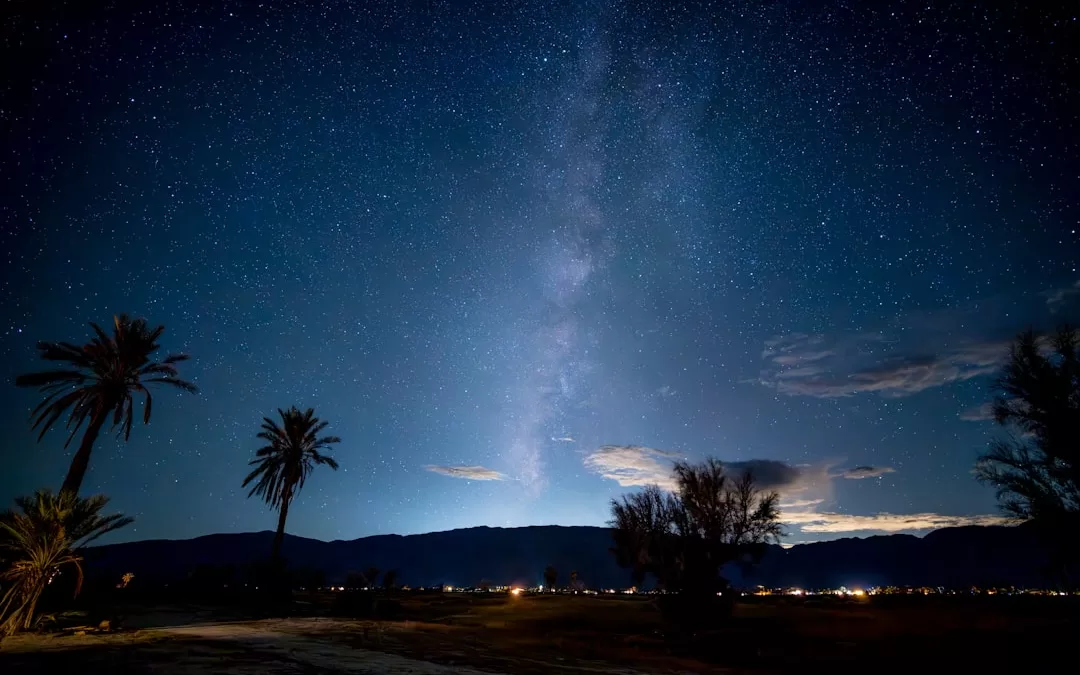
For passionate travelers and night-sky photographers, few experiences rival the serenity and awe of standing under a clear, star-filled sky. Stargazing has become an essential pursuit for wanderers seeking both adventure and tranquility. Over eight years of chasing dark skies across the globe, travelers and astronomy enthusiasts have discovered remote, breathtaking locations that redefine how we connect with nature after sunset. In this post, we’ll explore some of the world’s top destinations for stargazing, how to plan your trip to the darkest skies, and the tools and techniques that will make every celestial adventure unforgettable.

If you’ve ever wondered where to witness the brilliance of the Milky Way away from city lights, this comprehensive guide reveals the best stargazing spots on Earth. From the dry desert valleys of Chile to the volcanic summits of Hawaii, we’ll break down why each location shines above the rest. Whether you’re a photographer, astronomer, or simply a curious traveler looking for wonder, this guide delivers inspiration and practical advice drawn from Outside Online’s ‘Best Places for Stargazing’ and expanded with expert insights to help you plan your own cosmic journey.

1. Exploring the World’s Best Stargazing Spots

Atacama Desert, Chile: The Pinnacle of Cosmic Clarity

The Atacama Desert is widely regarded as one of the clearest and driest places on Earth, offering unmatched transparency for stargazing. With over 300 cloudless nights per year and minimal light pollution, it’s home to major observatories such as ALMA and Paranal. Travelers can visit nearby San Pedro de Atacama, where guided night-sky tours provide an unforgettable introduction to southern hemisphere constellations.

Mauna Kea, Hawaii: Stargazing from the Summit

Rising nearly 14,000 feet above sea level, Mauna Kea stands as a natural observatory that attracts astronomers from across the globe. The altitude, isolation, and dry air combine to create exceptional viewing conditions. Although the summit is sacred to Native Hawaiians, visitors can access designated areas for stargazing after dark, making it one of the most respectful and inspiring places to connect with the cosmos.

Namib Desert, Namibia: Africa’s Celestial Canvas

The Namib Desert, one of the planet’s oldest, is a hidden gem for night-sky travelers. Its International Dark Sky Reserve status guarantees pristine conditions. The surreal landscapes of Sossusvlei and Deadvlei create a surreal background for astrophotography, where the Magellanic Clouds and the Milky Way stretch vividly across the southern African sky.

2. What Makes a Great Stargazing Destination

Stargazing destinations share a few consistent characteristics that make them ideal for astronomical observation. Understanding these factors helps travelers choose the perfect location for their night under the stars.

Low Light Pollution

For the best results, seek areas with minimal artificial lighting. Dark-sky reserves are certified regions that protect natural nightscapes from urban glow. Apps like “Light Pollution Map” or “Dark Sky Finder” make it easy to identify remote, light-free areas for your next trip.

Altitude and Climate

High-altitude destinations like Mauna Kea or the Himalayas typically experience less atmospheric distortion, resulting in sharper views. Dry climates, such as deserts, also provide clearer skies due to low humidity levels. These conditions significantly enhance visibility for both the naked eye and telescopic observation.

Accessibility and Sustainability

While isolation creates great stargazing conditions, accessibility matters for travelers. Look for eco-lodges and observatories that balance guest comfort with environmental sustainability. Responsible tourism ensures that these pristine skies remain protected for generations of skywatchers to come.

3. Tools and Gear for the Ultimate Stargazing Experience

Investing in the right equipment enhances your stargazing journey, whether you’re a beginner or an experienced astronomer. Here’s what you’ll need to make every night an unforgettable observation session.

  • Binoculars or Telescope: A good pair of binoculars offers a surprisingly detailed look at star clusters and nebulae, while telescopes provide a closer view of deep-sky objects.
  • Sturdy Tripod: For astrophotography, a reliable tripod keeps your camera stable during long exposures.
  • Star Map or Mobile App: Use digital apps like Stellarium or Sky Guide to identify constellations, planets, and galaxies.
  • Warm Clothing and Snacks: Night temperatures drop quickly in remote areas, so comfort is essential for long sessions.

Astrophotography Tips

When photographing the night sky, set your camera to manual mode with a wide aperture (f/2.8 or lower) and a long exposure time (around 15-25 seconds). Keep your ISO as low as possible while maintaining brightness. Use a remote shutter release or self-timer to prevent motion blur.

4. Seasonal Stargazing and the Best Times to Travel

Every hemisphere and season offers unique celestial events. Knowing when and where to travel optimizes your stargazing adventure.

Winter Nights in the Northern Hemisphere

From December through February, long nights and dry air create perfect viewing conditions in regions like northern Chile, Utah’s canyon lands, or Iceland. The **Orion Nebula**, **Pleiades**, and the vivid **Aurora Borealis** dominate winter skies.

Southern Hemisphere Summer

From June to August, southern latitudes like Australia, Namibia, and Chile showcase the Galactic Center of the Milky Way. The clarity during these months reveals magnificent detail for stargazers and photographers alike.

Special Astronomical Events

Time your trip around notable sky events such as meteor showers, eclipses, or planetary alignments. The Perseid Meteor Shower in August and the Geminid Shower in December are annual highlights for enthusiasts across the globe.

5. Conservation and the Future of Dark Skies

Preserving natural nightscapes is crucial to both the environment and human wellbeing. The rapid spread of artificial lighting harms ecosystems and obscures our view of the stars.

The Role of Dark-Sky Reserves

Organizations like the International Dark-Sky Association (IDA) certify areas that take active steps to minimize light pollution. Locations such as Aoraki Mackenzie in New Zealand and Jasper National Park in Canada are shining examples of sustainable night-sky protection.

Travelers’ Role in Light Conservation

As stargazers and travelers, we can choose accommodations that support light management, use red lights during night photography, and educate others about responsible nighttime tourism. Every small step preserves the magic of natural darkness.

6. Planning Your Stargazing Adventure

Whether it’s your first or fiftieth stargazing expedition, careful planning ensures a smoother and more fulfilling experience. From choosing destinations to managing logistics, here’s how to prepare for your next cosmic adventure.

  1. Research Locations: Identify places aligned with your celestial interests—planets, Milky Way photography, or meteor showers.
  2. Check Local Weather: Use reliable forecasts to avoid cloudy nights and enhance your observation opportunities.
  3. Book Early: Many observatories and lodges in popular regions have limited capacity, especially during event-filled nights.
  4. Respect Local Cultures: Many stargazing destinations hold cultural significance, so it’s vital to observe with respect and mindfulness.

Combining Stargazing with Adventure Travel

The most memorable journeys blend astronomical observation with nature exploration. Hike by day, stargaze by night — in destinations like Chile’s Elqui Valley or Utah’s canyon country, adventure meets cosmic clarity in extraordinary harmony.

Conclusion: Your Journey Beyond the Stars

From the windswept deserts of Namibia to the volcanic peaks of Hawaii, stargazing reveals the profound connection between Earth and the cosmos. These top stargazing spots not only inspire wonder but remind us of the delicate beauty of dark skies that must be protected. By traveling mindfully, equipping ourselves wisely, and timing our trips thoughtfully, we gain more than great photos—we discover perspective, peace, and the universe’s unfiltered brilliance.

To explore a detailed list of world-class destinations, check out Outside Online’s feature on the Best Places for Stargazing for further insight and inspiration for your next night under the stars.
Continue your reading here My Flight One Travel Blog
Enjoy our game while waiting for your flight Fly the plane by My Flight One

Vape Crackdown: Avoid Fines and Jail When Traveling

Vape Crackdown: Avoid Fines and Jail When Traveling

Countries Cracking Down on Vaping: Fines, Jail Sentences and What Travelers Need to Know

The rise of vaping across the globe has sparked a wave of new legislation, especially in popular travel destinations where health, cultural, and legal frameworks differ widely. While some nations welcome vaping as a safer alternative to smoking, others see it as a public health threat deserving strict penalties. For international travelers, understanding vaping laws abroad has never been more critical.

Recent reports reveal that several holiday destinations are taking a hard stance—introducing heavy fines, potential jail sentences, and even corporal punishment to curb vaping. These measures have left many tourists unaware of the potential consequences. This article provides comprehensive insight into where vaping is banned, why these regulations exist, and how to stay safe while traveling. You can read the original travel report by The Telegraph here.

Why Vaping Regulations Are Growing Worldwide

The global vaping boom and its consequences

Over the past decade, vaping has transitioned from a niche hobby to a multi-billion-dollar industry. With sleek devices and flavored e-liquids, it attracted both smokers seeking alternatives and new users intrigued by its modern appeal. However, governments and health agencies have raised alarms over its long-term risks and its impact on younger generations.

Public health and youth protection concerns

Many countries are aligning vaping laws with smoking bans, citing the need to prevent nicotine addiction among young people. The World Health Organization (WHO) has also called for tighter regulation, prompting several holiday destinations to revisit their attitudes toward vaping.

Top Destinations Enforcing Strict Vaping Laws

1. Thailand – Heavy penalties and strict enforcement

Thailand has garnered international attention for its zero-tolerance policy on e-cigarettes. Vaping devices and refills are illegal to import, possess, or use. Tourists found violating these rules risk fines exceeding 30,000 baht or possible imprisonment. The move reflects the government’s commitment to maintaining strong anti-tobacco policies and preventing youth exposure to nicotine.

2. Singapore – Complete prohibition and possible jail terms

Singapore is one of Asia’s most stringent countries regarding vaping. Possession, sale, or use of e-cigarettes is banned entirely, with fines up to SGD 2,000 for offenders. Importing vaping devices can lead to much higher penalties or even jail time. Authorities actively monitor airports and customs checkpoints to ensure compliance.

3. Australia – Prescription-only access model

In Australia, vaping is not entirely banned but heavily regulated. Nicotine e-liquids are only available with a prescription, making it difficult for tourists to vape legally. Non-nicotine devices face less scrutiny, but importation without proper documentation could result in confiscation or fines.

4. United Arab Emirates – Legal but tightly controlled

The UAE’s stance has evolved in recent years. Once banned, vaping is now legal—but under strict regulations. Travelers may use vaping devices in designated areas but should avoid using them in public places like shopping malls or near religious sites. Violations can lead to fines starting from AED 2,000.

5. India – Nationwide ban on e-cigarettes

India implemented an all-out ban on vaping and electronic nicotine delivery systems (ENDS) in 2019. Tourists caught bringing or using these devices may face up to one year in jail or monetary fines. The government’s primary concern lies in safeguarding youth and public health from the risks of nicotine dependency.

Understanding the Reasons Behind Vaping Restrictions

Health-driven initiatives

Many countries justify their bans on vaping due to insufficient long-term research. While proponents argue it’s safer than smoking, critics point out that chemical inhalation and teenage addiction are rising concerns. The lack of globally standardized safety data reinforces the precautionary approach taken by several governments.

Cultural and religious factors

In conservative societies, particularly in the Middle East and parts of Asia, vaping is often associated with moral and social deterioration. Governments there classify it under wider anti-drug or public morality laws, hence the severity of punishments.

Tourism and image management

Tourism boards aim to maintain clean, healthy, and family-friendly destinations. Strict enforcement of anti-vaping laws supports a country’s health image and prevents travelers from flaunting harmful habits publicly. The crackdown also aligns with rising anti-smoking tourism trends.

How Travelers Can Stay Compliant with Vaping Laws

Before heading abroad, understanding a country’s vaping policy is essential. Here are some guidelines every traveler should follow:

  • Research before you pack: Always check official government travel advisories or local embassy websites for current vaping restrictions.
  • Avoid packing devices or e-liquids in your luggage if unsure whether a destination permits them.
  • Respect local laws: Do not argue with authorities or assume leniency for tourists. Fines and jail sentences apply to foreigners too.
  • Check transit regulations: Even stopovers can result in penalties if vaping products are found in your hand luggage during customs screenings.
  • Use designated smoking zones only if vaping is allowed within them.

Recommended tools for checking regulations

Several mobile apps and websites compile international smoking and vaping laws. Global Travel Alerts, official tourism websites, and community-driven platforms can help travelers make informed decisions before departure.

Potential Consequences for Violations

In countries enforcing strict penalties, the consequences for breaking vaping laws can be severe:

  • Financial penalties: Fines range from a few hundred to several thousand local currency units, depending on severity and local court discretion.
  • Incarceration: Some countries impose short to medium-term jail sentences, especially for importation or commercial distribution.
  • Physical punishment: In rare cases, such as in certain regions of Southeast Asia, corporal punishment may be applied under local interpretation of customs laws.
  • Confiscation: Customs authorities may seize devices upon arrival, even if personal use is claimed.

These penalties might sound extreme, but they serve as a reminder that vaping remains controversial worldwide. Travelers must take responsibility for complying with all local regulations, regardless of personal habits or home-country norms.

Global Shifts: Countries Relaxing Vaping Laws

Interestingly, while some destinations impose harsh restrictions, others are softening their approach. For example, the UK, New Zealand, and Canada promote vaping for adult smokers as a harm-reduction tool. These governments view it as an effective way to reduce cigarette consumption while providing smokers with safer alternatives.

Encouraging responsible use

Counseling programs and educational campaigns in those nations emphasize responsible vaping. While devices remain age-restricted and regulated, authorities focus on product safety rather than blanket prohibition.

Impact on travel trends

Many international tourists favor destinations that allow vaping under transparent regulations. Travel data shows a growing number of “vape-friendly” resorts catering to this demographic, combining compliance with comfort.

Best Practices for Vape-Carrying Travelers

For travelers planning to visit multiple countries, preparation is key. Here’s how to minimize risks:

  1. Pack smart: Store your device in carry-on luggage but declare it if required upon entry.
  2. Keep documentation: If your home country allows therapeutic vape prescriptions, carry proof of medical necessity.
  3. Choose vape-friendly destinations: Countries with clear regulations, such as the UK or Canada, are safer options.
  4. Follow airline restrictions: Many carriers restrict battery-powered devices and e-liquids in checked luggage.

Conclusion: Stay Informed, Stay Safe

Vaping laws worldwide are evolving at a rapid pace. Whether you are heading to a tropical island escape or a bustling Asian city, staying informed is essential to avoid unpleasant surprises at customs. What may be a harmless habit at home could lead to steep penalties abroad.

If you plan to travel soon, always research local policies and respect the boundaries set by foreign governments. Awareness and preparation are the best defenses against fines, detention, or worse. For the full original coverage on how popular holiday destinations are cracking down on vaping, read The Telegraph’s article here.

Continue your reading here My Flight One Travel Blog
Enjoy our game while waiting for your flight Fly the plane by My Flight One

Lunar New Year Travel: Hong Kong’s Festive Wanderlust

Lunar New Year Travel: Hong Kong’s Festive Wanderlust

Lunar New Year Travel Surge: Hong Kong Residents Rediscover Asia’s Most Coveted Holiday Destinations

Every Lunar New Year brings with it excitement, tradition, and a spirit of exploration—and this year is no exception. According to Travel and Tour World, Hong Kong’s residents are setting off in record numbers across Asia, eager to celebrate the season with sunshine, culinary delights, and cultural festivities. The post-pandemic travel resurgence has ignited a new wave of wanderlust across the region, transforming Lunar New Year into one of the busiest travel seasons of the year.

This article explores what’s fueling this surge, the most sought-after destinations, and how travelers from Hong Kong are redefining the way Asia celebrates one of its most culturally rich holidays. Readers will gain insights into current travel trends, emerging hotspots, and practical tips for navigating the festive rush while making the most out of their travels during this special time.

The Rise of Festive Travel During Lunar New Year

Shifting Travel Patterns Among Hong Kong Residents

Historically, the Lunar New Year was a home-centered occasion where families gathered for reunions and traditional dinners. However, the dynamic post-pandemic climate has reshaped these customs. Today, Hong Kong travelers increasingly see the holiday as an opportunity for cross-border cultural experiences and rejuvenating escapes. This modern approach to travel reflects a growing desire for balance between family connection and leisure exploration.

Industry reports show that short-haul trips across Asia have surged dramatically—destinations such as Japan, Thailand, South Korea, and Taiwan lead the list. Many Hongkongers are selecting itineraries that combine cultural discovery with relaxation, signaling a profound transformation in festive travel preferences.

Airfare and Accommodation Demand Spikes

With the Lunar New Year marking one of Asia’s busiest travel windows, airlines and hotels are witnessing unprecedented demand. Seat capacity between Hong Kong and nearby Asian destinations has expanded by double digits compared to previous years, while major carriers are adding supplementary flights to meet the surge. Meanwhile, hotels and homestays in popular tourist hubs are experiencing occupancy rates nearing full capacity weeks before the festival even begins.

Trending Asian Destinations for Lunar New Year Escapes

Japan: Winter Splendor and Tradition

Japan continues to be a top choice among Hong Kong residents during the Lunar New Year season. From the neon-lit energy of Tokyo to the serene temples of Kyoto and the snow-covered landscapes of Hokkaido, travelers find a perfect blend of cultural heritage and modern appeal. Winter festivals, traditional ryokan experiences, and an unmatched culinary journey make it irresistible for families and younger travelers alike.

Thailand: Sun, Spas, and Street Food

Thailand’s warm climate and vibrant hospitality make it another favorite among holidaymakers escaping the city chill. Bangkok’s street food alleys, Chiang Mai’s mountain retreats, and Phuket’s pristine beaches allow Hongkongers to indulge in a mix of excitement and serenity. During Lunar New Year, Bangkok’s Chinatown transforms into a visual spectacle of red lanterns, dragon dances, and fireworks displays—a true feast for the senses.

South Korea and Taiwan: Cultural Comforts and Close Connection

Proximity plays a major role in the popularity of destinations like Seoul and Taipei. Easy flight connections and cultural familiarity appeal to those looking for shorter yet fulfilling vacations. Korea’s winter charm, coupled with shopping and K-drama allure, makes it a trending spot. Taiwan, on the other hand, offers heartfelt hospitality, street food adventures, and night markets that bring back nostalgic flavors of Lunar New Year celebrations.

Socioeconomic Factors Driving the Travel Surge

Post-Pandemic Economic Stability

Improved consumer confidence and economic resilience have empowered more Hong Kong residents to plan overseas trips. As travel restrictions have eased across Asia, families are catching up on missed experiences. The desire to reconnect with culture and explore cross-border communities has never been stronger, creating a ripple effect on regional tourism economies.

Flexible Work Patterns and Lifestyle Shifts

Remote work and flexible employment policies have contributed significantly to the rise in vacation extensions. Many travelers are now combining leisure with “workations,” extending traditional holiday durations beyond typical long weekends. This shift has contributed to elevated demand for premium lodging, digital connectivity, and personalized travel services.

Increased Airline Capacity and Promotions

Airlines have strategically capitalized on the seasonal spike by offering Lunar New Year travel packages, loyalty promotions, and discounted fares. Low-cost carriers have expanded accessibility for younger audiences, while full-service airlines are elevating premium cabin experiences. Together, these dynamics have intensified travel traffic—a sign of vibrant tourism recovery in Asia.

Lunar New Year Tourism Trends Across Asia

Rise of Cultural and Experiential Tourism

Asia’s renewed tourism ecosystem emphasizes immersive local experiences rather than traditional sightseeing. Lunar New Year travelers are participating in local parades, learning traditional crafts, and attending regional festivals. This cultural depth adds greater meaning to their journeys while sustaining local traditions that might otherwise face decline.

Tech-Savvy Travel Planning

From mobile passport apps to AI-powered itinerary builders, Hong Kong travelers are among the most digital-forward in Asia. The use of smart travel tools helps streamline flight bookings, plan dining experiences, and manage transportation logistics. These advancements allow for seamless, real-time travel adjustments—a necessity during peak holiday seasons.

Sustainability and Mindful Travel

There is also a rising awareness about sustainable tourism. Eco-friendly hotels, carbon offset airfare options, and community-focused tours are gaining traction among environmentally conscious travelers. Many Hong Kong residents are now aligning their Lunar New Year trips with values of conservation and local impact.

Travel Tips for a Smooth Lunar New Year Getaway

  • Book Early: Secure flights and accommodations at least a month in advance to avoid premium pricing.
  • Choose Flexible Travel Dates: Departing slightly before or after peak days can save both time and money.
  • Travel Insurance: Protect against last-minute cancellations or unexpected delays, especially during busy holiday periods.
  • Explore Offbeat Locations: Consider alternative destinations such as Vietnam’s Da Nang, Indonesia’s Yogyakarta, or Malaysia’s Penang for a more relaxed experience.
  • Pack Light, Travel Smart: With increased security checks and packed airports, minimal luggage ensures smoother transit.

Leveraging Travel Apps and On-the-Go Resources

Apps like Google Maps, Trip.com, and Klook simplify navigation, restaurant reservations, and attraction bookings. Currency converters and translation tools enhance communication experiences, making travelers more confident as they immerse in local cultures.

The Broader Impact on Regional Tourism

Boosting Local Economies

The Lunar New Year travel surge benefits not only airlines and hotels but also local artisans, cultural performers, and small businesses. Hong Kong’s outbound tourism directly fuels regional growth, ensuring that the ripple effect of holiday travel reaches beyond major tourist hubs into local communities.

Government-Initiated Tourism Campaigns

Many Asian governments are capitalizing on this influx by launching targeted campaigns to attract Chinese-speaking travelers. Events like Thailand’s “Amazing New Chapters” and Japan’s “Enjoy My Japan” are tailored toward offering inclusive, culture-driven experiences. Such initiatives fortify Asia’s position as a cohesive, interconnected travel region.

Cross-Cultural Exchange and Shared Festivities

When travelers cross borders during the Lunar New Year, they carry traditions and values that enrich host communities. The exchange of customs—like red envelopes, lantern festivals, and food rituals—highlights Asia’s unity in diversity, while celebrating cultural individuality.

Conclusion: A New Era of Festive Wanderlust

The Lunar New Year travel boom underscores Hong Kong’s pivotal role in Asia’s tourism revival. As more residents venture out to explore nearby nations, they are not only seeking leisure but contributing to a broader narrative of cultural exchange, economic recovery, and regional harmony. The way Hong Kong celebrates has evolved—from being home-centered to world-centered—offering new opportunities for meaningful travel.

For travelers, the message is clear: the modern Lunar New Year is as much about connection as it is about exploration. Whether you’re walking through Kyoto’s shrines, savoring street food in Bangkok, or watching fireworks over Taipei’s skyline, this is the time to rediscover Asia’s diversity through festive eyes.

For more travel insights and the original article inspiration, visit Travel and Tour World.

Continue your reading here My Flight One Travel Blog
Enjoy our game while waiting for your flight Fly the plane by My Flight One

Discover 2026’s Most Welcoming Travel Destinations

Discover 2026’s Most Welcoming Travel Destinations

The year 2026 is shaping up to be a remarkable period for global travel, marked by renewed curiosity, sustainable exploration, and a rediscovery of human connection. According to Euronews Travel, the world’s most welcoming travel destinations have just been revealed—highlighting places where hospitality, cultural openness, and local warmth define the travel experience. Whether you’re a frequent flyer seeking your next adventure or a digital nomad planning longer stays, these destinations invite you to experience not only scenic beauty but also a genuine sense of belonging.

This comprehensive guide examines the world’s most welcoming travel destinations for 2026, diving into what makes them stand out, the trends influencing travel behavior, and how both travelers and local communities are redefining hospitality. You’ll discover emerging hotspots, cultural insights, and practical tips to plan your next journey—crafted with both SEO best practices and storytelling flair to give you an informed and inspiring overview of where to go in 2026.

The Rise of Welcoming Travel Destinations in 2026

As we approach 2026, the concept of what defines a “welcoming destination” has evolved beyond luxury or convenience. Travelers today crave emotional connections, authenticity, and a sense of safety. The rise of social impact tourism and sustainable travel has spotlighted communities that embrace visitors, not as customers, but as temporary residents.

Changing Traveler Preferences

Modern travelers prioritize warm interactions and cultural intimacy over standard sightseeing. The best destinations for 2026 emphasize low-density tourism, eco-conscious hospitality, and human connection—a trend motivated by post-pandemic exploration and the desire for genuine encounters.

Measuring Hospitality and Openness

Global travel platforms and analytics agencies have begun measuring hospitality through guest reviews, quality of local interactions, and accessibility for foreign visitors. These data-driven insights are shaping how cities and regions are recognized for their welcoming nature.

Top 7 Most Welcoming Travel Destinations in 2026

While there are numerous standout destinations, Euronews highlights seven countries and regions that excel at hospitality, infrastructure, and traveler satisfaction. Each embodies a unique blend of culture, natural beauty, and sincere warmth.

  • Portugal – Known for its friendly locals, coastal charm, and affordable luxury, Portugal consistently ranks among the world’s most hospitable nations. Small towns like Évora and Porto combine deep tradition with modern openness.
  • Japan – With its perfect harmony of tradition and innovation, Japan’s manners and meticulous service culture epitomize global hospitality.
  • New Zealand – The Māori principles of “manaakitanga” (respect and care for guests) remain central to this island nation’s cultural identity.
  • Costa Rica – A pioneer in sustainable tourism, this Central American gem’s “Pura Vida” lifestyle reflects joy and kindness.
  • Slovenia – With eco-friendly initiatives and charming locals, Slovenia’s blend of Alpine and Mediterranean hospitality is winning global admiration.
  • Scotland – Renowned for its storytelling traditions and convivial spirit, Scotland’s rural communities welcome visitors like family.
  • Thailand – Known as the “Land of Smiles,” Thailand continues to master the art of hospitality through its culture of respect and generosity.

Hospitality Trends Defining 2026

The global travel ecosystem is undergoing a transformation powered by technology, sustainability, and personal connection. These forces redefine how destinations attract and host travelers—shaping a new era of tourism built on empathy and inclusivity.

Technology and Human Touch

AI-assisted travel planning, real-time translation apps, and local experience platforms make cultural interaction more seamless. Yet, the human touch remains at the core of traveler satisfaction—encouraging destinations to balance digital innovation with genuine connection.

Growth of Community-Based Tourism

In 2026, travelers increasingly seek community-based tourism where local residents lead tours, host workshops, and share cultural traditions directly. This trend elevates small towns and previously overlooked regions as global tourism hubs.

Sustainable Hospitality as Standard

From plastic-free resorts to carbon-neutral lodges, sustainability is now synonymous with hospitality. Welcoming destinations prioritize eco-stewardship, showing that caring for guests also means caring for the planet.

How to Experience the World’s Most Welcoming Destinations

Visiting these destinations in 2026 offers an opportunity to go beyond sightseeing. To make the most of your travels, embrace intentional experiences that immerse you in local culture and encourage meaningful interactions.

Engage with Local Communities

Learn basic phrases, attend neighborhood festivals, and support local artisans. Your participation not only enriches your travel experience but also strengthens community economies.

Opt for Sustainable Stays

Choose eco-certified accommodations or family-run guesthouses that contribute to environmental and social wellbeing. These options often offer more personal, memorable encounters than conventional hotels.

Respect Cultural Norms

True hospitality flourishes when visitors reciprocate respect. Learning cultural etiquette—whether removing shoes before entering a home or greeting with a bow—fosters mutual appreciation.

Economic and Social Impact of Welcoming Destinations

As welcoming destinations rise in popularity, they contribute significantly to local and national economies while fostering cross-cultural understanding. Yet, managing growth responsibly remains critical to ensuring tourism benefits everyone.

Boosting Local Economies

Hospitality-focused destinations often see higher return visitor rates, diversified job creation, and increased cultural exports, supporting both urban and rural development.

Empowering Local Culture

Global recognition allows communities to showcase their heritage proudly. Whether through artisanal food markets or indigenous storytelling, these experiences preserve cultural identity while engaging visitors.

Balancing Growth and Authenticity

Responsible tourism policies are essential to maintaining authenticity. Leading destinations are implementing visitor caps, regional tourism taxes, and education programs that sustain cultural and environmental integrity.

Planning Your 2026 Travel Itinerary

Curating the perfect itinerary requires blending adventure with relaxation, discovery with connection. The best plan includes time for spontaneous exploration and slow travel, allowing for meaningful participation in local life.

  • Duration: Allocate extra days for cultural engagement rather than quick stops.
  • Seasonality: Travel in shoulder seasons (spring and autumn) to enjoy fewer crowds and richer cultural immersion.
  • Local Guides: Hire local guides who provide insider perspectives and deepen your understanding of the destination’s customs.
  • Experience Diversity: Mix urban discovery with rural escapes for a more balanced, genuine journey.

Conclusion: Travel Where You’re Truly Welcome

The world’s most welcoming travel destinations of 2026 aren’t just scenic—they’re a reflection of humanity’s best side. They remind us that connection, kindness, and cultural respect remain timeless currencies in an ever-evolving travel landscape. Whether savoring a home-cooked meal in Portugal or participating in a traditional ceremony in Thailand, what lingers most is the warmth of shared encounters.

As you plan your journeys, seek destinations that value both people and planet. Because in the end, the most unforgettable trips are not defined by where you go—but how you’re welcomed when you arrive.

Continue your reading here My Flight One Travel Blog
Enjoy our game while waiting for your flight Fly the plane by My Flight One

Secret Getaways the Super-Rich Don’t Want You to Know About

Secret Getaways the Super-Rich Don’t Want You to Know About

Hidden corners of the world still exist where turquoise waters remain uncrowded, mountaintop chalets offer unrivaled serenity, and the allure of exclusivity defines every moment. But while the super-rich quietly slip away to these unpublicized escapes, you don’t need an offshore account to discover them. In this article, we uncover six secret luxury travel destinations that the wealthy would rather keep to themselves.

Drawing insights from the travel trends highlighted by Escape, this curated guide goes beyond the glossy brochures. You’ll learn where discretion meets discovery — from isolated islands to ancient villas, each destination offering authenticity wrapped in opulence. Whether you’re an adventure-seeker or serenity lover, these hidden gems will transform how you define luxury travel.

1. The Enigmatic Allure of the Lofoten Islands, Norway

The Lofoten Islands are a remote Scandinavian wonder that combine dramatic fjords, untouched beaches, and picturesque fishing villages. Despite its ethereal beauty, it remains blissfully under the radar of mass tourism — a European paradise for those craving privacy.

Luxury Meets Solitude

High-end eco-lodges and converted fisherman cabins, known as rorbuer, blend sustainable architecture with world-class comfort. The landscape is ideal for travelers seeking tranquility paired with adventure — think kayaking through crystal-clear fjords or photographing the northern lights from your private deck.

Why the Wealthy Go Here

For affluent travelers, Lofoten’s appeal lies not in abundance but in absence — no mega-resorts, no hordes of tourists, just raw natural luxury. This Scandinavian gem prioritizes space, silence, and self-discovery, traits the elite value most.

  • Ideal for: Photographers, silence-seekers, nature purists
  • Nearest luxury access point: Bodø by private seaplane or charter yacht
  • Unique experience: Midnight sun sailing with a private chef onboard

2. The Secret Volcano Retreats of Nicaragua

While Costa Rica dominates Central American luxury travel, Nicaragua has quietly become a hidden haven for the sophisticated traveler. The country’s lakefront retreats and volcanic landscapes host boutique eco-resorts where nature and wellness converge.

Eco-Luxury, Reimagined

Resorts like Morgan’s Rock or Jicaro Island Ecolodge redefine luxury without compromising sustainability. From private forest villas to curated rainforest dining, these properties attract those who seek authenticity over pomp.

Exclusive Experiences

Take a helicopter to the dormant Mombacho Volcano, unwind at Lake Nicaragua’s private islands, or surf San Juan del Sur’s breaks with a local guide. Each experience is tailored — a favorite trait among discreet millionaires who cherish privacy but crave adventure.

  • Ideal for: Sustainability-focused travelers
  • Standout luxury: Private island glamping on Lake Nicaragua
  • Getting there: 45-minute ride from Managua International Airport to Granada

3. The Hidden Elegance of Comporta, Portugal

Just an hour south of Lisbon sits Comporta — a breezy, offbeat coastal escape loved by Europe’s elite. It’s a mix of laid-back bohemian aesthetic and high-end minimalism, offering open beaches, designer villas, and quiet rice fields.

Boho-Chic Luxury

In Comporta, simplicity is style. Private estates and boutique hotels like Sublime Comporta lure in fashion insiders and discreet billionaires alike. Here, understated architecture harmonizes with nature, and barefoot elegance reigns.

What Makes It Exclusive

Unlike the Algarve’s bustling hotspots, Comporta retains a sleepy charm that protects its exclusivity. No billboards or nightclubs — just summer nights under endless stars, private dinners prepared by local chefs, and long stretches of sand untouched by tourism chaos.

  • Ideal for: Design lovers, slow travelers
  • Secret tip: Stay near the rice fields for authentic local scenery
  • Keyword Focus: Hidden luxury travel in Portugal

4. The Unspoiled Magic of Sumba Island, Indonesia

While Bali’s beaches are busy with influencers, Sumba Island captivates the few travelers who cherish unfiltered luxury. Far from the crowds, Sumba’s rugged coastline, tribal villages, and untouched wilderness create an experience of pure escapism.

Luxury with a Purpose

Nihi Sumba — ranked consistently among the world’s best resorts — epitomizes responsible luxury. Its philanthropic model supports local communities while offering exceptional indulgence. Expect private horse rides along the sand, waterfall treks, and villas opening onto the vast Indian Ocean.

Why It’s a Billionaires’ Hideaway

Accessibility is intentionally limited, keeping Sumba’s guest list exclusive. With private charter arrivals and villa-only stays, it’s a fortress of privacy. Oprah Winfrey, David Beckham, and countless CEOs are reported visitors who value its balance between immersion and indulgence.

  • Ideal for: Ultra-high-net-worth individuals seeking purposeful travel
  • Unique feature: Surf spots accessible only to resort guests
  • Getting there: One-hour flight from Bali via private charter

5. The Alpine Sanctuary of Zermatt, Switzerland

High in the Alps, beneath the shadow of the Matterhorn, lies Zermatt — where exclusivity meets adrenaline. Although it’s a skier’s paradise, it maintains a low-key sophistication that draws royalty and financiers alike.

Ski Luxury Redefined

Five-star chalets with panoramic views, Michelin-starred restaurants, and designer boutiques line cobblestoned streets. Yet, cars are banned — electric taxis and horse-drawn sleighs preserve the village’s peaceful rhythm. That’s pure discreet luxury.

Year-Round Appeal

While winter captivates skiers, summer hiking, paragliding, and glacier biking reveal a softer side of Zermatt. Its climatic beauty and mountain wellness lodges cater to travelers seeking both thrill and restoration.

  • Ideal for: Adventure luxury seekers
  • Highlight: Michelin-level dining in a snow-covered chalet
  • Exclusive tip: Book heli-skiing through private concierge services

6. The Timeless Seclusion of the Aeolian Islands, Italy

Within a cluster off Sicily’s coast lie the Aeolian Islands — seven volcanic jewels adored by Italy’s aristocrats but unknown to most tourists. Each island offers a different rhythm: glamorous Panarea, therapeutic Vulcano, and rustic Salina.

Luxury in Simplicity

Intimate villas, ancient estates, and hidden coves characterize this Mediterranean retreat. The elite arrive by yacht, dine on freshly caught seafood, and soak in natural thermal pools under the stars. Time seems to pause here, creating an irresistible illusion of eternity.

Why It Remains a Secret

Reaching the Aeolians requires intention — and that’s exactly what protects them from mass discovery. With no direct flights, only private ferries or charters deliver guests. For those who get there, exclusivity feels effortless, natural, and enduring.

  • Ideal for: Romantic escapes, Mediterranean lovers
  • Luxury insight: Historic cliffside villas with panoramic terraces
  • Getting there: Fly into Catania, then take a private yacht transfer

Luxury Travel Trends & Takeaways

Discretion Over Display

Modern affluent travelers are moving away from ostentatious luxury toward meaningful understatement. Privacy, nature, and personalization now define true indulgence.

Experience-Led Escapes

Across all these destinations, one pattern shines — experiences matter more than address. The new traveler wants stories, not souvenirs. Exclusive access, authenticity, and sustainability form the new currency of status travel.

SEO Significance: Targeting the “Hidden Luxury Travel” Niche

Within the travel content market, focusing on hidden luxury destinations aligns perfectly with growing searches for “undiscovered getaways,” “off-grid luxury,” and “sustainable high-end travel.” These destinations directly match that intent, positioning your blog for top-tier engagement and organic reach.

Conclusion: Redefining Hidden Luxury Travel

The world’s elite may prefer to keep these secret sanctuaries off the radar, but you now know where true exclusivity resides. The next era of luxury travel isn’t about abundance — it’s about authenticity, seclusion, and soul. From Nordic islands to Mediterranean havens, each destination invites you to experience opulence quietly, responsibly, and intimately.

So, when inspiration strikes for your next lavish escape, remember: real luxury isn’t loud — it’s found in whispers of hidden beauty across the globe. To explore more about where the world’s wealthy secretly holiday, visit the original insight on Escape.

Continue your reading here My Flight One Travel Blog
Enjoy our game while waiting for your flight Fly the plane by My Flight One