

Africa, the world’s second-largest continent, is blessed with unparalleled natural beauty, cultural depth, and rich biodiversity. Yet, many of its stunning destinations remain underexplored by global travelers. As tourism in Africa continues to grow, several countries are emerging as promising future hotspots for international visitors. This list sheds light on the Top 10 African countries with the potential to be major tourist destinations—places that are redefining adventure, culture, and sustainable travel experiences.
Based on recent insights from Business Insider Africa, this post delves into the reasons why these nations are becoming increasingly attractive to travelers. From breathtaking landscapes to dynamic cultural offerings, you’ll discover how each destination is positioning itself as a leader in Africa’s rapidly evolving tourism industry.
1. Nigeria – The Cultural Powerhouse of West Africa
Home to over 200 million people, Nigeria is Africa’s most populous country and a melting pot of traditions, languages, and art. Its growing reputation as a hub for cultural and entertainment tourism makes it a destination to watch.
Lagos: The Beating Heart of Modern Africa
Nigeria’s commercial capital, Lagos, embodies the pulse of modern Africa. The city offers everything from world-class beaches and luxury resorts to a thriving nightlife and renowned art galleries. Festivals like the Lagos Fashion Week and Felabration attract international visitors each year.
Heritage and Nature
Beyond the urban vibe, Nigeria features heritage sites like the Nok Terracotta sculptures and nature escapes such as Obudu Mountain Resort—perfect for eco-tourism enthusiasts.
2. Ghana – A Beacon for Diaspora Tourism
Ghana has successfully positioned itself as one of Africa’s most welcoming and culturally rich destinations. Since launching the “Year of Return” campaign in 2019, it has become a top choice for tourists exploring African heritage and history.
Cape Coast and Elmina
The historical castles of Cape Coast and Elmina provide deep insight into the trans-Atlantic slave trade, offering a moving experience for heritage travelers.
Accra’s Urban Energy
Accra blends tradition and modernity through its art scenes, food markets, and beach clubs—making it a favorite among creatives and digital nomads.
3. Kenya – The Classic Safari Destination Reinvented
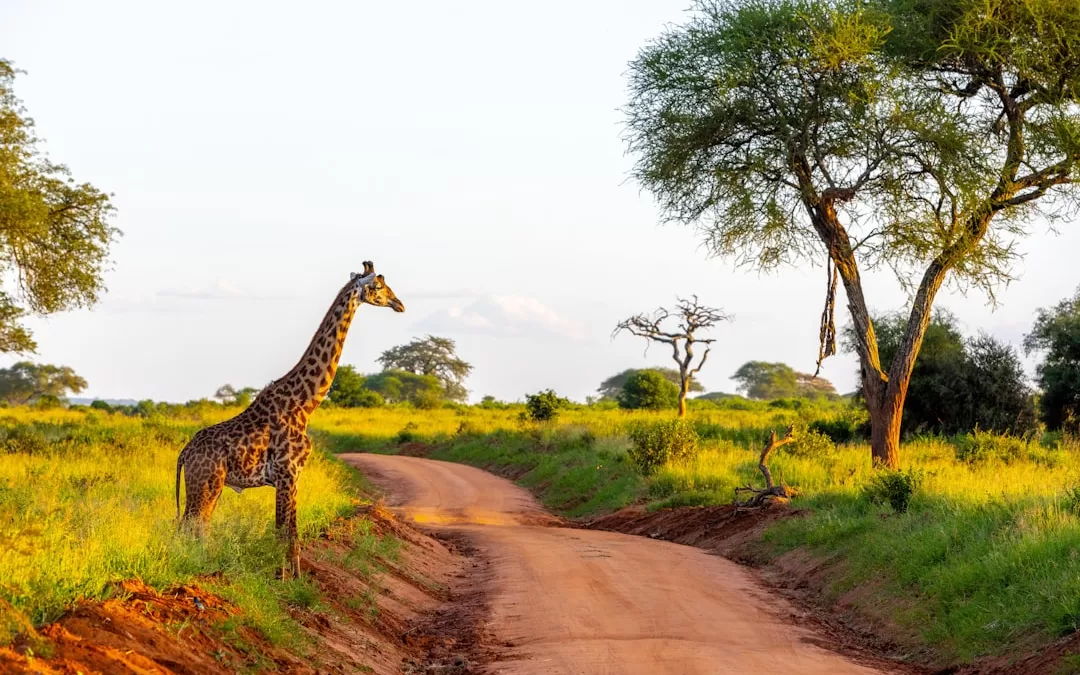
Kenya has long been synonymous with safari tourism. However, new investment in eco-lodges and sustainable travel experiences is giving the country a modern edge in the tourism industry.
Masai Mara and Beyond
The Masai Mara National Reserve remains an icon of African wildlife, drawing photographers and adventurers from across the world. Yet Kenya’s tourism now includes more than just safaris—it’s also about cultural immersion, community-based tourism, and boutique experiences along the Indian Ocean coast.
Nairobi’s Innovation
The capital city, Nairobi, is evolving into a high-energy hub with thriving tech startups, exceptional cuisine, and easy access to nature reserves right on its outskirts.
4. Rwanda – The Model of Ecotourism and Recovery
Rwanda has transformed from its tragic past into one of Africa’s cleanest, safest, and most environmentally conscious nations. Known as the “Land of a Thousand Hills,” it stands as a global model for eco-friendly and responsible tourism.
Volcanoes National Park
This is where travelers can trek through misty forests to meet the endangered mountain gorillas—a once-in-a-lifetime experience that defines Rwanda’s conservation success story.
Kigali’s Chic Modernity
Kigali epitomizes balanced urban growth, offering stylish cafes, contemporary art spaces, and pristine cityscapes that highlight Rwanda’s commitment to cleanliness and civic pride.
5. Tanzania – The Jewel of East African Adventure
With renowned sites like Mount Kilimanjaro and the Serengeti, Tanzania is already famous for its wildlife. However, increased attention to cultural tourism and the Swahili coast is driving new growth in its travel sector.
Zanzibar’s Coastal Magnetism
The island of Zanzibar is a dream for history buffs and beach lovers alike. The blend of Arabic, Persian, and Swahili cultures creates a unique fusion reflected in the island’s architecture and cuisine.
Mount Kilimanjaro and the Northern Circuit
Adventure travelers are flocking to Tanzania to climb Africa’s highest peak or witness the Great Migration in the Serengeti—two experiences that define African adventure tourism.
6. Namibia – Africa’s Desert Wonderland
Namibia’s striking landscapes, from the dunes of Sossusvlei to the Skeleton Coast, make it a powerful magnet for photographers and nature lovers. Its low population and strong conservation policies are setting international standards in sustainable tourism.
Adventure and Conservation
Visitors can enjoy quad biking, desert safaris, and stargazing while supporting Namibia’s community-based conservation programs that protect species like the black rhino and desert elephant.
7. Egypt – The Timeless Heritage Hub
Egypt combines ancient wonders with modern luxury, giving travelers an unmatched blend of history and comfort. With ongoing efforts to revitalize its tourism industry, Egypt continues to attract millions of visitors each year.
Pyramids and Beyond
While the Great Pyramids of Giza remain a must-see, new archaeological discoveries and the opening of the Grand Egyptian Museum have renewed global interest in Egyptian heritage.
Nile Cruises and Red Sea Resorts
Adventure seekers can explore the River Nile by cruise, while beach vacationers bask in the sun-soaked resorts of Sharm El Sheikh and Hurghada.
8. Senegal – The Rhythmic Heart of West Africa
Senegal has mastered the art of merging traditional African culture with a cosmopolitan vibe. Famous for its music, arts, and hospitality, Senegal is emerging as a trendsetter in African tourism.
Dakar’s Cultural Energy
Dakar, the capital, brims with creativity—from the Biennale of Contemporary African Art to vibrant night markets and seaside dining experiences.
Gorée Island
This UNESCO World Heritage site provides profound insights into the history of the slave trade, attracting cultural and historical travelers from across the world.
9. Ethiopia – Cradle of Civilization and Spiritual Depth
As the only African nation never fully colonized, Ethiopia offers travelers authentic cultural experiences rooted in deep heritage and tradition. Its unique landscapes and religious heritage make it one of Africa’s most intriguing destinations.
Lalibela’s Rock-Hewn Churches
The stone-carved medieval churches of Lalibela are a UNESCO treasure and a testament to Ethiopia’s ancient spiritual architecture.
Cuisine and Coffee Culture
Ethiopia’s cuisine and coffee ceremonies reveal the heart and hospitality of its people—an essential experience for cultural travelers.
10. South Africa – The Continent’s Tourism Powerhouse
South Africa’s diverse landscapes, cultural heritage, and modern infrastructure solidify its position as a leader in African tourism. From vineyards to wildlife reserves, it’s a country that offers every traveler a unique adventure.
Cape Town and the Garden Route
This scenic corridor showcases beaches, winelands, and mountain backdrops, offering a tropical-meets-cool-climate getaway for global tourists.
Johannesburg’s Cultural Renaissance
Johannesburg continues to evolve as a dynamic cultural hub, with art galleries, historical sites, and neighborhoods like Maboneng reflecting South Africa’s modern creative pulse.
Why These African Countries Are the Future of Tourism
- Diversity of experiences: From desert safaris to coastal relaxation, Africa offers unmatched variety.
- Growing investment: Governments are improving infrastructure, safety, and visa policies.
- Cultural authenticity: Tourism here is rooted in people, history, and tradition—not just landmarks.
- Sustainability focus: Many destinations now prioritize responsible eco-tourism.
Conclusion: Africa’s Rising Tourism Stars
The future of travel in Africa shines brightly. As infrastructure development accelerates and sustainability becomes central to tourism strategies, these ten countries are shaping a new narrative—one defined by authenticity, diversity, and innovation. Whether you’re drawn to wildlife adventures, cultural immersion, or coastal serenity, the continent’s potential remains boundless.
For more insights, explore the original article on Business Insider Africa and start planning your next African adventure today. The journey toward discovering the continent’s true beauty begins with curiosity—and Africa is ready to welcome the world.