

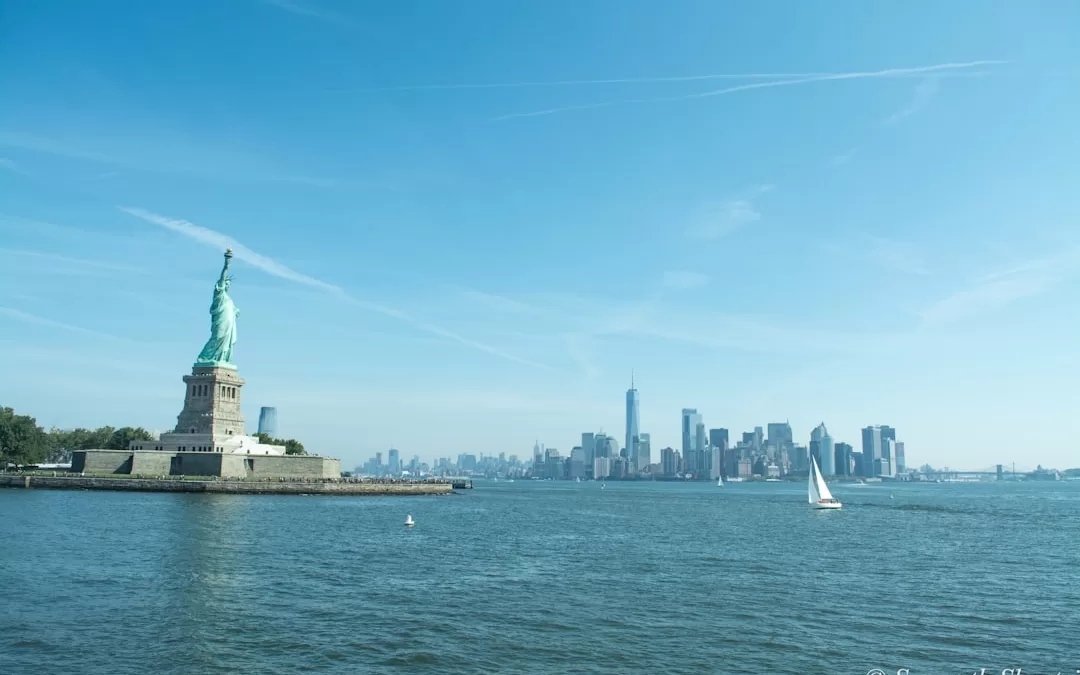
Top Travel Trends Shaping 2025 and 2026 Adventures

Top Travel Trends Shaping 2025 and 2026 Adventures

The travel industry is evolving faster than ever, driven by changing traveler expectations, new technology, and a global desire for sustainable, meaningful experiences. According to Click&Go Holidays, the trends shaping 2025 and 2026 will highlight deeper exploration, eco-awareness, and cultural authenticity. This post breaks down the top travel trends poised to shape the next two years and the destinations climbing everyone’s bucket list.

In this feature, readers will discover which regions are expected to dominate the global travel scene, why sustainability continues to be the most powerful driver, and how travel technology is redefining the way we plan and experience our adventures. Whether you’re an avid globetrotter or a travel brand strategist, these insights will help you stay ahead of what’s next in the ever-evolving world of travel.

1. Sustainable Travel Takes Center Stage in 2025–2026

More than just a buzzword, sustainability has become the foundation of modern travel. According to Click&Go’s latest findings, travelers in 2025 and 2026 are moving away from mass tourism toward low-impact, eco-conscious journeys.

Eco-Resorts and Green Stays

Resorts built around renewable energy and zero-waste principles are topping booking lists. Green certification programs, such as EarthCheck and Green Globe, are becoming critical decision factors for travelers wanting to minimize their footprint. Destinations like Costa Rica, Iceland, and Slovenia are setting global examples in eco-tourism infrastructure.

Local Impact Tourism

There’s a growing shift toward travel experiences that contribute directly to local communities. Tourists are choosing locally owned accommodations, agritourism stays, and volunteer programs that uplift local economies while preserving cultural heritage.

  • Supporting local artisans through sustainable souvenirs
  • Participating in cultural immersion programs
  • Booking with eco-certified local tour operators

2. Emerging Destinations: The New Hotspots for Adventure Seekers

The study highlights a move beyond the traditional European capitals and toward undiscovered locations offering more authentic adventures. As the desire for novelty intensifies, travelers are heading off the beaten path.

The Rise of Eastern Europe and the Balkans

Countries like Albania, North Macedonia, and Montenegro are shining as the next big travel playgrounds. With crystal-clear coastlines, affordable prices, and warm hospitality, these nations offer the charm of the Mediterranean without the crowds.

Asia’s Hidden Treasures

Vietnam and Sri Lanka continue their ascent as wellness and cultural travel hubs. Expect renewed interest in heritage sites, local cuisine, and immersive rural experiences that celebrate daily life and regional history.

Latin American Renaissance

Latin America is witnessing a revival through eco-adventure tourism. Ecuador, Peru, and Colombia are positioning themselves as biodiversity hotspots, appealing to eco-travelers and thrill-seekers alike with rainforest expeditions, ancient ruins, and culinary discoveries.

3. Remote Work and “Blended Travel” on the Rise

The post-pandemic shift to flexible work arrangements has created a new phenomenon: blended travel. It’s a hybrid of business and leisure, where professionals extend work trips into mini-vacations or manage remote work while exploring destinations around the world.

Work-from-Anywhere Digital Nomad Destinations

Countries offering long-stay visas — such as Portugal, Barbados, and Estonia — are rapidly becoming digital nomad hotspots. Fast internet, coworking spaces, and supportive government policies are turning these destinations into innovation hubs for location-independent professionals.

Wellness Meets Work

Travelers are increasingly blending mindfulness with productivity. Imagine taking work calls from a beachside lounge, followed by mid-day yoga sessions or local cooking classes. The trend underscores an important balance between maintaining career momentum and enhancing mental well-being.

4. Technology Transforming the Travel Experience

From AI-powered personal assistants to contactless booking, travel technology continues to revolutionize the customer experience. The future traveler expects seamless, hyper-personalized journeys powered by data and smart design.

AI-Powered Recommendations and Virtual Travel Planning

AI is now integrated into nearly every phase of trip planning. Machine learning analyzes preferences to recommend custom itineraries, airlines, and hotels. Virtual reality previews let travelers “test drive” their experience before purchasing, building trust and excitement.

Smart Flights and Sustainable Aviation

Airlines are leveraging data analytics to optimize fuel efficiency and reduce carbon emissions. Electric and hybrid aircraft projects from major manufacturers signal that the aviation industry’s sustainability revolution is well under way.

Mobile-First Experiences

With up to 80% of travelers relying on smartphones for planning, mobile optimization has become essential. Apps that centralize bookings, boarding passes, and local recommendations simplify every part of the journey.

  • Automated itinerary management
  • Digital payment integration
  • Contactless hotel check-in systems

5. Wellness and Mindful Escapism Redefining Leisure Travel

Amid global stressors, travelers are seeking mental rejuvenation over material indulgence. The wellness travel market is forecast to surpass pre-2020 levels by 2025, according to industry reports.

Holistic Retreats and Nature Immersion

Mountain lodges, desert spas, and forest retreats are leading the charge. Mindfulness practices, digital detox programs, and yoga getaways create a sanctuary from the digital noise of modern life.

Slow Travel Movement

Instead of rushing through multiple destinations, travelers are focusing on one region and exploring it deeply. Slow travel promotes personal connection, environmental respect, and cultural understanding — aligning perfectly with sustainability goals.

Culinary Wellness Experiences

Food tourism continues to diversify, now focusing on gut-friendly, organic, and regenerative gastronomy. Farm-to-table dining and local food tastings provide a tangible link between wellness and cultural appreciation.

6. Personalized and Experience-Driven Travel Gains Momentum

The desire for authenticity and personal connection drives many of the trends shaping future travel. Instead of checklist tourism, travelers are investing in experiences that align with their identities, beliefs, and passions.

Culture-First Itineraries

Workshops with local artisans, traditional cooking lessons, or storytelling experiences with indigenous communities are redefining how travelers engage with destinations. These curated interactions foster meaningful cross-cultural appreciation.

Adventure Reimagined

From multi-day trekking to guided expeditions in lesser-known regions, adventure travel in 2025–2026 will emphasize personal growth and environmental respect. Safety and sustainability will remain non-negotiable pillars of this movement.

Luxury Reinterpreted

Luxury is shifting from opulence to personal meaning. A private chef-led dinner in a vineyard, or sleeping under the stars in the desert, offers emotional richness — the new definition of high-end travel.

Conclusion: The Future of Travel is Conscious, Connected, and Customizable

As revealed by Click&Go Holidays’ Top Travel Trends Report, the coming years will emphasize immersive experiences, environmental responsibility, and technology-assisted personalization. The global traveler is no longer motivated by quantity but by quality — seeking connection over consumption, and authenticity over convenience.

For travel brands, tour operators, and destinations, embracing these changes isn’t optional — it’s essential. Building sustainable partnerships, leveraging smart technology, and staying culturally informed will define success in 2025 and 2026. For travelers, the journey ahead promises a world of deeper meaning, purposeful exploration, and endless opportunity to rediscover our planet with compassion and curiosity.

Continue your reading here My Flight One Travel Blog
Enjoy our game while waiting for your flight Fly the plane by My Flight One

Morocco and Egypt Lead Africa’s Tourism Revolution

Morocco and Egypt are redefining travel in Africa, breaking visitor records and reinforcing their positions as the continent’s leading tourist powerhouses. Fueled by innovative tourism strategies, major infrastructure investments, and a surge in post-pandemic wanderlust, both nations are setting new benchmarks for sustainable and cultural tourism. In this article, we explore the key factors behind their success, how they’re shaping Africa’s future in travel, and what global travelers can expect next from these dynamic destinations.

Drawing insights from the recent report “Morocco And Egypt Smash Records As Africa’s Top Tourist Destinations”, this post highlights how strategic reforms, cultural revival, and tech-driven innovation have turned Morocco and Egypt into top-tier destinations that are captivating millions worldwide.

Morocco Tourism Boom: The Rise of a Cultural Powerhouse

Strategic Infrastructure and Hospitality Growth

Morocco’s tourism sector is thriving thanks to major government initiatives and increased investment in hospitality and transport infrastructure. Over the past decade, the country has transformed cities like Marrakech, Casablanca, and Fez into hubs of world-class luxury and authentic heritage experiences. The expansion of international airports, modern highway networks, and an array of boutique riads have made travel within Morocco both convenient and captivating.

The Moroccan National Tourism Office’s international campaigns—powered by digital marketing and targeted content—have amplified the country’s visibility across Europe, North America, and the Middle East, bringing record-breaking numbers of visitors.

Cultural Heritage and Experiential Travel

Travelers increasingly crave experiences rooted in culture and authenticity. Morocco excels in offering immersive experiences—from the bustling souks of Marrakech to the serene Sahara Desert. The nation’s success lies in balancing modernization with the preservation of local traditions and craftsmanship, ensuring that every visit supports cultural continuity.

Themed tours, culinary experiences, and eco-retreats are allowing visitors to engage deeply with Moroccan heritage, while sustainable travel practices are being integrated into tourism planning. This focus on authentic cultural immersion keeps Morocco on top of global travel trend lists.

Egypt’s Tourism Renaissance: From Ancient Wonders to Modern Marvels

Post-Reform Resurgence

After a decade of socio-economic challenges, Egypt has staged a powerful tourism comeback. With a focus on improving safety, infrastructure, and visitor experience, the nation has not only revived interest in its ancient monuments but also diversified into coastal and adventure tourism. Cairo’s new Grand Egyptian Museum, the largest archaeological museum in the world, exemplifies this new era of innovation and national pride.

Supported by governmental reforms, Egypt’s tourism authorities have implemented visa facilitation programs, upgraded airport systems, and promoted digital tools to make the country more accessible to international visitors.

Blending Ancient History with Modern Comfort

What makes Egypt’s resurgence unique is its harmonious blend of ancient and modern attractions. Tourists now enjoy luxury Nile cruises with advanced amenities, curated archaeological tours with expert-led storytelling, and newly developed Red Sea resorts that appeal to high-end travelers. The result is a more diversified and inclusive tourism environment catering to both adventure seekers and cultural enthusiasts.

Digital Transformation Driving African Tourism

Smart Tourism Initiatives

Both Morocco and Egypt are leveraging digital technology to enhance the tourist experience. Virtual reality previews, augmented reality guides at museums, and mobile booking platforms have made travel planning seamless. Social media influencers, travel bloggers, and digital campaigns play an instrumental role in shaping the perception of these destinations, creating shareable experiences that go viral across global networks.

Data-driven tourism marketing allows authorities to analyze visitor patterns, improve promotional strategies, and forecast trends—making both countries agile in responding to market changes.

Eco-Friendly and Sustainable Tourism Tech

Technology is also advancing the sustainability agenda. Mobile payment solutions and digital entry systems cut down on paper waste, while smart energy management in hotels supports eco-tourism. Morocco’s investment in solar energy, particularly in Ouarzazate’s massive solar complex, exemplifies its commitment to green tourism infrastructure.

Comparative Insights: Why Morocco and Egypt Lead Africa’s Tourism Race

  • Diverse Tourism Offerings: Both nations provide a balance between cultural heritage, adventure, and luxury.
  • Strategic Location: Their proximity to Europe and the Middle East makes them accessible to a wide visitor base.
  • Government Support: National tourism strategies have been well-aligned with economic reform and sustainability goals.
  • Resilient Brand Identities: Through storytelling and digital engagement, Morocco and Egypt have built strong, globally recognizable tourism brands.
  • Safety and Accessibility: Improvements in infrastructure, security, and traveler mobility continue to foster trust among international travelers.

Economic Impact and Community Development

Tourism as a Pillar of Growth

Tourism now represents a significant share of both Morocco’s and Egypt’s GDP. The sectors are directly linked to job creation, rural development, and the expansion of local industries such as handicrafts, cuisine, and cultural festivals. In Morocco alone, tourism revenues in 2023 reached historic highs, supporting hundreds of thousands of livelihoods across the country.

Egypt’s revitalized tourism is contributing to economic diversification, reducing dependence on fossil fuels, and spurring growth in hospitality and real estate investments. These developments are transforming cities into multi-functional, globally competitive hubs that attract both leisure and business travelers.

Empowering Local Communities

Both countries have made community-based tourism a policy priority. Initiatives supporting local artisans, women-led cooperatives, and rural heritage projects are ensuring that tourism revenue fosters inclusive economic growth. By engaging local populations as active partners in the sector, Morocco and Egypt demonstrate a sustainable model that other African nations can emulate.

What Travelers Can Expect in 2025 and Beyond

Emerging Travel Trends

Looking forward, the **African tourism landscape** will continue to evolve. Morocco is expected to build on its position as a leader in cultural tourism, with upcoming festivals and eco-focused resorts drawing new global attention. Egypt, on the other hand, will expand its heritage tourism and adventure offerings, with underwater archaeological sites and desert safaris tapping into new traveler segments.

Opportunities for Travel Companies

Travel agencies and tour operators can expect growing demand for tailor-made itineraries that blend culture, comfort, and environmental awareness. The integration of AI-based travel tools will further personalize travel experiences, while eco-certifications and responsible tourism will become differentiators in a competitive marketplace.

Expanding Air Connectivity

Recent expansions in air routes by Royal Air Maroc and EgyptAir are bridging continental and intercontinental travel gaps, facilitating smoother travel between Africa, Europe, and Asia. These developments will play a vital role in sustaining growth momentum and making both nations vital transit and tourism hubs.

Conclusion: Africa’s Tourism Horizon Redefined

The success stories of Morocco and Egypt showcase how visionary planning, digital transformation, and sustainable tourism strategies can elevate nations to global prominence. Their journey reflects the broader potential of African tourism when guided by innovation, collaboration, and cultural pride.

As travelers seek destinations that balance authenticity with modern comfort, Morocco and Egypt’s models provide a blueprint for the continent’s future growth. Their record-breaking achievements don’t just belong to history—they signify a new era where Africa stands ready to claim its place as a world-leading tourism destination.

For more details on the original announcement, visit Yahoo News: Morocco And Egypt Smash Records As Africa’s Top Tourist Destinations.

South America’s Top City for Walkable Adventures

South America’s Top City for Walkable Adventures

South America is a continent of dynamic cities, rich culture, and awe-inspiring landscapes, but when it comes to traveling on foot, one destination stands above the rest. According to Travel + Leisure, the most walkable tourist city in South America has recently been named, sparking curiosity among sustainability advocates, urban explorers, and digital nomads alike. This recognition not only highlights the city’s urban planning excellence but also its growing appeal as a model destination for immersive, car-free exploration.

In this article, we’ll explore why this South American gem earned the title of the most walkable tourist destination, what makes its streets, parks, and neighborhoods ideal for pedestrians, and how this recognition impacts its tourism, local economy, and culture. We’ll also uncover practical tips for travelers who wish to enjoy its vibrant atmosphere through sustainable exploration and on-foot adventures.

Why Walkability Matters for Modern Travelers

Today’s travelers increasingly value walkability when choosing destinations. Beyond the health and environmental benefits, walkable cities provide a deeper sense of connection and cultural engagement than car-dependent ones.

The Shift Toward Sustainable Tourism

Sustainable travel is no longer just a buzzword—it’s a guiding principle. Walkable cities naturally support eco-conscious tourism by reducing vehicle emissions, promoting local commerce, and encouraging the preservation of historic architecture. In South America, where urban growth and environmental stewardship often intersect, this shift is significant.

Connecting Culture and Foot Travel

Walking allows visitors to connect visually and emotionally with the environment—listening to street music, smelling the aroma of local food vendors, and observing everyday city life. This immersive approach helps travelers form lasting, authentic impressions that guidebooks or car tours cannot replicate.

The Most Walkable City in South America: Not Just a Title

According to Travel + Leisure’s feature, the honor of being South America’s most walkable tourist destination was given to a city known for its urban accessibility, green spaces, and vibrant street life. This recognition reflects not just infrastructure but a cultural mindset that welcomes exploration by foot.

Urban Design Beyond Expectations

The award-winning city integrates pedestrian-friendly planning into its layout—wide sidewalks, designated bike lanes, and traffic-calmed zones invite both locals and tourists to explore safely. Strategic zoning allows restaurants, museums, and cultural hotspots to coexist within walking distance, creating a seamless visitor experience.

A Model for Latin American Cities

Other regional centers are taking notice. By prioritizing pedestrian infrastructure, this city has become a blueprint for Latin American urban resilience. The implementation of shaded pathways, tree-lined boulevards, and heritage preservation reinforces its appeal as a world-class destination for foot travelers.

Top Attractions to Explore on Foot

From colorful markets to iconic plazas, travelers can uncover the heart of the city by simply walking. Here are some must-experience locations perfect for pedestrian discovery:

  • Historic Downtown: A maze of colonial-era streets filled with art galleries, traditional cafés, and architectural marvels.
  • Local Markets: Ideal for sampling regional delicacies, handmade crafts, and daily life in motion.
  • Cultural Corridors: Museums, theaters, and open-air exhibits often line pedestrian-only streets where artists perform live.
  • Waterfront Parks: Many visitors enjoy strolling through riverwalks and green zones that blend urban scenery with nature.

Hidden Neighborhoods Worth Exploring

Some of the most enchanting areas are beyond the main tourist routes. Local neighborhoods with cobblestone lanes, family-owned eateries, and murals reveal the authentic pulse of the city. These lesser-known districts invite travelers to engage meaningfully with residents and daily routines, fostering cultural understanding.

Economic and Social Benefits of Walkable Tourism

Walkability doesn’t just enhance visitor satisfaction—it stimulates urban vitality. Pedestrian-oriented infrastructure directly impacts the local economy, real estate, and social cohesion.

Boosting Small Businesses

When tourists choose to walk, they engage more frequently with street vendors, boutiques, and family-run cafés. Such micro-economies depend on foot traffic, building community wealth and local resilience. Walkability thus becomes an engine for balanced economic growth.

Improving Public Health and Social Connectivity

A walkable city encourages physical activity among residents and promotes shared public spaces where people from different backgrounds interact. This fosters inclusivity, safety, and civic pride—a trio essential for long-term urban well-being.

Planning Your Trip to the Most Walkable City in South America

Traveling to this remarkable destination is about preparation and immersion. To make the most of your journey, here’s how you can plan a walking-focused itinerary:

  1. Choose Central Accommodations: Stay in the historic or cultural heart of the city to minimize transportation needs.
  2. Pack Smart: Comfortable walking shoes, sun protection, and reusable water bottles are must-haves.
  3. Use Local Guides: Many residents offer curated walking tours that highlight hidden stories and landmarks.
  4. Embrace Slow Travel: Allocate time to wander—serendipity often leads to the most memorable discoveries.

Technology and Walkable Exploration

Digital tools, including map apps and virtual guide platforms, now make it easier than ever to explore on foot. Travelers can use augmented reality to uncover historical facts as they stroll past monuments, adding a modern layer to traditional sightseeing.

How Other Cities Can Learn from This Walkability Success

The recognition by Travel + Leisure sends a clear message: investing in pedestrian-forward planning leads to citywide benefits. Urban designers, mayors, and sustainability planners from across South America can take actionable lessons from this model city.

Key Takeaways for Urban Planners

  • Combine mixed-use zoning with walkable layouts to integrate everyday needs within short distances.
  • Preserve cultural and architectural heritage by restoring existing neighborhoods rather than expanding outward.
  • Develop pedestrian safety programs and infrastructure maintenance plans to sustain accessibility.
  • Encourage partnerships between local businesses and tourism boards to promote walking-friendly environments.

Long-Term Vision for South American Tourism

As cities compete globally for tourism revenue, walkability is proving to be an indicator of livability, sustainability, and long-term visitor appeal. Implementing smart, inclusive, and green policies not only benefits visitors but also nurtures local identity and pride.

Conclusion: Stepping Toward a More Connected South America

The designation of the most walkable tourist destination in South America shines a spotlight on the region’s evolving relationship with urban mobility and cultural authenticity. Walkable cities connect people in ways cars never can—they transform sightseeing into shared human experience.

Whether you are a first-time visitor or a returning traveler, strolling through this award-winning city offers an intimate view of its art, rhythm, and soul. As more cities follow its footsteps, South America is poised to become a global leader in sustainable, walkable tourism—one step at a time.

Continue your reading here My Flight One Travel Blog
Enjoy our game while waiting for your flight Fly the plane by My Flight One

Midwest Adventures That Won’t Break the Bank

Midwest Adventures That Won’t Break the Bank

Exploring the American Midwest doesn’t have to empty your wallet. Known for its vast landscapes, friendly locals, and hidden gems, the Midwest offers some of the most affordable travel experiences in the United States. Whether you’re into vibrant city life, scenic outdoor adventures, or rich cultural heritage, budget-conscious travelers can uncover extraordinary destinations that deliver excellent value. In this guide, inspired by the round-up from GoBankingRates’ list of the 24 Most Budget-Friendly Midwest Tourist Destinations, we’ll explore how you can experience the region’s best attractions without overspending.

This post dives deep into where to go, what to do, and how to stretch your dollar while discovering the Midwest’s charm. You’ll learn practical travel tips, cost-saving hacks, and insider recommendations for maximizing your adventure. Let’s take a closer look at the most affordable Midwest tourist destinations that promise memorable experiences at a fraction of the price.

1. Why the Midwest is a Top Pick for Budget Travelers

The Midwest has long been overlooked in favor of expensive coastal cities, but it’s fast becoming a sought-after hub for budget-friendly tourism. With lower hotel rates, free attractions, and local hospitality, this region offers an unmatched cost-to-value ratio.

Affordable Living, Big Experiences

Unlike tourist-heavy areas where a single dinner can rival your day’s budget, Midwestern cities and small towns deliver high-quality experiences for a fraction of the cost. From Kansas City’s jazz-filled streets to Minneapolis’s free museums, affordability meets offering quality.

Ease of Access and Lower Travel Costs

Airfare and fuel prices tend to be lower for Midwest travel compared to other U.S. regions. In addition, major interstates and Amtrak routes make reaching destinations simple and cost-effective for families and solo travelers alike.

2. Top Budget-Friendly Midwest Destinations to Visit

Each Midwest city offers something distinct—whether it’s culinary exploration, outdoor recreation, or cultural history. Below are some of the region’s shining stars for affordable getaways.

Chicago, Illinois – Urban Adventure Without the Expense

Chicago may seem glamorous, but travelers can explore this metropolis without breaking their budget. The city’s free attractions like Millennium Park, Navy Pier, and numerous lakefront beaches offer entertainment at no cost. Local food staples such as deep-dish pizza and Chicago-style hot dogs deliver authentic tastes on a dime.

Kansas City, Missouri – Music and Barbecue Heaven

Kansas City balances rich history and flavorful eats with incredible value. Affordable jazz clubs, interactive museums, and world-famous barbecue joints make it one of the Midwest’s most wallet-friendly cities. Don’t miss Union Station’s free exhibits or picnic at Loose Park Gardens.

Duluth, Minnesota – Scenic Shores of Lake Superior

Nature lovers will adore Duluth’s unbeatable access to Lake Superior’s coastline. Hiking trails, stunning overlooks, and low-cost lodging make this a perfect weekend escape. Many attractions, such as the Lakewalk, aerial lift bridge, and Canal Park, can be enjoyed completely free.

Madison, Wisconsin – Small City, Big Personality

Madison combines college-town energy with Midwestern charm. Budget travelers can stroll around the Wisconsin State Capitol, rent inexpensive bikes to tour the lakes, and enjoy local farmers’ markets brimming with produce and live music—all for minimal costs.

Indianapolis, Indiana – Cultural Heart on a Budget

Known as the “Crossroads of America,” Indianapolis wins visitors over with affordable entertainment. The city’s Canal Walk, free art galleries, and reasonably priced sports attractions ensure your itinerary stays exciting and cost-effective. Try local diners and indie breweries to experience authentic flavors without overpaying.

3. Budget-Friendly Outdoor Escapes and Natural Sites

Many of the Midwest’s best kept secrets lie off the beaten path, where state parks, lakes, and scenic byways provide a nature-filled retreat. Outdoor lovers will find opportunities to hike, bike, kayak, and camp affordably across the region.

Wisconsin Dells, Wisconsin – Waterpark Capital of the World

This affordable family getaway is filled with activities, from waterparks to river boat tours. Visit during spring or fall to save big on accommodation. Nearby natural wonders like Devil’s Lake State Park offer affordable outdoor adventures for all ages.

Hocking Hills, Ohio – Natural Retreat for the Soul

Just a few hours from Columbus, Hocking Hills delivers spectacular caves, waterfalls, and forest trails. Entry is free for many areas, and travelers can camp or rent cozy cabins for affordable extended stays.

Sleeping Bear Dunes, Michigan – Lake Michigan’s Golden Coast

Considered one of America’s most scenic sites, Sleeping Bear Dunes combines sand dunes, hiking loops, and panoramic lake views. Entry fees are minimal, and if you visit during off-season months, you can expect further savings on accommodations.

4. How to Save Money While Traveling in the Midwest

Getting more travel for less money requires planning and a few smart decisions. These strategies will help stretch your budget while still enjoying top-notch Midwest experiences.

Travel During Off-Peak Seasons

The biggest savings come from scheduling your trip outside summer and major holiday periods. Spring and fall often bring reduced hotel rates, thinner crowds, and still-beautiful scenery.

Use Local Transit and Walking Routes

Many Midwest cities are pedestrian-friendly, with efficient public transit systems. Opt for a weekend bus or bike pass to save on fuel and parking costs while getting immersed in the local scene.

Book Lodging Wisely

Instead of staying in downtown hotels, consider accommodations outside city centers. Short-term rentals, hostels, and locally owned inns often provide free breakfast and extra perks that help you cut costs.

Dine Like a Local

Skip chain restaurants and go for local diners or food trucks. Midwest comfort food—from hearty stews to handmade pastries—offers authentic flavor and larger portions at affordable prices. Visiting farmers’ markets can also give you fresh, low-cost ingredients for DIY picnics.

Leverage Free Attractions

Many museums, historic landmarks, and music events throughout the Midwest are free or donation-based. Check community calendars for festivals, open-air concerts, and cultural exhibits that won’t cost a dime.

5. Unique Cultural and Historical Attractions on a Budget

Travel in the Midwest has a deep connection with history and culture—from pioneer museums to architecture tours—but enjoying it doesn’t mean splurging. Budget travelers can explore unique, meaningful experiences that tell the story of America’s heartland.

St. Louis, Missouri – Gateway to the West

St. Louis is a must-see for those who appreciate architecture and cultural history. Admission to the Gateway Arch National Park is low-cost, and the St. Louis Zoo and Art Museum are completely free. For extra charm, explore local blues bars that feature live performances with no cover charges.

Cleveland, Ohio – Music and Museums on a Budget

Home to the Rock & Roll Hall of Fame, Cleveland also offers numerous affordable museums and lakefront parks. Free days at select cultural centers and discounted passes make it a budget-savvy travel spot for history and art lovers.

Omaha, Nebraska – Affordable Midwestern Hospitality

Omaha’s Old Market district brims with character—brick streets, galleries, and cozy cafes. You can explore botanical gardens, river walks, and live music venues without overspending. Family-friendly attractions like the Henry Doorly Zoo offer combination ticket deals for greater value.

6. Planning the Perfect Low-Cost Midwest Getaway

When mapping out your Midwest adventure, flexibility and research are key. Planning early ensures the best deals on accommodations and transport while still giving you a chance to experience seasonal highlights.

Build a Flexible Itinerary

Keep your plans open for spontaneous stops or route changes. Many small towns host seasonal festivals and craft fairs that add unexpected charm to your trip at little or no cost.

Pack Smart for Savings

Avoid unnecessary purchases by packing essentials like refillable water bottles, reusable bags, and picnic gear. Many Midwest attractions encourage eco-friendly options, which usually double as cost-saving measures.

Maximize Group Travel Benefits

Traveling with friends or family allows you to split expenses on car rentals, lodging, and meals. Many attractions also offer group discounts, so taking a collective approach can enhance both savings and experience.

Conclusion: Experience the Midwest’s Beauty Without Breaking the Bank

The Midwest’s blend of affordability, cultural richness, and natural beauty makes it one of the smartest choices for cost-conscious travelers. From scenic national parks to vibrant, history-filled cities, the region proves that remarkable adventures don’t have to come with a high price tag. Each destination on this list allows you to experience genuine hospitality and diverse attractions—without the financial strain.

With smart planning, you can embrace all that America’s heartland offers—from lakeside sunsets in Michigan to urban exploration in Chicago—and still stay well within your budget. Inspired by GoBankingRates’ curated list of budget-friendly destinations, this travel approach ensures you make meaningful memories for less. The Midwest welcomes you with open arms—and open savings.

Continue your reading here My Flight One Travel Blog
Enjoy our game while waiting for your flight Fly the plane by My Flight One

Epic US Vacation Spots You Need to See This Year

Epic US Vacation Spots You Need to See This Year

America’s vast landscape offers travelers an incredible variety of experiences — from stunning national parks and vibrant cities to charming small towns steeped in history. In this post, inspired by the travel news article Six Must-See U.S. Travel Destinations, we’ll explore some of the most remarkable places to visit across the United States. Whether you crave natural wonders, thrilling adventures, or cultural immersions, these U.S. travel destinations promise unforgettable memories for every kind of traveler.

Through this insightful guide, you’ll discover where to find breathtaking landscapes, hidden gems, and iconic attractions that define the American travel experience. We’ll also highlight top travel tips and regional insights to help you plan your next trip efficiently. Our goal: to inspire your wanderlust while optimizing for key travel-related search terms like U.S. travel destinations, America vacation spots, and best places to visit in the United States.

Discovering the Best U.S. Travel Destinations

When planning a domestic getaway, the United States offers an almost limitless variety of options. From coast to coast, each region offers distinct attractions and cultural flavor. One of the most rewarding aspects of exploring the U.S. is the diversity of experiences — whether you’re exploring rugged wilderness, tasting regional delicacies, or stepping into history-rich towns.

The Allure of America’s Great Outdoors

The natural beauty found throughout the United States makes it one of the most scenic destination choices in the world. From the vast deserts of the Southwest to the towering peaks of the Rockies, America’s wilderness areas invite adventure seekers and nature lovers alike.

  • National Parks: Each park is a carefully preserved ecosystem, offering hiking, wildlife viewing, and geological marvels. Highlights include Yellowstone’s geysers, Yosemite’s granite cliffs, and the Grand Canyon’s awe-inspiring vistas.
  • Coastal Escapes: The Atlantic and Pacific coasts offer unique atmospheres — from Maine’s rocky shores and historic towns to California’s golden beaches and surf culture.
  • Mountain Adventures: Colorado, Utah, and Montana are prime destinations for skiing, climbing, and year-round outdoor recreation.

Iconic Cities That Shape U.S. Travel

Urban exploration remains one of the most popular reasons to travel within the U.S. Each major city tells its own story and offers a mix of architecture, cuisine, and entertainment.

New York City: The City That Defines Possibility

A global icon, New York City attracts millions of visitors every year. Its energy, skyline, and cultural institutions make it a must-visit destination. From the Statue of Liberty and Central Park to Broadway shows and world-class museums, the city represents the American dream at its finest. Be sure to explore its boroughs beyond Manhattan — Brooklyn’s creative scene and Queens’ diverse cuisines are unmissable highlights.

Chicago: A Blend of Architecture and Flavor

Known as the Windy City, Chicago impresses travelers with its architectural skyline, vibrant lakefront, and deep-dish pizza tradition. The Art Institute, Millennium Park, and bustling Riverwalk make it a cultural hub in the Midwest. It’s also home to jazz heritage and local breweries, enriching its appeal for city explorers.

San Francisco: The Gateway to the Pacific

San Francisco combines scenic beauty with cultural vibrancy. Iconic images of the Golden Gate Bridge, cable cars, and Victorian houses dominate travel photography. Visitors can also explore Silicon Valley’s innovation landmarks or venture to nearby wine regions like Napa Valley.

Nature Lovers’ Paradise: National Parks and Scenic Wonders

For nature enthusiasts, U.S. national parks are treasures waiting to be discovered. Their protected landscapes not only offer adventure but also preserve the country’s ecological diversity.

Yosemite and Yellowstone: America’s Natural Icons

These parks exemplify the grandeur of the American outdoors. Yosemite National Park in California captivates visitors with its waterfalls and evolving rock formations, while Yellowstone National Park, stretching across Wyoming, Montana, and Idaho, is home to geothermal wonders and majestic wildlife.

Grand Canyon and Great Smoky Mountains: Vast Landscapes, Endless Views

Arizona’s Grand Canyon enchants travelers with its layered rock formations and panoramic views, perfect for photography and hiking enthusiasts. On the opposite side of the country, the Great Smoky Mountains between North Carolina and Tennessee boast mist-covered hills and a rich Appalachian heritage.

  • Travel Tip: Visit parks during the shoulder seasons (spring and fall) to avoid heavy crowds.
  • Stay Connected: Some parks have limited cellular service — plan your maps and routes in advance.
  • Eco-Friendly Adventure: Leave no trace. The goal is to preserve these treasures for future generations.

Hidden Gems and Offbeat U.S. Destinations

Beyond the famous landmarks, the U.S. harbors countless secret travel gems that delight those seeking less-traveled paths. These offbeat destinations offer authentic experiences, often blending natural beauty with local character.

Asheville, North Carolina

Nestled between the Blue Ridge Mountains, Asheville is a haven for art lovers and outdoor enthusiasts. Its eclectic downtown, creative culinary scene, and lively music venues make it a cultural hotspot. Nearby, the scenic Blue Ridge Parkway offers breathtaking road trip opportunities.

Taos, New Mexico

Blending Native American, Spanish, and artistic influences, Taos is a high-desert town with a unique charm. The centuries-old Taos Pueblo and the surrounding mountain scenery provide both spiritual and aesthetic inspiration for travelers.

Door County, Wisconsin

A picturesque peninsula bordered by Lake Michigan, Door County is known for its idyllic small towns, orchards, and coastal vistas. It’s a perfect getaway for those seeking relaxation, artisanal crafts, and scenic drives.

Cultural and Historical Hotspots

America’s rich heritage offers travelers a chance to step back in time while exploring dynamic cultural traditions that continue to shape the nation.

Washington, D.C.

The nation’s capital enthralls history buffs with iconic landmarks, museums, and monuments. The National Mall, the Smithsonian Institution, and nearby Georgetown provide a perfect mix of history, art, and local flavor.

New Orleans, Louisiana

Few cities can match the cultural vitality of New Orleans. Synonymous with jazz, Mardi Gras, and Creole cuisine, it offers travelers a sensory feast. From the French Quarter’s architecture to live music in every corner, it’s a city that celebrates life and resilience.

Santa Fe, New Mexico

Santa Fe’s adobe architecture and vibrant art scene make it one of the most distinctive American destinations. As one of the oldest state capitals, it balances deep-rooted traditions with modern creativity, hosting galleries, festivals, and culinary adventures.

Planning Your Trip for Maximum Experience

Now that you’re inspired by these must-see locales, a little preparation goes a long way toward a memorable journey. Each destination has its seasonal highlights, regional foods, and local customs that enhance your experience.

  • Research Timing: Some destinations shine at specific times of the year. For instance, fall foliage in New England or spring blooms in the Southwest.
  • Respect Local Traditions: Immerse yourself in regional culture, but also approach local communities with respect and curiosity.
  • Embrace Sustainability: Travel responsibly — support small businesses, minimize waste, and consider eco-friendly accommodations.

Conclusion: Experience the Diversity of U.S. Travel Destinations

The United States is far more than its famous landmarks; it’s a mosaic of landscapes, cultures, and traditions that make travel endlessly rewarding. Whether your journey leads you to bustling cities, remote mountain trails, or beaches along shimmering coastlines, each destination contributes to the story of America’s beauty and heritage.

As you plan your next adventure, let inspiration from this original article and the destinations discussed here guide your way. With thoughtful planning, openness to new experiences, and an appreciation for diversity, your exploration of the best U.S. travel destinations will unveil unforgettable moments, enriching both your journey and your perspective on what makes America truly remarkable.

Continue your reading here My Flight One Travel Blog
Enjoy our game while waiting for your flight Fly the plane by My Flight One