
Top Travel Warnings Minnesotans Need to Know for 2024

Top Travel Warnings Minnesotans Need to Know for 2024

As winter tightens its grip on the Midwest, travel experts and local authorities are issuing fresh warnings for residents of Minnesota planning trips in 2024. Recent reports highlight an increase in safety alerts for several popular destinations—some due to ongoing geopolitical tensions, others because of extreme weather conditions, disease outbreaks, or evolving travel advisories. Understanding where people in Minnesota are being warned not to travel is essential for staying safe and making smart decisions about future trips.

This article explores the most recent travel advisories, the reasons behind them, and how travelers can adapt their plans accordingly. It is designed to help readers stay informed, protect their health and safety, and navigate the changing global travel landscape. You’ll also find practical advice on reading government bulletins, understanding international alerts, and choosing safer alternatives. For context, this post draws inspiration from the original report available here.

Global Hotspots Under Warning Sign

Political Instability and Unrest

Some destinations that once attracted tourists now face severe unrest. Rebel activity, organized crime, and political protests have led to restrictions in parts of Africa, South America, and the Middle East. The U.S. Department of State regularly updates warnings for these zones, reminding travelers from Minnesota that certain regions—especially conflict-prone ones—can shift from low to high-risk status overnight.

  • Travel Tip: Always register with the Smart Traveler Enrollment Program (STEP) when traveling abroad to receive the latest security updates based on your location.
  • Monitor embassy social media pages for real-time information before and after departing.

Natural Disasters and Extreme Weather

Another major reason Minnesota travelers are advised to avoid specific destinations is weather volatility. From hurricane activity in the Caribbean to monsoon floods in Southeast Asia, natural disasters have disrupted transportation, power grids, and public safety infrastructure. These events can leave tourists stranded or exposed to danger.

Minnesota’s travel community has been especially cautioned against regions known for sudden, large-scale weather shifts during transitional seasons. Travel insurance covering weather-related interruptions is now a non-negotiable component of trip planning.

Health Risks and Pandemic Protocols

Resurgent Disease Zones

Post-pandemic travel enthusiasm has renewed interest in exotic, remote destinations. Unfortunately, certain areas remain high-risk for contagious diseases such as malaria, dengue fever, and even localized outbreaks of emerging viruses. The Centers for Disease Control and Prevention (CDC) advises travelers from Minnesota to verify required vaccinations before booking trips to tropical regions.

  • Consult a certified travel clinic 4–6 weeks before departure.
  • Carry masks, disinfectants, and medications recommended for the destination.
  • Keep up with changing border-entry testing requirements.

Unregulated Medical Infrastructure

Equally concerning are destinations with limited healthcare facilities or unpredictable emergency response systems. In some rural or underdeveloped areas, access to qualified medical personnel is scarce, increasing the risks associated with injuries or illness abroad. Minnesotans planning long-term or adventurous trips should evaluate the local healthcare capacity of their chosen destination before purchasing tickets.

Economic Instability and Travelers’ Safety

Inflation and Currency Volatility

Economic instability is a growing factor in travel advisories. When a nation experiences sudden inflation or declining currency value, the cost of services—including security and transport—skyrockets. For Minnesota travelers, this means unpredictable trip expenses and potential exposure to tourist-targeted scams.

Moreover, demonstrations related to economic hardship sometimes escalate into violent encounters. Avoiding known protest areas and monitoring the local news are essential safety steps before and during your visit.

Cultural and Legal Differences

Many warnings involve not only safety but also legal and cultural restrictions. Certain countries have strict rules around photography, attire, or public behavior that differ significantly from Minnesota’s norms. Violating these can lead to fines or detention. Researching these regulations beforehand ensures peace of mind.

  • Review each destination’s local laws on customs, dress codes, and moral conduct.
  • Check whether your electronic devices or digital content could trigger local scrutiny.

Cyber Threats and Digital Safety While Traveling

Public Wi-Fi Vulnerabilities

Modern travel involves digital dependence—but unsecured Wi-Fi networks in hotels, cafes, and airports can put personal information at risk. Experts recommend using a VPN (Virtual Private Network) to reduce exposure to data theft. For Minnesotans increasingly working remotely while traveling, protecting sensitive information is as critical as securing passports.

Social Media Awareness

Broadcasting live updates or geotagged posts can inadvertently reveal your location or travel schedule, making you a target for scams or burglary back home. Keeping posts delayed or turning off location settings enhances digital privacy.

Safer Alternatives for Minnesota Travelers

Domestic Adventures

If global conditions feel unpredictable, exploring closer to home can be equally rewarding. Within the United States, countless travel gems remain accessible and secure. National parks, small historic towns, and scenic routes provide beautiful, low-risk options that still satisfy the wanderlust spirit.

Low-Risk International Destinations

Travel analysts point to destinations with stable governments, strong medical facilities, and excellent tourist infrastructure. Northern Europe, Canada, and certain regions of Asia rank highly in safety and environmental sustainability. Choosing these destinations not only ensures peace of mind but also supports economies that prioritize traveler well-being.

Tips for Monitoring Travel Warnings and Preparing Smartly

  • Subscribe to multiple official travel advisories (CDC, U.S. State Department, and WHO).
  • Keep digital copies of passports and emergency contacts in secure cloud storage.
  • Choose travel insurers that explicitly cover geopolitical disruptions, evacuation, and health crises.
  • Download offline maps and emergency translation apps before departure.
  • Check flight flexibility options before purchase, as airlines now offer more adaptable cancellation policies.

Conclusion: Staying Informed Keeps You Safe

Global travel is an incredible privilege—but it demands vigilance. For residents of Minnesota, avoiding certain destinations for now isn’t about giving up on adventure; it’s about ensuring safety in a rapidly evolving world. Understanding current travel advisories, health risks, and political climates allows you to plan smarter, travel farther, and return home safely every time.

As official sources and media outlets, including the original update from B105 Country, continue to track changes, Minnesota travelers should stay proactive. The bottom line: wise travelers don’t just check flight times—they check safety alerts. By taking this informed approach, you’ll transform awareness into empowerment and enjoy travel as it was meant to be—safe, memorable, and full of learning experiences.

Holiday Beer Getaways You Need on Your Festive Bucket List

Holiday Beer Getaways You Need on Your Festive Bucket List

The holiday season offers the perfect blend of celebration and travel — a time when seekers of fine beer, winter charm, and iconic traditions set out to explore the most enchanting beer destinations around the world. From the snow-covered breweries of Belgium to the festive beer trails in the United States, the global craft beer community embraces the spirit of camaraderie and celebration. One of the season’s most captivating highlights is the legendary presence of the Budweiser Clydesdale horses, a true American symbol that brings both nostalgia and excitement to breweries across the country. Inspired by the feature Best Beer Destinations: Celebrate the Holidays With Budweiser Clydesdale Horses, this article explores the best beer-centric travel experiences worth adding to your holiday itinerary.

In this in-depth guide, readers will discover unique beer travel destinations, learn about the cultural traditions behind iconic brews, and see how festive events bring communities together. Whether you’re a craft beer enthusiast planning your next getaway or a traveler seeking authentic flavors with a touch of holiday magic, these curated destinations merge exceptional taste, cultural depth, and travel inspiration.

Best Beer Destinations for the Holiday Season

1. St. Louis, Missouri – Home of Budweiser and the Clydesdales

St. Louis is not only known for its arch but also for being the birthplace of Budweiser — one of the most recognized beers globally. During the holidays, the city transforms into a festive haven, with brewery tours, light shows, and the majestic Budweiser Clydesdale Horses parading proudly through the streets. Visitors can tour the Anheuser-Busch Brewery, where the brewing heritage dates back to the 19th century, and witness firsthand how craftsmanship continues to define the brand today.

The Clydesdales, with their polished harnesses and shimmering red ribbons, offer a sense of nostalgia and wonder. It’s a must-visit for beer fans who want to experience a dose of American beer history infused with holiday cheer.

2. Denver, Colorado – Craft Beer and Mountain Charm

Denver’s craft beer scene has become a magnet for enthusiasts seeking innovation and authenticity. With more than 150 breweries in the Greater Denver area, the “Mile High City” stands tall on the map of best beer travel destinations. During winter, breweries like Great Divide and Wynkoop transform into cozy tasting spaces where rich stouts and festive ales complement the chilly mountain air.

  • Visit Denver Beer Co. for seasonal releases like peppermint porters.
  • Join beer pairing dinners hosted by local chefs.
  • Attend Denver’s annual beer festivals featuring limited-edition winter brews.

3. Munich, Germany – A Festive Beer Wonderland

While Munich’s Oktoberfest draws millions every autumn, winter offers an equally enchanting beer experience. Bavarian beer halls glow with holiday lights, and visitors can savor hearty brews like doppelbocks paired with traditional dishes. Don’t miss the legendary Hofbräuhaus, which becomes a central hub for both locals and travelers during Christmas. Munich effortlessly combines centuries-old brewing traditions with heartwarming holiday spirit, making it an essential stop for any serious beer traveler.

Holiday Beer Experiences Worth Traveling For

Brewery Light Festivals

A number of world-renowned breweries illuminate their grounds with stunning lights during the holidays. The Anheuser-Busch Brewery Lights event in St. Louis is one of the most captivating displays. Visitors can stroll beneath twinkling arches, sip on warm seasonal brews, and enjoy family-friendly entertainment. It’s a perfect mix of holiday celebration and beer culture.

Winter Beer Festivals

From Portland’s Holiday Ale Festival to Toronto’s Winter Brew Fest, beer lovers unite under the glow of festive tents to celebrate creativity in brewing. These festivals offer a chance to taste experimental beers infused with spices, cocoa, and winter fruits, making each sip a new discovery.

Why Holiday Travel and Beer Tourism Go Hand in Hand

Connecting People Through Flavor

Beer has always been a social connector — and during the holidays, this meaning deepens. Breweries often host community events, charity fundraisers, and holiday markets that bring together locals and visitors alike. Traveling for beer gives enthusiasts a sense of connection, immersing them in shared traditions and local storytelling. A craft beer enjoyed in its hometown always tastes better, enriched by the atmosphere and cultural touchpoints surrounding it.

Supporting Local Economies

Beer tourism contributes significantly to local economies, especially during the travel-heavy holiday season. From hotel stays to guided tours, destinations benefit from the influx of visitors seeking authentic experiences. For travelers, choosing local breweries over commercial brands means supporting artisans who prioritize quality, sustainability, and heritage.

Cultural Heritage and Iconic Beer Landmarks

Belgium – Monastic Brews and Winter Ale Traditions

Belgium’s brewing tradition is world-renowned, with Trappist monasteries leading the way. During winter, Belgian Abbeys release limited-edition ales known for their deep flavors and seasonal ingredients. Visiting an Abbey such as Chimay or Orval allows travelers to taste history itself, as each brew pays homage to centuries of craftsmanship and devotion.

United Kingdom – Cozy Pubs and Frosty Ales

In the UK, winter travel reveals a different charm — crackling fires, rustic pubs, and frosty glasses of dark ale. Cities like London, Edinburgh, and Manchester offer not only vibrant beer scenes but also cultural layers that create memorable experiences. A pint of mild or porter paired with traditional fare perfectly complements a chilly evening out.

Czech Republic – Birthplace of the Pilsner

The Czech Republic remains one of the best beer travel destinations for those seeking authenticity and history. The city of Pilsen, home to the original Pilsner Urquell, celebrates its brewing legacy with festive events and guided tours. During winter, Christmas markets nearby offer local delicacies and a magical atmosphere, making Pilsen a delightful addition to any holiday itinerary.

Pairing Holiday Adventures With Local Brews

Travel Smart, Taste Local

Exploring beer destinations isn’t just about sampling a pint; it’s about immersing yourself in the local way of life. Always pair your travel experiences with regional flavors — a German pretzel with your bock, a Canadian poutine with your IPA, or a classic American barbecue with a Budweiser. These pairings deepen appreciation and create lasting sensory memories.

Responsible Enjoyment

As travelers explore breweries and seasonal events, responsibility is key. Many destinations now offer guided beer routes, public transport packages, and even designated driver programs to ensure every beer journey is safe and enjoyable. Remember that responsible beer tourism enhances both personal experiences and local goodwill.

How to Plan the Perfect Beer-Themed Holiday

  1. Research Your Destinations: Use reliable beer travel blogs and brewery websites to plan routes and events around seasonal releases.
  2. Book Early: Winter festivals and special brewery tours fill up fast during the holidays.
  3. Mix Urban and Rural Stops: Balance big-city breweries with small-town gems where tradition thrives.
  4. Pack Light, Taste More: Leave room in your luggage for special bottles and brewery souvenirs.
  5. Document Your Journey: Capture moments not just for social media but as a personalized beer travel journal.

Conclusion: Raise a Glass to the Spirit of Beer Travel

The holiday season offers a rare opportunity to celebrate both tradition and exploration. From the grandeur of the Budweiser Clydesdale horses in St. Louis to the festive beer halls of Munich and the spirited innovation of Denver’s craft scene, each destination carries its own story, culture, and taste of joy. Beer travel enriches the soul much like holiday celebrations themselves — connecting people, cultures, and moments around a shared appreciation for craftsmanship and community.

So as you plan your next holiday escape, consider mapping your route not just by landmarks but by breweries. Every city has a brew that tells its story — and when paired with festive spirit, it becomes an unforgettable journey. To learn more about seasonal beer travel inspiration, read the original feature at Best Beer Destinations: Celebrate the Holidays With Budweiser Clydesdale Horses.

Continue your reading here My Flight One Travel Blog
Enjoy our game while waiting for your flight Fly the plane by My Flight One

Wander Canada Wonders Top Places to Visit in 2024

Wander Canada Wonders Top Places to Visit in 2024

Explore the Best Canada Travel Destinations: A Complete Guide to Discovering Canada’s Wonders

Canada, with its diverse landscapes, multicultural cities, and vibrant natural beauty, continues to top the list for travelers seeking breathtaking experiences. Whether you’re drawn by its rugged mountains, cosmopolitan cities, or serene lakes and forests, the best Canada travel destinations promise unforgettable adventures for every kind of explorer. In this feature, we’ll delve into the most inspiring destinations and emerging travel trends across the Great White North, drawing insights from the latest travel updates by Travel And Tour World.

This guide explores the best places to visit in Canada, the top experiences not to miss, and the seasonal trends shaping travel in 2024 and beyond. From iconic cities like Toronto and Vancouver to hidden wilderness gems, prepare to unlock the full potential of your next Canadian journey.

Why Canada Stands Out as a Premier Travel Destination

Canada’s appeal lies in its unique contrast—modern cities framed by pristine wilderness. From coast to coast, this vast country offers a diversity of landscapes and cultures unlike anywhere else in the world. The allure of Canada travel destinations extends beyond their beauty; it’s about sustainable tourism, indigenous cultural experiences, and a warm, inviting hospitality that attracts millions of visitors each year.

Natural Beauty That Redefines Exploration

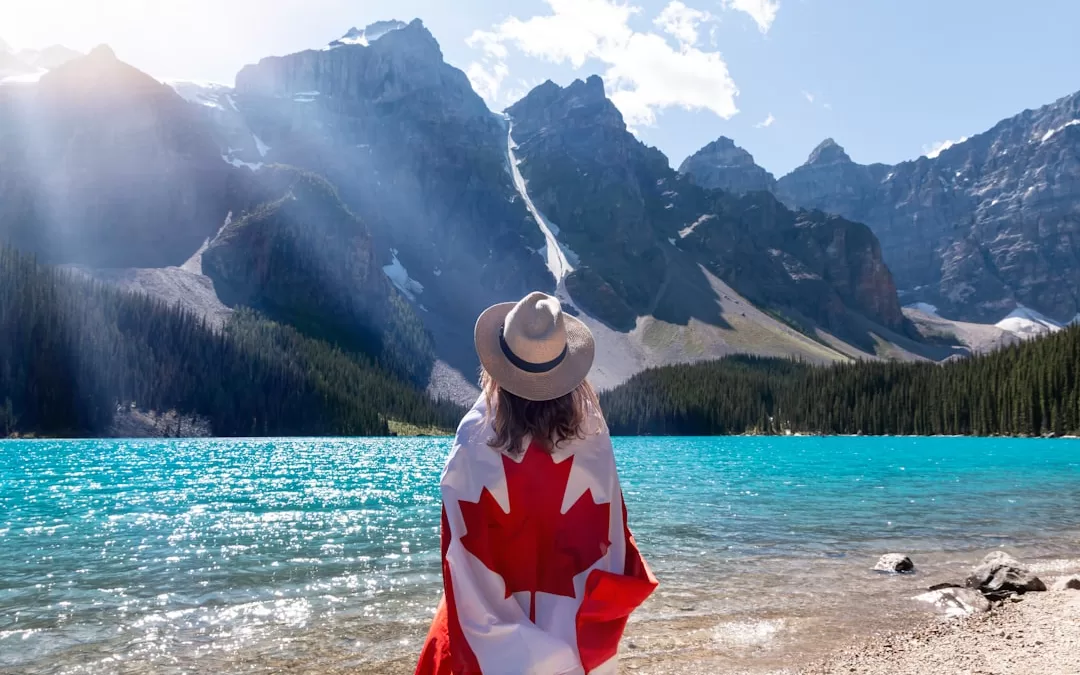
Whether you’re kayaking through the turquoise waters of Lake Louise or chasing the Northern Lights in Yukon, Canada redefines what it means to connect with nature. The country boasts over 45 national parks and reserves, each offering its own story and ecosystem.

Diverse Cultural Fabric

Home to a rich mosaic of cultures, languages, and traditions, Canada’s cities reflect international influences while preserving local identities. From French-inspired Montreal to Pacific Rim Vancouver, each urban center offers cultural and culinary adventures worth discovering.

Top Canadian Travel Destinations to Visit in 2024

1. Banff and Lake Louise, Alberta

Nestled in the heart of the Canadian Rockies, Banff National Park is a dream destination for adventure seekers and nature lovers. The turquoise lakes, snow-capped peaks, and charming alpine town of Banff make it one of the most iconic places in Canada. Don’t miss the scenic drive along the Icefields Parkway, often ranked among the world’s most beautiful road trips.

2. Vancouver, British Columbia

As one of the world’s most livable cities, Vancouver offers a rare mix of urban sophistication and natural beauty. Tourists can explore Stanley Park’s sprawling green spaces, cycle along the seawall, or sample global cuisine in the city’s dynamic food scene. Winter brings the nearby Grouse Mountain alive for skiing and snowboarding enthusiasts.

3. Toronto, Ontario

The buzzing metropolis of Toronto stands as Canada’s cultural and economic powerhouse. From the CN Tower’s dizzying heights to the eclectic neighborhoods of Kensington Market and Queen West, Toronto is a hub of art, culture, and entertainment. It’s also a gateway to Niagara Falls—one of the most visited natural attractions in the world.

4. Montreal, Quebec

Montreal blends old-world charm with a cosmopolitan pulse. The city’s French heritage is evident in its architecture, language, and culinary traditions. Whether wandering through the cobblestone streets of Old Montreal or sampling poutine at a local café, travelers will find the city’s blend of history and creativity irresistible.

5. The Maritime Provinces

Nova Scotia, New Brunswick, and Prince Edward Island offer some of the most picturesque coastal experiences in North America. With lighthouses, seafood feasts, and quaint fishing villages, this region is perfect for those seeking a more laid-back, yet culturally rich vacation.

Emerging Travel Trends in Canada

Sustainable and Eco-Friendly Travel

Travelers are increasingly drawn to eco-conscious experiences. Canada is pioneering in this space, with numerous conservation projects, green accommodations, and wildlife protection programs supporting sustainable tourism. Visitors are encouraged to explore responsibly and engage in community-based travel initiatives.

Rural and Wilderness Tourism

Post-pandemic travel trends highlight the growing love for secluded nature escapes. Canada’s vast untouched landscapes—from the Yukon tundra to the fjords of Newfoundland—offer both solitude and adventure. These remote experiences appeal to travelers seeking authenticity and renewal away from crowded destinations.

Indigenous Tourism Experiences

An increasing number of visitors are eager to learn about and engage with Indigenous cultures. Indigenous tourism in Canada offers immersive storytelling, traditional crafts, and guided nature excursions. It’s a meaningful way to connect with the land and its original caretakers, enriching the travel experience.

Best Time to Visit Various Canada Travel Destinations

  • Spring (March–May): Ideal for city breaks and cultural festivals in Toronto and Vancouver.
  • Summer (June–August): Perfect for outdoor adventures in the Rockies, coastal exploration, and vibrant festivals nationwide.
  • Autumn (September–November): A photographer’s paradise with fall foliage across Ontario and Quebec.
  • Winter (December–February): Best for skiing, snowboarding, and winter festivals in Alberta and British Columbia.

Top Activities and Experiences to Try

Outdoor Adventures

  • Hiking through Jasper and Banff National Parks
  • Kayaking along the rugged coastlines of British Columbia
  • Skiing in Whistler, one of the world’s premier winter resorts
  • Whale watching off the shores of Nova Scotia or British Columbia

Cultural and Festive Highlights

  • Attend the Toronto International Film Festival (TIFF)
  • Celebrate winter magic at Quebec City’s Winter Carnival
  • Experience the Calgary Stampede’s cowboy traditions
  • Explore Indigenous art galleries and creative hubs in Vancouver and Ottawa

Practical Travel Tips for Exploring Canada

Visa and Entry Requirements

Most visitors need either an Electronic Travel Authorization (eTA) or a visitor visa to enter Canada. Always check the latest government guidelines before your trip.

Transport and Connectivity

Canada’s vast size means internal travel options vary widely. Travelers can utilize VIA Rail, regional flights, and scenic drives to get around effectively. The national highway system also makes road trips a popular choice.

Budgeting and Costs

Canada is known for exceptional quality of service and amenities. While major cities can be relatively expensive, there are plenty of affordable accommodations, local eateries, and outdoor activities for budget-conscious travelers.

Planning Your Canada Travel Itinerary

A well-balanced itinerary allows travelers to experience Canada’s urban sophistication and natural beauty. Here’s a sample plan for inspiration:

  1. Day 1–3: Explore Vancouver’s city sights, Stanley Park, and Capilano Suspension Bridge.
  2. Day 4–6: Travel to Banff and Lake Louise for hiking and mountain exploration.
  3. Day 7–10: Head to Toronto for cultural immersion and a day trip to Niagara Falls.
  4. Day 11–14: End in Quebec, exploring Montreal and the historic heart of Quebec City.

Conclusion: Canada Awaits with Infinite Adventures

From its cosmopolitan cities to untamed wilderness, Canada offers a seamless blend of nature, culture, and adventure. Whether you’re drawn by outdoor thrills, rich heritage, or relaxing escapes, the country’s travel destinations are as diverse as they are inspiring. As highlighted by Travel And Tour World, Canada continues to innovate and expand its tourism landscape, making it an ideal destination for modern travelers.

With careful planning, eco-conscious choices, and an adventurous spirit, you can make the most of your Canadian journey. The Great White North is calling—are you ready to answer?

Continue your reading here My Flight One Travel Blog
Enjoy our game while waiting for your flight Fly the plane by My Flight One

Rethinking Travel: Europe’s Bold Shift to Sustainability

Rethinking Travel: Europe’s Bold Shift to Sustainability

Monaco to Malta: Sustainable Travel Strategies to Counter Overtourism in Europe

From the shimmering coastlines of the Mediterranean to the cobblestone streets of historic capitals, Europe’s allure has never waned. However, with this enchantment comes an urgent concern — overtourism. Countries like Monaco and Malta are now at the epicenter of a movement toward reimagining travel to protect their cultural heritage, environment, and communities. Inspired by the recent report from Travel And Tour World, this article explores how destinations across Europe are seeking innovative, sustainable travel solutions.

In the following sections, you’ll discover the latest sustainable tourism trends, how European destinations are managing visitor impact, and what practices are reshaping the global tourism landscape. Whether you’re a travel professional, policymaker, or responsible traveler, this comprehensive guide highlights actionable strategies to ensure that travel remains a force for good.

Understanding Overtourism: A Global Phenomenon with Local Impact

Overtourism describes a situation where visitor numbers grow so large that they negatively affect local communities, heritage, and ecosystems. This phenomenon has become a pressing issue for several European destinations, especially small yet highly visited regions like Monaco and Malta.

The Rise of Visitor Saturation

Before the COVID-19 pandemic, global tourism was growing at unprecedented rates. Countries across Europe enjoyed significant economic benefits — yet, this influx exceeded what local infrastructure and environments could sustainably handle. In places like Valletta or Monte Carlo, narrow streets and limited accommodations create pressure during peak seasons.

Socioeconomic and Environmental Costs

With overcrowded attractions come challenges such as increased pollution, rising living costs for locals, and the loss of cultural authenticity. Residents often find themselves priced out of housing markets or struggling with traffic congestion and resource scarcity. These pressures fuel a growing resistance to unchecked tourism, urging policymakers to act decisively.

Sustainable Tourism Solutions: Lessons from Monaco and Malta

Both Monaco and Malta are taking proactive steps to promote sustainable tourism, balancing economic growth with environmental stewardship. By setting examples for other destinations, these nations are redefining what responsible travel means in the modern era.

Monaco’s Eco-Luxury Transition

Monaco, synonymous with glamour and affluence, has turned its focus to sustainable luxury travel. Through its “Extended Monaco” initiative, the principality is investing in renewable energy, green architecture, and electric mobility. Yachts are being powered by solar energy, and hotels must now comply with eco-certification programs that reduce water and energy consumption.

Malta’s Strategic Green Tourism Plan

Malta’s government, meanwhile, is emphasizing a digital-first innovation model to manage tourism flows. By leveraging data analytics, it distributes visitors more evenly throughout the archipelago while encouraging off-peak travel. The Malta Tourism Authority has also promoted eco-label certifications for local businesses and encouraged partnerships with international organizations focused on climate-resilient tourism.

Technological Innovation Driving Sustainable Tourism

Technology plays a crucial role in transforming how destinations approach visitor management and sustainability. From smart infrastructure to data-driven marketing, European cities are harnessing the power of digital tools to maintain balance.

Smart Destinations and Real-Time Data

Smart tourism models integrate digital sensors, mobile apps, and data-sharing platforms to monitor crowd levels in popular areas. This helps authorities distribute visitors more effectively and minimize environmental stress. Cities like Dubrovnik and Venice have implemented such technologies to track real-time tourist densities, reducing the problem of overcapacity.

Virtual and Augmented Tourism

Virtual tourism experiences are emerging as attractive alternatives that allow travelers to enjoy destinations without physical presence. These initiatives are not only educational but also preserve fragile ecosystems and heritage sites. For example, virtual tours of historical landmarks and 3D cultural archives cater to eco-conscious travelers seeking sustainable engagement.

The Role of Policy and Community in Sustainable Travel

Effective strategies against overtourism require cohesive partnerships among governments, businesses, and local communities. Policy implementation and community involvement are paramount to achieving true sustainability.

Government Regulations and Visitor Quotas

In several European destinations, government authorities now enforce visitor limits during high seasons or at specific heritage sites. These regulations protect natural and cultural assets while maintaining the quality of the tourist experience. For instance, Malta has experimented with capacity thresholds for popular beaches and dive sites.

Empowering Local Communities

Community engagement ensures that residents benefit directly from tourism revenue. Programs offering local entrepreneurship training and micro-funding for sustainable businesses foster inclusivity and pride. When locals become stewards of their own tourism economy, destinations thrive harmoniously.

Traveler Responsibility: How Tourists Can Support Sustainability

Tourists play an essential role in driving sustainability forward. Conscious decision-making — from transport choices to accommodation preferences — helps preserve cultural integrity and environmental health.

  • Choose off-peak travel periods to reduce strain on infrastructure and local communities.
  • Support local businesses that adopt sustainable and ethical practices.
  • Use eco-friendly transportation options, such as biking, walking, or electric vehicles.
  • Respect local customs and heritage to maintain cultural authenticity.
  • Participate in eco-certified experiences that prioritize conservation.

These small but intentional actions collectively contribute to a more resilient and inclusive tourism ecosystem.

Future of Sustainable Tourism in Europe

Europe stands at a crossroads. As the demand for travel grows, so too does the need to innovate and protect. The next decade will likely witness a tourism revolution — powered by sustainability, fueled by technology, and guided by ethical responsibility.

Cross-Border Collaboration

European governments are strengthening cross-border cooperation through sustainability pacts aimed at harmonizing tourism policies. These initiatives encourage collaborative branding of lesser-known regions, helping to diffuse tourist traffic away from overcrowded destinations like Paris, Barcelona, or Venice.

Investment in Renewable Infrastructure

Airports, ports, and hotels are integrating green infrastructure, from solar energy systems to waste recycling technologies. By reducing carbon footprints across the entire hospitality supply chain, Europe’s travel industry can lead the world in sustainable tourism standards.

Education and Cultural Exchange

Education remains a vital pillar in shaping traveler behavior. Campaigns highlighting local stories, traditional crafts, and cultural learning inspire mutual respect between visitors and residents. This cultural exchange fosters empathy and deepens the meaning of travel.

Conclusion: Balancing Growth and Preservation

The message from Monaco to Malta is clear: the future of travel depends on sustainability. If tourism is to remain a force for progress and connection, destinations must innovate, regulate, and empower their communities. By embracing sustainable travel practices, fostering digital transformation, and championing local involvement, Europe sets a precedent for the rest of the world.

As travelers, businesses, and decision-makers, we all share a responsibility to ensure that tourism enhances rather than diminishes the places we love. The challenge is immense, but the potential for positive change is even greater. Learn more about how destinations are responding to overtourism by visiting the original article on Travel And Tour World.

Continue your reading here My Flight One Travel Blog
Enjoy our game while waiting for your flight Fly the plane by My Flight One

Rethinking Mediterranean Travel With a Sustainable Twist

Rethinking Mediterranean Travel With a Sustainable Twist

From the glamorous shores of Monaco to the sun-soaked coasts of Malta, Europe’s Mediterranean destinations are confronting a pressing challenge: overtourism. As visitor numbers surge post-pandemic, both local governments and tourism boards are rethinking how to merge thriving tourism economies with sustainable environmental and cultural preservation. This article explores how hotspots across the region are adopting innovative, green-focused strategies to ensure tourism remains a blessing, not a burden.

Inspired by the recent report from Travel and Tour World, we delve deep into how destinations such as Monaco, Malta, Venice, and Dubrovnik are crafting a new balance between local life and global travel. You’ll discover how technology, community engagement, and sustainability-driven tourism planning are shaping the next era of European travel.

Overtourism in the Mediterranean: A Challenge That Demands Change

The Mediterranean region attracts millions of tourists annually, lured by its azure waters, cultural richness, and heritage sites. However, the same abundance of visitors now threatens the very essence of what makes these places desirable. Cities like Monaco and Malta have witnessed increasing strain on natural resources and infrastructures, from rising waste management costs to congested transport systems.

Understanding the Core of Overtourism

Overtourism occurs when the number of tourists exceeds the capacity of a destination to manage them sustainably. It affects local residents, disrupts ecosystems, and dilutes the visitor experience. The phenomenon doesn’t just harm environmental integrity—it can also trigger social frustration among locals and reduce long-term economic resilience.

Post-Pandemic Dynamics Fueling Travel Pressure

After years of restrictions, pent-up wanderlust has led to an explosive resurgence in travel. As more people seek authentic experiences, destinations in close proximity—like those in the Mediterranean—have become top picks. Yet, without effective policies, rapid visitor return risks undoing climate progress and community stability.

Innovative Sustainable Tourism Solutions Emerging Across Europe

To address overtourism, several Mediterranean countries are implementing pioneering sustainability measures that aim to balance growth with stewardship.

Monaco’s Eco-Friendly Transition

Known for luxury and high-end living, Monaco is reshaping its travel model by investing in eco-certified accommodations, renewable energy sources, and electric mobility networks. Initiatives such as banning single-use plastics and promoting sustainable yachts are helping redefine luxury as responsible indulgence.

Malta’s Digital and Green Strategy

Malta has turned to smart technology to monitor tourist flows and encourage conscious travel behavior. Through digital data platforms, authorities analyze visitor trends to better distribute traffic around the island. Moreover, incentives for eco-hotels and heritage restoration projects support the island’s long-term sustainability goals.

  • Introduction of digital visitor caps during peak seasons.
  • Enhanced marine biodiversity zones to protect coastal ecosystems.
  • Promotion of cultural tourism beyond beach destinations.

Venice’s Tourist Quotas: A Model for Europe?

Venice, long considered the epicenter of overtourism, introduced entry fees and daily caps for tourists visiting the old city. This model aims to reduce unsustainable day-tripping while generating funds for preservation projects. Although controversial, such a system highlights how proactive governance can balance economic gain with sustainability.

Technology and Smart Tourism: The Path Forward

Technology plays a critical role in managing today’s tourism dynamics. From visitor-tracking apps to AI-based crowd management, smart tourism initiatives are revolutionizing destination management.

AI and Data Analytics for Crowd Control

Using data analytics, tourism boards can estimate peak periods and guide travelers towards lesser-known attractions. This not only minimizes congestion but also spreads economic benefits more equitably. Platforms powered by AI can suggest itineraries that reduce environmental impact and enhance local appreciation.

Virtual Tourism as a Sustainable Alternative

Several destinations are now offering virtual travel experiences to allow remote visitors to engage with cultural sites without physical visits. This supplemental model provides educational and emotional connections while reducing physical strain on heritage locations.

Engaging Local Communities in Sustainability

The foundation of genuine sustainability lies in active community participation. Local stakeholders—be they small business owners, artists, or residents—play a crucial role in shaping a destination’s authenticity and resilience.

Community-Based Tourism Models

Initiatives empowering local communities help diversify tourism benefits. By promoting artisanal products, local cuisine, and cultural festivals, communities not only earn income but also preserve their identity. This interaction fosters mutual respect between tourists and locals, enhancing the overall travel experience.

Education and Awareness Campaigns

Establishing campaigns that inform visitors about sustainable practices—such as reducing water use, respecting heritage sites, or supporting local enterprises—can significantly mitigate tourism’s environmental footprint. Awareness drives, when supported by digital storytelling, elevate the traveler’s consciousness.

Policy and Governance: The Backbone of Sustainable Tourism

Policy-making is at the heart of effective change. Governments across Europe are framing regulatory measures that enforce responsible travel standards, uphold environmental protection, and secure community well-being.

  • Eco-Taxation Policies: Implementing tourist taxes that fund conservation efforts.
  • Car-Free Zones: Encouraging sustainable transport within urban centers.
  • Certification Programs: Accrediting hotels and tour operators meeting green benchmarks.

International Collaboration for Shared Solutions

Because overtourism transcends borders, regional alliances such as the Mediterranean Sustainable Tourism Convention advocate for cooperative strategies. Joint initiatives foster knowledge exchange, harmonized standards, and regional marketing of eco-certified destinations.

The Economic and Environmental Balance Ahead

As the Mediterranean tourist economies rebound, the challenge lies in sustaining growth without depleting resources. Sustainable tourism is not just about slowing down travel but optimizing it to secure a profitable, equitable, and green future.

Measuring Success Beyond Numbers

Destinations are beginning to move away from sheer visitor counts and focus on experience quality and per-visitor value. The aim is to generate higher yields through responsible experiences that enhance both visitor satisfaction and local prosperity.

Long-Term Environmental Integration

By incorporating sustainable design into tourism infrastructure—such as green hotels, waste recycling systems, and energy-efficient transportation—destinations can build lasting resilience against the pressures of overtourism.

Conclusion: Shaping the Future of Mediterranean Travel

From Monaco to Malta, the Mediterranean is redefining what sustainable tourism truly means. Through innovation, data-driven decisions, and community collaboration, these destinations are proving that responsible travel doesn’t have to compromise allure. Instead, it enhances it—turning sustainability into a signature of modern tourism.

As travelers become more conscious of their environmental footprints, destinations that prioritize green policies and cultural authenticity will stand out. The path forward demands collective responsibility—from policymakers and industry leaders to visitors themselves. By aligning tourism with sustainability, the Mediterranean can secure its beauty and vitality for generations to come.

Continue your reading here My Flight One Travel Blog
Enjoy our game while waiting for your flight Fly the plane by My Flight One