
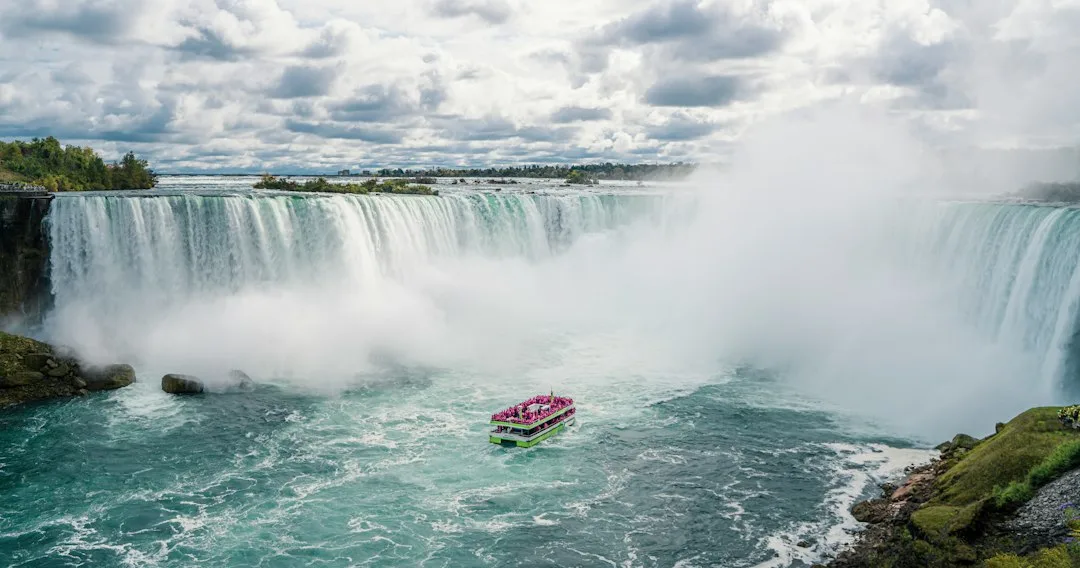
Niagara-on-the-Lake 2027: The Fast-Rising Getaway Spot

Niagara-on-the-Lake 2027: The Fast-Rising Getaway Spot

Niagara-on-the-Lake is having a moment—and it’s more than a seasonal spike. Expedia has named this historic Ontario gem among the world’s 10 fastest-rising travel destinations for 2027, a signal that tourism demand, trip planning behavior, and search interest are all trending upward.

In this guide, you’ll learn why Niagara-on-the-Lake is rising on global travel lists, what to do once you arrive, where to stay, and how to plan a smarter itinerary. We’ll also cover practical booking tips, best times to visit, and experience-based recommendations to help you build a trip that feels both effortless and memorable.

For the original local coverage that sparked this headline, see: Niagara-on-the-Lake on Expedia top 10 travel list.

Niagara-on-the-Lake Travel 2027: Why Expedia Says This Destination Is Rising Fast

When a destination appears on a “fastest-rising” list, it usually reflects a mix of increasing search demand, growing bookings, and broader travel trends. Niagara-on-the-Lake checks multiple boxes: it’s scenic, walkable, heritage-rich, and packed with experiences that suit weekend escapes and longer road trips alike.

It also fits the kind of travel many people prioritize heading into 2027: short-haul international trips, food-and-wine itineraries, and small-town luxury with an emphasis on comfort, charm, and curated experiences.

What “Fastest-Rising Travel Destination” Usually Signals

  • Increased travel intent: more people are researching and saving trips.
  • Better route and access visibility: improved awareness of airports, drive times, and border logistics.
  • Experience-driven demand: travelers want wineries, theatre, local dining, and outdoor time.
  • Social validation: lists like Expedia’s accelerate interest and planning.

Why Niagara-on-the-Lake Stands Out Versus Nearby Alternatives

Niagara Falls often earns the spotlight, but Niagara-on-the-Lake delivers something different: historic streets, boutique stays, tasting rooms, and slower-paced romance. It’s a destination where you can do a lot in a weekend—without feeling rushed.

Things to Do in Niagara-on-the-Lake: Top Attractions, Wine, Theatre, and Nature

If you’re planning a Niagara-on-the-Lake vacation, the best itinerary combines village exploration, wine country tastings, and at least one signature cultural experience. The town is compact, but the experience menu is broad—perfect for couples, groups, and multigenerational travel.

Explore the Historic Old Town (A Walkable Must-Do)

Start with the historic core: tree-lined streets, heritage architecture, and locally owned shops. Walking is the best way to discover cafés, bakeries, art galleries, and the kind of small details that make the destination feel cinematic.

  • Shopping: artisan goods, Canadian brands, wine boutiques, and specialty foods
  • Food: patios, brunch spots, ice cream, and farm-to-table dining
  • Photography: heritage streetscapes and lakefront sunsets

Niagara Wine Country: Tastings, Icewine, and Vineyard Views

Niagara-on-the-Lake sits at the heart of one of Canada’s most recognized wine regions. The area is famous for icewine, but you can also explore crisp whites, elegant reds, and sparkling options—often paired with seasonal menus.

Planning tip: group wineries by area so you spend less time driving and more time tasting. Booking tastings in advance is smart during peak weekends.

Shaw Festival and Live Performance Culture

For travelers who love experiences that feel “built-in” to a destination, theatre matters. Niagara-on-the-Lake is widely known for its performance scene, and adding a show can turn a wine weekend into a complete cultural getaway.

Outdoor Time: Trails, Gardens, and the Waterfront

Balance your itinerary with fresh-air time—especially in spring and fall. Waterfront strolls, cycling routes, and nature-forward stops are part of what makes the destination feel restorative rather than busy.

Where to Stay in Niagara-on-the-Lake: Best Areas, Boutique Hotels, and Romantic Inns

One reason Niagara-on-the-Lake continues to rank well for romantic getaways is the accommodation style: boutique hotels, heritage inns, and upscale B&Bs that emphasize comfort, design, and service. Your best choice depends on whether you want to be in the village center or closer to vineyards.

Staying in Old Town: Walkability and “Leave the Car Parked” Convenience

If this is your first visit, staying near the historic core makes planning easy. You can walk to restaurants, shopping, and evening activities without building your schedule around driving.

Staying Near Wineries: Space, Views, and Quieter Nights

For travelers prioritizing tastings and vineyard scenery, consider accommodations closer to wine routes. This style of stay often feels more spacious and calm—great for longer weekend trips or midweek escapes.

What to Look For When Booking

  • On-site dining or easy access to restaurants
  • Parking (some central properties have limited space)
  • Seasonal packages: tasting credits, theatre bundles, or spa add-ons
  • Cancellation flexibility if you’re planning far ahead for 2027

Best Time to Visit Niagara-on-the-Lake: Weather, Festivals, and Seasonal Travel Tips

Timing matters. Niagara-on-the-Lake has distinct seasonal advantages, and choosing your travel window can shape everything from pricing to crowd levels to what’s available on menus and tasting flights.

Spring (April–June): Fresh Energy and Comfortable Exploring

Spring is ideal for travelers who want mild temperatures and patio season without peak-summer traffic. It’s also great for long walks, scenic drives, and relaxed tastings.

Summer (July–August): Peak Atmosphere and Full Experience Menu

Summer is the busiest—and for good reason. Events, extended hours, and the full range of tours make it easy to build a packed itinerary. If you’re visiting in summer, booking accommodations and tastings early is the difference between “good” and “great.”

Fall (September–November): Harvest Season and Wine Country Highlights

Fall is a top contender for the best overall time to visit. The region feels both vibrant and cozy, with harvest energy, seasonal dishes, and crisp weather that makes exploring the town especially enjoyable.

Winter (December–March): Quiet Luxury and Off-Season Value

Winter is for travelers who prefer fewer crowds, slower itineraries, and a more intimate feel. It’s a strong option for food-forward trips, spa weekends, and special occasion travel—often with better value on stays.

How to Get to Niagara-on-the-Lake + Smart Trip Planning for 2027 (Flights, Drives, and Itineraries)

As Niagara-on-the-Lake rises in global visibility, 2027 planning will likely start earlier than it used to—especially for long weekends, summer travel, and wine/food event dates. The destination is accessible by a mix of drive routes and nearby airport options, making it convenient for both Canadian and U.S. travelers.

Getting There: Drive Times and Nearby Gateways

  • From Toronto: popular road trip option with straightforward routing (time varies by traffic)
  • From Buffalo/Niagara (U.S.): easy cross-border access for weekend travel
  • Regional airports: travelers often combine flights with a rental car for flexibility

Sample 2-Day Niagara-on-the-Lake Itinerary (Balanced and Repeatable)

  1. Day 1 (Arrival + Old Town): check in, explore the village, early dinner, evening show or lakeside walk
  2. Day 2 (Wine + Nature): pre-booked tastings, lunch stop, afternoon scenic route, sunset back in town

Booking Tips for Faster-Rising Destinations

  • Reserve signature experiences early: theatre tickets and curated tastings can sell out on peak dates.
  • Travel midweek when possible: better availability and a calmer feel.
  • Bundle strategically: packaging flights, car rentals, and stays can simplify planning.
  • Keep a short list of “must-dos”: avoid over-scheduling and allow buffer time for spontaneous stops.

Why Niagara-on-the-Lake Is a Top Travel Destination for Couples, Foodies, and Weekend Escapes

The strongest destinations aren’t just popular—they’re repeatable. Niagara-on-the-Lake works for first-timers and return visitors because the experience changes with the seasons, and because it delivers on multiple travel styles without requiring a complicated plan.

For Couples: Romance Without the “Tourist Trap” Feel

From boutique stays to candlelit dining and vineyard sunsets, the destination naturally fits anniversary trips, mini-moons, and proposal weekends. It’s romantic in a quiet way—less spectacle, more atmosphere.

For Food and Wine Travelers: Taste-Driven Itineraries That Feel Local

Menus often follow regional seasonality, and tastings give you a direct connection to Niagara’s terroir and makers. Even a short visit can feel immersive when you prioritize a few high-quality stops.

For Friends and Short Breaks: Easy Planning and High Reward

If you want a weekend that feels “bigger” than the drive time, this is it. The town’s compact layout reduces logistics, while the variety of experiences keeps groups entertained without splitting up.

Conclusion: Niagara-on-the-Lake Is Poised to Be One of 2027’s Most Talked-About Getaways

Expedia’s recognition of Niagara-on-the-Lake as one of the fastest-rising travel destinations for 2027 aligns with what travelers increasingly want: walkable charm, curated experiences, wine country depth, and a setting that feels both relaxing and special.

If you’re planning ahead, focus on the fundamentals—choose the right season, book signature tastings and performances early, and stay in a location that matches your itinerary. Whether you come for vineyards, theatre, waterfront strolls, or a romantic weekend, Niagara-on-the-Lake is positioned to deliver a trip that feels easy to love—and even easier to recommend.

Continue your reading here My Flight One Travel Blog
Enjoy our game while waiting for your flight Fly the plane by My Flight One


Cambodia From India: Kolkata–Siem Reap Flights and Trip Guide

Cambodia From India: Kolkata–Siem Reap Flights and Trip Guide

Cambodia is drawing fresh interest from Indian travellers. Search interest for Cambodia has reportedly risen as Indians look beyond the usual holiday circuits of Thailand, Dubai, Singapore, and Bali. This shift signals something bigger than a fleeting trend: travellers are actively seeking value-for-money international travel, deeper cultural experiences, and new itineraries that still feel accessible.

In this guide, you’ll learn why “Cambodia travel from India” is trending, what’s driving the spike in interest, and how to plan a trip that balances iconic highlights like Angkor Wat with lesser-known experiences. We’ll also cover practical considerations—budget, best time to visit, visa basics, and itinerary ideas—so you can turn rising curiosity into a well-planned holiday.

Source inspiration: The trend is highlighted in this travel news report: Cambodia searches rise as Indians look beyond usual holiday destinations.

Cambodia From India: Quick Answers

How much does the Angkor pass cost?

The official Angkor pass costs $37 for one day, $62 for three days and $72 for seven days. The three-day pass can be used within 7 days and the seven-day pass within 30 days. Buy only from Angkor Enterprise, online, by app or at its counters, because passes bought elsewhere are not valid.

Source: Angkor Enterprise (official ticket site), checked October 18, 2026.

Are there direct flights from India to Cambodia?

Yes, a few. IndiGo resumed direct Kolkata to Siem Reap flights on October 1, 2026, three times a week on Mondays, Thursdays and Saturdays, according to Cambodia’s civil aviation authority. Air Cambodia flies direct between New Delhi and Phnom Penh. From other Indian cities, plan on one stop via a Southeast Asian hub.

Source: Phnom Penh Post, September 23, 2026, checked October 18, 2026.

When is the best time to visit Cambodia?

For temples and sightseeing, the cool, dry months from November to March are the most comfortable, at around 22 to 28°C. March to May is hot, up to about 38°C, and the rainy season runs from May to October, with the heaviest rain in Phnom Penh in September and October.

Source: Tourism Cambodia: climate, checked October 18, 2026.

How can I avoid the crowds at Angkor Wat?

Start early: the Angkor park opens at 5:00 AM. If you buy a pass for the next day after 4:45 PM, you can enter that evening for sunset and still use the full next day. Then spread the busiest temples over two mornings and mix in quieter sites in between.

Source: Angkor Enterprise, checked October 18, 2026.

Is Cambodia really trending with Indian travellers?

Interest is rising, but visitor numbers have not followed yet. Cambodia’s Ministry of Tourism counted 71,046 Indian visitors in 2025, down 8.5% on 2024, and 35,905 in the first eight months of 2026, down 19.2%. New and resumed direct flights could change that, so check the latest schedules before you book.

Source: Phnom Penh Post, citing Cambodia’s Ministry of Tourism, checked October 18, 2026.

Why Cambodia Travel From India Is Rising: Key Search Trends & Traveller Intent

When a destination begins to trend, it’s usually because it hits the sweet spot of affordability, novelty, and accessibility. Cambodia currently checks all three. Indian travellers who have already “done” typical Southeast Asia routes are now searching for places that offer similar convenience but feel more culturally immersive and less repetitive.

Value-driven international travel is shaping decisions

One of the strongest motivators behind increased Cambodia holiday packages from India searches is overall cost. Many travellers are prioritizing destinations where they can enjoy premium experiences—heritage sites, boutique stays, guided tours, and local food—without premium pricing. Cambodia’s on-ground expenses can be notably lower than several comparable international destinations.

Social media discovery and “first-timer-friendly” appeal

Short-form videos and travel reels spotlighting Angkor Wat sunrise, floating villages, and Phnom Penh’s cafés have expanded Cambodia’s visibility. At the same time, the country remains approachable for first-time international travellers: clear tourist circuits, English support in tourism hubs, and straightforward travel logistics in key cities.

Beyond “been there, done that” itineraries

As travellers move away from predictable plans, Cambodia stands out as an experience-led destination. Instead of just shopping and skyline views, Cambodia offers living history, temple architecture, artisan markets, and meaningful cultural storytelling—the kind of travel that feels personal and memorable.

Cambodia Tourism Highlights: Best Places to Visit for Indian Travellers

If your search includes “best places to visit in Cambodia,” start with a simple truth: Cambodia is compact, but it’s layered. You can blend world-famous heritage with slower, nature-forward travel—without bouncing between too many cities.

Siem Reap: Angkor Wat, temples, and cultural discovery

Siem Reap is the gateway to Cambodia’s most iconic experience: Angkor Archaeological Park. While Angkor Wat is the headline, travellers often find the greater magic by exploring multiple temples—each with distinct art, scale, and atmosphere.

  • Angkor Wat: Go early for sunrise; plan time to absorb bas-reliefs and galleries.
  • Bayon (Angkor Thom): Known for its giant stone faces and intricate carvings.
  • Ta Prohm: Famous for trees intertwined with temple ruins—cinematic and atmospheric.

How to avoid crowds at Angkor Wat

  • Go early: the Angkor park opens at 5:00 AM, so be at the gate before sunrise, or try a less-hyped sunrise viewpoint.
  • Buy your pass the evening before: a pass for the next day bought after 4:45 PM also lets you enter that evening for sunset, according to Angkor Enterprise.
  • Mix big and quiet temples: pair Angkor Wat, Bayon and Ta Prohm with quieter sites to spread out your day.
  • Split it over two days: two shorter temple mornings usually feel better than one marathon day. The 3-day pass ($62) can be used on any three days within a week, and only official Angkor Enterprise passes are valid.

Phnom Penh: Royal history, riverside energy, and museums

Cambodia’s capital is often underestimated, but it adds context and depth to the trip. Phnom Penh blends royal heritage, modern cafés, riverfront walks, and important historical sites. It’s ideal for travellers who want a balanced itinerary with both leisure and learning.

Coastal Cambodia and islands: Calm beaches beyond the hype

Travellers searching “Cambodia beaches” are often pleasantly surprised. Coastal areas and islands can offer relaxed beach time without the over-commercialized feel of more crowded beach destinations. This is where Cambodia can feel like a true break—slow mornings, seafood meals, and low-key sunsets.

Battambang and the countryside: Slow travel and arts

For a less touristy side of Cambodia, add Battambang in the north-west. Tourism Cambodia describes it as a riverside town with some of the country’s best-preserved French colonial architecture, and a good base for nearby hilltop temples such as Phnom Banon and Wat Ek Phnom. Phnom Sampeau, with its killing caves, is a sobering stop. Come here for rural scenery, creative communities and a gentler pace.

Planning a Cambodia Trip From India: Flights, Visa, Budget & Timing

Turning inspiration into a real itinerary means getting the basics right. The good news: planning a Cambodia trip from India is generally straightforward if you organize your route, choose the right season, and budget smartly for experiences like temple passes and guided tours.

Best time to visit Cambodia for weather and sightseeing

Cambodia has three broad seasons, according to Tourism Cambodia: a cool, dry season from November to March (about 22–28°C), a hot season from March to May (about 28–38°C), and a rainy season from May to October. December and January are the coolest months and April the hottest.

  • Dry season (November to March): clearer skies, easier walking at the temples and smoother road travel, but also the biggest crowds at top sites.
  • Wet season (May to October): green landscapes and fewer tourists. Rain often comes in afternoon bursts, so plan temple visits for the morning and keep the schedule flexible. Some countryside roads can be hard going late in the season.

Flights from India: what to know

Direct options are limited. IndiGo resumed direct flights between Kolkata and Siem Reap on October 1, 2026, three times a week (Mondays, Thursdays and Saturdays), and Air Cambodia flies direct between Phnom Penh and New Delhi, the Phnom Penh Post reported, citing Cambodia’s civil aviation authority. From other Indian cities, expect one stop via a Southeast Asian hub.

  • Avoid backtracking: fly into Siem Reap and out of Phnom Penh, or the reverse.
  • Compare the full journey: add connection times and the transfer to your first hotel, not just the fare.
  • Book early for Indian holidays: fares and seats get tighter around Diwali and the December school break.

Cambodia visa for Indians: what to check before booking

Visa requirements can change, so it’s important to verify updated rules before you fly. In general, travellers should confirm:

  • Visa type: tourist visa options and validity period
  • Entry requirements: passport validity, onward/return tickets, accommodation proof
  • Payment methods: accepted currencies/cards for visa fees if applicable

Pro tip: Keep digital and printed copies of passports, bookings, and travel insurance for smooth entry and hotel check-ins.

How much does a Cambodia trip cost from India?

Costs depend on travel season, flight deals, hotel category, and your activity style. However, Cambodia is often perceived as a high-value destination. To estimate your trip realistically, budget across these baskets:

  • Flights: varies widely by season and routing
  • Stay: excellent mid-range hotels and boutique properties in tourist hubs
  • Transport: local taxis/tuk-tuks and intercity transfers
  • Sightseeing: the official Angkor pass costs $37 for one day, $62 for three days and $72 for seven days (Angkor Enterprise), plus guided tours if you want them
  • Food: from street eats to refined Khmer cuisine

Suggested Cambodia Itinerary (5 to 8 Days) for First-Time Visitors

If you’re searching for a “Cambodia itinerary for Indians,” the best plan is one that doesn’t rush the temples and still leaves space for slow travel. Below are flexible frameworks that work well for first-timers.

5-Day Cambodia itinerary: Siem Reap-focused with a quick add-on

  1. Day 1: Arrive in Siem Reap, local markets + relaxed dinner
  2. Day 2: Angkor Wat sunrise + key temple circuit
  3. Day 3: Ta Prohm + Angkor Thom + cultural show or artisan shopping
  4. Day 4: Day trip (floating village or countryside experiences)
  5. Day 5: Departure or short hop to Phnom Penh if flight schedules allow

7-Day Cambodia itinerary: Siem Reap + Phnom Penh

  1. Days 1–3: Siem Reap temple exploration (pace it; don’t overload)
  2. Day 4: Travel day + Phnom Penh riverside evening
  3. Day 5: City highlights and museums
  4. Day 6: Food walk + cafés + markets
  5. Day 7: Departure

8-Day Cambodia itinerary: Add beach time for a balanced trip

For travellers who want culture and downtime, add 2–3 nights near Cambodia’s coast or islands. It’s a strong alternative to crowded beach hubs elsewhere, especially if you prefer a calmer vibe after temple-heavy days.

Combining temples and beaches: do the temples first, while your energy is high, and end with beach downtime. Leave buffer time for ferry schedules to the islands, and remember that the rainy season (May to October) is better suited to temples than to beach days.

Smart pacing tips

  • Start early, rest midday: plan temple mornings and relaxed afternoons, especially in the hot season from March to May.
  • Don’t overpack temples: two or three well-chosen temples a morning beat a rushed checklist and avoid “temple fatigue”.
  • Add cultural breaks: markets, cafés, a traditional dance show or a spa afternoon keep the trip balanced.

What Makes Cambodia a Smart Alternative to Typical Holiday Destinations

The real reason “Cambodia travel” is increasingly ranking in searches isn’t just novelty—it’s the fact that Cambodia offers the kind of travel many people are craving right now: authentic, immersive, and flexible. It can be a history trip, a budget-friendly holiday, a couples getaway, or a solo “reset” journey.

Heritage that feels grand, not packaged

Angkor isn’t a single tick-box attraction—it’s an entire landscape of temples, gateways, carvings, and stories. Travellers who enjoy architecture, photography, and history find Cambodia deeply rewarding because the experience feels expansive rather than staged.

Better balance of exploration and ease

Cambodia is relatively easy to navigate in major tourist corridors. With the right planning, you can enjoy a structured itinerary without losing spontaneity—whether that’s a café stop after a museum or an unplanned sunset view after temple touring.

Ideal for travellers seeking “new Asia” experiences

Many Indians now want trips that don’t look like everyone else’s feed. Cambodia delivers a strong “discover something different” factor while remaining comfortably within familiar Southeast Asian travel patterns—shorter flights, adaptable food options, and tourist-friendly services.

Travel Tips for Indians Visiting Cambodia: Culture, Food, Safety & Etiquette

Small details can elevate your trip from good to seamless. These are practical, traveller-tested tips to keep your itinerary smooth and respectful.

Temple etiquette and packing essentials

  • Dress modestly for temples—cover shoulders and knees.
  • Carry water, sunscreen, and a hat, especially for temple circuits.
  • Wear comfortable walking shoes—you’ll clock more steps than expected.

Food planning: what to eat and how to stay comfortable

Cambodian cuisine can be both approachable and exciting. Start with familiar staples and then explore local specialties gradually. If you have a sensitive stomach, prioritize bottled water, prefer busy eateries, and keep simple medicines handy.

Money matters and on-ground convenience

In tourist areas, you’ll find a mix of payment options, but it’s smart to keep cash for small spends and local transport. Also, confirm prices before rides and tours to avoid confusion—clear communication prevents most issues.

Conclusion: Cambodia Is the Next Big International Holiday Choice for Indians

Cambodia’s rise in Indian travel searches is more than a headline—it reflects a real shift toward experience-led, value-driven international travel. With iconic heritage in Siem Reap, cultural depth in Phnom Penh, and relaxing coastal add-ons, Cambodia fits a wide range of travel styles without demanding a complicated plan.

If you’re looking to break out of the usual holiday loop, a well-paced Cambodia itinerary offers the right mix of discovery and comfort. Start with your travel dates, map a 5–8 day plan, and prioritize the experiences that matter most—temples, food, culture, or coast. The destination is trending for good reason, and with smart planning, your trip can feel both effortless and unforgettable.

Florida’s 2026 Travel Gems: Sun, Thrills, and Culture

Florida’s 2026 Travel Gems: Sun, Thrills, and Culture

Florida has long been synonymous with sunshine, adventure, and world-class entertainment, but its allure continues to grow. According to Travel And Tour World, Miami now joins Orlando and Tampa as one of the state’s top travel destinations for Summer 2026 — a trio that perfectly blends beach bliss, theme park thrills, and luxurious urban energy.

This comprehensive guide explores why these Florida favorites dominate travel itineraries, and what makes each city uniquely irresistible to domestic and international travelers. From cultural festivals and culinary excellence to relaxation and recreation, we’ll uncover what’s driving the state’s tourism boom and how visitors can make the most out of their Sunshine State adventure.

Miami: The Vibrant Crossroads of Beach Culture and Urban Luxury

Miami’s global reputation as a stylish playground continues to soar. With its iconic beachfront skyline, world-famous nightlife, and burgeoning art scene, the city remains a magnet for both leisure seekers and culture enthusiasts.

World-Renowned Beaches and Coastal Living

South Beach, with its pastel-colored lifeguard towers and turquoise waters, remains the crown jewel of Miami’s coastline. Beyond the classic postcard imagery, visitors now find an expanded focus on wellness tourism. Beach yoga sessions, paddleboarding, and sustainable waterfront experiences are reshaping the way travelers interact with the coastline.

Luxury Resorts and High-End Experiences

Miami’s luxury tourism ecosystem has evolved dramatically. From iconic properties like the Fontainebleau and the Setai to new eco-luxury resorts in Miami Beach and Key Biscayne, travelers are spoilt for choice. These establishments emphasize sustainable design, elevated gastronomy, and personalized wellness offerings.

Culture, Art, and Culinary Revolution

Beyond the beaches, Miami’s neighborhoods pulsate with creativity. Wynwood’s murals and art galleries attract international acclaim, while the Design District flaunts high-end boutiques and experimental restaurants. The city’s food scene, infused with Latin American and Caribbean influences, continues to push culinary boundaries. Expect farm-to-table dining, craft cocktail bars, and immersive culinary events celebrating Miami’s multicultural essence.

Orlando: The Thrill Capital Reinvented for the Future

Long known as the world’s theme park capital, Orlando is reinventing itself for the next generation of travelers. While Disney World and Universal Orlando continue to expand, the city is diversifying its attractions to appeal to all ages and travel styles.

Epic Theme Parks and Innovations

With the anticipated opening of Universal’s Epic Universe and new enhancements at Walt Disney World, Summer 2026 will mark a defining moment for Orlando. The parks are integrating augmented reality, immersive storytelling, and eco-friendly infrastructure, creating experiences that merge entertainment with technology.

Beyond the Parks: A Destination for Every Traveler

Today’s Orlando is more than theme parks. Visitors can explore natural springs, canopy zip-lining in Ocala National Forest, or kayaking through the city’s scenic waterways. Boutique hotels, art installations, and a thriving downtown culinary scene are attracting digital nomads and millennials who crave authenticity alongside adventure.

Family Fun Meets Modern Comfort

Family-oriented resorts now emphasize comfort, sustainability, and creativity. Many integrate interactive learning zones, culinary workshops, and eco-friendly accommodation, making Orlando perfect for both family vacations and experiential getaways.

Tampa: The Gulf Coast’s Cultural and Adventure Hub

Once overshadowed by Orlando and Miami, Tampa has emerged as one of Florida’s most dynamic tourism hotspots. Its unique combination of history, culinary innovation, and waterfront leisure makes it a standout destination for travelers seeking fresh experiences.

Waterfront Development and Outdoor Lifestyle

The Tampa Riverwalk has reshaped the city’s landscape, connecting cultural landmarks, eateries, and entertainment venues along the scenic Hillsborough River. From sunset cruises to paddleboard tours, Tampa’s waterfront lifestyle captures the essence of Florida’s outdoor appeal.

Thrills, Wildlife, and Family Adventures

Busch Gardens Tampa Bay remains a favorite for adrenaline seekers and families alike. The zoo theme park’s wildlife conservation efforts and record-breaking roller coasters make it a must-visit for 2026 travelers. Nearby, The Florida Aquarium and ZooTampa continue to attract eco-conscious visitors.

Art, History, and Emerging Cuisine

Tampa’s historic Ybor City tells the story of Cuban cigar makers and immigrant cultures that shaped the area’s identity. Today, the district merges heritage with contemporary nightlife. Across the city, chefs are redefining local cuisine by emphasizing Gulf seafood, Latin influences, and farm-fresh produce.

The Growing Cultural Scene: Florida’s Soulful Tourism Evolution

Behind the sun-soaked imagery, Florida’s cultural revival serves as the heartbeat of its travel renaissance. Each city offers a distinct narrative, but they share one thing in common — a deep respect for creativity, community, and sustainability.

  • Artistic Engagement: Miami’s Art Basel and Wynwood Walls, Orlando’s Dr. Phillips Center performances, and Tampa’s art festivals showcase the state’s artistic energy.
  • Diverse Heritage: Florida’s multicultural fabric — from Caribbean to Latin and European influences — enriches local cuisine, festivals, and architecture.
  • Sustainability Initiatives: Eco-conscious tourism drives growth, with green hotels, plastic-free beaches, and ocean conservation programs leading the way.

The synergy between culture and tourism ensures that Florida’s growth is not only measurable in visitor numbers but also in its global reputation as a destination of meaning and depth.

Luxury, Lifestyle, and Experiential Travel Trends for 2026

As Florida doubles down on innovation, luxury tourism is evolving into something more experiential, sustainable, and personalized. Summer 2026 is expected to highlight several major travel trends.

  1. Wellness-Centric Stays: High-end resorts offer mindfulness retreats, spa therapies rooted in marine biology, and AI-powered wellness planning.
  2. Adventure with Purpose: Travelers mix adrenaline with education — eco-diving in the Keys, or learning at conservation-oriented theme parks.
  3. Technology-Enhanced Travel: Smart tourism tools, virtual guides, and AR-driven museum experiences redefine convenience and learning.
  4. Slow Travel Movement: Extended stays and local immersion reflect a growing preference for connection over consumption.

These trends reinforce Florida’s status as a trailblazer in hospitality and tourism innovation, harmonizing natural beauty with the sophistication of global luxury markets.

Conclusion: Florida’s Triple Gem Shines Bright for Summer 2026

Miami, Orlando, and Tampa each tell a unique story — yet together, they represent the new face of Florida tourism. From Miami’s glamorous beaches and Orlando’s next-generation attractions to Tampa’s historic charm, the state’s travel landscape is more diverse and inviting than ever.

For travelers planning their 2026 itineraries, Florida offers a blueprint for the perfect getaway: a fusion of sun-drenched relaxation, thrilling adventure, and authentic cultural engagement. The Sunshine State’s commitment to innovation and inclusivity ensures that its magic endures — making it one of the world’s most coveted destinations.

For more details about Florida’s 2026 travel forecast, visit Travel And Tour World.

For more inspiration as you map out future Sunshine State getaways, explore how Florida tourism booms with jobs, growth, and global appeal or discover top 10 must-visit U.S. travel spots for 2026 adventures beyond the coasts.

Continue your reading here My Flight One Travel Blog
Enjoy our game while waiting for your flight Fly the plane by My Flight One

Navigating Tourist Traps: From Confusion to Adventure

Navigating Tourist Traps: From Confusion to Adventure

These Confusing Tourist Destinations That Challenge Even the Smartest Travelers

Travelers around the globe often dream of seamless journeys filled with discovery and adventure. However, some destinations are earning a reputation for being not only breathtaking but also bewildering. According to a recent article from Travel and Tour World, more tourists are finding themselves disoriented at certain landmarks and locations due to confusing layouts, misleading navigation systems, and unexpected cultural differences.

This guide explores the world’s most confusing tourist destinations, uncovering the reasons behind the chaos and offering practical advice to help travelers stay on course. From airports designed like mazes to cities with puzzling street systems, readers will discover both the beauty and complexity of travel in an increasingly globalized world. Whether you’re a frequent flyer or planning your first trip abroad, these insights will help you turn traveling confusion into cultural adventure.

The Rise of Confusing Tourist Destinations

The modern traveler expects convenience, yet the travel industry’s growth has outpaced infrastructure in many parts of the world. As tourism continues to rise, some destinations struggle to maintain logical design or efficient systems. Cities evolve quickly, landmarks expand, and technology—while meant to assist—often adds another layer of complexity.

Why Popularity Breeds Confusion

When millions of travelers visit the same destinations yearly, navigation challenges often surface. Attractions expand without cohesive planning, airports renovate terminals without intuitive signage, and the surge of international visitors leads to language barriers that even translation apps can’t easily solve. The ultimate result is a disoriented traveler experience that tests patience and problem-solving skills.

Examples from Around the World

  • Venice, Italy: A stunning labyrinth of narrow canals and alleys where even GPS signals struggle to keep up with the maze-like structure.
  • Tokyo, Japan: A marvel of urban organization but an overwhelming experience for first-time visitors due to its massive subway system and layered neighborhoods.
  • Marrakech, Morocco: The Medina’s intricate souks disorient visitors with winding alleys that can feel endless, making every turn an adventure.

Airport Layouts That Confuse and Delay Travelers

Airports, meant to simplify travel, often stand as symbols of traveler confusion. In the race to modernize, architectural elegance sometimes overtakes functional design. The result? Travelers missing flights, walking in circles between terminals, and frequently relying on last-minute assistance just to find their gates.

Famous Cases of Confusing Airports

  • Charles de Gaulle Airport, Paris: Known for its fragmented layout and multi-level terminals, it can take 20 minutes to transfer between flights even with assistance.
  • Heathrow Airport, London: Massive and constantly evolving, with transfers between terminals requiring bus rides that appear far more complicated than advertised.
  • Beijing Capital International Airport: While architecturally impressive, its vastness often leaves travelers exhausted and lost before they even reach immigration.

Smart Tips for Navigating Complex Hubs

  1. Download airport maps before arrival.
  2. Follow color-coded signage rather than relying solely on gate numbers.
  3. Use official airport apps for real-time updates and navigation help.
  4. Plan extra time for transfers, especially in unfamiliar or large airports.

Cities Where Streets Defy Logic

Unlike the grid-based structure of cities such as New York or Barcelona, some cities grow organically over centuries, resulting in disordered urban planning. For travelers, this can turn what should be a peaceful walking tour into an unintentional marathon of wrong turns.

Historical Roots of Confusion

Many of the most confusing tourist cities have ancient origins. Their streets were built for carriages, pedestrians, and trade long before modern transportation was imagined. The charming chaos of places like Istanbul or Prague wasn’t designed for GPS — it was built for community gatherings and markets centuries ago.

Misleading Navigation and Local Differences

Even the best technology can fail when cultural nuances come into play. In some countries, street names may appear only in local languages, while in others, house numbering follows non-linear patterns. The result is a fascinating yet challenging experience that tests travelers’ adaptability and observation skills.

Cultural and Linguistic Surprises

Beyond physical navigation, travel confusion often arises from deeper cultural and linguistic contrasts. What seems intuitive in one culture may appear entirely different in another. Understanding these differences helps travelers not only find their way but also deepen their connection to the destination.

Local Signage and Symbolism

Symbols, colors, and even gestures can have different meanings around the world. A green sign might denote exit routes in one country but caution in another. Similarly, transportation instructions and tourist information boards might not follow international standards.

Overcoming Language Barriers

  • Learn a few key local phrases before visiting.
  • Install offline translation apps for use in low-signal zones.
  • Observe local travelers for visual navigation cues.
  • Keep printed maps as backups for when technology fails.

Turning Confusion Into Adventure

While confusion can initially feel frustrating, it often leads to the most memorable travel moments. Tourists who allow themselves to wander without tightly adhering to schedules frequently stumble upon unique cafés, authentic street performances, or breathtaking views no guidebook can capture.

Mindful Travel and Serendipity

Embracing uncertainty teaches valuable lessons in patience and perspective. Instead of rushing, travelers can slow down, explore intuitively, and interact with locals for directions or stories that guide them toward hidden treasures.

The Rise of Experiential Tourism

Today’s modern travel trends emphasize authentic experiences over perfect itineraries. The growing popularity of “lost travel” — where travelers intentionally explore without maps — reflects a renewed desire to reconnect with spontaneity and human interaction. For many, these confusing destinations become the highlight of their journeys rather than the obstacle.

Preparing for the Unexpected: Practical Travel Strategies

Every traveler can turn confusion into confidence through preparation. Regardless of destination, small habits can drastically improve navigation and enjoyment.

  1. Research transportation apps: Use locally popular tools rather than global navigation systems which might miss hidden routes or pedestrian shortcuts.
  2. Understand local customs: Some cultures use landmarks or lifestyle cues rather than street names when giving directions.
  3. Utilize offline resources: Download maps, timetables, and translation packs for use in areas with weak internet signals.
  4. Adopt a flexible itinerary: Build extra time into your schedule to account for detours and discoveries.
  5. Connect with local guides: Professional or volunteer guides often offer real-time insight that no map can replicate.

Being a Welcome Visitor

In busy destinations, over-tourism can strain local life, and visitors sometimes feel that tension. A few habits make a real difference: learn a few words of the local language and the basic etiquette, support locally owned shops and restaurants, travel outside peak times when you can, and follow local rules for busy sites and neighborhoods.

Conclusion: Navigating the New Reality of Global Travel

As global travel becomes increasingly accessible, travelers must adapt to destinations that challenge conventional navigation. While confusion can be disorienting, it also presents opportunities to engage deeply, think creatively, and discover places beyond the usual tourist paths.

From Venice’s labyrinthine canals to the bustling terminals of Paris Charles de Gaulle, confusion might just be the catalyst for unforgettable adventure. The most important skill every modern traveler can cultivate is not memorizing maps but learning to embrace unpredictability. After all, getting lost is often how we truly find ourselves in the world.

For more insights into the rise of confusing travel destinations, visit the original article on Travel and Tour World.

If you want more strategies for steering clear of disappointment and making wiser choices on the road, check out Europe’s Most Overrated Tourist Attractions You Might Want to Skip or broaden your mindset with Escape the Crowds: Discover the New Wave of Travel Trends.

Continue your reading here My Flight One Travel Blog
Enjoy our game while waiting for your flight Fly the plane by My Flight One
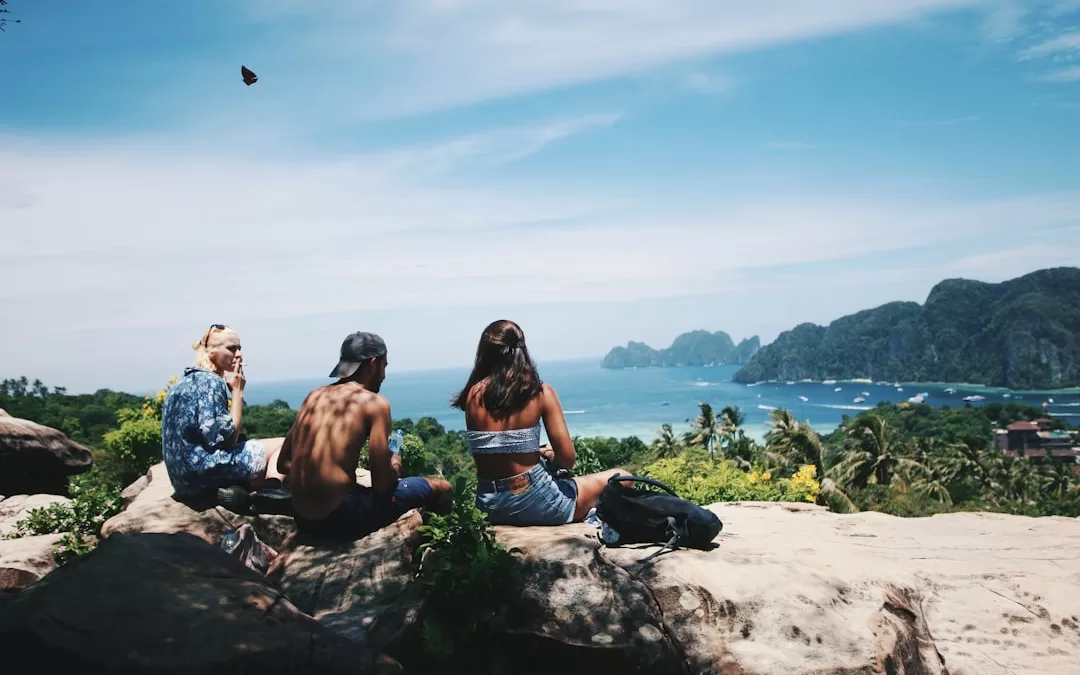
Explore the Future of Travel: A New Era in Adventure

Explore the Future of Travel: A New Era in Adventure

Modern travelers crave more than just a destination—they yearn for immersive experiences that awaken the senses, connect cultures, and create lasting memories. From breathtaking scenery to authentic culinary gems, each journey tells a story of discovery. This post explores how global travel trends and inspirations from news, landscapes, and local flavors are shaping the future of tourism in 2026 and beyond.

Drawing insights from international travel developments like those featured in China Daily’s latest travel report, we’ll look at emerging holiday destinations, eco-conscious travel, and the evolving relationship between travelers and culture. By the end of this article, readers will know where the next great adventures are unfolding and how to experience them in the most enriching way possible.

Global Travel Trends Revitalizing Holiday Destinations

Every few years, traveler priorities shift, often shaped by technology, environmental awareness, and evolving cultural values. Recently, destinations focusing on sustainable tourism and local engagement have gained unprecedented popularity.

Rise of Experience-Driven Travel

Instead of collecting stamps in a passport, modern travelers are collecting meaningful moments. This trend is driven by desire for authenticity—whether that means cooking classes in Tuscany, tea ceremonies in Kyoto, or trekking to remote communities in Nepal. Experience is now the currency of quality travel.

Technology’s Role in Destination Discovery

Today’s explorers rely heavily on digital tools—from AI-powered itinerary apps to immersive AR previews—to guide their decisions. This technological integration helps travelers discover hidden gems and create personalized trips, grooming travel habits that prioritize both spontaneity and insight.

Eco-Conscious Choices Lead the Way

Travelers increasingly seek eco-friendly accommodations and eco-tours that support conservation. Many resorts are moving toward carbon-neutral operations, while national parks are implementing visitor rotation systems to preserve fragile ecosystems. It’s no longer a niche—eco-awareness is central to destination marketing.

Scenery that Inspires Wanderlust

Whether it’s untouched wilderness, architectural wonders, or panoramic coastlines, stunning scenery often serves as the ultimate motivation for travel. Visual storytelling through social platforms has only amplified this appeal.

Mountain Escapes and Majestic Peaks

High-altitude destinations are experiencing a resurgence—from the Swiss Alps to China’s Zhangjiajie National Forest Park. These landscapes not only captivate photographers but also promote mental wellness and tranquility. Trekking and yoga retreats thrive in these serene backdrops.

Tropical Paradises and Hidden Islands

Pristine beaches and secluded islands continue to dominate travelers’ bucket lists. However, travelers today seek more than just sun and sand—they want connection. Coastal villages that promote sustainable fishing and coral restoration increasingly attract responsible tourists who crave impact alongside beauty.

Urban Skylines with a Story

Metropolises like Singapore, Seoul, and Dubai blend futuristic design with heritage sites, offering a unique mix of innovation and tradition. Smart-city infrastructure and cultural storytelling make these cities highly shareable experiences across social channels, inspiring others to visit.

Immersive Cultural Experiences Redefining Travel

Culture-driven tourism has moved beyond museums and monuments. Travelers now participate in local life, seeking authentic connection.

Community-Based Tourism

Destinations that empower communities to host visitors are thriving. In rural China, for instance, homestay programs let travelers experience the rhythm of countryside life—from morning market visits to traditional festival celebrations. Such interactions strengthen cultural appreciation and sustain local economies.

Festival Tourism and Cultural Events

Music, art, and food festivals are powerful travel magnets. They showcase the identity of a region, often boosting tourism revenues while preserving folk traditions. As travelers look for celebratory moments that merge diversity and joy, festivals become anchors of memory-making travel.

Gastronomic Journeys

Food remains a universal gateway to culture. Culinary tourism—whether fine dining or street food exploration—represents the flavors of heritage. From Beijing’s imperial recipes to the fresh seafood in coastal villages, every dish tells a story of place and time.

Culinary Travel: Savoring the World One Bite at a Time

The intersection of food and travel has never been stronger. Travelers plan entire itineraries around dining experiences, transforming gastronomy into a global tourism powerhouse.

Farm-to-Table Travel

A growing number of travelers seek to understand where their food comes from. Visiting vineyards, olive groves, and tea plantations allows guests to see culinary craftsmanship firsthand. These immersive visits are both educational and delightful, making them perfect for family or couple escapades.

Street Food Adventures

Street markets remain some of the best places to experience authentic flavors. Whether it’s sampling dumplings in Shanghai or tacos in Mexico City, street food connects people through taste and tradition. Local vendors become cultural ambassadors, welcoming travelers into their world one dish at a time.

Fine Dining and Culinary Innovation

While casual eats remain popular, luxury dining scenes are also evolving. Many Michelin-star restaurants focus now on sustainability, sourcing locally, and reducing waste. Travelers today don’t just dine—they participate in preserving the planet through responsible gastronomy.

Eco-Tourism: Traveling Responsibly in the Modern World

Eco-tourism sits at the heart of modern travel. People want to explore—but not exploit—nature. The future of tourism relies on balance: enhancing experience while protecting ecosystems.

Renewable Energy Resorts

Some of the world’s best resorts are committing to renewable energy solutions. Solar-powered accommodations, ocean-cleaning initiatives, and biodiversity protection plans mark a new standard of hospitality built on accountability.

Sustainable Transport Options

Train and electric vehicle routes offer low-emission alternatives. Bicycle-friendly cities and carbon-offset programs further encourage mindful movement. Governments worldwide are supporting green infrastructure that enriches travel accessibility without harming nature.

Wildlife Conservation Travel

Safaris and wildlife tours are increasingly structured around education and preservation. Responsible operators ensure ethical observation distances, support local rangers, and fund conservation projects to safeguard endangered species for generations to come.

Digital Influence and the Future of Destination Marketing

In the era of social media and SEO-driven discovery, how destinations position themselves online determines how they’re experienced. Smart marketing backed by authentic storytelling can transform an unknown region into a global hotspot.

SEO and Travel Storytelling

Integrating relevant keywords like “holiday destinations,” “travel experiences,” and “culinary journeys” helps content reach curious readers through search engines. However, true success lies in organic engagement—stories that inspire readers to imagine themselves there.

Visual Content and Influencer Collaborations

Instagram reels, YouTube shorts, and 360° destination videos allow viewers to explore before they even book. Collaborative campaigns with micro-influencers add authenticity, turning digital recommendations into real-world travel decisions.

Emerging Technologies in Travel Marketing

Virtual reality tours, voice-search optimization, and AI-based itinerary planners are reshaping how travel is promoted. These innovations allow travelers to preview destinations with unprecedented immersion, blending convenience with emotion.

Conclusion: The Journey Ahead for Global Travelers

The future of travel thrives at the intersection of sustainability, cultural connection, and sensory adventure. Scenery inspires us, food connects us, and shared experiences transform every destination into something deeply personal. As highlighted by the latest global travel reports, 2026 will see an even stronger push toward responsible exploration and locally inspired journeys.

For travelers, this means more opportunities to explore the world thoughtfully—to support communities, savor authentic cuisines, and experience destinations beyond the lens of sightseeing. The art of modern travel lies not in how far we go, but how deeply we connect with the people and places that welcome us.

Discover. Taste. Connect. Let these three words guide your next great adventure.

If you’re inspired by this new era of immersive, experience-led travel, you might also enjoy insights on top travel trends shaping 2025 and 2026 adventures and destination ideas in top 10 must-visit travel spots to explore in 2026.

Continue your reading here My Flight One Travel Blog
Enjoy our game while waiting for your flight Fly the plane by My Flight One