
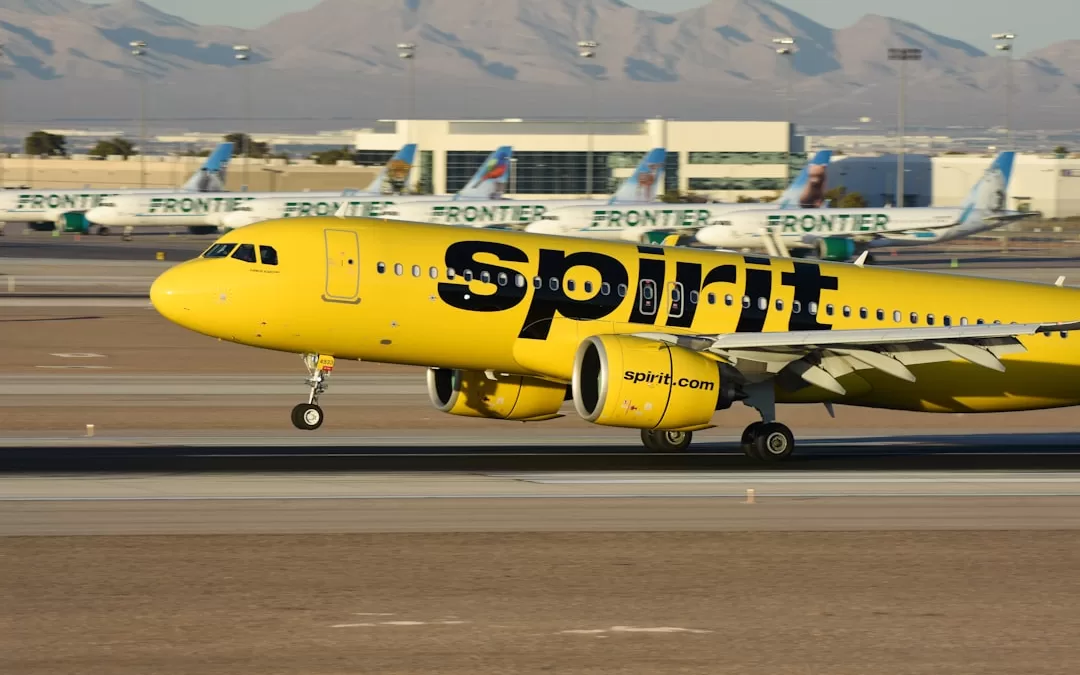
Spirit Airlines Shakes Up Routes: What Travelers Should Know

Spirit Airlines Shakes Up Routes: What Travelers Should Know

Airline industry shake-ups continue to make headlines, and the latest announcement from Spirit Airlines has caught the attention of budget-conscious travelers nationwide. In a move that reflects evolving travel demand patterns and operational changes, Spirit has decided to cut four major routes that connect travelers to popular holiday destinations. The decision affects several high-traffic vacation markets and has sparked discussions around airline strategy, passenger rights, and the impact on budget travel options. According to the original report, affected travelers will be eligible for full refunds and travel reimbursements where applicable.

This news underscores the dynamic nature of the travel industry, where route adjustments often signal larger market trends. In this detailed analysis, we’ll explore what Spirit Airlines’ route cuts mean for travelers, the reasons behind the strategic decision, and how passengers can best navigate cancellations while maximizing their refund or rebooking opportunities. Readers will also gain insight into how such changes could influence holiday travel planning in 2024 and beyond.

Spirit Airlines Route Cuts: What Travelers Need to Know

Spirit Airlines has announced that it will discontinue four routes connecting to sought-after holiday cities. Although the airline is known for its low-cost fares and extensive domestic network, operational adjustments like these are part of how mid-tier carriers adapt to market demand, rising costs, and evolving traveler preferences.

The Routes Affected

While the affected routes vary by region, they generally involve destinations that serve as major seasonal hubs for leisure travelers. These could include cities popular for beach getaways, family vacations, and festive events, which have seen fluctuating ticket demand over recent months. According to initial data, these routes will cease operation by the end of the current quarter.

Refund Policies and Passenger Rights

Spirit has confirmed that passengers holding tickets for canceled flights will be entitled to a full refund or the option to modify their travel plans. Under federal travel regulations, airlines are obligated to either rebook passengers on alternate flights or issue refunds if cancellations occur due to airline operational decisions rather than weather-related disruptions. This is good news for consumers, especially those who rely on Spirit’s affordability for holiday travel.

Timing and Communication

The airline has already started notifying affected passengers via email and mobile alerts. Travelers are encouraged to respond quickly to these notifications to secure the best rebooking options or ensure smooth refunds. For those who booked through third-party platforms or travel agencies, direct communication with point-of-sale vendors is also recommended to expedite processing.

Why Airlines Cut Routes: Understanding the Strategic Reasons

Route cancellation decisions may appear sudden from a consumer standpoint, but they are often based on complex strategic and financial considerations. Spirit Airlines’ route cuts can be analyzed through multiple lenses: cost management, market trends, and fleet optimization.

Cost and Profitability Adjustments

Operating flights on lightly booked routes can be financially unsustainable for carriers striving to maintain competitiveness in the low-cost segment. Airlines regularly assess route profitability, considering variables like fuel prices, crew expenses, airport fees, and seasonal demand. When expenses outweigh potential margins, canceling underperforming routes becomes a necessity rather than an option.

Fleet Realignment and Maintenance Cycles

Airlines often shuffle fleet resources to meet demand in lucrative markets. Aircraft may be reassigned to more profitable or strategically vital routes, where ticket prices, load factors, and demand stability justify operational costs. Scheduled maintenance and fleet upgrades also play roles in determining route availability during certain periods.

Changing Traveler Preferences

Post-pandemic, traveler behavior has become increasingly dynamic. With remote work flexibility and hybrid schedules, peak travel seasons now blend differently throughout the year. Spirit’s adjustments reflect a recalibration toward destinations with consistent performance, particularly where leisure travel remains steady year-round.

Impact on Holiday Travelers and Popular Destinations

The timing of these route cuts coincides with vacation planning for the upcoming holiday season. Many travelers typically book Spirit flights months in advance, taking advantage of early deals. The cancellation of routes to holiday hotspots may create both challenges and new opportunities.

Potential Travel Disruptions

For those whose itineraries are affected, canceled flights may require significant itinerary changes. However, the airline’s proactive refund and rebooking policy should minimize widespread inconvenience. Travelers are advised to verify their travel status early to explore alternate routes while affordable options remain available.

Regional Tourism Implications

Local economies that depend on seasonal travel influxes, such as beach towns or resort destinations, may experience mild short-term slowdowns due to reduced visitor volume. However, other airlines could fill the service gap, mitigating long-term tourism impacts.

Opportunity for Competitors

Competing low-cost carriers like Frontier, JetBlue, or Southwest may seize this opportunity to expand operations on the affected routes. When one airline exits a particular market, rivals often adjust capacity to accommodate displaced passengers, sometimes leading to competitive fare pricing that benefits consumers.

How Travelers Can Navigate Cancellations and Secure Refunds

If you are among the passengers affected by Spirit Airlines’ schedule changes, understanding how to efficiently manage refunds or rebooking will help you save time and money.

Step-by-Step Guide to Requesting a Refund

  1. Locate your booking confirmation and flight details.
  2. Visit Spirit Airlines’ official website and access the “My Trips” section.
  3. Follow the prompts to request cancellation and refund options.
  4. Check your email regularly for refund confirmation and status updates.
  5. Allow the standard processing window (typically 7–14 business days) for credit card refunds.

Exploring Rebooking Alternatives

  • Consider adjusting your itinerary to nearby airports within driving distance.
  • Evaluate competing airlines’ routes for overlapping destinations.
  • Sign up for fare alerts to catch competitive rebooking discounts.
  • Use credit-card travel protections if you booked using premium cards that offer cancellation coverage.

Customer Support Channels

Spirit Airlines offers multiple support options, including live chat, phone assistance, and airport help desks. Travelers should also review Spirit’s online FAQs for route-specific information and expected refund processing times.

Long-Term Implications for Budget Airlines and the Travel Industry

Spirit’s route optimization highlights an important aspect of modern air travel: the balance between affordability and operational efficiency. As budget airlines reconfigure their schedules, the ripple effects extend across the travel ecosystem.

Shift Toward Strategic Route Management

Low-cost carriers are increasingly using data analytics to determine profitable routes, adjusting network plans more frequently than in past years. This trend enables flexibility but also introduces volatility for consumers who depend on predictable travel schedules.

Competition and Market Realignment

Industry analysts suggest that market competition among budget carriers will intensify. Spirit’s scaled-back routes could encourage other airlines to expand service to those cities, fostering new promotional battles and airfare discounts.

Consumer Adaptation and Planning

Frequent flyers and vacation planners may adapt by diversifying their airline preferences or booking more flexible tickets. Travel insurance policies that cover airline operational changes are also becoming increasingly popular among frequent travelers.

Future Outlook: What to Expect from Spirit Airlines and Budget Travel Trends

Spirit has established itself as a resilient player in the budget airline market, consistently experimenting with fare structures and loyalty programs. Though cutting routes may seem like a setback, it likely signals a recalibration toward profitability and customer satisfaction.

Focus on Core Routes

Spirit is expected to reinforce its operations on high-demand domestic and Caribbean routes, which have historically performed well. Consolidating flight frequency on successful routes can improve on-time performance and enhance resource utilization.

Enhancing Customer Experience

As refund and service efficiency become major differentiators, Spirit’s commitment to honoring refunds and proactive communication could improve its brand perception among travelers. This transparency boosts consumer confidence and positions the airline favorably for future route expansions.

Budget Travel Resilience

Despite operational turbulence, consumer appetite for low-cost travel remains strong. Budget airlines continue to democratize air travel, making destinations accessible to millions of travelers who might otherwise find flying cost-prohibitive. With advanced route management and demand-based adjustments, Spirit and similar carriers are expected to rebound stronger in the mid-term.

Conclusion: What Spirit Airlines’ Route Adjustments Mean for Your Travel Plans

Spirit Airlines’ decision to cut four routes to holiday cities showcases the constant evolution of the aviation landscape. Travelers can take comfort in the fact that full refunds and flexible rebooking options are available. The key takeaway is clear: staying informed, adaptable, and proactive allows you to navigate route changes without compromising your travel goals.

For the most up-to-date details on affected flights and refund eligibility, refer to the original article. As the travel market continues to evolve, understanding these developments empowers travelers to make smarter choices and plan journeys with confidence.


Navigating 2026: Travel Safely with Expert Tips

Navigating 2026: Travel Safely with Expert Tips

Is It Safe to Travel? What the Latest State Department Advisories Reveal

In a world where global events shift overnight, travelers are increasingly curious about one pressing question: Is it safe to travel? The U.S. State Department regularly updates its travel advisories, guiding citizens on potential risks while ensuring informed travel planning. These updates can affect everything from leisure trips to family vacations and business journeys.

This article dives deep into the latest State Department travel warnings, helping you understand how advisories are designed, what they mean for different destinations, and how to plan safely. You’ll gain expert insights on navigating current global risks and leveraging official sources to make confident travel decisions in 2026 and beyond.

Understanding U.S. State Department Travel Advisories

The State Department assesses risks worldwide and categorizes destinations by a four-level system. This system provides a standardized way for travelers to gauge potential hazards before booking travel.

Travel Advisory Levels Explained

  • Level 1: Exercise Normal Precautions – These destinations pose minimal risk and are generally considered safe for travel.
  • Level 2: Exercise Increased Caution – Some safety and security concerns exist, often related to crime, terrorism, or political unrest.
  • Level 3: Reconsider Travel – Serious risks warranting avoidance unless necessary.
  • Level 4: Do Not Travel – Extreme danger due to conflict, natural disaster, or public health emergencies.

What Influences Advisory Levels

Advisories are not arbitrary—they’re determined through continuous data collection from embassies, security intelligence, and global organizations. The factors include political stability, healthcare infrastructure, transportation safety, natural disasters, and crime statistics.

Top Regions Under Travel Advisory in 2026

According to the latest updates summarized by azcentral.com’s travel analysis, several regions continue to face elevated risk levels. Here’s an overview of the most notable updates in the first quarter of 2026.

Middle East and North Africa

Countries like Yemen and Syria remain at a Level 4, primarily due to ongoing conflict and terrorism risks. Even comparatively stable nations—such as Egypt—can shift between Level 2 and Level 3 depending on local developments. Travelers are encouraged to stay updated on embassy alerts and register with the Smart Traveler Enrollment Program (STEP).

Central and South America

Some countries in the region, including Venezuela and parts of Mexico, have Level 3 advisories because of violent crime and kidnapping risks. However, popular tourist destinations like Costa Rica and Colombia (specific regions) remain open with increased caution levels, particularly regarding petty crime.

Europe’s Changing Advisory Landscape

Europe generally remains safe, with most countries rated Level 1 or 2. However, increases in cybercrime, political demonstrations, and flight disruptions have caused localized caution notices. Ukraine and Russia continue at Level 4 due to active conflict zones.

How to Interpret and Use Travel Advisory Information

Understanding advisories is only half the battle; travelers must also know how to interpret the warnings for their personal needs. Use the levels as a framework rather than a deterrent, integrating them with independent research and reliable travel insurance.

Cross-Referencing with Other Information Sources

The State Department is not the only authority issuing safety data. You can also check:

  • CDC Health Notices – Updates on travel-related health risks, vaccinations, and potential outbreaks.
  • World Health Organization (WHO) – Global assessments on disease and safety trends.
  • Local News Outlets – Ground reports on political or environmental changes affecting travel safety.

The Role of Embassies and Consulates

Embassies serve as vital resources during travel disruptions or emergencies. Register with the STEP program to receive direct safety alerts and rapid embassy assistance in case of crises.

Travel Safety in a Post-Pandemic World

Even as the global travel landscape stabilizes after the pandemic, new challenges continue to shape travel advisories. Public health concerns are intertwined with political and environmental changes, making prudent planning essential.

Health Protocols and Vaccination Requirements

Travelers must stay informed on vaccination requirements, health documentation, and local testing regulations. Some destinations have adopted digital health passports or established mandatory insurance coverage for inbound tourists.

The Rise of Climate-Related Travel Concerns

Climate-related risks—such as hurricanes, wildfires, and heatwaves—are increasingly cited in advisories. The State Department now collaborates more closely with meteorological agencies to account for environmental patterns when issuing alerts.

Practical Tips for Safer International Travel

Pre-Trip Precautions

  1. Review the official advisory for each destination before booking flights or accommodation.
  2. Enroll in the STEP program for emergency alerts and communication support.
  3. Ensure your travel insurance covers medical evacuation and trip cancellations.
  4. Keep digital and printed copies of travel documents and emergency contacts.

On-the-Ground Safety Strategies

  • Avoid large gatherings and monitor local announcements for safety updates.
  • Follow cultural norms and respect local laws to avoid unnecessary attention.
  • Use secure transportation options and avoid unregistered taxis or rides.
  • Maintain situational awareness—trust your instincts and relocate if you feel unsafe.

How Travel Advisories Affect Tourism and the Economy

Advisories have far-reaching implications beyond individual travelers. Destinations with “Do Not Travel” warnings often experience steep declines in tourism revenue. However, measured caution combined with transparency can help rebuild traveler confidence over time.

Shifts in Traveler Behavior

Today’s travelers are more data-driven. Before pandemic restrictions, emotional inspiration drove destinations’ popularity. Now, safety, medical access, and political stability weigh heavily on trip decisions. This shift has reshaped global tourism priorities.

Tourism Industry Response

Many countries are investing in enhanced health infrastructure, improved airport screening, and digital traveler tracking systems to mitigate concerns. As a result, even nations with Level 2 or 3 advisories can attract cautious but informed visitors.

Conclusion: Empowered, Informed, and Ready to Travel

Traveling in 2026 isn’t without its challenges, but awareness and preparation remain your strongest allies. The latest State Department advisories offer essential insights to help you gauge global travel safety with clarity and confidence.

By understanding advisory levels, monitoring regional developments, and using reliable tools like STEP and CDC alerts, you can make informed decisions—turning uncertainty into assurance. With smart research and vigilance, the world remains open for exploration, one safe and well-prepared journey at a time.

Continue your reading here My Flight One Travel Blog
Enjoy our game while waiting for your flight Fly the plane by My Flight One

Europe’s Gastro-Tourism Revolution in 2026

Europe’s Gastro-Tourism Revolution in 2026

Europe’s food scene is undergoing a remarkable transformation, evolving beyond traditional tourism into a full-scale gastro‑tourism revolution. From Italy’s handmade pasta to Portugal’s seafood havens and France’s wine‑soaked countryside, food lovers are now planning entire trips around taste, texture, and terroir. As 2026 approaches, the continent’s culinary capitals are re‑imagining what it means to travel for flavor.

This in‑depth guide explores the top European gastro‑tourism destinations set to define the travel landscape in 2026. We’ll uncover how cultural heritage, sustainable farming, and cutting‑edge gastronomy are blending to create immersive experiences for travelers. Inspired by a report from Travel and Tour World — Europe’s Top Gastro-Tourism Destinations in 2026 — this article offers expert guidance for food‑forward explorers poised to taste Europe’s finest offerings.

Italy: The Heartbeat of European Gastro‑Tourism

When it comes to culinary travel in Europe, Italy consistently leads the world. The country’s rich gastronomic heritage is deeply connected to its landscapes and local ingredients. In 2026, Italy’s “pasta cities” are expected to attract even more attention from travelers seeking authentic artisan experiences.

Bologna: The Capital of Authentic Pasta

Bologna, the capital of Emilia‑Romagna, remains the epicenter of Italy’s traditional pasta‑making culture. Visitors can join hands‑on cooking classes that teach the art of crafting tagliatelle al ragù and explore open‑air food markets drenched in aromas of cured meats and cheeses. Sustainable culinary tours are also emerging, linking local producers with travelers eager to learn about regional sourcing.

Rome: Street Food Renaissance

In the Eternal City, gastro‑tourism meets urban discovery. Rome’s street food movement is reviving classic snacks such as supplì and carciofi alla giudia while pairing them with cutting‑edge culinary innovation. A growing number of eco‑friendly eateries highlight local ingredients and celebrate the seasonal rhythm of Roman flavors.

Why Italy Leads in Sustainable Packaging and Local Sourcing

Italian food artisans have embraced a strong commitment to sustainability, with initiatives focusing on reusable packaging and the conservation of traditional crops. Travelers can now enjoy culinary adventures that are ethical as well as delicious, making Italy a model for sustainable gastro‑tourism in Europe.

France: The Art of Flavor and Terroir

France’s culinary influence remains undisputed, and its gastronomy continues to inspire travelers worldwide. For 2026, regional experiences are being reimagined to highlight the French philosophy of connecting food to place — or terroir.

Provence and the Rise of Culinary Retreats

Provence continues to attract gourmets seeking immersive cooking retreats amid lavender fields and olive groves. Many curated itineraries now include visits to local vineyards, truffle farms, and artisanal cheese producers. These experiences emphasize slow travel — taking time to savor every bite.

Bordeaux and Burgundy: The Wine Capitals Reinvented

Wine tourism is being infused with technology and storytelling. Bordeaux’s digital tasting rooms and Burgundy’s terroir‑mapping tours allow visitors to understand the nuances that distinguish each grape variety. This integration of learning and tasting enhances France’s appeal among next‑generation food travelers.

Spain: Tasting Tradition and Innovation

Spain’s food culture reflects harmony between tradition and innovation. As one of the top European gastronomy destinations, Spain continues to lead with its avant‑garde chefs and regionally rooted dishes.

Basque Country: Culinary Pioneering

The Basque Country has long been a laboratory for modern cuisine. Home to some of the world’s most acclaimed restaurants, it thrones as the destination of choice for those seeking inventive tasting menus built on local seafood and produce. Gourmet travelers can visit pintxos bars, take part in chef‑led workshops, or explore family‑run cider houses hidden in the hillsides.

Andalusia: From Olive Oil Trails to Tapas Journeys

In southern Spain, the Andalusian olive oil routes are experiencing a renaissance. Travelers can follow guided circuits that include olive harvesting, tasting masterclasses, and visits to organic farms. Combined with the region’s tapas traditions, it’s an irresistible combination of flavor and hospitality that appeals to eco‑aware food lovers.

Portugal: The Seafood Soul of Europe

Portugal’s coastline frames its identity as a seafood capital. As referenced in the Travel and Tour World article, cities like Lisbon and Porto are emerging as vital nodes in the broader European seafood tourism movement. In 2026, the country’s culinary vision blends tradition with ocean stewardship.

Lisbon: Modern Maritime Gastronomy

Lisbon is witnessing a culinary awakening where upscale restaurants re‑invent beloved classics such as grilled sardines and codfish. Culinary walking tours now focus on sustainable fisheries and the revival of historic fish markets. Coastal dining is being redefined to combine refined flavors with responsible sourcing.

Porto: A Toast to Tradition

Beyond its seafood charm, Porto is strengthening its identity as a destination for fortified wine enthusiasts. Pairing local dishes with port wine tastings, visitors can delve into dishes that narrate the story of the Douro Valley — all while supporting small‑scale winemakers. The revival of old riverfront warehouses into culinary hubs has infused Porto with modern energy while preserving its maritime roots.

Greece: An Odyssey of Flavors

Greece’s culinary reputation often centers around simplicity, yet each region offers distinct experiences rooted in age‑old recipes. From the islands to the mainland, 2026 promises even more curated journeys into the Mediterranean diet — considered one of the healthiest in the world.

Crete and the Evolution of Agritourism

Crete is pioneering the agritourism concept by merging gastronomy with local agriculture. Travelers can engage directly with farmers, partake in olive oil production, and attend herb‑foraging tours. This connection to earth and tradition ensures that gastro‑tourism here remains authentic and sustainable.

Athens: Fine Dining Meets Ancient Heritage

The Greek capital is quickly evolving into a cosmopolitan fine dining hub, with Michelin‑recognized restaurants drawing inspiration from classical ingredients like honey, sea salt, and olive oil. The fusion of modern technique and ancient storytelling encapsulates what makes Greece a top culinary travel destination for 2026.

Northern Europe: The Rise of the New Nordic Cuisine

Over the past decade, the Nordic region has quietly emerged as a benchmark for sustainable and locally driven cuisine. In 2026, Scandinavia’s food revolution will continue to attract travelers captivated by purity, simplicity, and innovation.

Copenhagen and the Nordic Sustainability Ethos

Copenhagen’s chefs lead the world in sustainable gastronomy. Their farm‑to‑table ideology emphasizes hyperlocal ingredients, foraged herbs, and minimal food waste. Travelers can participate in workshops that reveal how climate‑driven dining shapes the future of global food culture.

Stockholm and Helsinki: Culinary Creativity by the Sea

Stockholm and Helsinki are redefining northern seafood cuisine, blending traditional smoking techniques with modern plating. City markets such as Helsinki’s Old Market Hall invite visitors to taste wild salmon, seasonal berries, and rye delicacies — all wrapped in the comforting rhythm of Nordic life.

Emerging Trends Defining Gastro‑Tourism in 2026

Europe’s food travel renaissance aligns with broader travel trends emphasizing experience, sustainability, and wellness. The coming years will witness more collaborations between chefs, farmers, and tourism boards to nurture authentic travel‑through‑flavor models.

Sustainability and Regenerative Food Systems

Gastro‑tourism is shifting toward regenerative principles. Chefs are partnering with eco‑farms and fisheries to promote biodiversity and reduce waste. Tours increasingly include educational components that inspire travelers to appreciate slow and mindful consumption.

Digital Integration and Food Tech

From AR‑enhanced wine tastings to digital recipe guides, technology is enhancing how travelers engage with cuisine. Expect apps that map out local producers, guide self‑driven food trails, and offer eco badges for responsible dining experiences.

Wellness and Culinary Balance

Post‑pandemic travelers are seeking health‑enhancing food experiences focused on balance, organic ingredients, and nutritional authenticity. Culinary wellness retreats — combining gastronomy, mindfulness, and nature — are becoming increasingly popular across Mediterranean destinations.

Planning Your 2026 European Culinary Adventure

For those planning to explore Europe through food, crafting a detailed itinerary is essential. Balance well‑known hotspots with emerging local treasures — often, smaller towns reveal the most authentic tastes.

  • Research regional specialties before traveling to truly appreciate local culinary legacies.
  • Book immersive food tours offering behind‑the‑scenes access to producers and kitchens.
  • Incorporate sustainability by supporting restaurants and experiences that prioritize eco‑friendly sourcing.
  • Document your journey through photography or journaling to capture the cultural richness behind every dish.

Conclusion: The Future of European Food Travel

From Italy’s pasta heartlands to Portugal’s seafood coasts and Scandinavia’s forests, Europe’s 2026 gastro‑tourism landscape promises travelers an edible adventure rooted in authenticity and innovation. This growing movement connects travelers not just to food, but to the stories, sustainability practices, and generations that have shaped each bite. Whether you’re an epicurean explorer or a casual foodie, these evolving culinary destinations deliver the ultimate travel‑through‑taste experience — proof that Europe’s gastro‑tourism revolution has only just begun.

For the full original report and deeper insights into the upcoming food travel revolution, visit Travel and Tour World’s article on Europe’s Top Gastro‑Tourism Destinations in 2026.

Continue your reading here My Flight One Travel Blog
Enjoy our game while waiting for your flight Fly the plane by My Flight One

Pioneering LGBTQ+ Travel: A New Era of Inclusive Tourism

Pioneering LGBTQ+ Travel: A New Era of Inclusive Tourism

LGBTQ+ travel is evolving faster than ever, driven by a growing global demand for inclusive, authentic experiences that reflect diversity. One of the latest and most exciting developments in this space is the collaboration between Queer Destinations and HBX Group, which has launched a groundbreaking LGBTQ+ travel platform designed to redefine how travelers connect with safe and welcoming destinations. Readers will discover how this partnership is reshaping the tourism industry, why inclusivity is now a cornerstone of travel, and what this means for travelers and businesses worldwide.

In this article, we’ll explore the story behind this innovative launch, its impact on global hospitality, and how Queer Destinations and HBX Group are setting new standards in inclusive tourism. By the end, readers will have a deep understanding of how this platform empowers both travelers and the travel industry to embrace diversity as a driver for growth and connection. For reference, you can read the original news piece published by GlobeTrender here.

Queer Destinations and HBX Group: A New Era in LGBTQ+ Travel

The partnership between Queer Destinations and HBX Group marks a significant milestone in the evolution of the LGBTQ+ travel industry. Queer Destinations has long been recognized for its mission to foster inclusivity through travel certification and awareness. HBX Group, known for its global hospitality network, brings unparalleled reach and technological innovation to the collaboration. Together, they’ve created a digital platform that connects LGBTQ+ travelers with verified, inclusive accommodations and experiences across the world.

Bridging Purpose and Innovation

This new platform integrates HBX Group’s advanced booking systems with Queer Destinations’ inclusivity criteria, ensuring every listed business has undergone certification and training. The goal is simple: to build trust through verified inclusivity while offering travelers seamless access to authentic experiences. It’s a union of purpose-driven advocacy and technological innovation, making inclusive travel easier and more transparent.

Addressing a Growing Market

The global LGBTQ+ travel market is estimated to be worth hundreds of billions of dollars annually. With younger generations prioritizing representation and safety, the need for such a platform has never been more urgent. This collaboration positions both companies as leaders in a fast-growing, high-value niche within the travel sector.

The Vision Behind Inclusive Tourism

Inclusive tourism is more than a marketing angle—it’s a cultural and ethical commitment. Queer Destinations has been vocal about transforming the travel landscape through the Queer Destinations Committed certification, which recognizes companies that actively commit to inclusivity training and safe environment practices.

Representation and Safety

For LGBTQ+ travelers, the importance of verified safe spaces cannot be overstated. Safety, representation, and social acceptance continue to influence travel decisions. The platform ensures that travelers can confidently choose destinations that respect and celebrate their identities, fostering peace of mind and a sense of belonging.

Changing the Tourism Narrative

By focusing on inclusivity, the partnership shifts tourism away from token representation toward meaningful cultural change. Rather than merely labeling destinations as “LGBTQ+ friendly,” it validates those that actively adopt inclusive policies and training, creating measurable industry standards.

Technology Empowering Diversity

The integration of advanced technology within the LGBTQ+ travel platform is key to its success. Through HBX Group’s robust digital infrastructure, users can search, verify, and book trips effortlessly while ensuring inclusivity parameters are maintained across the network.

Smart Design for Smarter Travel

The platform’s interface is designed with user experience at its core. Travelers can view inclusive certifications directly, access local LGBTQ+ community guides, and connect with businesses trained under Queer Destinations’ standards. This makes planning safe and welcoming trips easier than ever before.

Data-Driven Inclusivity

Leveraging real-time data enables personalized recommendations based on lifestyle preferences, cultural insights, and verified safe zones. The system uses this data not as surveillance, but as empowerment—helping travelers align their journeys with comfort, inclusion, and authenticity.

How the Platform Benefits Travelers and the Industry

This partnership isn’t just a win for travelers; it’s a strategic move for tourism organizations, hotels, and destinations seeking to build long-term trust and loyalty. The LGBTQ+ community often ranks as one of the most loyal consumer segments, and tapping into this market with genuine inclusivity can yield sustainable growth.

  • For travelers: Enhanced safety and representation through verified inclusive destinations.
  • For businesses: Access to an untapped market built on authenticity and trust.
  • For destinations: Strengthened brand reputation through inclusivity training and community engagement.

Economic Growth Through Inclusion

The LGBTQ+ tourism sector represents a lucrative opportunity for destinations that welcome diversity genuinely. By aligning with verified certifications, businesses can attract high-value visitors who seek both cultural sensitivity and premium experiences.

Building Emotional Connection

Inclusive travel is not only about policy—it’s about connection. When travelers feel seen and respected, they form emotional bonds with destinations, leading to repeat bookings and enthusiastic word-of-mouth promotion.

Training and Certification Standards

One of the standout features of the Queer Destinations and HBX Group collaboration is its emphasis on education and accountability. Every partner hotel, resort, or service provider listed on the new travel platform must undergo Diversity and Inclusion certification.

Queer Destinations Committed Program

This training program teaches tourism professionals to understand and respect the nuances of LGBTQ+ identities. It also equips them with vocabulary and sensitivity training, helping them create genuinely welcoming environments.

Industry Accountability

The certification process holds brands accountable to diverse guest needs. It ensures that “inclusive” isn’t just a marketing tagline but a practiced value. This approach aligns with global sustainability goals emphasizing social inclusion and equitable access to culture and travel.

Global Implications for the Travel Industry

This partnership is more than a business collaboration—it represents a paradigm shift in global tourism. It signals that inclusivity and sustainability must coexist for the future of travel to be equitable and socially responsible.

Setting New Benchmarks

Destinations that embrace inclusive standards may soon find themselves preferred by a new generation of travelers who value authenticity over traditional luxury. The ripple effect of this platform could redefine destination competitiveness and benchmark tourism accreditation worldwide.

Inspiring Broader Change

By proving that inclusivity can be both ethical and economically viable, this initiative inspires other sectors—such as adventure travel, gastronomy, and event tourism—to follow suit. It’s a blueprint for businesses to evolve organically through empathy and diversity.

Conclusion: Traveling Toward a More Inclusive Future

The launch of the LGBTQ+ travel platform by Queer Destinations and HBX Group represents a vibrant new chapter for inclusive tourism. It combines the authenticity and advocacy of Queer Destinations with the scale and innovation of HBX Group to create something genuinely transformative. For travelers, it means confidence and connection; for the industry, it means growth and evolution.

As the travel world continues to merge purpose with profit, initiatives like this serve as reminders that inclusion is not a niche—it’s the future. Businesses that align with this philosophy will not only thrive economically but also help shape a global tourism ecosystem built on respect, diversity, and belonging.

To learn more about this groundbreaking initiative, explore the original coverage at GlobeTrender.

Continue your reading here My Flight One Travel Blog
Enjoy our game while waiting for your flight Fly the plane by My Flight One

Discover Affordable Luxury Travel Destinations Worldwide

Discover Affordable Luxury Travel Destinations Worldwide

Traveling the world doesn’t always have to drain your bank account. In fact, some of the world’s most breathtaking destinations offer luxury experiences at surprisingly affordable prices. From hidden islands that rival the Maldives to European towns bursting with old-world charm, travelers today can experience high-end adventures without the high-end cost. Whether you’re looking for opulent stays, gourmet meals, or world-class scenery, there are plenty of affordable luxury travel destinations waiting to be discovered.

Inspired by a recent travel feature on AOL, this guide explores destinations that look and feel luxurious but cost nearly nothing. Here, we dive deep into budget-savvy destinations that promise indulgence—from spa resorts tucked away in the mountains to vibrant cities where five-star feels are available at three-star prices. You’ll discover where to go, what to do, and how to make your travel budget stretch further without compromising on style or comfort.

Affordable Luxury: Redefining Travel Value

Luxury is no longer confined to price tags and five-star exclusivity. In the modern era, affordable luxury travel emphasizes experience, culture, and authenticity. The destinations highlighted in this post blend comfort and indulgence while offering exceptional value. The growing popularity of experiential tourism allows travelers to immerse themselves in deluxe settings at a fraction of traditional costs.

Why Affordable Luxury Matters

Travelers today are more conscious of value and sustainability. Instead of splurging on overpriced resorts, they seek boutique accommodations and authentic experiences that deliver comfort and meaning. This trend is pushing travel companies and destinations to rethink what luxury truly means—focusing on quality, ambience, and experience rather than cost alone.

The Rise of Experience-Rich Travel

Thanks to digital platforms and global connectivity, discovering hidden gems has never been easier. Smart travelers compare costs, find local-owned lodgings, and uncover upscale yet inexpensive adventures in regions previously overlooked. This shift creates opportunities for budget-conscious travelers to indulge in what once seemed out of reach.

Top Budget-Friendly Luxury Destinations

Here are some leading destinations where style meets savings, offering travelers a blend of affordability and indulgence.

Bali, Indonesia

Bali continues to be a go-to paradise for travelers seeking tropical tranquility. The island boasts luxury villas, private infinity pools, and spa sanctuaries—all at budget-friendly rates. Ubud, in particular, combines lush rice terraces with serene wellness retreats. With a cost of living lower than many tourist hubs, savoring luxury in Bali is both easy and economical.

Budapest, Hungary

Known as the “Paris of the East,” Budapest offers stunning architecture, thermal spas, and world-class cuisine without the extravagant European price tags. Visitors can soak in century-old thermal baths, enjoy a Danube River cruise, or dine in Michelin-recommended restaurants—all for less than in most Western capitals.

Tulum, Mexico

While parts of Mexico are renowned for their luxury resorts, Tulum stands out for merging eco-chic design with accessibility. Beachfront yoga studios, artfully designed bungalows, and health-conscious eateries make it possible to experience high-end vibes affordably. Off-season travel and local boutique hotels keep the experience upscale yet attainable.

Lisbon, Portugal

Lisbon has quickly become a favorite among European travelers for its scenic hilltop vistas, delectable gastronomy, and affordable boutique hotels. Tram rides through its colorful neighborhoods, evenings of soulful Fado music, and gourmet seafood meals bring elegance without eye-watering expenses. The city’s blend of history and hospitality makes every moment feel luxurious.

Chiang Mai, Thailand

Nestled in northern Thailand, Chiang Mai exudes old-world charm complemented by modern comforts. Travelers can stay in stylish boutique hotels, enjoy authentic Thai massages, and savor gourmet street food—all for a fraction of what one would pay elsewhere. This balance of affordability and opulence makes it a paradise for digital nomads and cultural explorers alike.

Hidden Gems That Feel Lavish

Beyond the obvious tourist routes exist lesser-known gems that redefine luxury at a lower cost.

Albanian Riviera, Albania

Often called Europe’s unspoiled coastline, the Albanian Riviera stuns visitors with turquoise waters and Mediterranean charm. Unlike the neighboring Greek Isles, accommodations and dining come at a fraction of the cost while offering equally picturesque views. Local guesthouses deliver an intimate and luxurious seaside experience.

Hoi An, Vietnam

This UNESCO World Heritage Town captivates visitors with its lantern-lit streets and riverside markets. Hoi An offers visitors high-quality tailor-made clothing, exquisite cuisine, and ornate boutique hotels—all while maintaining an affordable price structure. The charm and grace of this destination rival many costlier Asian cities.

Medellín, Colombia

Once misunderstood, Medellín has blossomed into a sophisticated metropolis framed by lush mountains. Now one of South America’s trendiest spots, its chic rooftop bars, innovative restaurants, and art-filled parks reflect a posh lifestyle without the steep expenses of more famous Latin American capitals.

How to Experience Luxury on a Budget

Luxury travel isn’t just about your destination—it’s about smart strategies to maximize comfort and experience.

Choose Boutique Hotels or Local Villas

Instead of staying at global chain hotels, opt for boutique stays. These properties often offer unique designs, personalized service, and upscale amenities for less. Many include breakfast, local excursions, or spa treatments—helping travelers save even more.

Travel Off-Season

Timing matters. Visiting destinations during shoulder or off-peak seasons can reduce expenses dramatically while improving the overall experience. Fewer crowds, lower prices, and personalized service make off-season luxury travel a smart move.

Embrace Local Experiences

Luxury doesn’t always come with gold-plated walls. Sometimes it’s about a private cooking class with a local chef, an evening gondola ride with fewer tourists, or a mountain retreat run by a family that treats guests like royalty. These experiences enrich travel without inflating the budget.

Practical Tips for Smart and Luxe Travel

  • Use fare alerts: Tools like Google Flights and Skyscanner allow you to monitor dips in airfare for high-end destinations.
  • Leverage loyalty programs: Many boutique hotels now offer rewards that can be used for room upgrades and complimentary services.
  • Book in advance: Early booking often grants access to luxury accommodations at reduced rates.
  • Negotiate stays: Especially in developing countries, long-term stays can come with discounts or added perks.
  • Go beyond resorts: Seeking local-owned villas or Airbnb properties often introduces travelers to a higher standard of hospitality per dollar spent.

Balancing Comfort, Culture, and Value

The idea of affordable luxury extends well beyond economical travel. It’s about designing itineraries that enrich the soul while respecting one’s budget. Exploring local markets, dining authentically, and connecting with communities enhance genuine luxury. It’s not only the silk bedding or infinity pool—it’s the feeling of contemporary comfort blended with cultural appreciation.

The Emotional Value of Affordable Travel

When travelers discover luxurious moments at low cost, satisfaction increases. The emotional value—knowing you’ve unlocked a premium experience smartly—adds to the destination’s charm. This satisfaction builds long-term memories that emphasize happiness over material extravagance.

Conclusion: The New Definition of Luxury Travel

Affordable luxury is reshaping the travel landscape. Modern explorers are finding that high-quality experiences don’t have to come with extravagant bills. Whether it’s relaxing on Bali’s beaches, soaking in Budapest’s thermal baths, or strolling through Lisbon’s historic alleyways, travelers can now live luxuriously within modest budgets. By choosing the right destinations, traveling strategically, and prioritizing meaningful experiences, anyone can enjoy elite travel without financial stress.

For further inspiration and destination details, check out the original article on AOL Travel to explore more about luxury-looking destinations that cost nearly nothing.

Continue your reading here My Flight One Travel Blog
Enjoy our game while waiting for your flight Fly the plane by My Flight One