

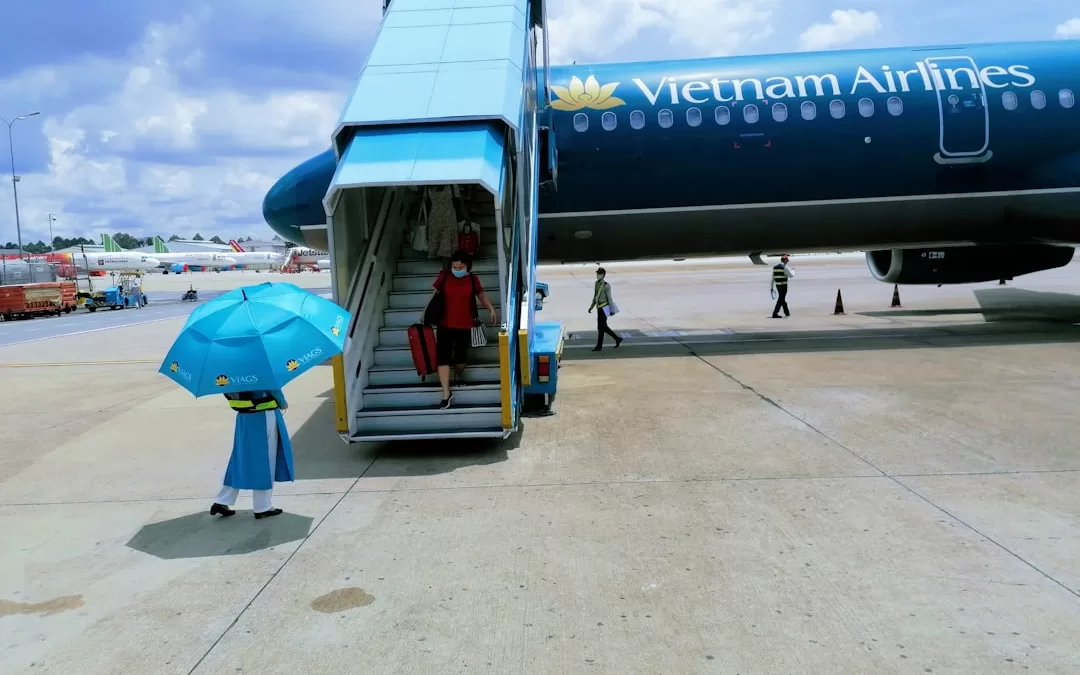
Vietnam is emerging as one of Asia’s most dynamic travel destinations, drawing curious travelers seeking safety, authenticity, and unforgettable cultural experiences. According to recent reports, Vietnam’s tourism boom is expected to reach new heights by 2026. This surge is powered by a combination of smart government policies, world-class hospitality, and the nation’s reputation as one of the world’s safest travel destinations.
In this in-depth post, we’ll explore what’s fueling Vietnam’s rise as a premier global hotspot. You’ll discover how Vietnam’s safety, natural beauty, infrastructure development, cultural depth, and eco-tourism initiatives are resonating with both seasoned travelers and first-time visitors. Whether you’re planning a coastal escape in Da Nang, a culinary adventure in Hanoi, or a tranquil getaway in the mountains of Sapa, this comprehensive analysis will help you understand why Vietnam is quickly becoming the future jewel of Southeast Asian travel.
Vietnam Tourism Boom 2026: A New Era of Global Discovery
The projection of a tourism boom by 2026 is not accidental—it’s the result of strategic planning and sustainable growth initiatives. Vietnam’s strong post-pandemic rebound, coupled with its safe and hospitable environment, positions it as a major global tourism hub.
Sustainable Growth and Government Strategy
The Vietnamese government has implemented comprehensive strategies to revitalize tourism through smart visa policies, infrastructure investment, and responsible travel marketing. The National Tourism Development Strategy 2030 emphasizes balanced growth, sustainability, and inclusivity, aiming to attract high-quality tourism while protecting the environment and cultural heritage.
Record-Breaking Visitor Numbers
International arrivals have surged as border restrictions lifted, with millions of travelers drawn by Vietnam’s beaches, cuisine, and natural wonders. Industry forecasts suggest that by 2026, visitor arrivals could exceed pre-pandemic levels by more than 25%, solidifying Vietnam’s position among the top tourist destinations in Asia.
Why Vietnam Is Considered One of the World’s Safest Travel Destinations
Safety remains a top priority for modern travelers. Vietnam ranks consistently high on global safety indexes, offering peace of mind for solo travelers, families, and retirees alike.
Low Crime and High Community Values
Vietnam’s strong sense of community, low violent crime rate, and respect for visitors contribute to a secure travel experience. The culture’s emphasis on hospitality, or “tinh than hiếu khách”, ensures travelers feel welcome wherever they go.
Reliable Healthcare and Emergency Infrastructure
The country has made substantial investments in healthcare and public safety infrastructure. Major cities like Ho Chi Minh City, Hanoi, and Da Nang now have international hospitals and multilingual emergency services, offering reassurance to international visitors.
- Low crime statistics compared to global averages
- Improved emergency response systems
- Safe transportation and highly rated airlines
Cultural Immersion: Authentic Vietnam Experiences
Vietnam’s allure goes beyond famous landmarks—it lies in its cultural authenticity and local experiences that reflect a deep historical heritage.
Rich Heritage and Historic Landscapes
From the ancient town of Hoi An to UNESCO-listed sites like Ha Long Bay and My Son Sanctuary, Vietnam’s historic landmarks transport visitors through centuries of dynastic influence, spirituality, and artistry.
Diverse Culinary Traditions
No trip to Vietnam is complete without its world-renowned cuisine. Each region tells a story through flavors—from the delicate balance of sweet and savory in Southern dishes to the aromatic herbs of the Northern highlands. Local specialties like pho, banh mi, and ca phe sua da embody Vietnam’s cultural richness and resilience.
- Hanoi’s street food tours that celebrate local traditions
- Hue’s royal-inspired cuisine and imperial dining culture
- Fusion culinary experiences blending east and west
Natural Wonders and Sustainable Tourism in Vietnam
Vietnam’s diverse geography—from emerald rice terraces to limestone karsts—offers travelers an unmatched visual feast. The government and local communities are increasingly prioritizing eco-friendly and sustainable projects.
Emerging Eco-Destinations
Destinations such as Phong Nha-Ke Bang National Park and the Mekong Delta are leading examples of sustainable eco-tourism. Travelers are encouraged to engage with eco-lodges, ethical homestays, and guided conservation tours that support local livelihoods.
Protecting Biodiversity and Cultural Integrity
Vietnam’s focus on sustainable tourism aligns with global trends favoring slow, responsible travel. Efforts to limit over-tourism in fragile areas, such as the caves of Quang Binh or the coral reefs of Nha Trang, reflect a strong commitment to preserving natural heritage.
- Community-based tourism models in northern villages
- Eco-conscious resorts along the central coast
- Marine preservation initiatives and national park restoration
Infrastructure and Connectivity: The Backbone of the Boom
Modern infrastructure plays a crucial role in Vietnam’s tourism growth. The government’s investment in airports, smart cities, and digital connectivity is helping make travel seamless and accessible.
Transportation Development
Vietnam is rapidly upgrading its highways, metro systems, and domestic flight networks to improve accessibility. The expansion of international hubs like Long Thanh International Airport near Ho Chi Minh City will redefine travel efficiency by 2026.
Tech-Driven Traveler Experiences
With widespread 5G coverage and digital tourism initiatives, visitors can easily navigate Vietnam’s attractions using virtual travel guides and online booking systems. These developments enhance the country’s global competitiveness while offering convenience for digital nomads and tech-savvy explorers.
Economic Impact and Local Empowerment
The upcoming tourism boom is not only transforming Vietnam’s image abroad but also reshaping local economies. Tourism contributes significantly to job creation, small business growth, and rural development.
Boosting Local Entrepreneurship
Homestay networks, artisanal crafts, and domestic tour enterprises are benefiting from international demand. Travelers are seeking genuine interactions, directly impacting local communities and offering them sustainable income sources.
Encouraging Cultural Exchange
This boom fosters global awareness of Vietnam’s cultural richness, encouraging travelers to engage in meaningful exchanges that strengthen mutual understanding between locals and visitors.
Future Outlook: Why Vietnam Is the Destination to Watch
All indicators point to Vietnam achieving remarkable tourism milestones by 2026. Its balance of safety, authenticity, and innovation appeals strongly to modern travelers seeking depth over mass tourism experiences.
From tranquil beaches to bustling urban adventures, the country’s appeal spans wide demographics. Whether it’s adventure tourism, wellness retreats, or cultural immersion, Vietnam offers everything travelers seek in a post-pandemic world—safety, value, and purpose-driven travel.
Conclusion
The Vietnam Tourism Boom 2026 embodies more than an economic surge—it represents a harmonious convergence of culture, safety, and sustainability. As the nation positions itself at the forefront of Asian tourism, its commitment to environmental responsibility, community-based development, and world-class hospitality continues to inspire global admiration.
For travelers and investors alike, Vietnam stands as a shining model of how a nation can modernize without losing its soul. With strategic vision and an unwavering focus on quality experiences, Vietnam’s tourism future looks brighter than ever.
Continue your reading here My Flight One Travel Blog
Enjoy our game while waiting for your flight Fly the plane by My Flight One
