

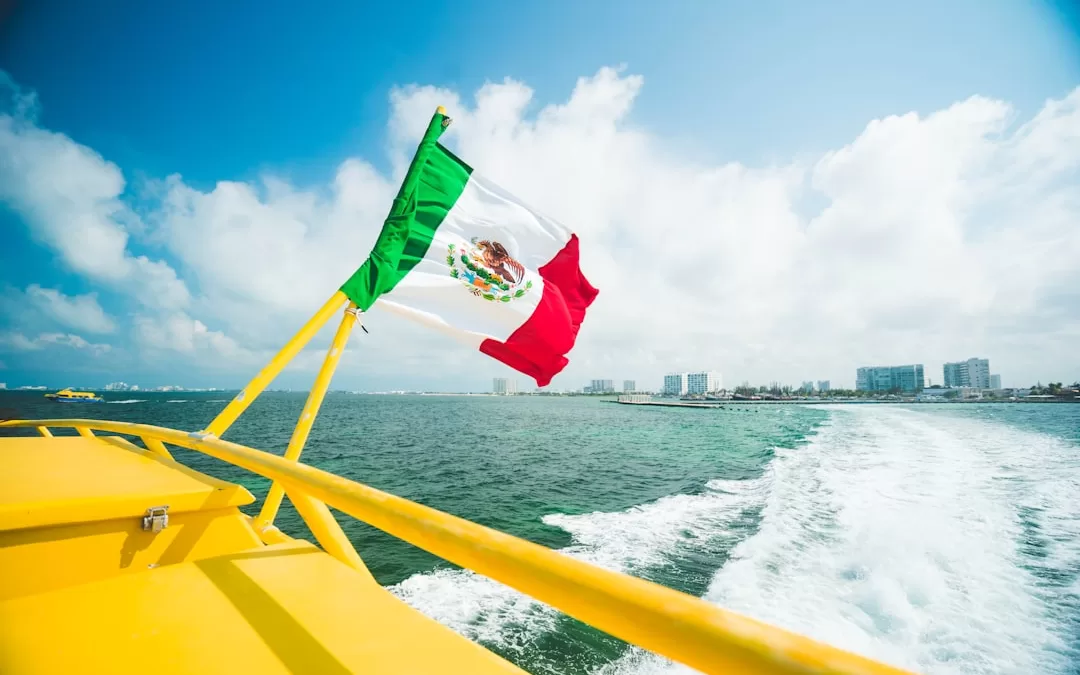
The U.S. State Department has recently issued a new travel warning targeting several of Mexico’s most popular winter destinations, shining a spotlight on growing concerns over safety and security for international visitors. From Cancun to Los Cabos, destinations long celebrated for their beaches and resorts are now under scrutiny as incidents of violent crime, petty theft, and organized gang activity become a rising concern. This announcement is especially significant for those planning holiday or winter getaways south of the border, prompting travelers to reconsider safety measures and travel planning strategies.
In this blog post, we explore the key points raised in the Travel and Tour World report, analyzing the safety alerts by region, their impact on Mexico’s tourism industry, and what travelers need to know to stay safe. You’ll also learn about the risk areas, local updates from government advisories, and practical tips for responsible travel — ensuring your vacation remains both enjoyable and secure.
US Travel Advisory for Mexico: An Overview of the Current Warning
The newly released U.S. travel advisory highlights a growing wave of criminal incidents in areas that are some of Mexico’s largest tourist draws. Specifically, the State Department’s advisory identifies increased risks in states such as Quintana Roo, Jalisco, Sinaloa, and Baja California Sur — regions synonymous with destinations like Cancun, Puerto Vallarta, Mazatlán, and Los Cabos. According to authorities, the concern stems from the potential for confrontations between criminal organizations and Mexican security forces in public spaces, sometimes leading to collateral danger to tourists.
Understanding the Advisory Levels
The U.S. State Department’s travel system categorizes destinations into four levels ranging from Level 1: Exercise Normal Precautions to Level 4: Do Not Travel. Many of Mexico’s top vacation spots currently fall under Level 2 (Exercise Increased Caution) or Level 3 (Reconsider Travel). that indicate heightened vigilance is necessary, particularly around nightlife areas, isolated beaches, and during late-night travel between resort towns.
Regions Under Spotlight
- Quintana Roo: Covers Cancun, Playa del Carmen, and Tulum — known for holiday tourism but increasingly cited for drug-related crime and theft incidents.
- Jalisco: Home to Puerto Vallarta and Guadalajara, both facing organized crime threats in surrounding rural areas.
- Baja California Sur: Includes Los Cabos, where authorities have reinforced police presence after a recent uptick in confrontations.
- Sinaloa: Includes Mazatlán, where U.S. government personnel are sometimes restricted from traveling outside specific tourist zones.
How the Travel Warning Impacts Mexico’s Tourism Sector
Tourism represents nearly 8.5% of Mexico’s GDP, and American travelers constitute one of the largest visitor groups. Therefore, every advisory update carries economic implications. Nevertheless, the tourism industry remains resilient, leveraging new security investments and private-public partnerships to enhance visitor safety.
Local Government and Industry Response
Mexican local authorities have accelerated safety campaigns and increased law enforcement in major beachfront areas. Resort operators and tourism boards are improving surveillance systems, developing secure transportation corridors, and launching promotional communication reassuring visitors that resort areas continue to operate safely and without disruption.
Perception vs. Reality
Experts suggest that while isolated violent events can sound alarming, the statistical risk to most visitors remains low when confined to designated tourist areas. Yet, perceptions matter. Media coverage and official advisories can influence travel decisions, potentially impacting bookings during peak months such as December through March.
Top Safety Tips for Traveling to Mexico’s Winter Destinations
Remaining informed and prepared can greatly reduce personal risk while enjoying Mexico’s stunning coastal escapes. Below are expert recommendations compiled from both travel advisory details and security best practices.
1. Prioritize Secure Transportation
- Use authorized airport taxis or pre-booked shuttle services offered by certified hotels.
- Avoid hailing unknown taxis or rides late at night, especially outside main zones.
- Keep your itinerary limited to well-traveled routes and main highways.
2. Stay Within Tourist Zones
While venturing beyond resort borders can seem tempting, it’s safer to remain in designated tourist regions supported by enhanced police monitoring and security partnerships. Avoid remote rural areas or unverified tours promoted by unofficial vendors.
3. Safeguard Personal Belongings
- Carry minimal cash and rely on hotel safes for passports or valuables.
- Use digital payment options wherever possible.
- Stay alert in crowded places where pickpocketing tends to occur.
4. Stay Alert to Local News Updates
Leverage local news sources and your embassy’s travel alerts. The Travel and Tour World report aligns with similar bulletins released by international agencies emphasizing vigilance and informed travel planning.
Alternative Safe Destinations and Emerging Travel Trends
For travelers seeking similar warmth and culture but with a lower-risk designation, nearby alternatives within Mexico and across Central America are drawing interest. Oaxacan coastal towns, Yucatán’s inland cultural routes, and established eco-lodges are seeing rising reservations.
Domestic Alternatives
- Merida: Known for its colonial charm and lower crime rate.
- Isla Holbox: Offers serene beaches away from major tourist clusters.
- Campeche: A UNESCO World Heritage city celebrated for safety and culture.
Regional Alternatives
- Belize: Safe Caribbean ambiance and English-speaking comfort.
- Costa Rica: Eco-tourism haven with a strong safety record.
- Panama: Cultural diversity blended with strong infrastructure.
Travelers are increasingly prioritizing safety-driven planning — choosing smaller accommodations, off-peak schedules, and verified operators. Additionally, flexible booking policies allow for last-minute adjustments if conditions change.
Expert Insights and Diplomatic Recommendations
International agencies stress the importance of situational awareness and careful route planning. The State Department suggests enrolling in STEP (Smart Traveler Enrollment Program), enabling direct email updates about security developments while abroad. Similarly, Mexican tourism authorities recommend coordination with local police for group excursions and avoiding public displays of wealth or luxury electronics.
Perspective from Industry Leaders
Tour operators emphasize that the travel warning should not equate to canceling planned trips but serve as a reminder to adopt higher standards of safety readiness. Insurance providers are also adapting by offering expanded coverage for cancellation or emergency evacuation due to security incidents, which has become a major selling point post-pandemic.
Traveler Behavior Shifts
Analytics show that interest in destination-by-destination safety metrics has nearly doubled in Google searches compared to the same period last year. This change underscores travelers’ demand for transparent, real-time data and reinforces the role of responsible tourism communication in building trust.
For visitors determined to experience Mexico’s rich landscapes and hospitality, proactive actions can turn concern into confidence. Below are structured steps to follow:
- Review advisory updates before and during travel using government platforms.
- Communicate plans with family or travel partners regularly.
- Use verified accommodations and stick to recognized booking sites.
- Engage with local guides who are licensed and experienced in tourist zones.
- Consider travel insurance that covers incidents beyond health emergencies.
These habits not only mitigate personal risk but support ethical and sustainable tourism practices — ensuring revenues aid communities investing in safety and development.
Conclusion: Traveling Smart in a Changing Advisory Landscape
Mexico continues to be one of the most beloved winter destinations globally, rich in culture, cuisine, and adventure. However, the recent U.S. travel warning serves as a necessary reminder: informed travel is safe travel. By staying alert, utilizing official resources, and following regional guidance, tourists can continue to enjoy the country responsibly.
The bottom line — keep your journey grounded in awareness and preparation. Mexico’s tourism sector and international partners are collaborating to maintain safety as a top priority. As travelers, the best approach is not withdrawal but adaptability: plan wisely, respect local insight, and enjoy the best the region has to offer — safely and confidently this winter season.
Continue your reading here My Flight One Travel Blog
Enjoy our game while waiting for your flight Fly the plane by My Flight One
