

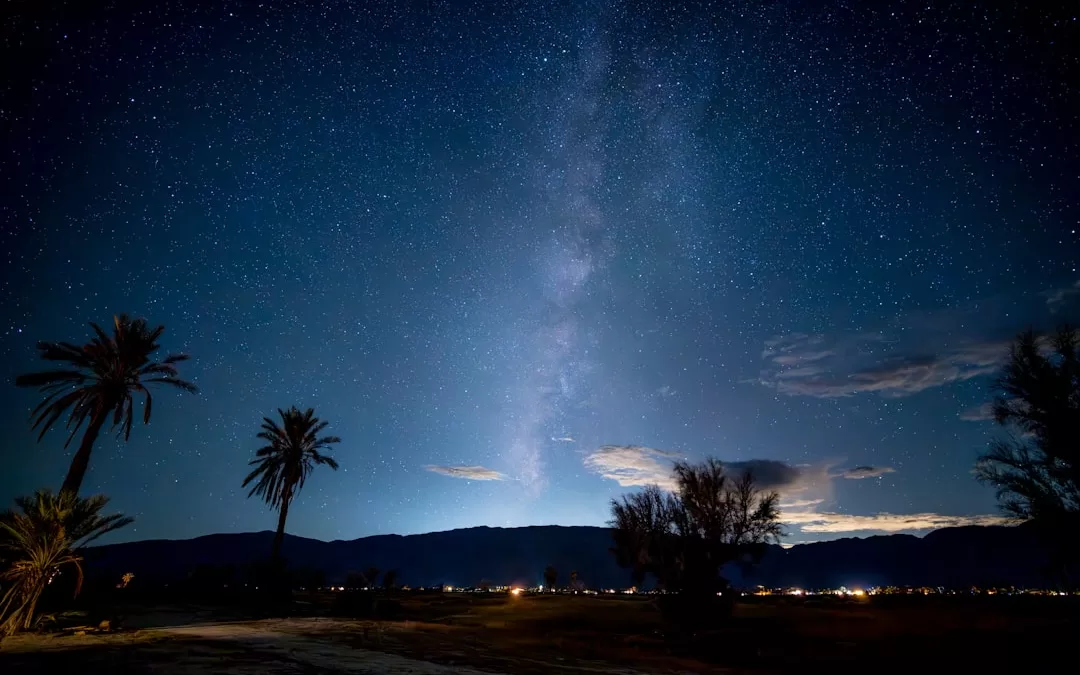
For passionate travelers and night-sky photographers, few experiences rival the serenity and awe of standing under a clear, star-filled sky. Stargazing has become an essential pursuit for wanderers seeking both adventure and tranquility. Over eight years of chasing dark skies across the globe, travelers and astronomy enthusiasts have discovered remote, breathtaking locations that redefine how we connect with nature after sunset. In this post, we’ll explore some of the world’s top destinations for stargazing, how to plan your trip to the darkest skies, and the tools and techniques that will make every celestial adventure unforgettable.
If you’ve ever wondered where to witness the brilliance of the Milky Way away from city lights, this comprehensive guide reveals the best stargazing spots on Earth. From the dry desert valleys of Chile to the volcanic summits of Hawaii, we’ll break down why each location shines above the rest. Whether you’re a photographer, astronomer, or simply a curious traveler looking for wonder, this guide delivers inspiration and practical advice drawn from Outside Online’s ‘Best Places for Stargazing’ and expanded with expert insights to help you plan your own cosmic journey.
1. Exploring the World’s Best Stargazing Spots
Atacama Desert, Chile: The Pinnacle of Cosmic Clarity
The Atacama Desert is widely regarded as one of the clearest and driest places on Earth, offering unmatched transparency for stargazing. With over 300 cloudless nights per year and minimal light pollution, it’s home to major observatories such as ALMA and Paranal. Travelers can visit nearby San Pedro de Atacama, where guided night-sky tours provide an unforgettable introduction to southern hemisphere constellations.
Mauna Kea, Hawaii: Stargazing from the Summit
Rising nearly 14,000 feet above sea level, Mauna Kea stands as a natural observatory that attracts astronomers from across the globe. The altitude, isolation, and dry air combine to create exceptional viewing conditions. Although the summit is sacred to Native Hawaiians, visitors can access designated areas for stargazing after dark, making it one of the most respectful and inspiring places to connect with the cosmos.
Namib Desert, Namibia: Africa’s Celestial Canvas
The Namib Desert, one of the planet’s oldest, is a hidden gem for night-sky travelers. Its International Dark Sky Reserve status guarantees pristine conditions. The surreal landscapes of Sossusvlei and Deadvlei create a surreal background for astrophotography, where the Magellanic Clouds and the Milky Way stretch vividly across the southern African sky.
2. What Makes a Great Stargazing Destination
Stargazing destinations share a few consistent characteristics that make them ideal for astronomical observation. Understanding these factors helps travelers choose the perfect location for their night under the stars.
Low Light Pollution
For the best results, seek areas with minimal artificial lighting. Dark-sky reserves are certified regions that protect natural nightscapes from urban glow. Apps like “Light Pollution Map” or “Dark Sky Finder” make it easy to identify remote, light-free areas for your next trip.
Altitude and Climate
High-altitude destinations like Mauna Kea or the Himalayas typically experience less atmospheric distortion, resulting in sharper views. Dry climates, such as deserts, also provide clearer skies due to low humidity levels. These conditions significantly enhance visibility for both the naked eye and telescopic observation.
Accessibility and Sustainability
While isolation creates great stargazing conditions, accessibility matters for travelers. Look for eco-lodges and observatories that balance guest comfort with environmental sustainability. Responsible tourism ensures that these pristine skies remain protected for generations of skywatchers to come.
3. Tools and Gear for the Ultimate Stargazing Experience
Investing in the right equipment enhances your stargazing journey, whether you’re a beginner or an experienced astronomer. Here’s what you’ll need to make every night an unforgettable observation session.
- Binoculars or Telescope: A good pair of binoculars offers a surprisingly detailed look at star clusters and nebulae, while telescopes provide a closer view of deep-sky objects.
- Sturdy Tripod: For astrophotography, a reliable tripod keeps your camera stable during long exposures.
- Star Map or Mobile App: Use digital apps like Stellarium or Sky Guide to identify constellations, planets, and galaxies.
- Warm Clothing and Snacks: Night temperatures drop quickly in remote areas, so comfort is essential for long sessions.
Astrophotography Tips
When photographing the night sky, set your camera to manual mode with a wide aperture (f/2.8 or lower) and a long exposure time (around 15-25 seconds). Keep your ISO as low as possible while maintaining brightness. Use a remote shutter release or self-timer to prevent motion blur.
4. Seasonal Stargazing and the Best Times to Travel
Every hemisphere and season offers unique celestial events. Knowing when and where to travel optimizes your stargazing adventure.
Winter Nights in the Northern Hemisphere
From December through February, long nights and dry air create perfect viewing conditions in regions like northern Chile, Utah’s canyon lands, or Iceland. The **Orion Nebula**, **Pleiades**, and the vivid **Aurora Borealis** dominate winter skies.
Southern Hemisphere Summer
From June to August, southern latitudes like Australia, Namibia, and Chile showcase the Galactic Center of the Milky Way. The clarity during these months reveals magnificent detail for stargazers and photographers alike.
Special Astronomical Events
Time your trip around notable sky events such as meteor showers, eclipses, or planetary alignments. The Perseid Meteor Shower in August and the Geminid Shower in December are annual highlights for enthusiasts across the globe.
5. Conservation and the Future of Dark Skies
Preserving natural nightscapes is crucial to both the environment and human wellbeing. The rapid spread of artificial lighting harms ecosystems and obscures our view of the stars.
The Role of Dark-Sky Reserves
Organizations like the International Dark-Sky Association (IDA) certify areas that take active steps to minimize light pollution. Locations such as Aoraki Mackenzie in New Zealand and Jasper National Park in Canada are shining examples of sustainable night-sky protection.
Travelers’ Role in Light Conservation
As stargazers and travelers, we can choose accommodations that support light management, use red lights during night photography, and educate others about responsible nighttime tourism. Every small step preserves the magic of natural darkness.
6. Planning Your Stargazing Adventure
Whether it’s your first or fiftieth stargazing expedition, careful planning ensures a smoother and more fulfilling experience. From choosing destinations to managing logistics, here’s how to prepare for your next cosmic adventure.
- Research Locations: Identify places aligned with your celestial interests—planets, Milky Way photography, or meteor showers.
- Check Local Weather: Use reliable forecasts to avoid cloudy nights and enhance your observation opportunities.
- Book Early: Many observatories and lodges in popular regions have limited capacity, especially during event-filled nights.
- Respect Local Cultures: Many stargazing destinations hold cultural significance, so it’s vital to observe with respect and mindfulness.
Combining Stargazing with Adventure Travel
The most memorable journeys blend astronomical observation with nature exploration. Hike by day, stargaze by night — in destinations like Chile’s Elqui Valley or Utah’s canyon country, adventure meets cosmic clarity in extraordinary harmony.
Conclusion: Your Journey Beyond the Stars
From the windswept deserts of Namibia to the volcanic peaks of Hawaii, stargazing reveals the profound connection between Earth and the cosmos. These top stargazing spots not only inspire wonder but remind us of the delicate beauty of dark skies that must be protected. By traveling mindfully, equipping ourselves wisely, and timing our trips thoughtfully, we gain more than great photos—we discover perspective, peace, and the universe’s unfiltered brilliance.
To explore a detailed list of world-class destinations, check out Outside Online’s feature on the Best Places for Stargazing for further insight and inspiration for your next night under the stars.
Continue your reading here My Flight One Travel Blog
Enjoy our game while waiting for your flight Fly the plane by My Flight One
