by My Flight One | Apr 13, 2026 | Travel blog
Traveling doesn’t have to drain your wallet—especially if you live in New Jersey. Inspired by the article New Jersey Residents Find Smart Ways to Travel on a Budget, this post explores how travelers from the Garden State are redefining affordable adventures. Whether you’re planning a family vacation, a solo getaway, or a weekend road trip, there are countless strategies to stretch your budget while still enjoying meaningful travel experiences.
In this post, you’ll learn how to plan cost-effective trips, use modern budgeting tools, find affordable destinations, and take advantage of travel deals that few people know about. We’ll also uncover creative ways New Jerseyans are leveraging local resources, credit card points, and public transit systems to explore more while spending less. These insights will not only help you save money but also enhance your travel lifestyle in the long run.
Smart Budget Travel Strategies for New Jersey Residents
Budget travel starts with careful planning and optimization. As airfares, fuel costs, and lodging prices fluctuate, New Jersey residents are using a mix of digital tools and smart timing to keep their trips affordable.
Planning Ahead Saves Money
Timing is everything in budget travel. New Jersey travelers often find that booking flights and accommodations 6-8 weeks in advance can reduce total costs by up to 30%. Using flight comparison tools and price-alert apps helps identify the cheapest windows to travel. In addition, planning off-season trips—such as April or October—often means lower hotel rates and fewer crowds.
Flexibility Is the Key to Savings
Being open to flexible travel dates and destinations can unlock deep savings. Many websites now allow travelers to search “everywhere” as a destination, showcasing the most affordable options globally. For New Jersey locals, nearby cities like Philadelphia, New York, and Baltimore often offer spontaneous deals when departing from Newark Liberty International Airport or Trenton-Mercer Airport.
- Monitor multiple airfares using aggregator websites.
- Consider flying midweek rather than over weekends.
- Stay open to alternate airports within 50 miles of your departure city.
Affordable Transportation Options in and Around New Jersey
When it comes to smart travel, transportation is one of the biggest budget factors. Fortunately, New Jersey’s infrastructure offers plenty of cost-efficient options for local and regional travel.
Take Advantage of Public Transit Systems
The NJ Transit network makes it possible to explore the entire state—and even reach New York City and Philadelphia—without a car. Day passes allow unlimited travel across multiple lines, giving adventurers a chance to sightsee affordably. Similarly, Amtrak and PATH trains offer convenient access to neighboring destinations for business or leisure trips.
Carpooling and Ridesharing as Alternatives
Carpooling platforms such as BlaBlaCar and rideshare apps like UberPool allow travelers to split travel costs. Many New Jersey users are now combining these services with regional trains to create affordable hybrid travel routes, reducing expenses by up to 40% while minimizing their carbon footprint.
Budget-Friendly Accommodations and Lodging Hacks
Finding an affordable place to stay is often the biggest hurdle in travel planning, but New Jersey residents are turning to alternative accommodation platforms that prioritize both cost and comfort.
Leveraging Homestays and Vacation Rental Deals
Instead of booking traditional hotels, travelers are increasingly relying on short-term rental platforms like Airbnb or Vrbo. Search filters can be customized to show last-minute discounts or weekly rates, helping visitors save on extended stays. Homestays not only lower costs but also offer a more authentic experience through cultural exchanges with hosts.
Using Loyalty Programs and Reward Points
Many New Jersey travelers leverage credit card rewards and hotel loyalty points to cut lodging costs. By stacking bonus points from welcome offers or partner programs, some have managed to book entire weekend getaways for free. Use tools like AwardWallet to track all your miles and reward balances from one dashboard.
University and Hostel Options
For travelers seeking bare-minimum costs, New Jersey’s network of universities sometimes opens dorms during summer months, offering low-cost temporary housing. Hostels in nearby metropolitan areas are also becoming more upscale, providing shared experiences and social opportunities for a fraction of the price.
Maximizing Experiences While Staying on Budget
Traveling on a budget doesn’t mean missing out on fun. With some creativity, you can enjoy meaningful, memorable adventures without overspending.
Free and Low-Cost Activities Across New Jersey
From beaches along the Jersey Shore to hiking trails in the Delaware Water Gap, New Jersey has no shortage of affordable outdoor adventures. Many museums, parks, and historic landmarks also offer free admission days. Sign up for local newsletters and community sites for updates on events and seasonal discounts.
- Free beach access in certain municipalities during weekdays.
- Local farmers’ markets and food festivals offering affordable eats.
- Community outdoor movie nights and cultural fairs.
Food Experiences That Won’t Break the Bank
One of the easiest ways to explore New Jersey culture is through its food scene. Local diners, food trucks, and small family-owned restaurants give you authentic tastes for less. Opt for lunch specials, happy hour menus, or local restaurant weeks that feature prix-fixe deals.
Digital Tools and Apps for Smarter Travel Planning
Technology has revolutionized how New Jersey residents plan and manage their trips. Budgeting apps, AI-based travel planners, and discount aggregators are empowering travelers to explore smarter than ever before.
Top Apps for Budget Travel
- Skyscanner – Monitors and compares flights across hundreds of airlines.
- Hopper – Predicts the best time to book flights for maximum savings.
- Rome2Rio – Outlines cost-effective routes using multiple transport types.
- Trail Wallet – Helps travelers stay within budget through real-time expense tracking.
- Rakuten and Honey – Automate cashback and coupon finding for travel bookings.
Leveraging AI and Custom Trip Planning Tools
New AI-based solutions are making personalized budget travel easier. Platforms now analyze preferences, time constraints, and weather to generate optimized itineraries that meet cost limits. For New Jersey residents who frequently travel to nearby states, this automation has simplified spontaneous travel planning.
Local Insights: How New Jersey Leads the Budget Travel Movement
The original article highlights how New Jersey travelers are setting trends in the budget travel community. Their approach blends practical savings with a passion for discovery. Many are forming local travel groups to share deals, exchange stays, or organize low-cost excursions together.
Community-Based Travel Initiatives
From Newark to Hoboken, local travel clubs are popping up on social media where participants swap vacation homes or share road trip itineraries. These grassroots initiatives not only lower expenses but also create stronger community bonds.
The Rise of Eco-Friendly Budget Travel
Eco-consciousness is reshaping how New Jersey residents view value travel. Opting for train travel over short domestic flights, bringing reusable containers, or choosing sustainable lodging options helps preserve the environment while cutting unnecessary costs.
Conclusion: Redefining Affordable Travel for the Modern Explorer
New Jersey’s approach to budget travel showcases how smart planning and resourcefulness can redefine the modern vacation. By using local infrastructure, digital tools, community resources, and alternative lodging, residents are proving you can travel often without overspending. The key lies in being flexible, informed, and creative with available resources.
Whether you’re planning your next adventure across the river to New York City or an overseas journey, adopt the mindset of the modern New Jerseyan traveler—someone who embraces discovery without financial strain. As highlighted in this inspiring news story, every trip can be both unforgettable and budget-friendly with the right strategy.
by My Flight One | Apr 9, 2026 | Travel blog
In a year where travel preferences are rapidly evolving, Hungary has emerged as one of the top 10 holiday destinations for UK travelers. As people seek affordable culture-rich European getaways, the nation’s mix of historic charm, thermal spas, and culinary excellence make it an irresistible choice. This article explores why Hungary is capturing the attention of UK holidaymakers, what experiences you shouldn’t miss, and how you can make the most of your adventure in the heart of Central Europe.
Drawing insights from the latest travel trends covered by Daily News Hungary, we’ll uncover what’s driving this surge in popularity. From the allure of Budapest’s art nouveau architecture to the tranquil countryside and lakeside retreats, join us on an enchanting journey through one of Europe’s most underrated destinations. Whether you are planning a weekend escape or a longer holiday, this comprehensive guide offers all you need to know about making Hungary your next unforgettable getaway.
Why Hungary is Now a Top Holiday Destination for UK Travelers
Rising Popularity and Affordability
Travel data reveals that British tourists are increasingly attracted to Hungary due to its value for money. Compared to Western Europe, Hungary offers world-class experiences at a fraction of the cost. From budget-friendly boutique hotels to affordable yet upscale dining, travelers can indulge without overstretching their budgets.
With the pound holding strong against the Hungarian Forint, UK visitors benefit from excellent exchange rates, making everyday expenses such as transportation, dining, and entertainment incredibly reasonable. This financial advantage, combined with Hungary’s accessibility via direct flights from several UK cities, explains the nation’s rise in the European tourism charts.
Strategic Location and Easy Accessibility
Hungary sits at the crossroads of Central Europe, bordered by Austria, Slovakia, Romania, and Croatia. This makes it a perfect hub for travelers wanting to explore beyond one destination. Low-cost airlines offer frequent connections from London, Manchester, and Birmingham to Budapest, with travel times averaging just over two hours. Short flight durations and competitive fares further enhance Hungary’s appeal for both weekend city breaks and extended stays.
Unveiling Budapest: The Heart of Hungary
Architectural Majesty and Historic Landmarks
Budapest, the nation’s capital, stands as a showcase of grand architecture and a reflection of its multicultural heritage. Its skyline, adorned with landmarks like the Hungarian Parliament Building and St. Stephen’s Basilica, speaks to the city’s grandeur and deep-rooted history.
Split by the romantic Danube River, the cities of Buda and Pest each offer distinct experiences. The hilly Buda side reveals castles, labyrinths, and panoramic viewpoints, while bustling Pest teems with nightlife, shopping districts, and art galleries. Exploring both sides offers travelers a holistic view of Hungary’s dynamic spirit.
Thermal Baths and Wellness Culture
Hungary’s spa culture is incomparably rich, with Budapest alone home to over a dozen historic thermal baths. The Szechenyi Thermal Bath and Gellért Baths remain top choices for rejuvenation. As UK travelers increasingly prioritize wellness and relaxation, Budapest’s thermal heritage provides a deep immersion into Hungary’s time-honored health traditions.
These thermal centers not only provide relaxation but also promote holistic well-being, making them a major draw for anyone seeking health-conscious travel experiences.
A City for Culture and Cuisine
Budapest’s cultural calendar is packed year-round with music festivals, art exhibitions, and food markets. Local flavors such as goulash, langos, and chimney cake keep foodies returning for more. Michelin-star restaurants like Costes Downtown highlight how Hungary is bridging traditional and modern dining, making it one of Europe’s emerging culinary capitals.
Beyond Budapest: Discovering Rural and Countryside Hungary
The Tranquility of Lake Balaton
Known as the “Hungarian Sea,” Lake Balaton offers a coastal feel far from the ocean. Popular with locals and foreign tourists alike, this lake region blends vineyard-dotted hills, medieval towns, and serene beaches. For UK travelers eager to relax in nature, Balaton’s charm is unrivaled. The nearby Tihany Peninsula is a favorite spot for hiking, cycling, and exploring lavender fields in summer.
Historical Towns and Vineyards
Hungary’s countryside offers an authentic European experience. Towns like Eger and Pécs boast magnificent baroque architecture, Ottoman relics, and cozy wine taverns. The Tokaj Wine Region, a UNESCO World Heritage site, produces some of the world’s finest dessert wines. Wine tasting tours have become an increasingly popular activity, giving visitors a chance to sip world-class vintages surrounded by rolling vineyards.
National Parks and Natural Wonders
For nature enthusiasts, Hungary presents diverse landscapes ranging from the flat plains of the Hortobágy National Park to the dense forests of the Bükk Mountains. Wildlife reserves, horse shows, and eco-tourism projects bring an added layer to the country’s tourism appeal, offering UK travelers an escape into unspoiled environments.
Experiencing Hungarian Culture and Heritage
Festivals and Local Traditions
Hungary’s cultural identity is deeply embedded in its festivals. Annual events such as the Budapest Spring Festival, Sziget Festival, and Busójárás in Mohács combine art, music, and folklore in unforgettable celebrations. UK travelers frequently time their visits around these festivities to experience Hungary at its most vibrant.
Arts, Music, and Architecture
The country’s contribution to European art and music is remarkable. From the classical compositions of Franz Liszt to contemporary Hungarian film, creativity thrives here. Architectural treasures such as Baroque churches, Ottoman baths, and neoclassical facades make every city a living museum.
Community and Hospitality
Hungarian hospitality is another reason for its growing appeal. Locals warmly welcome visitors, often going out of their way to share personal stories and cultural insights. Small guesthouses, family-run inns, and rural homestays allow tourists to experience authentic Hungarian life beyond the bustling cities.
Practical Travel Tips for UK Tourists Visiting Hungary
- Currency: Hungary uses the Forint (HUF). Although credit cards are widely accepted, carrying small cash is advisable for markets or rural areas.
- Language: Hungarian is the official language, but English is widely spoken in tourist regions.
- Transport: Hungary has an efficient rail and bus system connecting major cities and tourist attractions. Car rentals are also affordable for countryside exploration.
- Best Time to Visit: Spring (April–June) and autumn (September–October) offer pleasant weather and fewer crowds.
- Travel Safety: Hungary is considered safe; however, standard travel precautions apply, especially in busy tourist areas.
Hungarian Gastronomy: A Feast for the Senses
Signature Dishes to Try
Hungary’s cuisine is rich and flavorful, drawing on its pastoral roots. Dishes like pörkölt (meat stew), halászlé (fisherman’s soup), and dobos torte (layered sponge cake) reflect centuries of culinary evolution. Traditional markets, street stalls, and refined restaurants all offer opportunities to savor authentic Hungarian cooking.
Wine and Spirits
Beyond food, Hungary’s wines and spirits deserve equal attention. Regions like Tokaj and Villány produce globally recognized vintages, while the local spirit pálinka captures the Hungarian taste for artisanal craftsmanship. Wine festivals occur nationwide during the harvest season, making autumn an ideal time for a gastronomic tour.
Vegetarian and Modern Dining Trends
A new generation of chefs is reimagining Hungarian cuisine, blending tradition with healthy and sustainable ingredients. Plant-based and gastronomic innovation is thriving in major cities like Budapest and Debrecen, catering to changing traveler preferences and sustainability trends.
How Hungary’s Tourism Boom Benefits UK Travelers
More Flights and Travel Packages
As demand from UK travelers grows, airlines and tour operators are offering more customized packages to Hungary. From Budapest weekend breaks to countryside retreats, British holidaymakers now enjoy greater travel flexibility and competitive pricing options.
Stronger Cultural Ties and Shared Interests
The rising tourism exchange has strengthened economic and cultural links between the UK and Hungary. Art collaborations, student exchanges, and culinary promotions have fostered greater mutual appreciation, making Hungary not only a travel destination but also a cultural bridge in Europe.
Future Tourism Outlook
With continuous infrastructure improvements, expanded hospitality offerings, and sustainable eco-tourism initiatives, Hungary is expected to maintain its upward momentum as a top European destination for UK visitors in the coming years.
Conclusion: A New Era of Hungarian Tourism
Hungary’s rise among the top 10 holiday destinations for UK travelers reflects a perfect balance between affordability, cultural richness, and accessibility. Whether you choose the architectural wonders of Budapest, the serenity of Lake Balaton, or the flavors of Tokaj’s vineyards, Hungary has something for everyone. British tourists seeking authentic European experiences can find them here—steeped in history, flavor, and unmatched hospitality.
For more insights into Hungary’s growing appeal as a UK travel hotspot, explore the full story at Daily News Hungary. Plan your next escape now and discover why Hungary is quickly becoming Europe’s favorite hidden gem.
by My Flight One | Feb 23, 2026 | Travel blog
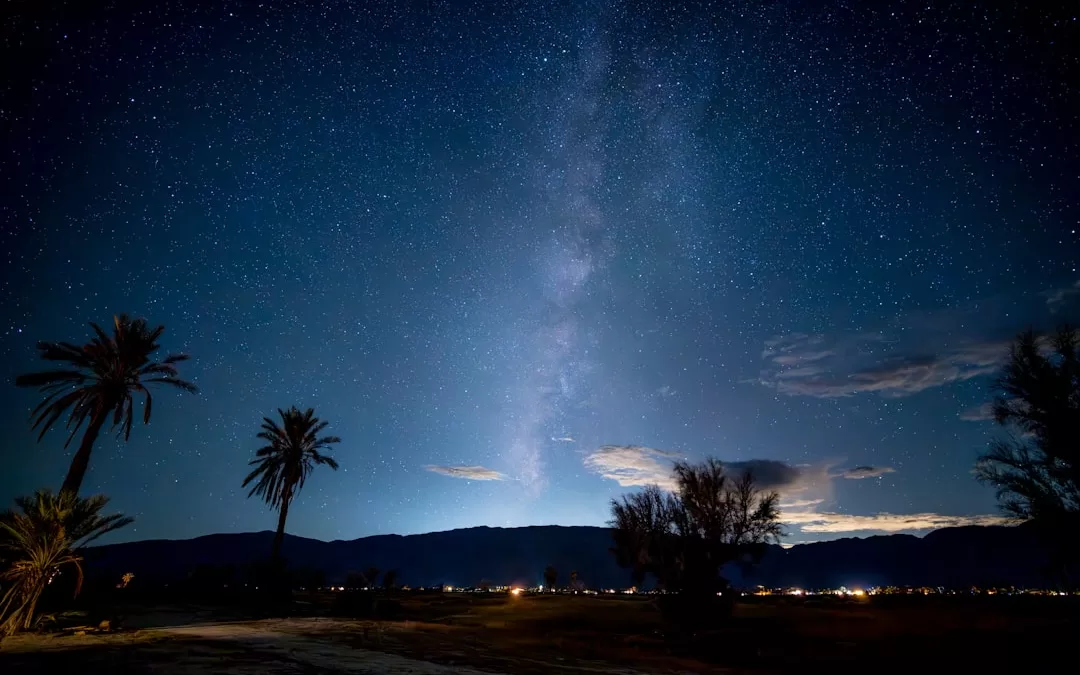
For passionate travelers and night-sky photographers, few experiences rival the serenity and awe of standing under a clear, star-filled sky. Stargazing has become an essential pursuit for wanderers seeking both adventure and tranquility. Over eight years of chasing dark skies across the globe, travelers and astronomy enthusiasts have discovered remote, breathtaking locations that redefine how we connect with nature after sunset. In this post, we’ll explore some of the world’s top destinations for stargazing, how to plan your trip to the darkest skies, and the tools and techniques that will make every celestial adventure unforgettable.
If you’ve ever wondered where to witness the brilliance of the Milky Way away from city lights, this comprehensive guide reveals the best stargazing spots on Earth. From the dry desert valleys of Chile to the volcanic summits of Hawaii, we’ll break down why each location shines above the rest. Whether you’re a photographer, astronomer, or simply a curious traveler looking for wonder, this guide delivers inspiration and practical advice drawn from Outside Online’s ‘Best Places for Stargazing’ and expanded with expert insights to help you plan your own cosmic journey.
1. Exploring the World’s Best Stargazing Spots
Atacama Desert, Chile: The Pinnacle of Cosmic Clarity
The Atacama Desert is widely regarded as one of the clearest and driest places on Earth, offering unmatched transparency for stargazing. With over 300 cloudless nights per year and minimal light pollution, it’s home to major observatories such as ALMA and Paranal. Travelers can visit nearby San Pedro de Atacama, where guided night-sky tours provide an unforgettable introduction to southern hemisphere constellations.
Mauna Kea, Hawaii: Stargazing from the Summit
Rising nearly 14,000 feet above sea level, Mauna Kea stands as a natural observatory that attracts astronomers from across the globe. The altitude, isolation, and dry air combine to create exceptional viewing conditions. Although the summit is sacred to Native Hawaiians, visitors can access designated areas for stargazing after dark, making it one of the most respectful and inspiring places to connect with the cosmos.
Namib Desert, Namibia: Africa’s Celestial Canvas
The Namib Desert, one of the planet’s oldest, is a hidden gem for night-sky travelers. Its International Dark Sky Reserve status guarantees pristine conditions. The surreal landscapes of Sossusvlei and Deadvlei create a surreal background for astrophotography, where the Magellanic Clouds and the Milky Way stretch vividly across the southern African sky.
2. What Makes a Great Stargazing Destination
Stargazing destinations share a few consistent characteristics that make them ideal for astronomical observation. Understanding these factors helps travelers choose the perfect location for their night under the stars.
Low Light Pollution
For the best results, seek areas with minimal artificial lighting. Dark-sky reserves are certified regions that protect natural nightscapes from urban glow. Apps like “Light Pollution Map” or “Dark Sky Finder” make it easy to identify remote, light-free areas for your next trip.
Altitude and Climate
High-altitude destinations like Mauna Kea or the Himalayas typically experience less atmospheric distortion, resulting in sharper views. Dry climates, such as deserts, also provide clearer skies due to low humidity levels. These conditions significantly enhance visibility for both the naked eye and telescopic observation.
Accessibility and Sustainability
While isolation creates great stargazing conditions, accessibility matters for travelers. Look for eco-lodges and observatories that balance guest comfort with environmental sustainability. Responsible tourism ensures that these pristine skies remain protected for generations of skywatchers to come.
3. Tools and Gear for the Ultimate Stargazing Experience
Investing in the right equipment enhances your stargazing journey, whether you’re a beginner or an experienced astronomer. Here’s what you’ll need to make every night an unforgettable observation session.
- Binoculars or Telescope: A good pair of binoculars offers a surprisingly detailed look at star clusters and nebulae, while telescopes provide a closer view of deep-sky objects.
- Sturdy Tripod: For astrophotography, a reliable tripod keeps your camera stable during long exposures.
- Star Map or Mobile App: Use digital apps like Stellarium or Sky Guide to identify constellations, planets, and galaxies.
- Warm Clothing and Snacks: Night temperatures drop quickly in remote areas, so comfort is essential for long sessions.
Astrophotography Tips
When photographing the night sky, set your camera to manual mode with a wide aperture (f/2.8 or lower) and a long exposure time (around 15-25 seconds). Keep your ISO as low as possible while maintaining brightness. Use a remote shutter release or self-timer to prevent motion blur.
4. Seasonal Stargazing and the Best Times to Travel
Every hemisphere and season offers unique celestial events. Knowing when and where to travel optimizes your stargazing adventure.
Winter Nights in the Northern Hemisphere
From December through February, long nights and dry air create perfect viewing conditions in regions like northern Chile, Utah’s canyon lands, or Iceland. The **Orion Nebula**, **Pleiades**, and the vivid **Aurora Borealis** dominate winter skies.
Southern Hemisphere Summer
From June to August, southern latitudes like Australia, Namibia, and Chile showcase the Galactic Center of the Milky Way. The clarity during these months reveals magnificent detail for stargazers and photographers alike.
Special Astronomical Events
Time your trip around notable sky events such as meteor showers, eclipses, or planetary alignments. The Perseid Meteor Shower in August and the Geminid Shower in December are annual highlights for enthusiasts across the globe.
5. Conservation and the Future of Dark Skies
Preserving natural nightscapes is crucial to both the environment and human wellbeing. The rapid spread of artificial lighting harms ecosystems and obscures our view of the stars.
The Role of Dark-Sky Reserves
Organizations like the International Dark-Sky Association (IDA) certify areas that take active steps to minimize light pollution. Locations such as Aoraki Mackenzie in New Zealand and Jasper National Park in Canada are shining examples of sustainable night-sky protection.
Travelers’ Role in Light Conservation
As stargazers and travelers, we can choose accommodations that support light management, use red lights during night photography, and educate others about responsible nighttime tourism. Every small step preserves the magic of natural darkness.
6. Planning Your Stargazing Adventure
Whether it’s your first or fiftieth stargazing expedition, careful planning ensures a smoother and more fulfilling experience. From choosing destinations to managing logistics, here’s how to prepare for your next cosmic adventure.
- Research Locations: Identify places aligned with your celestial interests—planets, Milky Way photography, or meteor showers.
- Check Local Weather: Use reliable forecasts to avoid cloudy nights and enhance your observation opportunities.
- Book Early: Many observatories and lodges in popular regions have limited capacity, especially during event-filled nights.
- Respect Local Cultures: Many stargazing destinations hold cultural significance, so it’s vital to observe with respect and mindfulness.
Combining Stargazing with Adventure Travel
The most memorable journeys blend astronomical observation with nature exploration. Hike by day, stargaze by night — in destinations like Chile’s Elqui Valley or Utah’s canyon country, adventure meets cosmic clarity in extraordinary harmony.
Conclusion: Your Journey Beyond the Stars
From the windswept deserts of Namibia to the volcanic peaks of Hawaii, stargazing reveals the profound connection between Earth and the cosmos. These top stargazing spots not only inspire wonder but remind us of the delicate beauty of dark skies that must be protected. By traveling mindfully, equipping ourselves wisely, and timing our trips thoughtfully, we gain more than great photos—we discover perspective, peace, and the universe’s unfiltered brilliance.
To explore a detailed list of world-class destinations, check out Outside Online’s feature on the Best Places for Stargazing for further insight and inspiration for your next night under the stars.
Continue your reading here My Flight One Travel Blog
Enjoy our game while waiting for your flight Fly the plane by My Flight One