

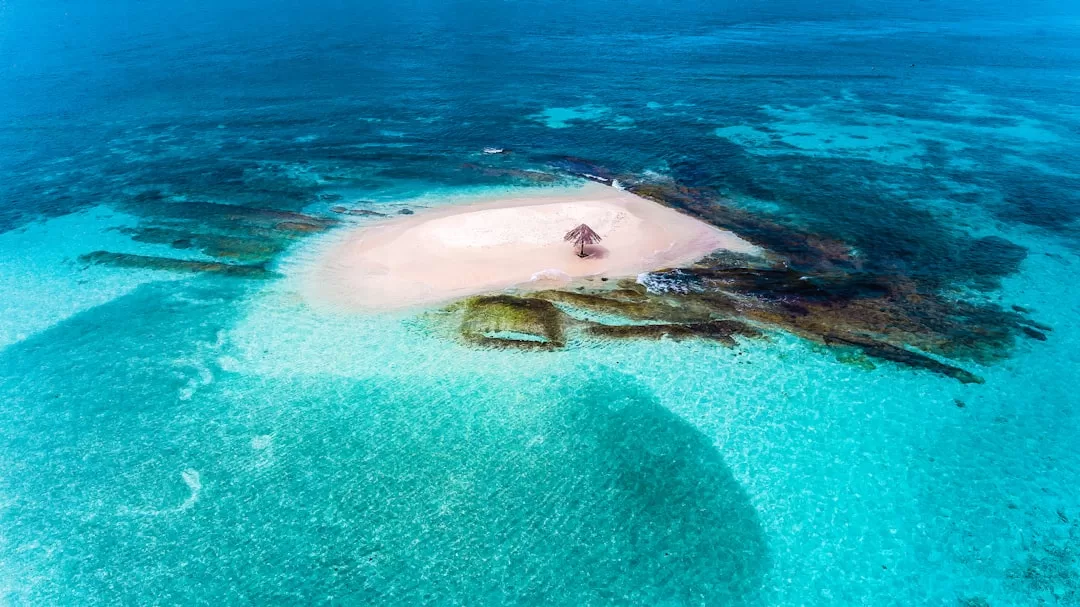
From technicolor coral gardens to mysterious underwater caves, the world’s oceans shelter some of the most breathtaking dive sites on Earth. Whether you’re a beginner exploring shallow reefs or an expert venturing into the abyss, each destination offers a unique experience that merges nature, adventure, and serenity beneath the surface. This post explores six of the world’s most extraordinary places to dive, inspired by travel insights from
BBC Travel, showcasing destinations that capture the true essence of underwater exploration.
Diving isn’t merely about descending into blue depths; it’s about discovering new worlds teeming with marine life, geological wonders, and cultural heritage. In this article, readers will find detailed insights into ecosystems shaped over millennia, conservation challenges, and travel tips for safe, sustainable diving practices. Let’s dive into these awe-inspiring underwater worlds waiting to be explored.
1. Great Barrier Reef, Australia – The Ultimate Coral Wonderland
The Great Barrier Reef is often called the “rainforest of the sea,” stretching over 2,300 kilometers along Australia’s northeast coast. This UNESCO World Heritage Site is the planet’s largest coral reef system, home to more than 1,500 species of fish, 400 types of coral, and countless marine creatures from sea turtles to reef sharks.
Dive Highlights
- Agincourt Reef – Known for its crystal-clear visibility and vibrant coral bommies.
- Cod Hole – Famous for friendly potato cods interacting with divers.
- Osprey Reef – A remote site offering spectacular wall dives and pelagic sightings.
Best Time to Visit
The reef’s visibility and weather are ideal between June and November, offering calm seas and warm water temperatures ranging from 24–29°C. For underwater photographers, early mornings provide the best light penetration for capturing coral vibrancy.
Conservation Insight
Environmental sustainability is central to diving here. Visitors are encouraged to support eco-certified operators and follow reef-safe practices. With rising concerns about coral bleaching, responsible diving is key to protecting this natural wonder.
2. Blue Hole, Belize – A Geological Marvel Beneath the Waves
Circular, mysterious, and mesmerizing from above, the Great Blue Hole off the coast of Belize is one of the most iconic dive sites in the world. This sinkhole, over 300 meters across and 125 meters deep, was formed during the last Ice Age and has fascinated divers for decades.
What to Expect
Divers descend through stunning stalactites as light fades, revealing dramatic limestone formations shaped over thousands of years. Caribbean reef sharks and midnight parrotfish often patrol the perimeter, adding to the mystique. The Blue Hole is recommended for advanced divers due to its depth and potential nitrogen buildup.
Dive Tip
Combine your Blue Hole dive trip with visits to surrounding atolls like Half Moon Caye, where marine life flourishes in shallow coral gardens, perfect for snorkelers and novice divers alike.
3. Raja Ampat, Indonesia – Earth’s Epicenter of Marine Biodiversity
Indonesia’s Raja Ampat Archipelago sits in the heart of the Coral Triangle, known as the world’s richest marine ecosystem. The region hosts more than 600 coral species and 1,700 species of fish, making every dive a revelation of color and movement.
Must-See Dive Sites
- Cape Kri – Holds the record for the highest number of fish species recorded in a single dive.
- Blue Magic – Known for manta ray encounters swirling in nutrient-rich currents.
- Arborek Jetty – A shallow site where vibrant soft corals meet local village life above water.
Sustainable Travel Focus
Raja Ampat exemplifies community-based conservation. Local marine protected areas are co-managed by indigenous communities ensuring that ecotourism benefits locals while preserving fragile habitats. Travelers can contribute by paying the Raja Ampat Marine Park Entry Fee, which supports reef protection programs.
4. Silfra Fissure, Iceland – A Dive Between Continents
For divers seeking a once-in-a-lifetime sensation, the Silfra Fissure in Thingvellir National Park offers the surreal experience of swimming between the North American and Eurasian tectonic plates. The rift’s glacial water provides up to 100 meters of visibility, among the clearest on the planet.
Unique Features
Silfra is not about marine life but about geology and light. The glacial meltwater, filtered through volcanic rock, creates a crystal-clear underwater cathedral where divers float through chasms of intense blues and silvers. The temperature averages 2–4°C, requiring dry suits and professional guidance.
Best Conditions
Dives operate year-round, though summer offers longer daylight and milder air temperatures. Underwater photographers adore the refracted sunlight dancing across Silfra’s rock walls, creating stunning compositions.
5. The Red Sea, Egypt – Coral Kingdom of the Desert
Framed by Egypt’s arid mountains, the Red Sea harbors some of the world’s most accessible and visually stunning reef systems. Its warm, calm waters make it a year-round paradise for divers of all levels.
Exciting Dive Destinations
- Ras Mohammed National Park – Renowned for lush coral gardens and dramatic drop-offs.
- SS Thistlegorm Wreck – A haunting World War II shipwreck teeming with marine life.
- Brothers Islands – A hotspot for oceanic whitetip and hammerhead shark encounters.
Practical Tips
The best diving conditions are from March to June and September to November, offering stable water temperatures (25–29°C) and abundant plankton blooms attracting larger predators. Many liveaboard trips depart from Hurghada or Marsa Alam, providing access to remote reef systems.
6. Galápagos Islands, Ecuador – Diving Among Evolution’s Masterpieces
The Galápagos Islands are a living laboratory of evolution, where underwater encounters redefine what’s possible in diving. These remote volcanic islands sit where several ocean currents converge, creating astonishing biodiversity.
Top Dive Spots
- Darwin and Wolf Islands – Famed for schools of hammerhead sharks and the occasional whale shark.
- Punta Vicente Roca – Cold, nutrient-rich waters attract mola molas and penguins.
- Gordon Rocks – Known for strong currents and abundant schools of eagle rays.
Dive Challenges
The Galápagos are not for beginners. Strong currents, cold thermoclines, and unpredictable visibility mean divers should have advanced certification. The payoff? Encounters with marine species found nowhere else on Earth.
Conservation Importance
As a UNESCO World Heritage Site and marine reserve, the Galápagos represent a careful balance between tourism and preservation. Park fees fund ongoing research and habitat protection, reminding visitors that every dive contributes to conservation.
Why These Dive Sites Stand Out
These six destinations share more than beauty—they embody humankind’s connection to the planet’s blue heart. Each site offers an opportunity to witness fragile ecosystems that rely on our respect and responsible exploration. From coral reefs to polar fissures, these underwater worlds demonstrate how geography, climate, and biology intertwine to create unique wonders.
Sustainable Diving Practices
- Choose eco-certified dive operators committed to reef protection.
- Use reef-safe sunscreen to avoid chemical damage to corals.
- Practice neutral buoyancy to prevent accidental reef contact.
- Support local conservation projects whenever possible.
Conclusion: The Call of the Deep Blue
As global travel continues to evolve, diving remains one of the most transformative experiences available to nature enthusiasts. These six diving destinations—from Australia’s vast coral networks to Iceland’s icy fissure—represent both the fragility and resilience of our planet’s marine environments.
Whether you’re planning your next dive trip or simply dreaming of ocean adventures, remember that every descent is an opportunity to connect deeply with the natural world. By choosing sustainable practices and spreading awareness, divers help preserve these extraordinary underwater places for generations to come.
For more inspiration and the original feature, visit
BBC Travel: Six of the World’s Most Extraordinary Places to Dive.
