

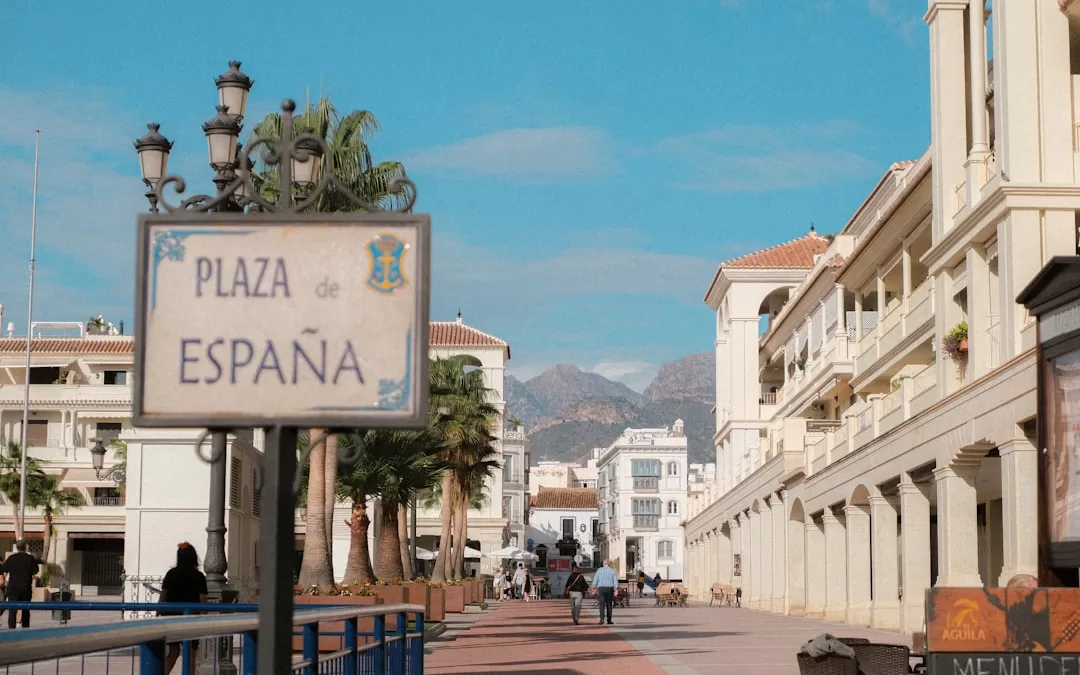
Spain has emerged as the shining star of European travel, driven by a complex blend of global geopolitical shifts, changing traveler preferences, and the country’s enduring cultural magnetism. According to an insight-rich analysis by Travel and Tour World, the recent Spanish tourism surge is not just a seasonal rebound—it’s a powerful transformation that’s redefining Europe’s travel landscape. In this post, we’ll explore how Spain’s tourism industry is capitalizing on global travel trends, what’s driving the surge, and how it’s shaping the future of European tourism.
Readers will uncover how global tensions, flight rerouting, and traveler sentiment are directing visitors toward Spain, making it the continent’s top choice for holidaymakers and business travelers alike. We’ll dive into the strategies Spain employs, from sustainable practices to the evolution of its hospitality infrastructure, spotlighting why this Mediterranean marvel is set to remain Europe’s hottest destination for years to come.
Spain’s Tourism Boom: The Global Context Behind the Surge
The remarkable rise in Spanish tourism stems from a convergence of global and local factors. Uncertain geopolitical climates in the Middle East have shifted traveler interest toward safer, stable, and culturally rich destinations in Europe. Spain, with its deep cultural roots, modern amenities, and proven safety record, checks all the boxes.
Geopolitical Shifts Influencing European Travel
Tensions in the Middle East have disrupted traditional travel corridors that historically benefited countries such as Egypt and Turkey. Airlines are rerouting flights, altering travel logistics, and influencing where leisure and business travelers invest their time. Spain, conveniently located and bathed in a welcoming climate year-round, benefits directly from this regional redirection.
Economic and Logistical Advantages
The combination of Spain’s affordability, compared to Northern Europe, and its robust transportation network—high-speed trains, efficient airports, and connected coastal routes—makes it an accessible hub for diverse travelers. While global uncertainty deters some destinations, Spain’s stability and openness provide assurance to visitors seeking reliability and premium experiences.
The Cultural Allure that Keeps Spain Ahead
Spain’s magnetic charm lies in the richness of its culture—a blend of history, gastronomy, music, and lifestyle that’s both timeless and modern. From bustling Madrid to sun-drenched Andalusia, every region offers immersive experiences that satisfy the modern traveler’s hunger for authenticity.
Heritage Tourism: A Key Engine of Growth
Centuries-old landmarks such as the Alhambra, Sagrada Família, and Seville Cathedral remain international icons. But beyond the architectural grandeur, Spain’s dedication to preserving local customs and traditions strengthens its position as a cultural epicenter.
A Culinary Renaissance
Food tourism is another major catalyst behind the tourism surge. The rise of Michelin-starred dining, farm-to-table concepts, and gastronomic festivals across San Sebastián, Valencia, and Barcelona has transformed Spain into a gourmet haven. Culinary innovation is now an integral pillar of Spain’s national tourism strategy.
How Sustainable Tourism Is Redefining Visitor Experiences
Modern travelers are increasingly conscious of sustainability. Spain’s forward-thinking policies in eco-tourism and green travel contribute significantly to its rebranding as a responsible destination.
Eco-Friendly Accommodation and Energy Use
Spain’s hospitality industry has integrated sustainable practices across hotels, resorts, and travel services. Solar-powered hotels, locally sourced amenities, and carbon-reduction tourism initiatives demonstrate Spain’s leadership in aligning with global environmental objectives.
Rural and Nature-Based Tourism
The rise in interest toward rural holidays—such as in Galicia, Asturias, or the Pyrenees—shows the expanding definition of Spanish tourism beyond beaches and cities. Nature-rich escapes attract European travelers seeking tranquility, adventure, and community-driven tourism experiences.
Air and Infrastructure Developments Supporting the Surge
Spain’s ascendancy as Europe’s hottest travel hub is not mere coincidence. The country’s infrastructure investments, both physical and digital, support its status as a global tourist magnet.
Aviation and Rerouting Advantages
With airlines reconfiguring routes to bypass tension zones in the Middle East, many international carriers increase their focus on Spain’s major airports—Madrid-Barajas and Barcelona-El Prat—as primary European gateways. This rerouting creates new opportunities for stopovers and longer stays, fueling local tourism spending.
Smart Tourism and Digital Platforms
Embracing innovation, Spain’s tourism boards leverage AI-driven travel planning tools, immersive VR experiences, and digital storytelling platforms to engage a global audience. These technological advancements bolster the traveler’s journey from inspiration to booking.
The Role of Marketing and Strategic Partnerships
Behind the growth narrative stands a deliberate, well-coordinated campaign led by Spain’s national and regional tourism bodies. Strategic branding has made “Visit Spain” synonymous with vibrancy, safety, and warmth.
Targeted Campaigns and Diverse Markets
Through multilingual outreach and high-impact digital marketing, Spain targets key visitor markets including the UK, Germany, the US, and emerging Middle Eastern travelers. Campaigns highlight balance—sun-soaked coastal escapes paired with cultural enrichment. This diversified approach boosts resilience and keeps momentum strong even during regional disruptions.
Collaborations with Airlines and Hotel Chains
Partnerships among tourism boards, airlines, hotel groups, and local councils ensure cohesive growth. Specialized packages, loyalty programs, and cross-promotional efforts cement Spain’s appeal among both leisure and business markets.
Predictions for Spain’s Travel Industry in 2025 and Beyond
If current trends persist, Spain’s tourism industry is poised for record-breaking figures in the upcoming travel seasons. Analysts predict exponential growth in revenue per tourist and a sustained increase in long-haul arrivals.
- Cultural hybridization will encourage new festival concepts, art collaborations, and global culinary events.
- Remote work visa programs may attract long-term digital nomads, adding a new dimension to the visitor economy.
- Investment in rural infrastructure will broaden Spain’s tourism footprint geographically, balancing coastal and inland development.
- AI-enhanced travel experiences will optimize itineraries and improve destination management systems.
Conclusion: Why Spain Holds Europe’s Tourism Crown
Spain’s rise as Europe’s travel leader symbolizes more than a short-term response to geopolitical change—it is a testament to resilience, adaptability, and cultural wealth. The country’s perfect mix of climate, cuisine, and connectivity positions it as a powerhouse in global tourism. As external factors continue to reshape travel flows, Spain’s stable infrastructure and human-centered experiences ensure sustainable growth.
Ultimately, Spain isn’t just riding a wave—it’s steering it. For travelers seeking authenticity and for investors watching the travel sector transform, Spain represents both inspiration and opportunity. The Travel and Tour World analysis confirms what the data and sentiment already show: Spain’s tourism dominance is not a trend; it’s the new European standard.
For more on Europe’s shifting travel landscape and how neighboring destinations are evolving, explore France Leads the Charge as Global Tourism Reignites or dive into regional trends in Off-Peak Escapes Redefining European Travel Year-Round.
Continue your reading here My Flight One Travel Blog
Enjoy our game while waiting for your flight Fly the plane by My Flight One
