

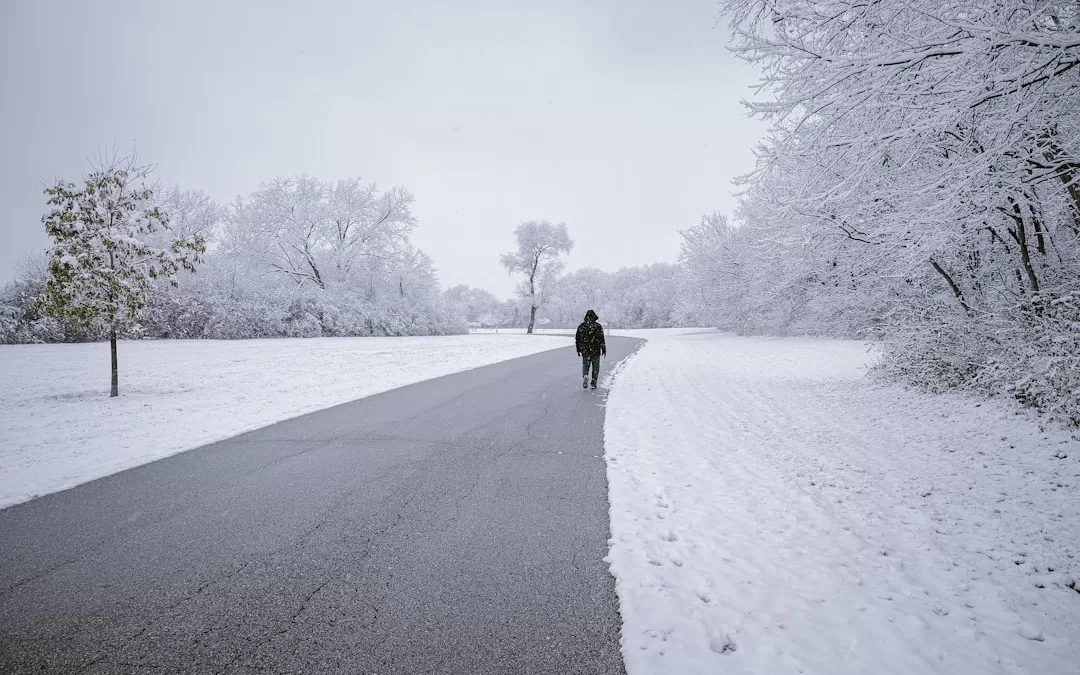
As winter approaches, the travel landscape in the United States is shifting, with new hotspots drawing visitors eager to experience cozy mountain escapes, cultural city adventures, and coastal retreats. According to fresh data from Airbnb, more travelers are seeking out unique and experience-driven destinations rather than traditional winter getaways. This new trend reveals how travel preferences continue to evolve—thanks to remote work flexibility, climate-conscious choices, and the allure of local authenticity.
In this article, we explore the latest insights from Airbnb’s report on trending U.S. destinations for winter travel, highlighting top emerging markets, traveler motivations, and what these patterns mean for the broader travel industry. Whether you’re a digital nomad, a family planner, or a ski enthusiast, this guide will help you discover where Americans are heading this season—and why. To view the original Airbnb-based analysis, visit The Digest Online’s Travel Report.
Winter Travel Trends in the United States
The rise in domestic winter travel reflects a growing shift toward personalization and regional discovery. Many Americans now prefer staying within the U.S., exploring small towns or lesser-known regions with rich cultural experiences.
1. The Era of Short-Haul Excursions
Airbnb data indicates a significant growth in short-haul bookings—typically within 300 miles of travelers’ homes. These trips are not only more sustainable but also more manageable during uncertain weather conditions.
- Travelers are choosing long weekends over extended holidays.
- Local attractions and hidden gems are being rediscovered.
- Demand for last-minute accommodations is rising.
2. The Remote Work Effect
Another factor contributing to this winter’s travel surge is work-from-anywhere flexibility. Guests are merging vacation and productivity time in quieter destinations that provide both scenic beauty and reliable connectivity.
Top U.S. Destinations Surging for Winter Travel
According to Airbnb’s most recent report, several mid-sized and nature-driven destinations are ranking high in traveler searches. These areas combine accessibility, affordability, and immersive experiences, making them attractive alternatives to conventional options.
1. Mountain Towns on the Rise
Destinations in the Rockies and Appalachian regions have experienced a notable upswing. Unlike traditional ski-only towns, newer winter hotspots offer a mix of hiking, culinary culture, and community-led events.
- Bozeman, Montana – A hub for outdoor adventurers seeking balance between nature and nightlife.
- Brevard, North Carolina – An emerging Blue Ridge gem loved for its waterfalls and art scene.
- Truckee, California – Offering easy access to Lake Tahoe and year-round outdoor recreation.
2. Coastal Escapes and Warmer Climates
For those seeking milder weather, Southern and coastal destinations remain in high demand. Scenic drives, water activities, and cultural festivals make these spots attractive to both retirees and families.
- Sarasota, Florida – Known for white-sand beaches and thriving local art galleries.
- Galveston, Texas – Mixing coastal charm with Victorian architecture and Gulf Coast cuisine.
- Hilton Head, South Carolina – A classic destination gaining renewed attention for its eco-tourism initiatives.
Traveler Motivations Behind the Shift
Understanding *why* travelers are heading to these trending locations sheds light on current attitudes toward leisure, sustainability, and connection. Airbnb’s data reveals some common motivations among American winter explorers.
1. Seeking Serenity over Spectacle
More travelers are searching for quiet, restorative experiences, as opposed to bustling urban vacations. The focus on mental well-being continues to shape the travel industry’s offerings—from wellness lodges to digital detox retreats.
2. Value-Driven Decision Making
Economic factors play an essential role as well. With inflation and travel costs rising, many guests are opting for extended stays in smaller markets where they can enjoy luxury at lower prices.
- Longer booking windows allow for better budget management.
- Multi-generational family trips are being planned with cost-efficiency in mind.
- Hosts offering special amenities, such as kitchens and pet-friendly policies, are seeing increased bookings.
3. Prioritizing Authentic Local Experiences
In today’s marketplace, experiences are the new currency. Travelers want to live like locals, engaging with regional food, cultural festivals, and community-led tours. This shift benefits local economies and encourages sustainable tourism practices.
Implications for the Travel and Hospitality Industry
The surge in these new winter destinations carries broader implications for both hosts and travel stakeholders. Businesses must adapt to changing consumer behaviors with flexible offerings and improved digital presence.
1. Airbnb Hosts and Micro-Entrepreneurship
Hosts in emerging regions stand to benefit significantly. Airbnb’s data shows that local hosts in trending cities have experienced year-over-year booking increases as high as 40%. Strategic investment in guest amenities, interior quality, and digital responsiveness is crucial.
2. Destination Marketing Opportunities
Tourism boards should seize this momentum by creating targeted winter campaigns centered on culture, cuisine, and eco-friendly activities. Highlighting niche attractions—rather than oversaturated landmarks—positions destinations more competitively.
3. Sustainable Travel Initiatives
The emphasis on small-town and mid-size destinations aligns with sustainability goals. Reducing pressure on overcrowded tourist hubs preserves natural environments and spreads economic benefits across regional communities.
How Travelers Can Maximize Their Winter Getaways
With diverse destinations on the rise, savvy travelers can enhance their winter experiences through practical planning and local engagement strategies.
- Book Early: Emerging destinations fill up quickly as word spreads online.
- Research Local Experiences: From farm-to-table dining to guided nature excursions, unique seasonal activities define each area.
- Prioritize Flexibility: Weather and travel conditions may vary; flexible booking options ensure smoother journeys.
- Support Local Businesses: Choosing independent accommodations and eateries directly contributes to local development.
Winter Travel Takeaways and Future Outlook
The current shift toward domestic, experience-based winter travel shows no signs of slowing down. As travelers continue to embrace flexibility and meaningful exploration, the American travel map is being redrawn in real time. Smaller cities and nature-forward communities are thriving thanks to renewed interest in authenticity and sustainability.
Looking ahead, experts predict continued growth in “micro-destinations”—locations that blend accessibility with character. With digital nomadism, multigenerational travel, and eco-conscious planning at the forefront, these trends will shape how the hospitality industry evolves over the next several years.
Conclusion
This winter marks a defining moment for U.S. travel. From mountain towns like Bozeman to coastal escapes such as Hilton Head, travelers are rediscovering America through a new lens—one shaped by values of connection, flexibility, and purpose. Platforms like Airbnb make it easier than ever to find personalized stays that reflect today’s traveler mindset.
To dive deeper into the data and explore the full analysis, check out the original report at The Digest Online. Whether you’re planning your next getaway or exploring new opportunities in hospitality, understanding these trends can help you make the most of the evolving winter travel season.
Continue your reading here My Flight One Travel Blog
Enjoy our game while waiting for your flight Fly the plane by My Flight One