

Vietnam’s remarkable rise as a top travel destination is capturing global attention, and by 2026, the country is forecasted to be one of Asia’s most sought-after holiday spots. From pristine beaches and vibrant cities to ancient temples and lush highlands, travellers are discovering that Vietnam perfectly balances cultural richness, safety, and affordability. According to a recent report from The Tribune India, Vietnam’s tourism boom shows no signs of slowing down — a sign that global travellers are embracing both the charm and stability the nation has to offer.
In this post, we explore the forces driving Vietnam’s tourism boom, why travellers are choosing this safe and dynamic destination, and what makes it an emerging powerhouse for both leisure and business travel. We’ll also reveal how Vietnam continues to build its reputation as one of the world’s safest travel destinations—a critical factor in shaping modern travel choices.
Vietnam Tourism Boom 2026: A New Era of Global Travel
Vietnam is entering a golden age of tourism. A combination of progressive policies, strategic infrastructure investments, and strong international promotion has positioned the country at the forefront of Asia’s travel rebound. The tourism sector contributes over 9% to the national GDP and continues to grow steadily each year.
Post-Pandemic Recovery and Growth
After the travel disruptions of the early 2020s, Vietnam emerged as one of the region’s most resilient tourism economies. Its quick reopening and well-managed public health protocols provided reassurance to cautious travellers seeking safe yet adventurous destinations. The government’s tourism master plan aims to attract 35 million international visitors by 2026, rivaling leading regional destinations like Thailand and Indonesia.
Infrastructure and Accessibility
Major upgrades to international airports in Hanoi, Ho Chi Minh City, and Da Nang have expanded capacity and improved traveller experience. The expansion of highway networks and the introduction of smart tourism initiatives have also made it easier to explore both urban centres and off-the-beaten-path destinations. These infrastructural advancements fuel the Vietnam tourism boom by enabling seamless connectivity across the country.
Why Vietnam Is Among the World’s Safest Destinations
Safety has become a key factor influencing travel decisions. Families, solo adventurers, and digital nomads alike prioritize security, cleanliness, and stable governance when selecting destinations. Vietnam consistently ranks among the safest countries in Southeast Asia due to its low crime rates, friendly local communities, and effective public administration systems.
Low Crime Rate and Cultural Courtesy
Vietnamese cities are known for their hospitality and respect for foreigners. Street crime is minimal, and local people are quick to help travellers. Safety-conscious visitors find reassurance in the calm urban environments, even in major cities like Hanoi and Ho Chi Minh City. This social stability contributes to Vietnam’s reputation as a peaceful and trustworthy destination.
Health and Environmental Safety
Vietnam’s public health infrastructure has improved dramatically, with the government emphasizing hygiene and environmental sustainability. The country’s focus on eco-friendly tourism—reducing plastic usage, protecting national parks, and promoting clean energy—is a testament to its long-term commitment to a safe and healthy travel ecosystem.
Top Attractions Fueling the Vietnam Tourism Boom
From world-famous UNESCO sites to hidden natural gems, Vietnam’s tourism landscape is incredibly diverse. Travellers can immerse themselves in every aspect of the country’s beauty—from spiritual journeys to culinary adventures.
World Heritage and Cultural Treasures
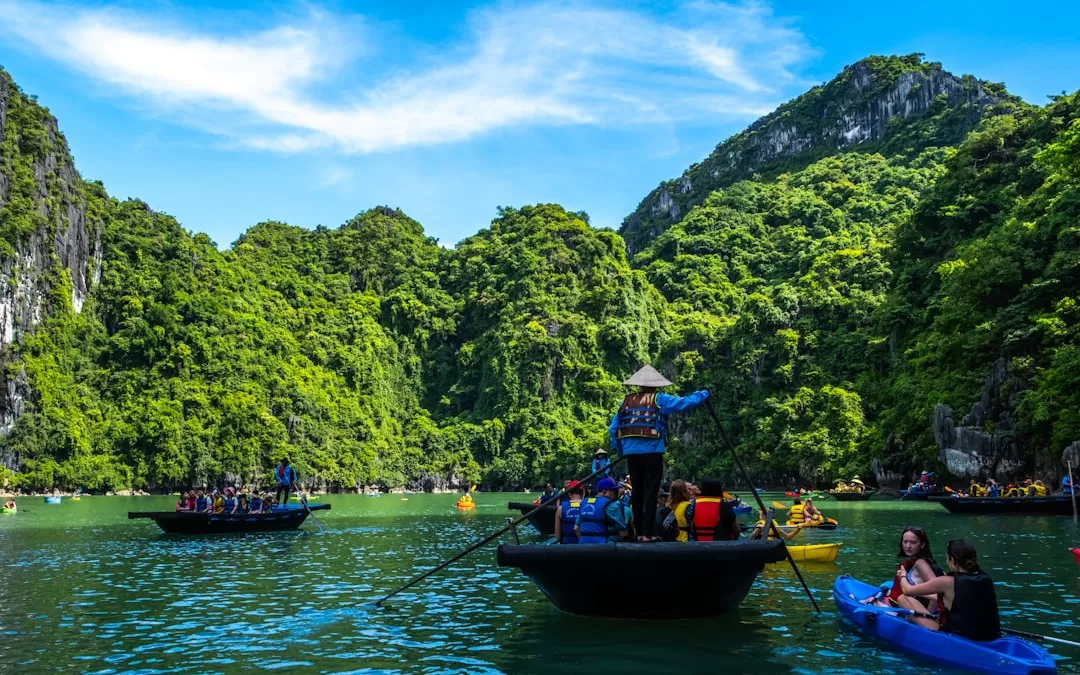
- Ha Long Bay: Iconic limestone karsts emerging from emerald waters, perfect for cruises and kayaking.
- Hoi An Ancient Town: A beautifully preserved trading port, known for lantern-lit streets and artisan markets.
- Hue Imperial City: Historical charm combined with royal architecture and deep cultural resonance.
Modern Escapes and Urban Wonders
Vietnam’s cities are vibrant reflections of modern Asia. Ho Chi Minh City boasts a booming art scene, rooftop dining, and bustling nightlife, while Hanoi charms visitors with its lakeside serenity and old-world atmosphere. Meanwhile, coastal hot spots like Da Nang and Nha Trang attract beach lovers and digital nomads seeking balance between work and leisure.
Eco and Adventure Tourism
Beyond cities, Vietnam’s natural landscapes offer an unparalleled experience for adventure travellers. Trekking in the northern highlands of Sapa, exploring the massive caves of Phong Nha–Ke Bang National Park, or cycling through the Mekong Delta are unforgettable experiences. This blend of safe adventure and sustainable exploration reinforces Vietnam’s position as a top eco-travel destination.
Government Strategy Behind Vietnam’s Travel Success
The Vietnamese government’s proactive tourism strategy plays a vital role in its rapid ascent. The “Vietnam 2030 Vision for Tourism” emphasizes not just visitor numbers but sustainability, cultural preservation, and technological integration.
Visa-Friendly Policies
Recent policy changes have simplified visa requirements for citizens of over 25 countries, with plans to expand further by 2026. The implementation of e-visas allows travellers to complete entry processes quickly, aligning with global digital travel trends and removing barriers for spontaneous international visitors.
Promotion of Safe and Sustainable Travel
Vietnam’s tourism ministry is actively promoting responsible travel initiatives. These include eco-resorts, community-based homestays, and locally guided tours that empower rural economies while preserving heritage sites. This synergy between growth and responsibility supports long-term stability in the country’s tourism industry.
Traveller Trends and Insights: Why Vietnam Tops the 2026 Wishlist
Global travellers are becoming more selective about where they spend their money and time. In the post-pandemic era, priorities have shifted toward authentic experiences, wellness, and safety—all of which align with Vietnam’s strengths.
Rise of Digital Nomadism and Wellness Tourism
Vietnam’s affordable cost of living, strong internet infrastructure, and welcoming communities make it a haven for remote workers. The fusion of modern coworking spaces and tranquil surroundings allows professionals to maintain productivity while enjoying an enriching cultural environment. Additionally, spa retreats, wellness resorts, and meditation programs in areas like Da Lat and Phu Quoc cater to travellers seeking mental and physical rejuvenation.
Culinary Tourism Revolution
Vietnam’s cuisine remains one of its strongest tourism magnets. The balance of flavors, use of fresh ingredients, and regional diversity appeal to global food enthusiasts. Street-food tours, cooking classes, and farm-to-table experiences offer a delicious way for travellers to engage deeply with local culture.
How to Experience the Best of Vietnam Safely
Travellers planning a Vietnam trip in 2026 should prepare thoughtfully to make the most of their journey. The good news: navigating Vietnam is easier than ever, thanks to digital resources and welcoming hospitality networks.
Planning and Preparation Tips
- Check visa requirements and apply for an e-visa before arrival.
- Book accommodations with positive verified safety and cleanliness ratings.
- Use reputable tour guides for national park excursions and cultural experiences.
- Embrace local customs; politeness and patience go a long way in fostering friendly interactions.
Travel Seasons and Best Times to Visit
While Vietnam’s climate varies north to south, the best travel months are typically from November to April, offering mild weather and clear skies. Beachgoers might prefer the southern coast during December–March, while cultural explorers may find autumn perfect for northern destinations.
Conclusion: Vietnam’s Bright Future in Global Tourism
Vietnam’s tourism boom is more than a passing trend—it’s the result of deliberate planning, cultural integrity, and a deep commitment to safety. As 2026 approaches, Vietnam is on track to redefine Southeast Asia’s travel landscape by offering an unrivaled combination of safety, sustainability, and spirit.
Whether exploring the limestone cliffs of Ha Long Bay, navigating the lantern-lit streets of Hoi An, or sipping coffee at a rooftop café in Ho Chi Minh City, travellers find the same theme: authenticity and peace of mind. For global wanderers seeking one of the world’s safest and most enchanting destinations, Vietnam is not only an emerging star—it’s a promise of unforgettable discovery.
