
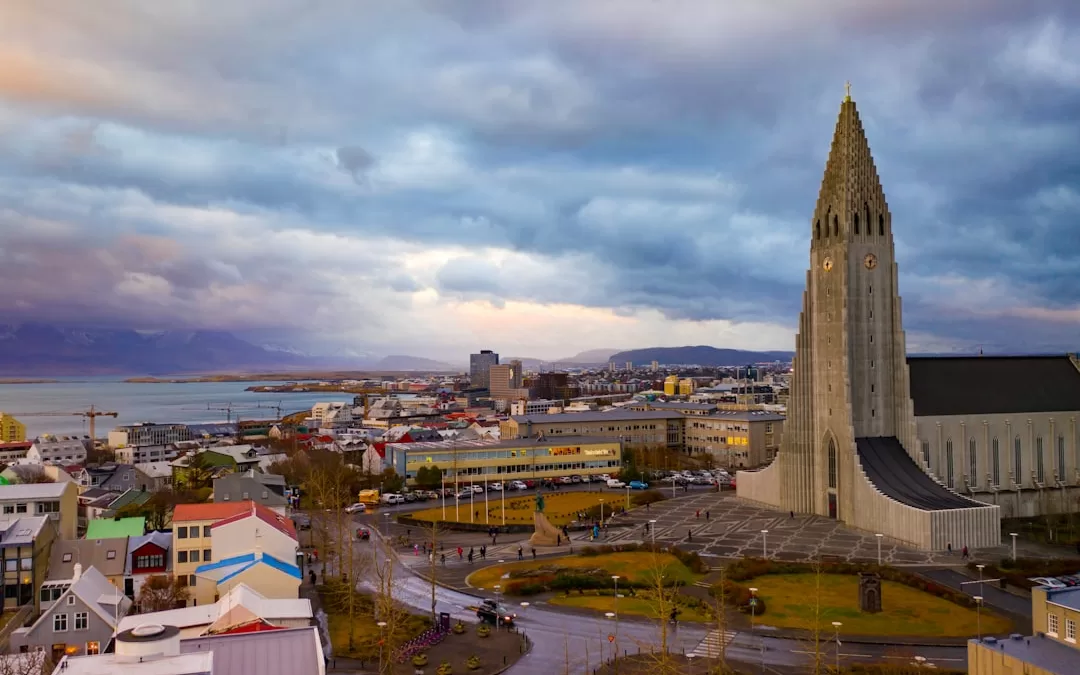
Iceland: The Ultimate Destination for Wellness Enthusiasts

Iceland: The Ultimate Destination for Wellness Enthusiasts

Iceland Ranks Among Top Destinations for Wellness Travel

Nestled between the Atlantic and Arctic Oceans, Iceland is more than just a land of glaciers and geysers—it’s rapidly becoming one of the most sought-after destinations for wellness tourism. As global travelers increasingly prioritize mental rejuvenation, holistic healing, and eco-friendly escapes, Iceland’s untouched landscapes and geothermal wonders create a natural sanctuary for balance and renewal. Recent reports, including one from Iceland Review, confirm that the nation now ranks among the world’s top wellness destinations.

This blog post explores why Iceland is securing global attention in the wellness travel space. You’ll learn what makes the country’s wellness offerings stand out—from geothermal spa culture and sustainable tourism initiatives to holistic retreats and mindfulness adventures. Additionally, we’ll uncover how traveling for wellness in Iceland contributes to both personal well-being and environmental sustainability.

Wellness Travel in Iceland: A Rising Global Trend

Wellness travel focuses on experiences that promote physical, mental, and emotional health. In the post-pandemic era, global travelers have begun to value destinations where they can disconnect from digital noise and reconnect with nature. Iceland’s pristine environment, characterized by thermal lagoons, vast hiking trails, and low population density, perfectly fits the modern wellness traveler’s wishlist.

The Wellness Tourism Boom

According to recent wellness tourism market analyses, travelers increasingly choose destinations that integrate relaxation, adventure, and nature. Iceland stands at the forefront of this shift, boasting world-class infrastructure coupled with untouched landscapes that naturally invite meditation and calm.

  • Pure air and water: Iceland’s environment remains one of the cleanest in the world.
  • Balanced adventure: From glacier walks to forest bathing, every experience rejuvenates mind and body.
  • Holistic hospitality: Wellness-centric resorts emphasize both physical health and emotional renewal.

Global Recognition for Iceland

The recent article by Iceland Review highlights Iceland’s inclusion on prestigious wellness travel lists, reaffirming its global reputation. This recognition doesn’t come as a surprise to seasoned travelers who’ve experienced its geothermal healing and serene landscapes firsthand.

Geothermal Wonders and Spa Culture

Iceland’s volcanic geology fuels an endless network of hot springs and geothermal spas that form the cornerstone of its wellness travel experience. These natural spas, enriched with minerals like silica and sulfur, offer therapeutic benefits ranging from improved skin health to stress reduction.

The Legendary Blue Lagoon

Few wellness attractions in the world rival the fame of the Blue Lagoon. Set against a backdrop of volcanic landscapes, this geothermal spa is renowned for its milky-blue waters and rejuvenating treatments. Visitors can indulge in mineral-rich masks, soak in warm waters year-round, and enjoy premium spa amenities within striking proximity to Reykjavík.

Hidden Hot Springs and Local Gems

Beyond popular sites, Iceland offers numerous lesser-known geothermal escapes that appeal to wellness purists seeking solitude. Spots like the Secret Lagoon in Flúðir or the Mývatn Nature Baths offer equally serene experiences with fewer crowds. Many wellness travelers plan itineraries that mix famous attractions with off-grid locations for a truly balanced retreat.

Nature’s Healing Power: Exploring the Outdoors Mindfully

Iceland’s dramatic landscape is a wellness sanctuary in itself. Mountains, waterfalls, and vast plains encourage slow travel and immersive connection with the natural world—a core principle of wellness tourism.

Hiking for Mindfulness

Hiking in Iceland isn’t just about reaching scenic summits—it’s a mindful practice. Trails like the Laugavegur and Fimmvörðuháls routes offer sensory immersion through breathtaking ecosystems. Travelers often describe hikes here as meditative, helping them shift from daily stress to a state of presence and gratitude.

Forest Bathing in Nordic Landscapes

While Iceland is known for its expansive lava fields and glaciers, reforestation initiatives have led to emerging green havens ideal for forest bathing. This Japanese-inspired wellness activity, involving slow walking through wooded areas, enhances emotional clarity and lowers cortisol levels.

Sustainable and Ethical Wellness Tourism

Sustainability lies at the heart of Icelandic culture. The nation’s commitment to renewable energy and responsible tourism perfectly aligns with the values of eco-conscious wellness travelers. In Iceland, wellness is not merely a personal pursuit—it reflects a broader connection between human well-being and environmental care.

Eco-Friendly Retreats and Conscious Travel

Many Icelandic lodging options integrate sustainability into their wellness programs. Eco-lodges and retreat centers often rely on geothermal power and serve organic, locally sourced meals. Some even incorporate educational sessions on sustainable living, helping visitors extend their wellness journey beyond their stay.

  • Geothermal energy powers most establishments sustainably.
  • Minimal-impact travel practices reduce over-tourism footprint.
  • Visitors are encouraged to respect natural spaces and local communities.

Holistic Wellness Experiences and Retreats

In addition to its natural assets, Iceland boasts a growing number of structured wellness retreats. These range from yoga and meditation getaways to Arctic spa programs that blend tradition with modern science. Each program is curated to harmonize bodily health with emotional renewal.

Yoga and Mindfulness Retreats

Yoga retreats in Iceland combine physical practice with the serenity of nature. Morning flows by waterfalls, meditation sessions by geothermal pools, and breathwork surrounded by Iceland’s immense quietude present spaces for spiritual centering. These experiences attract travelers from across Europe and North America seeking reconnection through movement.

Arctic Spa Therapies

Several luxury resorts now offer spa treatments inspired by local ingredients—seaweed wraps, lava stone massages, and hot-cold contrasts using thermal and ice elements. These treatments reflect Iceland’s dual nature: fire and ice working in equilibrium to restore inner balance.

Creating a Personalized Wellness Journey in Iceland

Every traveler’s path to well-being is unique. In Iceland, the beauty lies in versatility—whether travelers seek adventure, introspection, or simple rest. Crafting a personalized itinerary enhances the overall wellness experience.

  1. Start with geothermal immersion: Visit a mix of iconic and hidden hot springs to soothe the body.
  2. Incorporate mindful adventure: Include hikes, glacier walks, or horseback riding infused with intention and presence.
  3. Choose sustainable stays: Support eco-lodges that align with wellness and conservation principles.
  4. End with reflection: Dedicate time for journaling or silent retreats to internalize the experience.

Tips for First-Time Wellness Travelers to Iceland

For newcomers to Icelandic wellness travel, timing and preparation matter. The summer months provide longer days ideal for outdoor wellness practices, while winter’s quiet offers profound opportunities for solitude and Northern Lights meditation. Carry eco-friendly gear, stay hydrated, and always honor local customs when using natural springs.

Conclusion: Iceland as the Future of Wellness Travel

As the global wellness tourism industry continues its rise, Iceland stands as a beacon of natural healing, sustainability, and transformative experience. The island’s geothermal landscapes, mindful retreats, and eco-conscious hospitality collectively form one of the most holistic wellness ecosystems in the world. Whether for relaxation, renewal, or reconnection with the Earth, Iceland delivers a rare blend of authenticity and serenity.

For travelers seeking destinations that nourish both the self and the planet, Iceland is more than a destination—it’s a wellness revolution in motion. To learn more about its growing recognition, visit Iceland Review’s full article here.

Continue your reading here My Flight One Travel Blog
Enjoy our game while waiting for your flight Fly the plane by My Flight One

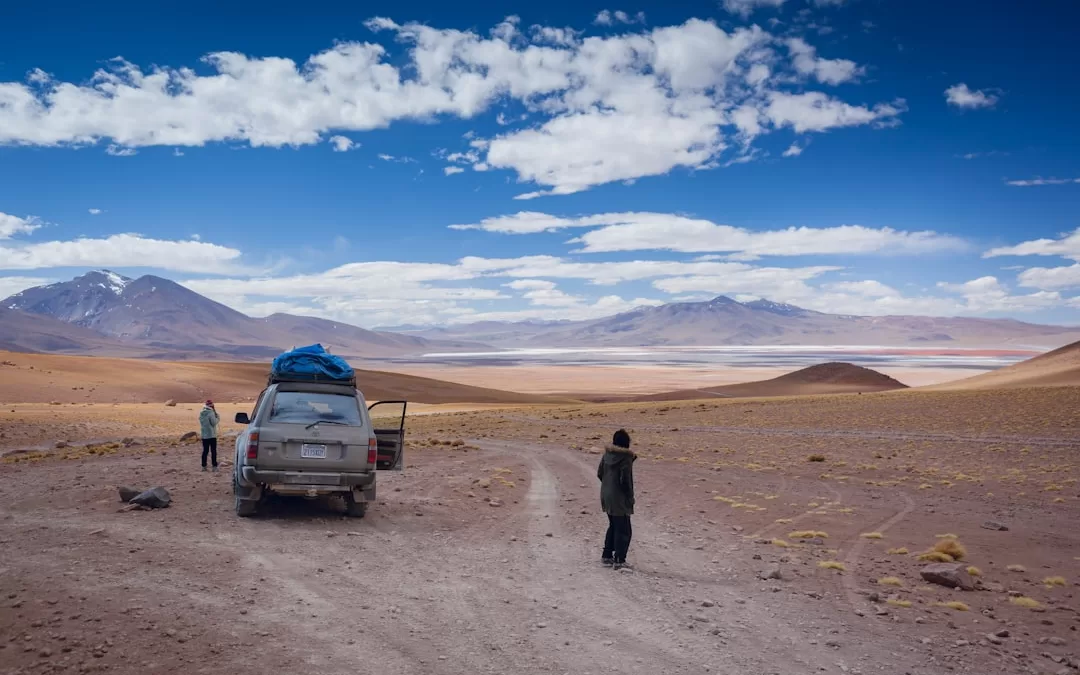
Barcelona 2026: Innovation Hub for Future Tourism

Barcelona 2026: Innovation Hub for Future Tourism

Barcelona is once again set to become the global hub for innovation in tourism as B-Travel 2026 prepares to welcome the world to Spain. The renowned travel and tourism fair focuses on connecting global tourism brands, destinations, and travelers, serving as a catalyst for business exchange, new partnerships, and sustainable travel discussions. The event signifies how the travel industry continues to evolve toward smarter, greener, and more inclusive tourism experiences.

This article explores why B-Travel 2026 in Barcelona is shaping the future of the tourism sector, what emerging trends professionals should watch, and how both travelers and brands can benefit. Learn how this international platform strengthens destination branding, technology adoption, and local economies while ensuring travel remains a transformative global experience. Read the original coverage on Travel and Tour World.

B-Travel 2026: Barcelona’s Global Tourism Showcase

B-Travel is one of Europe’s leading travel fairs, gathering destinations, brands, and travelers under one roof. The 2026 edition is expected to host thousands of exhibitors from across continents, each showcasing tourism innovations and emerging travel experiences.

Connecting Destinations and Travelers

The fair is built around connecting people. Visitors can explore themed areas representing adventure travel, cultural heritage, culinary exploration, and sustainable tourism. Each segment provides interactive experiences for visitors to engage directly with destinations, making it more than just an exhibition—it’s a journey through global cultures.

Empowering Tourism Brands

Global and regional tourism boards, airlines, hospitality groups, and travel technology companies converge at B-Travel to present their products and services. Through networking, brands find valuable opportunities to establish international collaborations and expand into new markets. This synergy ensures Barcelona remains a premiere location for tourism innovation.

Key Travel Trends Driving the 2026 Tourism Landscape

As international travel rebounds from recent global challenges, trends emerging in 2026 highlight a stronger focus on sustainability, personalization, and digital integration.

Sustainable Tourism Takes Center Stage

Eco-conscious travel continues to dominate. More travelers seek destinations that prioritize local community well-being and environmental preservation. Exhibitors at B-Travel 2026 will spotlight sustainable lodging, carbon-neutral transportation, and regenerative tourism projects that give back to host environments.

Technology Transforming Travel Experiences

Artificial intelligence, virtual reality, and data analytics redefine how travelers plan and enjoy their trips. Travel tech start-ups will use the event to demonstrate innovative tools—from AI-based itinerary planning to immersive destination previews—allowing travelers to “test before they travel.”

Rise of Experiential and Personalized Travel

Travelers today crave deeper emotional connections with their destinations. The experience economy encourages curated itineraries, emphasizing authenticity and local interaction. At B-Travel, companies specializing in bespoke travel packages will demonstrate how technology helps understand traveler preferences, creating individually tailored journeys.

Barcelona: The Perfect Backdrop for Global Tourism Innovation

Barcelona is not just hosting B-Travel; it embodies the fusion of tradition, modernity, and global appeal that the event promotes. With its vibrant culture, Mediterranean coastline, and progressive sustainability initiatives, the city provides an authentic example of smart travel integration.

Infrastructure and Accessibility

Barcelona’s world-class infrastructure—air connectivity, public transportation, and hospitality network— positions it as an ideal conference destination. Its focus on accessibility ensures every traveler, regardless of mobility level, can experience the city seamlessly.

Commitment to Sustainability

The city has a strong record of promoting responsible tourism practices, from waste reduction strategies to green mobility. This makes Barcelona not only a venue but also a living model of sustainable urban tourism.

Inspiring Cultural Exchange

With a mix of local traditions and global influences, Barcelona perfectly mirrors the essence of B-Travel: a place where people and cultures meet. Exhibitors and visitors alike can explore Catalonia’s artistic heritage, gastronomy, and creative industries during the event.

Business Opportunities and Industry Networking

More than just an exhibition, B-Travel 2026 functions as a business-to-business platform where professionals can engage in networking, deal-making, and knowledge exchange. Startups, established corporations, and government representatives gather to discuss collaboration and investment.

  • Meet global tourism boards seeking partnerships with travel agencies and operators.
  • Attend educational sessions led by industry leaders focusing on destination marketing and digital transformation.
  • Join networking lounges to build valuable B2B relationships and discover new markets.

Tourism Technology Pavilion

This area highlights digital transformation tools for tourism management. From online booking innovations to big data analytics for visitor behavior insights, the pavilion reinforces the importance of integrating technology into tourism strategy.

Workshops and Policy Dialogues

Sessions will address climate action in tourism, inclusive travel, and post-pandemic industry resilience. Experts and policy makers will engage in discussions to tackle pressing challenges and map the sector’s sustainable future.

How Travelers Benefit from B-Travel 2026

While the event serves professionals, travelers also play an essential role. B-Travel offers a rare chance for consumers to discover new destinations directly and gain insights from global experts.

Interactive Booths and Destination Presentations

Attendees can experience live demonstrations, taste culinary specialties from various countries, and receive curated travel guidance. Many exhibitors offer exclusive packages and early booking discounts, making it a dream for avid travelers.

Cultural Performances and Global Showcases

The fair is also a celebration of culture. Visitors can enjoy traditional performances, regional cuisine tastings, and travel photography exhibitions—transforming the event into a global cultural festival.

Educational Value for Aspiring Travelers

New travelers benefit from expert insights on safety, budgeting, and eco-friendly choices. Workshops highlight how to plan meaningful travel that contributes positively to both people and planet.

Why B-Travel 2026 Matters for the Future of Tourism

The 2026 edition of B-Travel comes at a pivotal time when the industry is more connected and data-driven than ever. By emphasizing responsible tourism and innovation, the event aligns perfectly with the goals of future-ready travel ecosystems.

Encouraging Cross-Sector Collaboration

The fair strengthens cooperation among governments, private enterprises, and institutions. These collaborations create frameworks for regional growth and promote tourism as a driver of economic development.

Driving Economic Impact

Past editions of B-Travel have generated millions in business transactions and attracted global media attention. The upcoming fair will continue to boost local businesses—from hospitality to crafts—spreading benefits across communities.

Positioning Barcelona as a Smart Tourism Leader

Barcelona’s consistent hosting of international events like B-Travel establishes it as a leader in global tourism dialogue. The city’s investment in smart city technologies and sustainable policies further sets benchmarks for other destinations worldwide.

Conclusion: B-Travel 2026 – A Gateway to Tomorrow’s Travel World

As the tourism industry embraces change, B-Travel 2026 in Barcelona stands as an inspiring reminder of the potential for innovation and collaboration. It offers travelers, professionals, and policymakers a unified platform to reimagine travel in an age of sustainability and digital disruption.

Whether you’re a tourism entrepreneur, an avid traveler, or a policymaker, B-Travel 2026 is where global visions become tangible realities. Stay connected through updates and discover the latest event details via Travel and Tour World. Barcelona in 2026 will not just host another event – it will shape the blueprint for global tourism’s next chapter.

Continue your reading here My Flight One Travel Blog
Enjoy our game while waiting for your flight Fly the plane by My Flight One
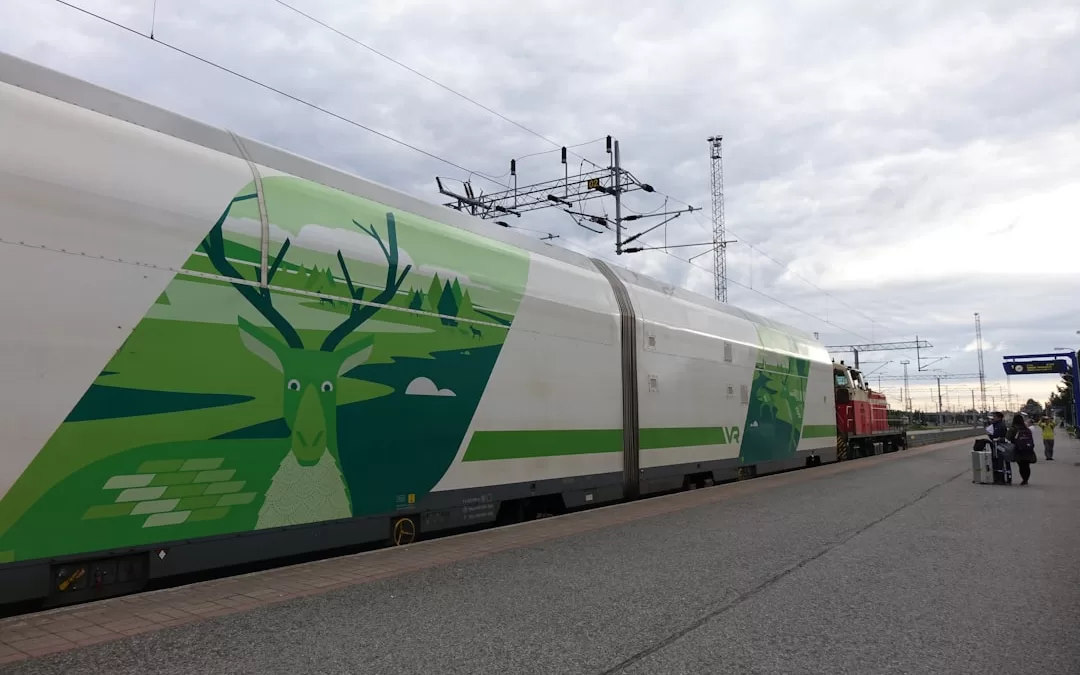
Top Remote Work Destinations for Digital Nomads in 2024

Top Remote Work Destinations for Digital Nomads in 2024

Remote work has revolutionized the concept of freedom and flexibility, giving rise to a global community of digital nomads who turn the world into their office. From sun-soaked beaches to bustling cityscapes, the modern workforce is redefining what it means to live and work anywhere. But not all destinations are created equal when it comes to Wi-Fi reliability, work-life balance, cost of living, and community engagement.

This comprehensive guide explores the best destinations for digital nomads and remote workers in 2024, inspired by recent travel insights from Travel + Leisure’s article “I’ve Been a Digital Nomad for Over 7 Years—These Are My 5 Favorite Remote Work Destinations”. Here, we dive deeper into emerging hotspots, infrastructure, local culture, and what makes each location uniquely appealing for the flexible workforce. Whether you are a seasoned traveler or just starting your remote journey, these insights will help you choose the right city to fuel productivity and adventure.

The Rise of the Digital Nomad Lifestyle

The term “digital nomad” has evolved from a niche identity to a mainstream aspiration. As remote work transitions from a temporary alternative to a long-term model, millions of professionals are seizing the opportunity to live globally.

Why Remote Work Is the New Normal

Recent trends show that flexibility in work hours and location improves both productivity and mental well-being. Companies have adapted by offering remote-first policies, while governments across the world are introducing visas specifically for digital nomads, making international stays longer and legally simpler.

Technology Enabling the Lifestyle

From powerful portable laptops to cloud-based apps and video conferencing platforms, technology has eliminated the need for a fixed office. Tools like Slack, Zoom, and Trello keep teams connected across different time zones, allowing smooth collaboration from anywhere with internet access.

Top Digital Nomad Destinations in 2024

The best remote work destinations combine infrastructure, affordability, and community. Below are five globally recognized hubs where digital nomads thrive.

1. Lisbon, Portugal

Lisbon remains a top choice for professionals seeking a balance of affordability, cultural depth, and coastal living. The city’s reliable Wi-Fi, shared workspaces, and easy access to nature make it ideal for long-term stays.

  • Average coworking cost: affordable compared to other European capitals
  • Digital Nomad Visa available with clear guidelines
  • Rich local culture, cuisine, and creative community

2. Chiang Mai, Thailand

Known for its relaxed atmosphere and low cost of living, Chiang Mai is often dubbed the “global capital” for digital nomads. The city has hundreds of coworking cafés, an established expat network, and a tranquil lifestyle enhanced by surrounding mountains and temples.

  • Ultra-fast Wi-Fi and affordable accommodations
  • Popular coworking spaces like Punspace and Hub53
  • Easy access to weekend getaways across Northern Thailand

3. Bali, Indonesia

Bali continues to attract freelancers and entrepreneurs seeking spiritual calm and creative energy. Towns like Canggu and Ubud host vibrant coworking ecosystems where productivity meets paradise.

  • Reliable internet with island-style comfort
  • A welcoming global community of creatives and entrepreneurs
  • Visa options compatible with extended stays

4. Medellín, Colombia

Once known for turbulence, Medellín has transformed into one of Latin America’s most innovative cities. Its spring-like climate year-round, digital infrastructure, and coworking culture make it a hub for South American nomads.

  • Excellent coworking options such as Selina and AtomHouse
  • Affordable living costs and vibrant social life
  • Strong local startup community

5. Mexico City, Mexico

Mexico City offers an energetic urban environment balanced by affordability and connectivity. The city’s food scene, café culture, and wide variety of neighborhoods attract remote workers looking for a metropolitan experience without sky-high costs.

  • Fast internet and a growing remote working infrastructure
  • Neighborhoods like Condesa and Roma popular among expats
  • Proximity to nearby beach escapes like Oaxaca and Tulum

Key Factors When Choosing a Remote Work Destination

1. Internet Connectivity and Infrastructure

Reliable internet is the lifeline of any remote worker. Ensure that your chosen city offers stable broadband or 4G/5G connections, along with a consistent power supply—especially in tropical destinations where outages can occur.

2. Cost of Living vs. Quality of Life

Affordability doesn’t always equal quality. Look for destinations that offer balance—reasonable living costs, quality healthcare, and accessible transportation. Nomad hubs like Lisbon and Chiang Mai provide all three.

3. Community and Networking Opportunities

A strong community can be invaluable. Coworking spaces are not just about desks; they’re hubs for collaboration, workshops, and peer learning. Choosing a city known for its vibrant digital nomad meetups can accelerate both your social and professional growth.

The Growing Role of Remote Work Visas

In recent years, countries have realized the economic potential of attracting global remote workers. Governments are offering remote work or “digital nomad” visas to make long-term stays legal and accessible.

Popular Visa Programs

  • Portugal – Digital Nomad Visa for freelancers and entrepreneurs
  • Thailand – Long-Term Resident Visa for skilled professionals
  • Mexico – Temporary Resident Visa for income earners abroad
  • Estonia – First European country to launch a full digital nomad program

Why Visas Matter

Work visas ensure legal clarity, banking access, and healthcare eligibility while fostering sustainable tourism. This stability allows digital nomads to settle temporarily without the stress of overstaying tourist permits.

Balancing Productivity and Lifestyle on the Road

Maintaining a Routine

A common mistake for new nomads is losing structure. Setting fixed work hours, using productivity apps, and planning leisure activities keeps motivation high and prevents burnout.

Staying Healthy While Traveling

Frequent moves can challenge physical and mental health. Prioritize gyms, co-living spaces with social activities, and mindfulness practices. Many remote work hotspots now integrate wellness retreats and fitness memberships into their lifestyle ecosystems.

Building Connections Abroad

Networking doesn’t stop at your home country. Join international nomad forums, attend local meetups, or collaborate in shared projects. Connections made during travels often translate into lifelong friendships or business partnerships.

Future Outlook: The Evolution of Digital Nomadism

The future of remote work is undeniably global. As technology evolves and borders become more flexible, expect to see more hybrid professionals—combining entrepreneurship, freelancing, and cultural immersion. Cities are responding by improving digital infrastructure, creating coworking villages, and offering incentives for global professionals to settle in.

Moreover, sustainability and local integration will shape the next generation of digital nomads. Mindful travel, eco-conscious stays, and community-driven experiences are becoming the new face of remote living.

Conclusion: Choosing Your Perfect Remote Base

Whether inspired by beaches in Bali or the energy of Lisbon, the key to thriving as a digital nomad lies in finding harmony between work, well-being, and adventure. Evaluate what environment fuels your productivity while contributing positively to local communities.

For more inspiration on proven digital nomad hubs and first-hand experiences, read the original feature from Travel + Leisure: “I’ve Been a Digital Nomad for Over 7 Years—These Are My 5 Favorite Remote Work Destinations.”

Embarking on the digital nomad journey in 2024 means more than crossing countries—it’s about embracing a lifestyle that values freedom, connectivity, and cultural exchange. With the right mindset and destination, the world truly becomes your workplace.

Continue your reading here My Flight One Travel Blog
Enjoy our game while waiting for your flight Fly the plane by My Flight One

Explore Europe by Train: 7 Must-Visit Eurostar Destinations

Explore Europe by Train: 7 Must-Visit Eurostar Destinations

Traveling across Europe by train is no longer just a budget-friendly choice—it has become one of the most eco-conscious, comfortable, and time-efficient ways to explore the continent. Thanks to the convenience of the Eurostar, more travelers than ever before are opting to skip the airport queues and enjoy a seamless rail journey directly from London to some of Europe’s most beloved cities. In this article, we explore seven incredible holiday destinations you can reach on the Eurostar from London, based on recent travel insights from The Independent’s travel feature.

Whether you’re in the mood for a romantic getaway, a gastronomic adventure, or a cultural deep dive, these top Eurostar destinations offer a perfect blend of charm, convenience, and discovery. From art-filled avenues in Paris to sun-drenched beaches in the south of France, this guide will inspire your next sustainable, stress-free European escape.

Paris, France – The Ultimate Eurostar Getaway

No list of Eurostar holiday destinations would be complete without mentioning Paris. In just over two hours, travelers can journey from London St Pancras to the heart of the City of Light. The train arrives at Gare du Nord, perfectly positioned for exploring everything from the romantic Seine riverbanks to the bohemian charm of Montmartre.

Why Paris Wins Every Time

  • Accessibility: Seamless connections from Gare du Nord to the city’s major attractions.
  • Culture: Visit iconic landmarks like the Louvre, Notre Dame, and Musée d’Orsay.
  • Food: Indulge in world-class French cuisine at picturesque cafés or Michelin-starred restaurants.

Paris is a natural choice for both first-time travelers and seasoned Eurostar regulars. Whether it’s a weekend escape or a longer stay, this city’s art, history, and effortless style never go out of fashion.

Brussels, Belgium – Chocolate, Beer, and Culture Combined

Just under two hours from London, Brussels offers the ultimate fusion of cosmopolitan flair and old-world charm. Known for its intricate architecture and political significance as the de facto capital of the European Union, Brussels is also a haven for food lovers and craft beer enthusiasts.

Top Things to Do in Brussels

  1. Take a stroll through the Grand Place, one of Europe’s most beautiful squares.
  2. Sample irresistible Belgian waffles, pralines, and artisanal beers.
  3. Explore the Atomium and its futuristic architecture.

With quick train connections to other Belgian cities like Ghent and Bruges, Brussels also serves as the perfect base for further exploration.

Amsterdam, Netherlands – Canals, Culture, and Creativity

In just over four hours, the Eurostar connects London directly to Amsterdam Central Station, landing you in the midst of a city defined by its artistic energy, canalside beauty, and warm hospitality. Ideal for cyclists, artists, and free spirits, Amsterdam offers an urban experience that’s both laid-back and inspiring.

Must-See Highlights

  • Visit world-class museums, including the Rijksmuseum and Van Gogh Museum.
  • Cruise the UNESCO-listed canals at sunset.
  • Explore trendy districts like De Pijp and Jordaan for vibrant food and shopping scenes.

Amsterdam by Eurostar is perfect for travelers seeking cultural discovery without the hassle of airport transfers—simply board in London and arrive city-center ready.

Lille, France – Short, Sweet, and Sophisticated

Looking for a quick European escape? Lille is one of the most efficient Eurostar weekend getaways available, with a travel time of about 1 hour and 20 minutes from London. This northern French city is bursting with Flemish flair, baroque architecture, and modern art culture.

Why Lille Should Be on Your List

  • Less crowded but equally as charming as Paris.
  • Fabulous food markets and French–Belgian fusion dining.
  • A rich arts scene, with highlights like La Piscine Museum and Palais des Beaux-Arts.

Because of its proximity, Lille is ideal for spontaneous trips—perfect for travelers who want a quick taste of France without extensive planning.

Rotterdam, Netherlands – Modern Architecture Meets Urban Energy

While many travelers flock to Amsterdam, Rotterdam stands out as a bold, contemporary counterpart. It’s easily reached via the same direct Eurostar line connecting London to the Netherlands, making it one of Europe’s most exciting emerging destinations.

Explore Rotterdam’s Unique Appeal

  • Marvel at the cutting-edge architecture, including the cube houses and Erasmus Bridge.
  • Enjoy the city’s thriving culinary scene, from floating markets to design-led cafés.
  • Discover art and innovation at the Boijmans Van Beuningen Depot.

For fans of modern design and urban regeneration, Rotterdam perfectly blends creativity with cultural depth, making it one of the best Eurostar destinations beyond the typical tourist trail.

Antwerp, Belgium – Fashion, Diamonds, and Fine Dining

Antwerp, Belgium’s style capital, is easily accessible by connecting through Brussels. The city is known for its avant-garde fashion scene, diamond district, and dynamic nightlife. Whether you’re shopping for designer pieces or sampling Belgian beers along the Scheldt River, Antwerp offers a unique fusion of luxury and heritage.

Why Travelers Love Antwerp

  • Explore the ModeMuseum to learn about Belgium’s fashion legacy.
  • See Rubens’ masterpieces at the artist’s former home and studio.
  • Dine in elegant restaurants, many of which highlight seasonal local ingredients.

With stylish boutiques and historic architecture, Antwerp delivers a perfect balance of culture and sophistication—ideal for a Eurostar city break.

Avignon, France – A Sunlit Southern Escape

For those seeking a longer rail journey filled with scenic views, Avignon in France’s Provence region offers a direct Eurostar route during the warmer months. The trip takes around six hours, but the reward is basking in the southern sun, surrounded by medieval architecture and lavender fields.

Top Experiences in Avignon

  • Wander the historic ramparts and explore the grand Palais des Papes.
  • Taste exceptional Provençal wines and cuisine.
  • Plan your trip around the famous Festival d’Avignon for unforgettable performances.

Avignon’s laid-back, sun-drenched vibe offers a striking contrast to the northern cities. The direct Eurostar line makes it easier than ever to reach the heart of Provence without changing trains.

How to Make the Most of Your Eurostar Adventure

One of the main advantages of traveling by Eurostar from London is convenience. You can arrive at the station just 45 minutes before departure, pass through simple security checks, and enjoy city-center arrivals that save precious sightseeing time.

Tips for Booking and Travel

  1. Book early – Eurostar tickets are often cheapest when purchased in advance.
  2. Travel light – With no baggage fees, pack efficiently and skip the hassle.
  3. Consider off-peak travel – Early morning or midweek trains offer great savings.

For sustainability-minded travelers, opting for Eurostar instead of short-haul flights can reduce your carbon footprint by as much as 90%. It’s one of the simplest ways to make your holiday more environmentally friendly while enjoying a smoother travel experience.

Conclusion: Why Eurostar Holidays Are the Future of European Travel

In a world where travelers seek both convenience and conscious travel choices, Eurostar offers the best of both worlds. The ability to explore dynamic cities like Paris, Amsterdam, Brussels, and beyond—without airports, stress, or excess emissions—makes rail travel more relevant than ever before.

Whether you’re planning a spontaneous weekend in Lille, a cultural journey through Rotterdam, or a sun-soaked escape to Avignon, these seven Eurostar destinations prove Europe’s treasures are just a train ride away. Reimagine your next holiday not by taking off, but by setting off—on the rails to discovery.

Continue your reading here My Flight One Travel Blog
Enjoy our game while waiting for your flight Fly the plane by My Flight One

Navigating Travel: Embrace Cultures, Avoid Tourist Traps

Navigating Travel: Embrace Cultures, Avoid Tourist Traps

With international travel booming once again, many globetrotters are reconsidering their bucket lists based not only on natural beauty and attractions but also on the welcome factor offered by locals. A recent global survey shed light on destinations where tourists sometimes feel less than embraced—sparking a broader conversation about cultural respect, over-tourism, and sustainable travel ethics. This article explores the findings from that study and offers insights into how travelers can navigate such challenges while still enjoying meaningful travel experiences.

Based on the study originally reported by AOL Travel, we delve deeply into the cultures, challenges, and perceptions surrounding seven locations where some visitors reported feeling unwelcome. We’ll analyze what drives these sentiments, how travelers can better understand and adapt to local expectations, and how destinations can balance preservation with hospitality. Whether you’re an adventure seeker, a cultural explorer, or simply curious about global travel dynamics, this guide offers the perspective you need to travel more consciously.

Understanding Why Some Tourists Feel Unwelcome

Perceptions of unfriendliness or discomfort often arise from a mixture of cultural misunderstandings, tourism pressures, and social media misconceptions. In places that experience over-tourism, locals may feel their communities are being commodified, resulting in visible frustration or apathy toward outsiders. Conversely, travelers may misinterpret reserved social behaviors as hostility when they’re simply cultural norms.

The Impact of Over-Tourism

One of the key reasons visitors sometimes report negative interactions is the strain that tourism places on local economies, infrastructure, and daily life. Cities like Barcelona and Venice have enacted policies to reduce footfall in sensitive areas, illustrating the challenges of maintaining both cultural integrity and a thriving tourism economy.

Cultural Miscommunication

Misunderstandings about etiquette, dress codes, or local traditions often lead to tension. In some destinations, tourists unaware of cultural sensitivities inadvertently offend locals. Awareness and education are essential antidotes to these issues.

Top Destinations Where Visitors Report Feeling Unwelcome

According to the survey results, seven destinations across the globe stood out for higher numbers of visitors who reported feeling less welcome. Exploring each location helps travelers grasp the underlying dynamics while learning how to engage more respectfully.

  • City 1 – Popular Urban Hub in Europe: A vibrant city known for its rich history and modern charm, yet struggling with overcrowding and escalating housing issues due to holiday rentals.
  • City 2 – Island Paradise in Asia: A favorite for backpackers, but locals have recently voiced concerns over cultural insensitivity and environmental damage from unregulated tourism.
  • City 3 – Coastal Cultural Capital: Heritage conservation efforts have made the city less accessible to casual tourists, often interpreted as unfriendliness.
  • City 4 – Historic Destination in the Middle East: While deeply hospitable to those who respect cultural norms, uninformed travelers often misstep, leading to friction.
  • City 5 – European Art and Fashion Center: Sophisticated and stylish, yet some visitors perceive an aloofness that reflects local culture more than intentional discourtesy.
  • City 6 – North American Tourist Hotspot: Locals express fatigue with overcrowded landmarks and rising living costs, which spills over into how they feel about tourism.
  • City 7 – Remote Destination Known for Natural Wonders: Fragile ecosystems and small local populations make it challenging to manage large waves of visitors compassionately.

How Travelers Can Cultivate More Positive Experiences

While some destinations may seem less receptive, a proactive approach can dramatically change how locals respond to tourists. The key lies in empathy, adaptability, and respect for community values.

Research Cultural Norms Before Traveling

Invest time learning about the destination’s traditions, social behavior, and etiquette. For example, basic phrases in the local language or understanding mealtime customs can go a long way toward making positive connections.

Support Local Businesses

Engaging directly with local artisans, markets, and independently owned restaurants creates economic benefits that communities appreciate. It demonstrates investment in the local culture rather than just consumption of it.

Be Conscious of Environmental Footprints

Over-tourism often correlates with environmental strain. Choose eco-friendly accommodations, minimize waste, and respect natural habitats. Sustainable actions foster goodwill and reflect cultural awareness.

What Destinations Can Do to Improve the Tourist Experience

Governments and tourism boards play a pivotal role in restoring balance. As tourism continues to rebound post-pandemic, strategic management becomes crucial for sustaining mutual respect.

Implement Responsible Tourism Policies

Setting visitor caps, promoting off-season tourism, and channeling part of tourism revenue into community projects can minimize tension. Responsible tourism aligns growth with preservation.

Educate Through Onboarding Experiences

Destinations that invest in brief traveler orientation—through airports, tour providers, or digital portals—see greater visitor awareness and fewer conflicts. Education bridges the gap between visitor enthusiasm and local patience.

Balancing Authenticity and Visitor Volume

Every destination wants to preserve its authenticity while maintaining a thriving tourism economy. Yet, too much commercialization can erode the very qualities that attract tourists in the first place. Finding equilibrium is key to sustainable tourism development.

Encouraging Off-the-Beaten-Path Travel

By promoting lesser-known locales, tourism boards can distribute visitor numbers more evenly and create economic opportunities beyond overcrowded centers. Travelers benefit from deeper, more personal experiences.

Leveraging Technology to Manage Crowds

Smart city systems and digital booking tools can help regulate entry into popular sites, preventing excessive congestion. This not only preserves the environment but also enhances visitor satisfaction.

Lessons for Mindful Travelers

Feeling unwelcome abroad often boils down to perception. By practicing self-awareness and exhibiting genuine curiosity about others’ ways of life, travelers can change the narrative and foster goodwill wherever they go.

  • Listen before acting. Observe local norms before presuming participation is acceptable.
  • Adapt to the setting. From attire to communication style, adapting displays respect.
  • Engage rather than consume. Experiences that involve interaction—learning crafts, cooking local dishes—encourage genuine cultural exchange.

Conclusion: The Future of Respectful Tourism

The relationship between tourists and hosts is evolving. As global travel expands, both parties share responsibility in shaping sustainable and positive experiences. Visitors must approach new destinations with humility and cultural sensitivity, while communities must communicate expectations clearly and promote inclusive hospitality strategies.

Ultimately, the message from studies like the one discussed in AOL’s original article serves as a wake-up call—to remind us that genuine adventure isn’t only about stunning vistas but meaningful interactions. A mindful traveler doesn’t just visit places—they connect with them, leaving behind respect instead of resentment.

Through awareness, empathy, and sustainable practice, the future of global travel can remain both responsible and rewarding for everyone involved.

Continue your reading here My Flight One Travel Blog
Enjoy our game while waiting for your flight Fly the plane by My Flight One