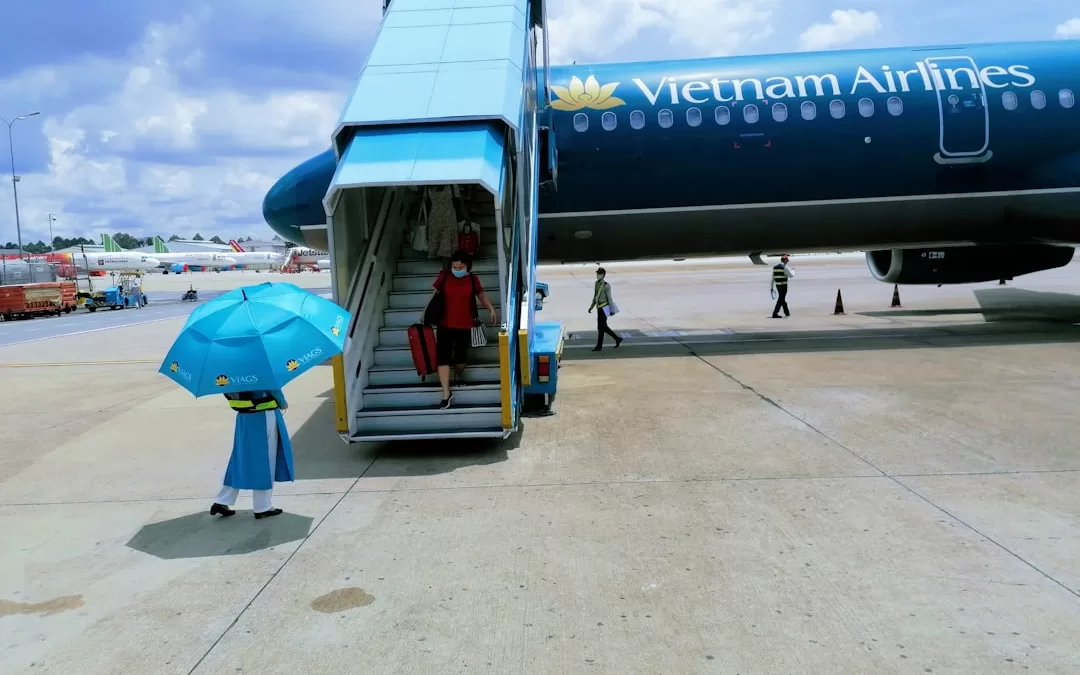
Top Remote Work Destinations for Digital Nomads in 2024

Top Remote Work Destinations for Digital Nomads in 2024

Remote work has revolutionized the concept of freedom and flexibility, giving rise to a global community of digital nomads who turn the world into their office. From sun-soaked beaches to bustling cityscapes, the modern workforce is redefining what it means to live and work anywhere. But not all destinations are created equal when it comes to Wi-Fi reliability, work-life balance, cost of living, and community engagement.

This comprehensive guide explores the best destinations for digital nomads and remote workers in 2024, inspired by recent travel insights from Travel + Leisure’s article “I’ve Been a Digital Nomad for Over 7 Years—These Are My 5 Favorite Remote Work Destinations”. Here, we dive deeper into emerging hotspots, infrastructure, local culture, and what makes each location uniquely appealing for the flexible workforce. Whether you are a seasoned traveler or just starting your remote journey, these insights will help you choose the right city to fuel productivity and adventure.

The Rise of the Digital Nomad Lifestyle

The term “digital nomad” has evolved from a niche identity to a mainstream aspiration. As remote work transitions from a temporary alternative to a long-term model, millions of professionals are seizing the opportunity to live globally.

Why Remote Work Is the New Normal

Recent trends show that flexibility in work hours and location improves both productivity and mental well-being. Companies have adapted by offering remote-first policies, while governments across the world are introducing visas specifically for digital nomads, making international stays longer and legally simpler.

Technology Enabling the Lifestyle

From powerful portable laptops to cloud-based apps and video conferencing platforms, technology has eliminated the need for a fixed office. Tools like Slack, Zoom, and Trello keep teams connected across different time zones, allowing smooth collaboration from anywhere with internet access.

Top Digital Nomad Destinations in 2024

The best remote work destinations combine infrastructure, affordability, and community. Below are five globally recognized hubs where digital nomads thrive.

1. Lisbon, Portugal

Lisbon remains a top choice for professionals seeking a balance of affordability, cultural depth, and coastal living. The city’s reliable Wi-Fi, shared workspaces, and easy access to nature make it ideal for long-term stays.

  • Average coworking cost: affordable compared to other European capitals
  • Digital Nomad Visa available with clear guidelines
  • Rich local culture, cuisine, and creative community

2. Chiang Mai, Thailand

Known for its relaxed atmosphere and low cost of living, Chiang Mai is often dubbed the “global capital” for digital nomads. The city has hundreds of coworking cafés, an established expat network, and a tranquil lifestyle enhanced by surrounding mountains and temples.

  • Ultra-fast Wi-Fi and affordable accommodations
  • Popular coworking spaces like Punspace and Hub53
  • Easy access to weekend getaways across Northern Thailand

3. Bali, Indonesia

Bali continues to attract freelancers and entrepreneurs seeking spiritual calm and creative energy. Towns like Canggu and Ubud host vibrant coworking ecosystems where productivity meets paradise.

  • Reliable internet with island-style comfort
  • A welcoming global community of creatives and entrepreneurs
  • Visa options compatible with extended stays

4. Medellín, Colombia

Once known for turbulence, Medellín has transformed into one of Latin America’s most innovative cities. Its spring-like climate year-round, digital infrastructure, and coworking culture make it a hub for South American nomads.

  • Excellent coworking options such as Selina and AtomHouse
  • Affordable living costs and vibrant social life
  • Strong local startup community

5. Mexico City, Mexico

Mexico City offers an energetic urban environment balanced by affordability and connectivity. The city’s food scene, café culture, and wide variety of neighborhoods attract remote workers looking for a metropolitan experience without sky-high costs.

  • Fast internet and a growing remote working infrastructure
  • Neighborhoods like Condesa and Roma popular among expats
  • Proximity to nearby beach escapes like Oaxaca and Tulum

Key Factors When Choosing a Remote Work Destination

1. Internet Connectivity and Infrastructure

Reliable internet is the lifeline of any remote worker. Ensure that your chosen city offers stable broadband or 4G/5G connections, along with a consistent power supply—especially in tropical destinations where outages can occur.

2. Cost of Living vs. Quality of Life

Affordability doesn’t always equal quality. Look for destinations that offer balance—reasonable living costs, quality healthcare, and accessible transportation. Nomad hubs like Lisbon and Chiang Mai provide all three.

3. Community and Networking Opportunities

A strong community can be invaluable. Coworking spaces are not just about desks; they’re hubs for collaboration, workshops, and peer learning. Choosing a city known for its vibrant digital nomad meetups can accelerate both your social and professional growth.

The Growing Role of Remote Work Visas

In recent years, countries have realized the economic potential of attracting global remote workers. Governments are offering remote work or “digital nomad” visas to make long-term stays legal and accessible.

Popular Visa Programs

  • Portugal – Digital Nomad Visa for freelancers and entrepreneurs
  • Thailand – Long-Term Resident Visa for skilled professionals
  • Mexico – Temporary Resident Visa for income earners abroad
  • Estonia – First European country to launch a full digital nomad program

Why Visas Matter

Work visas ensure legal clarity, banking access, and healthcare eligibility while fostering sustainable tourism. This stability allows digital nomads to settle temporarily without the stress of overstaying tourist permits.

Balancing Productivity and Lifestyle on the Road

Maintaining a Routine

A common mistake for new nomads is losing structure. Setting fixed work hours, using productivity apps, and planning leisure activities keeps motivation high and prevents burnout.

Staying Healthy While Traveling

Frequent moves can challenge physical and mental health. Prioritize gyms, co-living spaces with social activities, and mindfulness practices. Many remote work hotspots now integrate wellness retreats and fitness memberships into their lifestyle ecosystems.

Building Connections Abroad

Networking doesn’t stop at your home country. Join international nomad forums, attend local meetups, or collaborate in shared projects. Connections made during travels often translate into lifelong friendships or business partnerships.

Future Outlook: The Evolution of Digital Nomadism

The future of remote work is undeniably global. As technology evolves and borders become more flexible, expect to see more hybrid professionals—combining entrepreneurship, freelancing, and cultural immersion. Cities are responding by improving digital infrastructure, creating coworking villages, and offering incentives for global professionals to settle in.

Moreover, sustainability and local integration will shape the next generation of digital nomads. Mindful travel, eco-conscious stays, and community-driven experiences are becoming the new face of remote living.

Conclusion: Choosing Your Perfect Remote Base

Whether inspired by beaches in Bali or the energy of Lisbon, the key to thriving as a digital nomad lies in finding harmony between work, well-being, and adventure. Evaluate what environment fuels your productivity while contributing positively to local communities.

For more inspiration on proven digital nomad hubs and first-hand experiences, read the original feature from Travel + Leisure: “I’ve Been a Digital Nomad for Over 7 Years—These Are My 5 Favorite Remote Work Destinations.”

Embarking on the digital nomad journey in 2024 means more than crossing countries—it’s about embracing a lifestyle that values freedom, connectivity, and cultural exchange. With the right mindset and destination, the world truly becomes your workplace.

Continue your reading here My Flight One Travel Blog
Enjoy our game while waiting for your flight Fly the plane by My Flight One

Explore Europe by Train: 7 Must-Visit Eurostar Destinations

Explore Europe by Train: 7 Must-Visit Eurostar Destinations

Traveling across Europe by train is no longer just a budget-friendly choice—it has become one of the most eco-conscious, comfortable, and time-efficient ways to explore the continent. Thanks to the convenience of the Eurostar, more travelers than ever before are opting to skip the airport queues and enjoy a seamless rail journey directly from London to some of Europe’s most beloved cities. In this article, we explore seven incredible holiday destinations you can reach on the Eurostar from London, based on recent travel insights from The Independent’s travel feature.

Whether you’re in the mood for a romantic getaway, a gastronomic adventure, or a cultural deep dive, these top Eurostar destinations offer a perfect blend of charm, convenience, and discovery. From art-filled avenues in Paris to sun-drenched beaches in the south of France, this guide will inspire your next sustainable, stress-free European escape.

Paris, France – The Ultimate Eurostar Getaway

No list of Eurostar holiday destinations would be complete without mentioning Paris. In just over two hours, travelers can journey from London St Pancras to the heart of the City of Light. The train arrives at Gare du Nord, perfectly positioned for exploring everything from the romantic Seine riverbanks to the bohemian charm of Montmartre.

Why Paris Wins Every Time

  • Accessibility: Seamless connections from Gare du Nord to the city’s major attractions.
  • Culture: Visit iconic landmarks like the Louvre, Notre Dame, and Musée d’Orsay.
  • Food: Indulge in world-class French cuisine at picturesque cafés or Michelin-starred restaurants.

Paris is a natural choice for both first-time travelers and seasoned Eurostar regulars. Whether it’s a weekend escape or a longer stay, this city’s art, history, and effortless style never go out of fashion.

Brussels, Belgium – Chocolate, Beer, and Culture Combined

Just under two hours from London, Brussels offers the ultimate fusion of cosmopolitan flair and old-world charm. Known for its intricate architecture and political significance as the de facto capital of the European Union, Brussels is also a haven for food lovers and craft beer enthusiasts.

Top Things to Do in Brussels

  1. Take a stroll through the Grand Place, one of Europe’s most beautiful squares.
  2. Sample irresistible Belgian waffles, pralines, and artisanal beers.
  3. Explore the Atomium and its futuristic architecture.

With quick train connections to other Belgian cities like Ghent and Bruges, Brussels also serves as the perfect base for further exploration.

Amsterdam, Netherlands – Canals, Culture, and Creativity

In just over four hours, the Eurostar connects London directly to Amsterdam Central Station, landing you in the midst of a city defined by its artistic energy, canalside beauty, and warm hospitality. Ideal for cyclists, artists, and free spirits, Amsterdam offers an urban experience that’s both laid-back and inspiring.

Must-See Highlights

  • Visit world-class museums, including the Rijksmuseum and Van Gogh Museum.
  • Cruise the UNESCO-listed canals at sunset.
  • Explore trendy districts like De Pijp and Jordaan for vibrant food and shopping scenes.

Amsterdam by Eurostar is perfect for travelers seeking cultural discovery without the hassle of airport transfers—simply board in London and arrive city-center ready.

Lille, France – Short, Sweet, and Sophisticated

Looking for a quick European escape? Lille is one of the most efficient Eurostar weekend getaways available, with a travel time of about 1 hour and 20 minutes from London. This northern French city is bursting with Flemish flair, baroque architecture, and modern art culture.

Why Lille Should Be on Your List

  • Less crowded but equally as charming as Paris.
  • Fabulous food markets and French–Belgian fusion dining.
  • A rich arts scene, with highlights like La Piscine Museum and Palais des Beaux-Arts.

Because of its proximity, Lille is ideal for spontaneous trips—perfect for travelers who want a quick taste of France without extensive planning.

Rotterdam, Netherlands – Modern Architecture Meets Urban Energy

While many travelers flock to Amsterdam, Rotterdam stands out as a bold, contemporary counterpart. It’s easily reached via the same direct Eurostar line connecting London to the Netherlands, making it one of Europe’s most exciting emerging destinations.

Explore Rotterdam’s Unique Appeal

  • Marvel at the cutting-edge architecture, including the cube houses and Erasmus Bridge.
  • Enjoy the city’s thriving culinary scene, from floating markets to design-led cafés.
  • Discover art and innovation at the Boijmans Van Beuningen Depot.

For fans of modern design and urban regeneration, Rotterdam perfectly blends creativity with cultural depth, making it one of the best Eurostar destinations beyond the typical tourist trail.

Antwerp, Belgium – Fashion, Diamonds, and Fine Dining

Antwerp, Belgium’s style capital, is easily accessible by connecting through Brussels. The city is known for its avant-garde fashion scene, diamond district, and dynamic nightlife. Whether you’re shopping for designer pieces or sampling Belgian beers along the Scheldt River, Antwerp offers a unique fusion of luxury and heritage.

Why Travelers Love Antwerp

  • Explore the ModeMuseum to learn about Belgium’s fashion legacy.
  • See Rubens’ masterpieces at the artist’s former home and studio.
  • Dine in elegant restaurants, many of which highlight seasonal local ingredients.

With stylish boutiques and historic architecture, Antwerp delivers a perfect balance of culture and sophistication—ideal for a Eurostar city break.

Avignon, France – A Sunlit Southern Escape

For those seeking a longer rail journey filled with scenic views, Avignon in France’s Provence region offers a direct Eurostar route during the warmer months. The trip takes around six hours, but the reward is basking in the southern sun, surrounded by medieval architecture and lavender fields.

Top Experiences in Avignon

  • Wander the historic ramparts and explore the grand Palais des Papes.
  • Taste exceptional Provençal wines and cuisine.
  • Plan your trip around the famous Festival d’Avignon for unforgettable performances.

Avignon’s laid-back, sun-drenched vibe offers a striking contrast to the northern cities. The direct Eurostar line makes it easier than ever to reach the heart of Provence without changing trains.

How to Make the Most of Your Eurostar Adventure

One of the main advantages of traveling by Eurostar from London is convenience. You can arrive at the station just 45 minutes before departure, pass through simple security checks, and enjoy city-center arrivals that save precious sightseeing time.

Tips for Booking and Travel

  1. Book early – Eurostar tickets are often cheapest when purchased in advance.
  2. Travel light – With no baggage fees, pack efficiently and skip the hassle.
  3. Consider off-peak travel – Early morning or midweek trains offer great savings.

For sustainability-minded travelers, opting for Eurostar instead of short-haul flights can reduce your carbon footprint by as much as 90%. It’s one of the simplest ways to make your holiday more environmentally friendly while enjoying a smoother travel experience.

Conclusion: Why Eurostar Holidays Are the Future of European Travel

In a world where travelers seek both convenience and conscious travel choices, Eurostar offers the best of both worlds. The ability to explore dynamic cities like Paris, Amsterdam, Brussels, and beyond—without airports, stress, or excess emissions—makes rail travel more relevant than ever before.

Whether you’re planning a spontaneous weekend in Lille, a cultural journey through Rotterdam, or a sun-soaked escape to Avignon, these seven Eurostar destinations prove Europe’s treasures are just a train ride away. Reimagine your next holiday not by taking off, but by setting off—on the rails to discovery.

Continue your reading here My Flight One Travel Blog
Enjoy our game while waiting for your flight Fly the plane by My Flight One

Navigating Travel: Embrace Cultures, Avoid Tourist Traps

Navigating Travel: Embrace Cultures, Avoid Tourist Traps

With international travel booming once again, many globetrotters are reconsidering their bucket lists based not only on natural beauty and attractions but also on the welcome factor offered by locals. A recent global survey shed light on destinations where tourists sometimes feel less than embraced—sparking a broader conversation about cultural respect, over-tourism, and sustainable travel ethics. This article explores the findings from that study and offers insights into how travelers can navigate such challenges while still enjoying meaningful travel experiences.

Based on the study originally reported by AOL Travel, we delve deeply into the cultures, challenges, and perceptions surrounding seven locations where some visitors reported feeling unwelcome. We’ll analyze what drives these sentiments, how travelers can better understand and adapt to local expectations, and how destinations can balance preservation with hospitality. Whether you’re an adventure seeker, a cultural explorer, or simply curious about global travel dynamics, this guide offers the perspective you need to travel more consciously.

Understanding Why Some Tourists Feel Unwelcome

Perceptions of unfriendliness or discomfort often arise from a mixture of cultural misunderstandings, tourism pressures, and social media misconceptions. In places that experience over-tourism, locals may feel their communities are being commodified, resulting in visible frustration or apathy toward outsiders. Conversely, travelers may misinterpret reserved social behaviors as hostility when they’re simply cultural norms.

The Impact of Over-Tourism

One of the key reasons visitors sometimes report negative interactions is the strain that tourism places on local economies, infrastructure, and daily life. Cities like Barcelona and Venice have enacted policies to reduce footfall in sensitive areas, illustrating the challenges of maintaining both cultural integrity and a thriving tourism economy.

Cultural Miscommunication

Misunderstandings about etiquette, dress codes, or local traditions often lead to tension. In some destinations, tourists unaware of cultural sensitivities inadvertently offend locals. Awareness and education are essential antidotes to these issues.

Top Destinations Where Visitors Report Feeling Unwelcome

According to the survey results, seven destinations across the globe stood out for higher numbers of visitors who reported feeling less welcome. Exploring each location helps travelers grasp the underlying dynamics while learning how to engage more respectfully.

  • City 1 – Popular Urban Hub in Europe: A vibrant city known for its rich history and modern charm, yet struggling with overcrowding and escalating housing issues due to holiday rentals.
  • City 2 – Island Paradise in Asia: A favorite for backpackers, but locals have recently voiced concerns over cultural insensitivity and environmental damage from unregulated tourism.
  • City 3 – Coastal Cultural Capital: Heritage conservation efforts have made the city less accessible to casual tourists, often interpreted as unfriendliness.
  • City 4 – Historic Destination in the Middle East: While deeply hospitable to those who respect cultural norms, uninformed travelers often misstep, leading to friction.
  • City 5 – European Art and Fashion Center: Sophisticated and stylish, yet some visitors perceive an aloofness that reflects local culture more than intentional discourtesy.
  • City 6 – North American Tourist Hotspot: Locals express fatigue with overcrowded landmarks and rising living costs, which spills over into how they feel about tourism.
  • City 7 – Remote Destination Known for Natural Wonders: Fragile ecosystems and small local populations make it challenging to manage large waves of visitors compassionately.

How Travelers Can Cultivate More Positive Experiences

While some destinations may seem less receptive, a proactive approach can dramatically change how locals respond to tourists. The key lies in empathy, adaptability, and respect for community values.

Research Cultural Norms Before Traveling

Invest time learning about the destination’s traditions, social behavior, and etiquette. For example, basic phrases in the local language or understanding mealtime customs can go a long way toward making positive connections.

Support Local Businesses

Engaging directly with local artisans, markets, and independently owned restaurants creates economic benefits that communities appreciate. It demonstrates investment in the local culture rather than just consumption of it.

Be Conscious of Environmental Footprints

Over-tourism often correlates with environmental strain. Choose eco-friendly accommodations, minimize waste, and respect natural habitats. Sustainable actions foster goodwill and reflect cultural awareness.

What Destinations Can Do to Improve the Tourist Experience

Governments and tourism boards play a pivotal role in restoring balance. As tourism continues to rebound post-pandemic, strategic management becomes crucial for sustaining mutual respect.

Implement Responsible Tourism Policies

Setting visitor caps, promoting off-season tourism, and channeling part of tourism revenue into community projects can minimize tension. Responsible tourism aligns growth with preservation.

Educate Through Onboarding Experiences

Destinations that invest in brief traveler orientation—through airports, tour providers, or digital portals—see greater visitor awareness and fewer conflicts. Education bridges the gap between visitor enthusiasm and local patience.

Balancing Authenticity and Visitor Volume

Every destination wants to preserve its authenticity while maintaining a thriving tourism economy. Yet, too much commercialization can erode the very qualities that attract tourists in the first place. Finding equilibrium is key to sustainable tourism development.

Encouraging Off-the-Beaten-Path Travel

By promoting lesser-known locales, tourism boards can distribute visitor numbers more evenly and create economic opportunities beyond overcrowded centers. Travelers benefit from deeper, more personal experiences.

Leveraging Technology to Manage Crowds

Smart city systems and digital booking tools can help regulate entry into popular sites, preventing excessive congestion. This not only preserves the environment but also enhances visitor satisfaction.

Lessons for Mindful Travelers

Feeling unwelcome abroad often boils down to perception. By practicing self-awareness and exhibiting genuine curiosity about others’ ways of life, travelers can change the narrative and foster goodwill wherever they go.

  • Listen before acting. Observe local norms before presuming participation is acceptable.
  • Adapt to the setting. From attire to communication style, adapting displays respect.
  • Engage rather than consume. Experiences that involve interaction—learning crafts, cooking local dishes—encourage genuine cultural exchange.

Conclusion: The Future of Respectful Tourism

The relationship between tourists and hosts is evolving. As global travel expands, both parties share responsibility in shaping sustainable and positive experiences. Visitors must approach new destinations with humility and cultural sensitivity, while communities must communicate expectations clearly and promote inclusive hospitality strategies.

Ultimately, the message from studies like the one discussed in AOL’s original article serves as a wake-up call—to remind us that genuine adventure isn’t only about stunning vistas but meaningful interactions. A mindful traveler doesn’t just visit places—they connect with them, leaving behind respect instead of resentment.

Through awareness, empathy, and sustainable practice, the future of global travel can remain both responsible and rewarding for everyone involved.

Continue your reading here My Flight One Travel Blog
Enjoy our game while waiting for your flight Fly the plane by My Flight One

Navigating Spirit Airlines Route Cuts: Tips for Travelers

Navigating Spirit Airlines Route Cuts: Tips for Travelers

The airline industry is constantly evolving, and travelers must stay alert to new route adjustments that can impact vacation plans and budgets alike. Recently, Spirit Airlines made headlines by cutting four key routes to popular holiday destinations, reshaping travel behavior for thousands of cost-conscious fliers. This latest development offers insight into changing route economics, shifting traveler demand, and how Spirit’s budget model continues to adapt post-pandemic.

In this guide, we’ll break down the implications of Spirit’s route cuts, explore available refund options for affected passengers, and assess what this decision says about the broader airline market. From analyzing traffic trends to offering practical advice for travelers navigating schedule changes, this detailed overview gives you everything you need to stay informed and ready for your next trip. The full original report from Yahoo Finance can be found here.

Spirit Airlines Route Cuts: What Travelers Need to Know

Budget carrier Spirit Airlines has made a strategic decision to discontinue four routes that serve holiday and leisure cities. According to airline data and recent reports, these cuts reflect operational realignments driven by aircraft availability, fuel cost fluctuations, and a renewed focus on high-yield markets. As air travel demand stabilizes, Spirit continues to optimize its network to reinforce profitability.

Which Routes Are Affected?

  • Several popular vacation destinations—including routes servicing coastal and sunbelt regions—are affected.
  • Passengers who had existing bookings are being notified directly through Spirit’s communication channels.
  • Full refunds and rebooking assistance are being provided as part of the airline’s customer protection measures.

Why Spirit Is Making These Changes

Spirit’s low-cost model relies heavily on aircraft efficiency and route density. When certain routes underperform or experience seasonal drops, the airline reallocates capacity to busier destinations. This helps maintain competitive fares while reducing operational losses. For travelers, however, the sudden changes can create temporary disruptions in vacation plans.

Refunds and Passenger Rights: Getting Your Money Back

Whenever an airline cancels a route, the U.S. Department of Transportation requires that customers receive full refunds for unused tickets. Spirit Airlines has confirmed compliance with these standards, offering passengers several options to recover costs or rebook alternate travel.

Refund Options You Can Choose

  1. Full refund: Passengers can request money back to their original payment method.
  2. Flight credit: Some travelers prefer an airline credit, valid for future bookings across Spirit’s network.
  3. Alternate travel: Spirit offers to rebook passengers on nearby routes or different dates, depending on seat availability.

To ensure efficiency, passengers should act quickly after receiving cancellation notifications. Booking changes or refund requests can usually be processed directly through Spirit’s website or customer service portal.

Impact on Budget Travelers and Seasonal Demand

Spirit’s decisions ripple beyond its immediate customers, affecting prices, availability, and travel itineraries across connected markets. Budget travelers often depend on carriers like Spirit to maintain affordable access to leisure destinations. With fewer low-cost seats available, ticket prices on competing airlines might increase temporarily until market equilibrium is restored.

Seasonal Demand Trends

The timing of these route cuts suggests a strategic adjustment to off-peak travel periods. Holiday destinations typically see demand spikes during school breaks and major public holidays, while quieter months lead to sharp declines. By shifting capacity from underperforming routes to stronger markets, Spirit aims to stabilize yield and reduce overhead costs.

Alternative Carriers and Travel Strategies

  • Compare fares with other budget airlines such as Frontier or Allegiant for similar routes.
  • Consider nearby alternate airports that may still offer low-cost options.
  • Use fare alerts to track last-minute deals after route realignments, as competing carriers often adjust prices dynamically.

Airline Industry Insights: What Spirit’s Cuts Reveal About Market Trends

The route adjustments at Spirit offer more than operational data—they reflect broader dynamics at play in the post-pandemic aviation sector. Airlines across categories are navigating a new balance between demand recovery, fuel cost volatility, and pilot availability. The low-cost airline model, in particular, is undergoing recalibration to sustain profitability amid these evolving conditions.

Fleet Optimization and Staffing

Spirit operates primarily with a fleet of Airbus A320-family aircraft, known for fuel efficiency and operational reliability. However, fleet and crew availability can trigger route reassignments when scheduling becomes constrained. Recent delays in aircraft deliveries have compounded these operational choices, pushing carriers to refine their route priorities.

Pricing Adjustments and Ancillary Revenue

Airlines like Spirit depend on ancillary revenue—fees for baggage, seat selection, and onboard services—to maintain low base fares. By cutting underperforming routes, Spirit can better allocate these resources toward high-yield destinations where ancillary sales are stronger. These shifts ultimately influence how pricing structures evolve across the industry.

How Travelers Can Adapt to Route Changes

When a preferred flight is no longer available, flexibility becomes a traveler’s greatest ally. Here’s how to stay proactive and minimize disruptions when an airline like Spirit adjusts its network:

  • Book flexible fares: Selecting options that allow no-penalty changes provides peace of mind during volatile periods.
  • Review travel insurance: Policies covering cancellations can offset unexpected expenses.
  • Plan alternate gateways: Choosing nearby airports expands flexibility and can sometimes lead to savings.
  • Leverage loyalty programs: Frequent flyer points may allow you to rebook with minimal cash outlay.

Tools for Staying Updated

Modern flight tracking platforms and airline apps offer near real-time updates on cancellations and alternative options. Subscribing to alerts from official channels ensures you receive the latest information directly as Spirit continues to refine its schedule and services.

Looking Ahead: What Spirit’s Strategy Signals About 2025 Travel Trends

Spirit’s latest flight cancellations underline a critical moment for the U.S. budget airline sector. The decision reflects an industry still recalibrating after years of unpredictable travel demand swings and evolving passenger expectations. As competition for leisure travelers intensifies, route selection and pricing flexibility will be key differentiators in attracting customers.

Emerging Travel Patterns

Travel demand is shifting toward shorter, regional getaways and secondary cities, where affordability plays a central role. Airlines that can efficiently serve these markets while maintaining cost discipline are better positioned to thrive. Spirit’s realigned network may ultimately set the stage for steadier growth ahead.

Lessons for Travelers

For fliers, these changes underscore the importance of adaptability and awareness. Staying informed through channels such as airline press releases, travel blogs, and media reports—including the detailed Yahoo Finance coverage available here—helps you make confident booking decisions and minimize travel friction.

Conclusion: Staying Ahead in a Changing Airline Landscape

As the aviation world evolves, route adjustments like Spirit’s four holiday city cuts demonstrate how airlines are redefining efficiency and profitability. For budget-conscious travelers, these updates serve as timely reminders to confirm bookings early, consider refundable options, and keep informed about airline network shifts. Though adjustments may cause short-term inconvenience, they also hint at a more resilient and data-driven era in air travel.

In a marketplace where routes and fares can fluctuate rapidly, awareness is your best travel tool. Following current airline news and understanding refund rights ensures you not only save money but also maintain flexibility for every journey ahead. Stay informed, stay flexible, and let industry insight guide your next boarding pass.

Continue your reading here My Flight One Travel Blog
Enjoy our game while waiting for your flight Fly the plane by My Flight One

Spirit Airlines Shakes Up Routes: What Travelers Should Know

Spirit Airlines Shakes Up Routes: What Travelers Should Know

Airline industry shake-ups continue to make headlines, and the latest announcement from Spirit Airlines has caught the attention of budget-conscious travelers nationwide. In a move that reflects evolving travel demand patterns and operational changes, Spirit has decided to cut four major routes that connect travelers to popular holiday destinations. The decision affects several high-traffic vacation markets and has sparked discussions around airline strategy, passenger rights, and the impact on budget travel options. According to the original report, affected travelers will be eligible for full refunds and travel reimbursements where applicable.

This news underscores the dynamic nature of the travel industry, where route adjustments often signal larger market trends. In this detailed analysis, we’ll explore what Spirit Airlines’ route cuts mean for travelers, the reasons behind the strategic decision, and how passengers can best navigate cancellations while maximizing their refund or rebooking opportunities. Readers will also gain insight into how such changes could influence holiday travel planning in 2024 and beyond.

Spirit Airlines Route Cuts: What Travelers Need to Know

Spirit Airlines has announced that it will discontinue four routes connecting to sought-after holiday cities. Although the airline is known for its low-cost fares and extensive domestic network, operational adjustments like these are part of how mid-tier carriers adapt to market demand, rising costs, and evolving traveler preferences.

The Routes Affected

While the affected routes vary by region, they generally involve destinations that serve as major seasonal hubs for leisure travelers. These could include cities popular for beach getaways, family vacations, and festive events, which have seen fluctuating ticket demand over recent months. According to initial data, these routes will cease operation by the end of the current quarter.

Refund Policies and Passenger Rights

Spirit has confirmed that passengers holding tickets for canceled flights will be entitled to a full refund or the option to modify their travel plans. Under federal travel regulations, airlines are obligated to either rebook passengers on alternate flights or issue refunds if cancellations occur due to airline operational decisions rather than weather-related disruptions. This is good news for consumers, especially those who rely on Spirit’s affordability for holiday travel.

Timing and Communication

The airline has already started notifying affected passengers via email and mobile alerts. Travelers are encouraged to respond quickly to these notifications to secure the best rebooking options or ensure smooth refunds. For those who booked through third-party platforms or travel agencies, direct communication with point-of-sale vendors is also recommended to expedite processing.

Why Airlines Cut Routes: Understanding the Strategic Reasons

Route cancellation decisions may appear sudden from a consumer standpoint, but they are often based on complex strategic and financial considerations. Spirit Airlines’ route cuts can be analyzed through multiple lenses: cost management, market trends, and fleet optimization.

Cost and Profitability Adjustments

Operating flights on lightly booked routes can be financially unsustainable for carriers striving to maintain competitiveness in the low-cost segment. Airlines regularly assess route profitability, considering variables like fuel prices, crew expenses, airport fees, and seasonal demand. When expenses outweigh potential margins, canceling underperforming routes becomes a necessity rather than an option.

Fleet Realignment and Maintenance Cycles

Airlines often shuffle fleet resources to meet demand in lucrative markets. Aircraft may be reassigned to more profitable or strategically vital routes, where ticket prices, load factors, and demand stability justify operational costs. Scheduled maintenance and fleet upgrades also play roles in determining route availability during certain periods.

Changing Traveler Preferences

Post-pandemic, traveler behavior has become increasingly dynamic. With remote work flexibility and hybrid schedules, peak travel seasons now blend differently throughout the year. Spirit’s adjustments reflect a recalibration toward destinations with consistent performance, particularly where leisure travel remains steady year-round.

Impact on Holiday Travelers and Popular Destinations

The timing of these route cuts coincides with vacation planning for the upcoming holiday season. Many travelers typically book Spirit flights months in advance, taking advantage of early deals. The cancellation of routes to holiday hotspots may create both challenges and new opportunities.

Potential Travel Disruptions

For those whose itineraries are affected, canceled flights may require significant itinerary changes. However, the airline’s proactive refund and rebooking policy should minimize widespread inconvenience. Travelers are advised to verify their travel status early to explore alternate routes while affordable options remain available.

Regional Tourism Implications

Local economies that depend on seasonal travel influxes, such as beach towns or resort destinations, may experience mild short-term slowdowns due to reduced visitor volume. However, other airlines could fill the service gap, mitigating long-term tourism impacts.

Opportunity for Competitors

Competing low-cost carriers like Frontier, JetBlue, or Southwest may seize this opportunity to expand operations on the affected routes. When one airline exits a particular market, rivals often adjust capacity to accommodate displaced passengers, sometimes leading to competitive fare pricing that benefits consumers.

How Travelers Can Navigate Cancellations and Secure Refunds

If you are among the passengers affected by Spirit Airlines’ schedule changes, understanding how to efficiently manage refunds or rebooking will help you save time and money.

Step-by-Step Guide to Requesting a Refund

  1. Locate your booking confirmation and flight details.
  2. Visit Spirit Airlines’ official website and access the “My Trips” section.
  3. Follow the prompts to request cancellation and refund options.
  4. Check your email regularly for refund confirmation and status updates.
  5. Allow the standard processing window (typically 7–14 business days) for credit card refunds.

Exploring Rebooking Alternatives

  • Consider adjusting your itinerary to nearby airports within driving distance.
  • Evaluate competing airlines’ routes for overlapping destinations.
  • Sign up for fare alerts to catch competitive rebooking discounts.
  • Use credit-card travel protections if you booked using premium cards that offer cancellation coverage.

Customer Support Channels

Spirit Airlines offers multiple support options, including live chat, phone assistance, and airport help desks. Travelers should also review Spirit’s online FAQs for route-specific information and expected refund processing times.

Long-Term Implications for Budget Airlines and the Travel Industry

Spirit’s route optimization highlights an important aspect of modern air travel: the balance between affordability and operational efficiency. As budget airlines reconfigure their schedules, the ripple effects extend across the travel ecosystem.

Shift Toward Strategic Route Management

Low-cost carriers are increasingly using data analytics to determine profitable routes, adjusting network plans more frequently than in past years. This trend enables flexibility but also introduces volatility for consumers who depend on predictable travel schedules.

Competition and Market Realignment

Industry analysts suggest that market competition among budget carriers will intensify. Spirit’s scaled-back routes could encourage other airlines to expand service to those cities, fostering new promotional battles and airfare discounts.

Consumer Adaptation and Planning

Frequent flyers and vacation planners may adapt by diversifying their airline preferences or booking more flexible tickets. Travel insurance policies that cover airline operational changes are also becoming increasingly popular among frequent travelers.

Future Outlook: What to Expect from Spirit Airlines and Budget Travel Trends

Spirit has established itself as a resilient player in the budget airline market, consistently experimenting with fare structures and loyalty programs. Though cutting routes may seem like a setback, it likely signals a recalibration toward profitability and customer satisfaction.

Focus on Core Routes

Spirit is expected to reinforce its operations on high-demand domestic and Caribbean routes, which have historically performed well. Consolidating flight frequency on successful routes can improve on-time performance and enhance resource utilization.

Enhancing Customer Experience

As refund and service efficiency become major differentiators, Spirit’s commitment to honoring refunds and proactive communication could improve its brand perception among travelers. This transparency boosts consumer confidence and positions the airline favorably for future route expansions.

Budget Travel Resilience

Despite operational turbulence, consumer appetite for low-cost travel remains strong. Budget airlines continue to democratize air travel, making destinations accessible to millions of travelers who might otherwise find flying cost-prohibitive. With advanced route management and demand-based adjustments, Spirit and similar carriers are expected to rebound stronger in the mid-term.

Conclusion: What Spirit Airlines’ Route Adjustments Mean for Your Travel Plans

Spirit Airlines’ decision to cut four routes to holiday cities showcases the constant evolution of the aviation landscape. Travelers can take comfort in the fact that full refunds and flexible rebooking options are available. The key takeaway is clear: staying informed, adaptable, and proactive allows you to navigate route changes without compromising your travel goals.

For the most up-to-date details on affected flights and refund eligibility, refer to the original article. As the travel market continues to evolve, understanding these developments empowers travelers to make smarter choices and plan journeys with confidence.